
Carved Wood Bedroom Chair
A carved wood bedroom chair brings period craftsmanship and intimacy to a private dressing space.
Identifying the Carved Wood Bedroom Chair
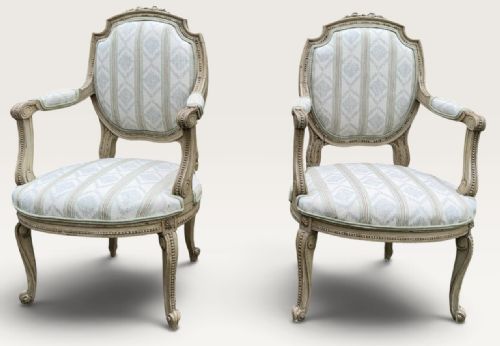
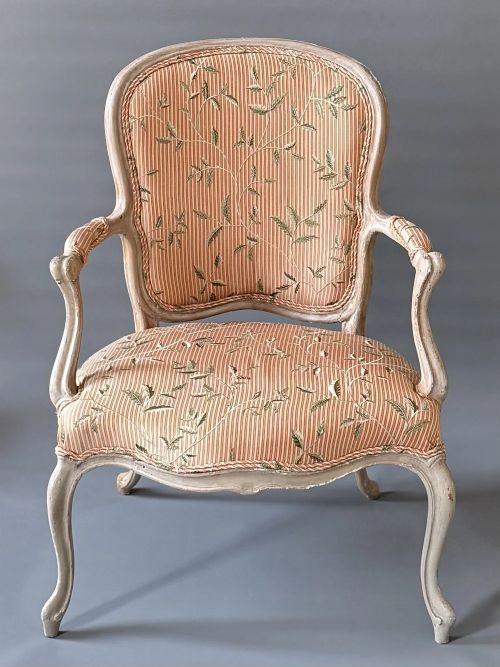
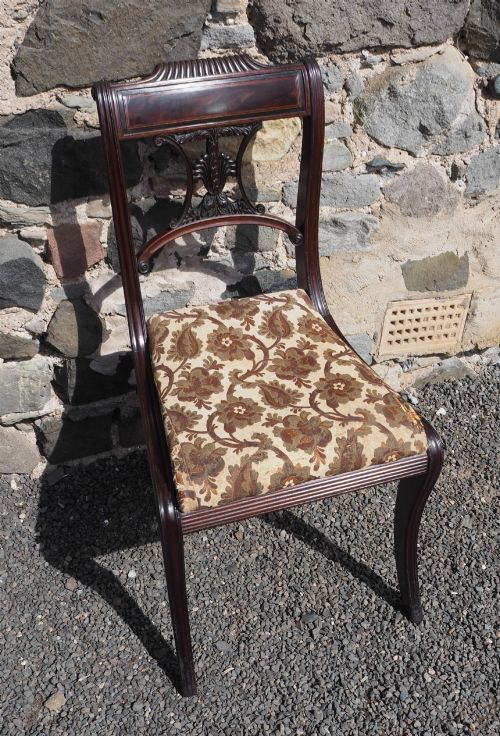
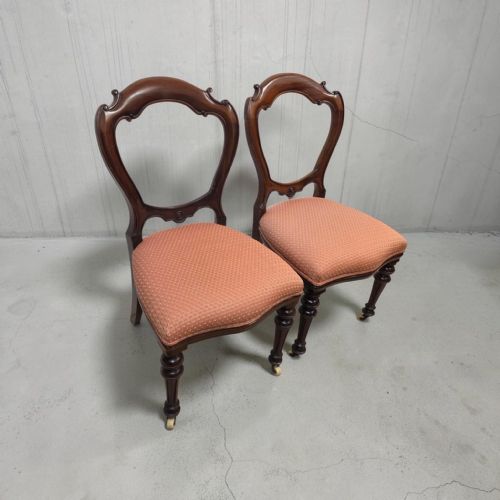
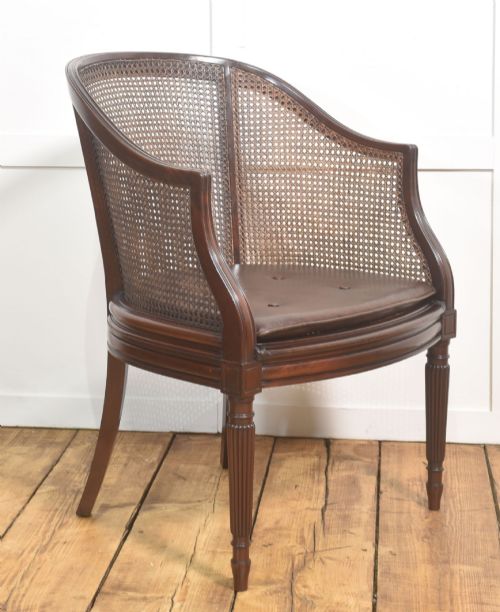
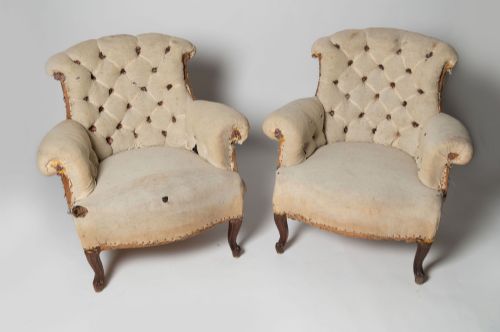
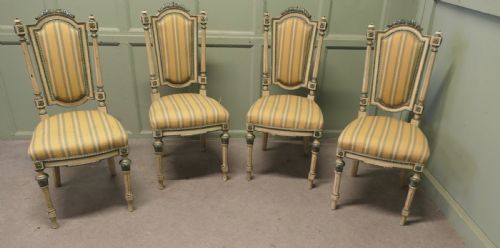
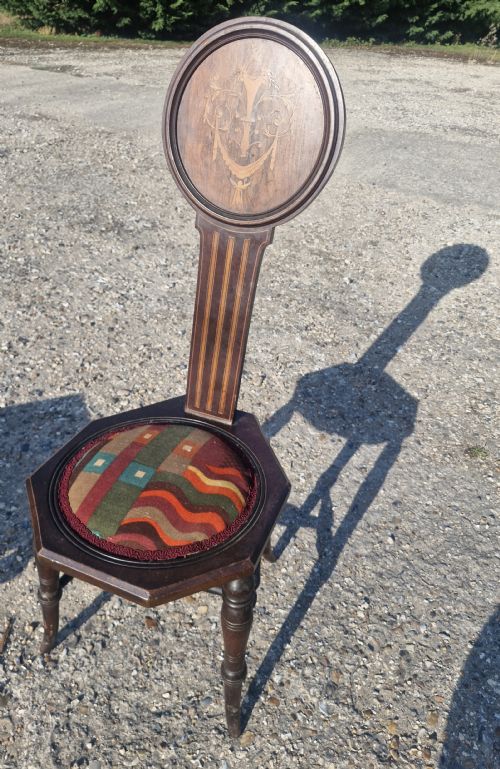
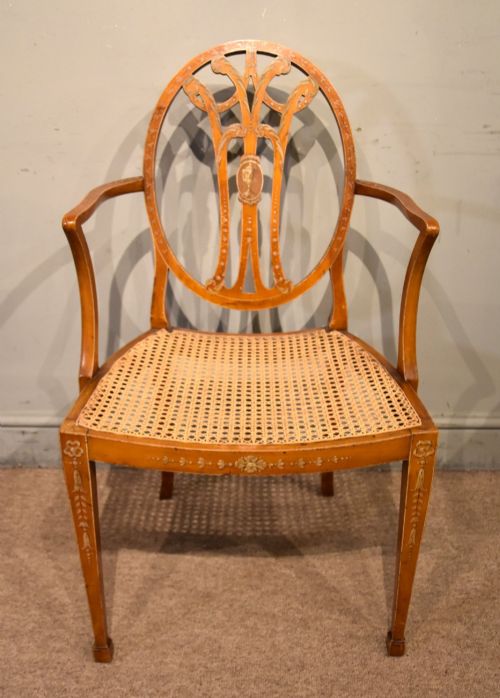
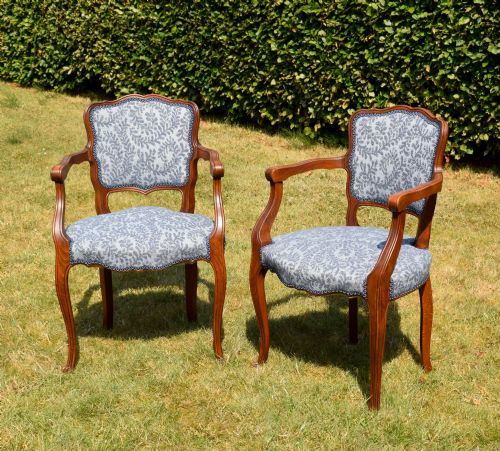
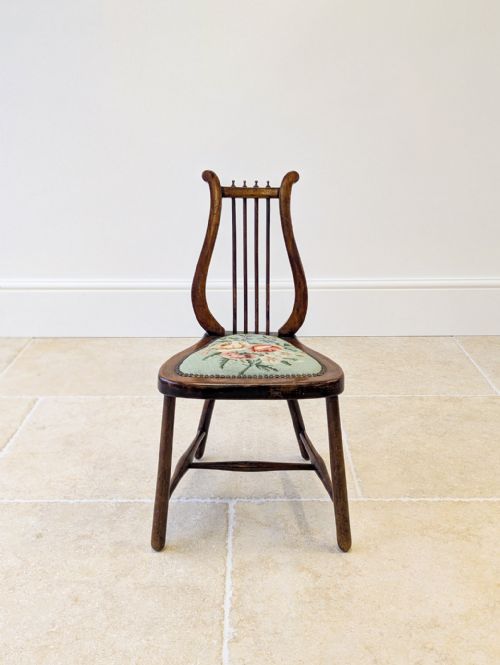
A carved wood bedroom chair encompasses various seating forms designed for private chambers, boudoirs, and dressing rooms during the nineteenth and early twentieth centuries. These pieces appear as side chairs, armchairs, accent chairs, and specific utilitarian seats such as nursing or vanity chairs.
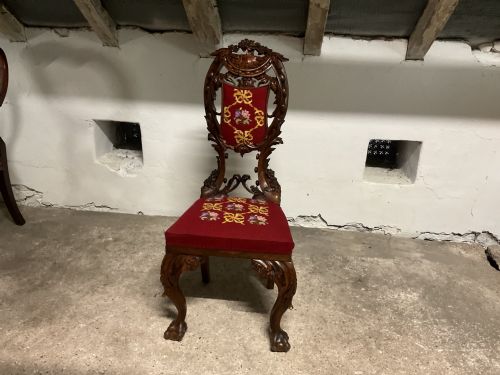
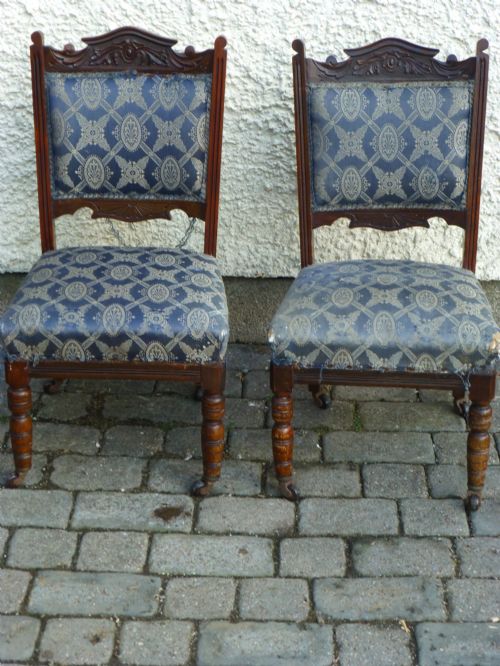
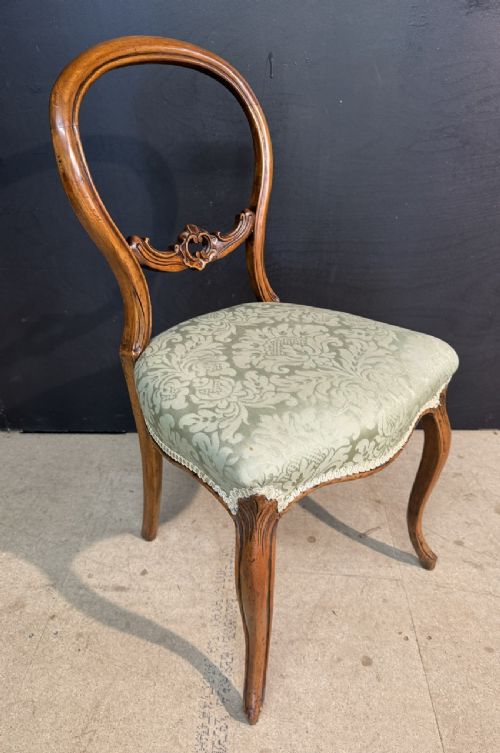
The selection on this page centres primarily on Victorian and Edwardian examples, spanning the decades from the eighteen-sixties through to the early nineteen-hundreds. Most items are constructed from walnut or mahogany, reflecting the favoured timbers of the periods.
Buyers encounter distinct stylistic expressions, ranging from early Victorian walnut side seats and decorative armchairs to Art Nouveau inlaid occasional pieces. Each serves as a functional item of bedroom furniture imbued with period character.
Materials and Construction
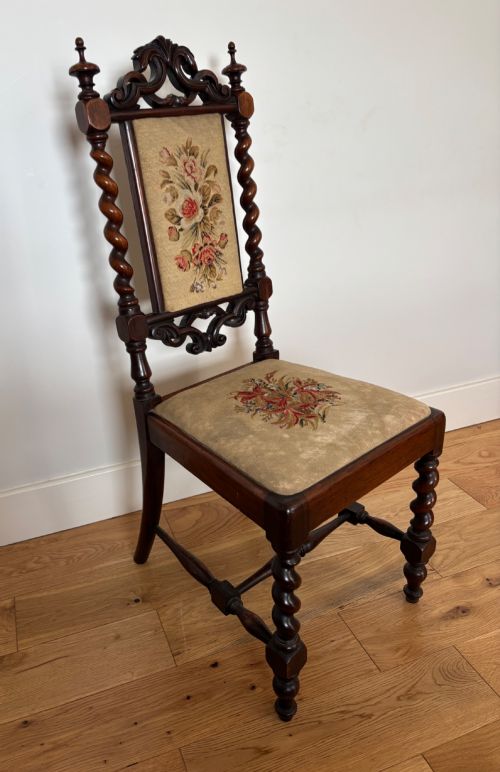
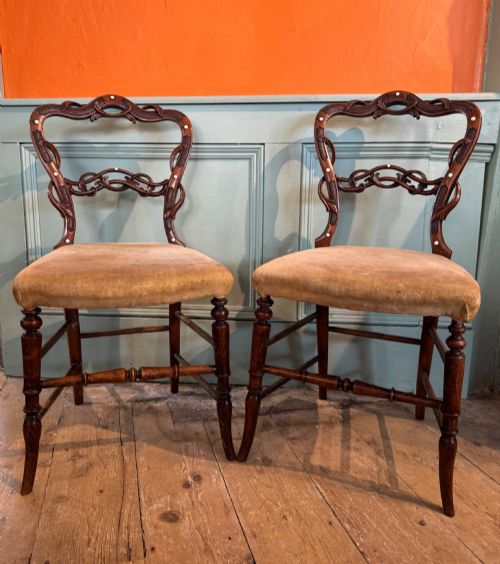
Cabinet makers utilised solid woods, predominantly walnut and mahogany, shaping the frames through traditional joinery and hand-carving techniques. Wood inlay adds decorative contrast to selected Edwardian examples, while brass fittings occasionally secure structural elements.
Upholstery forms an integral part of these chairs, utilising textiles such as damask, velvet, and various traditional fabrics. The cushioning and seat pads complement the exposed wooden structures and carved details recorded across the inventory.
Retail Price Guide 2026
Typical UK retail prices for carved wood bedroom chair, calculated from the Sellingantiques database of over a million retail prices indexed since 2003. This retail price guide relies exclusively on Sellingantiques data; no external sources or auction records are used, so the figures do not describe the wider market.
Current listings feature nineteenth-century and Edwardian pieces, highlighting walnut frames, textile upholstery, and varied forms from side chairs to vanity seats.
Assessing Quality and Distinction
The distinction between standard examples and superior pieces rests upon the depth, crispness, and complexity of the carved woodwork. Finer chairs exhibit well-proportioned cabriole legs, intricate floral or scroll motifs, and carefully integrated inlay work that demonstrates high craftsmanship.
The choice and preservation of primary timbers and original upholstery materials further elevate a piece. Walnuts with rich grain patterns and well-executed historical textile choices indicate a higher tier of period production.
The Carved Wood Bedroom Chair Glossary
- Cabriole leg
- A furniture leg that bends outward in a convex curve and tapers inward to a foot, typical of refined seating design. This shape draws inspiration from animal limbs and adds elegance to the silhouette.
- Nursing chair
- A low-seated Victorian chair originally designed for comfort while feeding infants or attending to personal grooming. The low seat makes these pieces distinct from standard dining or drawing room chairs.
- Inlay
- A decorative technique where contrasting materials are inserted into recessed cavities of the wood surface to form patterns. Edwardian pieces often utilise this method for delicate ornamentation.
- Damask
- A reversible patterned fabric traditionally woven on a jacquard loom, frequently found on period upholstery. Its textured surface provides a formal contrast to polished wooden frames.
Frequently Asked Questions
How were these chairs used historically?
Historically, these chairs served functional roles in private living spaces, such as assisting with dressing, reading, or resting in a boudoir. Specific forms catered to distinct tasks, including low nursing seats and vanity chairs.
They furnished the more private rooms of a home, differing from the formal seating kept in reception rooms or parlours.
How do I date a Victorian bedroom chair?
Dating a Victorian chair involves examining the stylistic clues, timber choices, and construction methods characteristic of the period between eighteen-thirty-seven and nineteen-one. Walnut and mahogany were prevalent, alongside specific decorative motifs like cabriole legs or heavy carving.
Exact dates often rely on makers' marks, patent stamps, or distinct design registrations typical of nineteenth-century English cabinet making.
How do I style an antique bedroom chair today?
An antique bedroom chair functions well as an accent piece in modern or traditional bedrooms, placed beside a dressing table or in an empty corner. Its carved wooden frame and textured upholstery introduce tactile contrast to contemporary interiors.
These chairs also suit small reading nooks or hallways where a compact, decorative seat is required.