

Antique Walnut Accent Chair
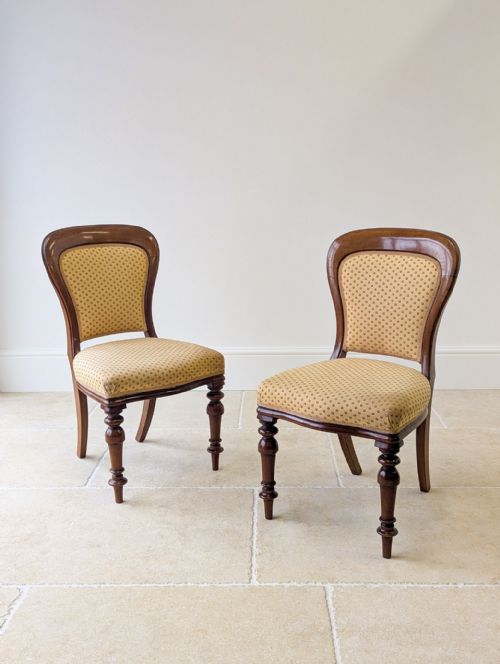
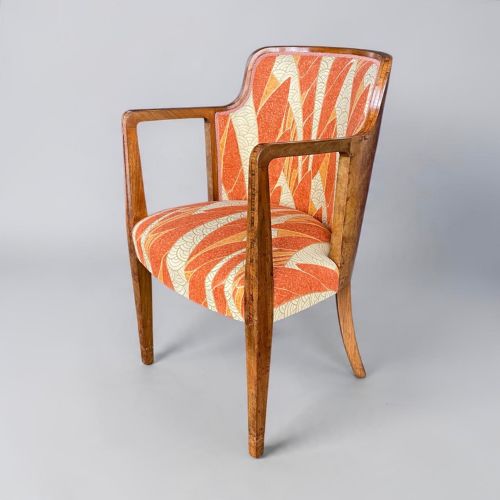
An antique walnut accent chair brings warmth and grain to a corner, spanning styles from Queen Anne curves to Art Deco lines.
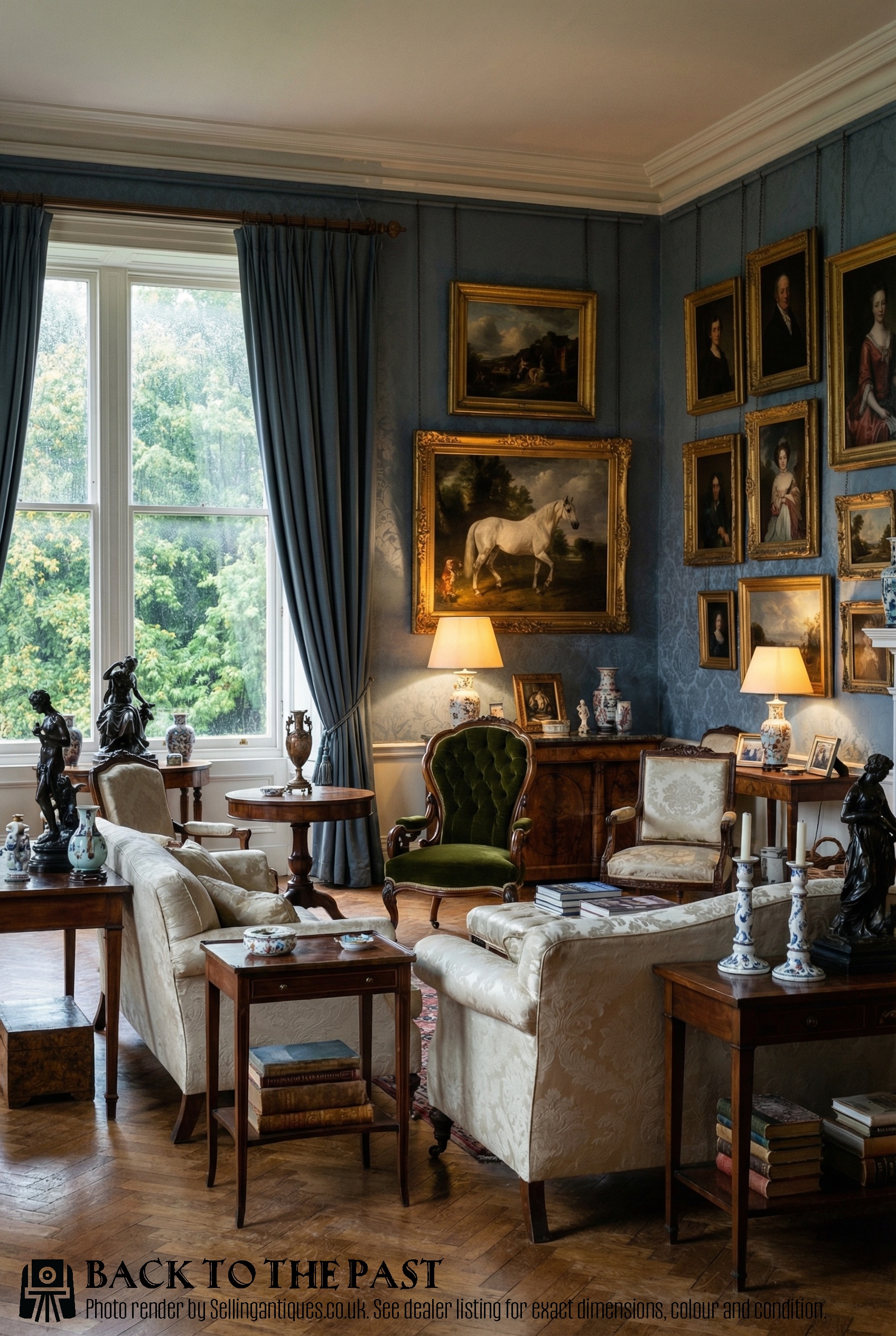
Antique Walnut Accent Chair
An antique walnut accent chair serves as a practical seat and a decorative focal point, drawing on centuries of domestic design. When you search for this phrase, you encounter seating built from rich timber frames, spanning centuries of cabinet-making traditions.
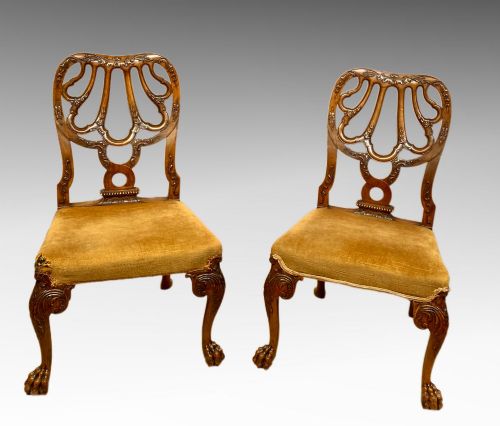
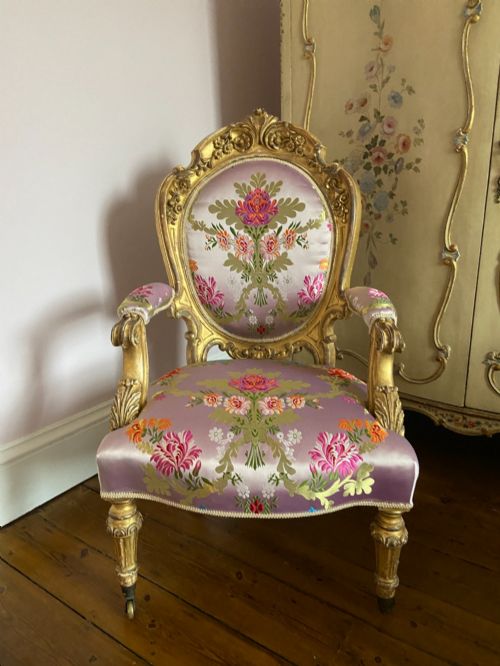
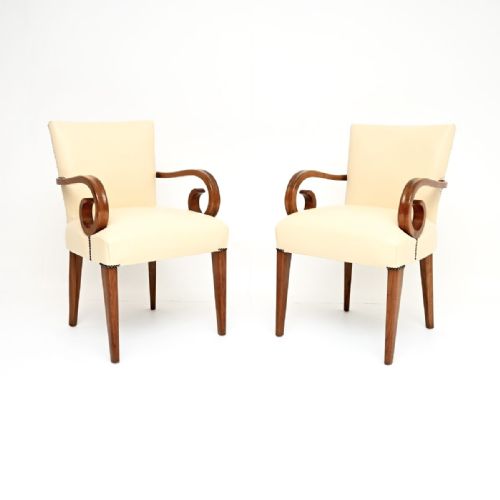
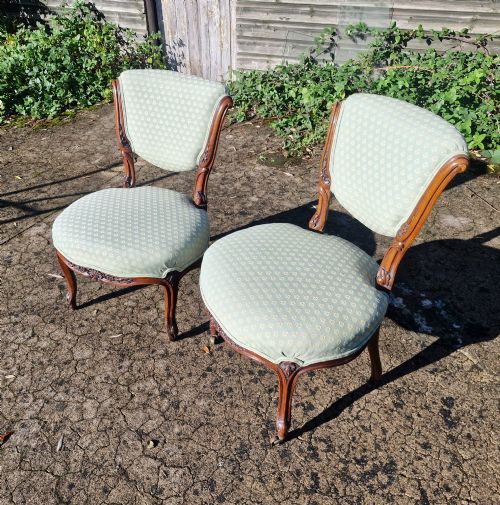
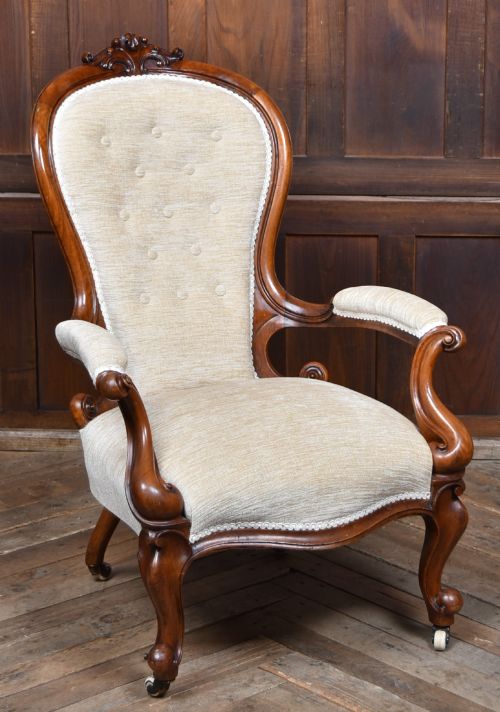
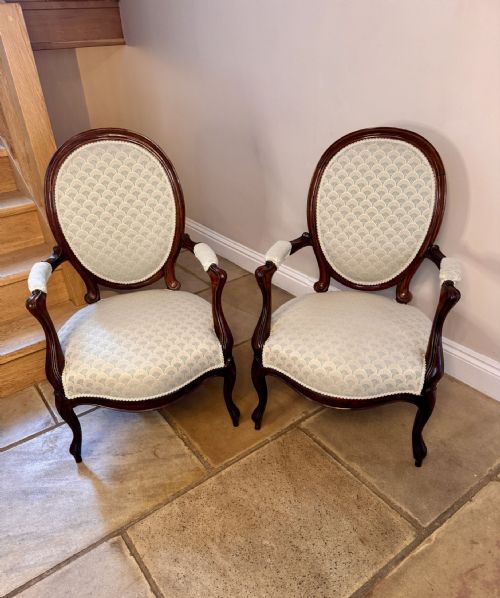
The selections on this page run from early Georgian and Queen Anne forms to Victorian parlours and later Art Deco iterations. Side chairs, armchairs, and occasional seats dominate the offerings, often upholstered in period textiles or modern fabrics.
Origins stretch across English workshops, French ateliers, and Italian provinces, reflecting regional carving preferences and structural shapes. Walnut provides the unifying thread through these varied eras, valued for its deep tone and dense grain.
How they were made
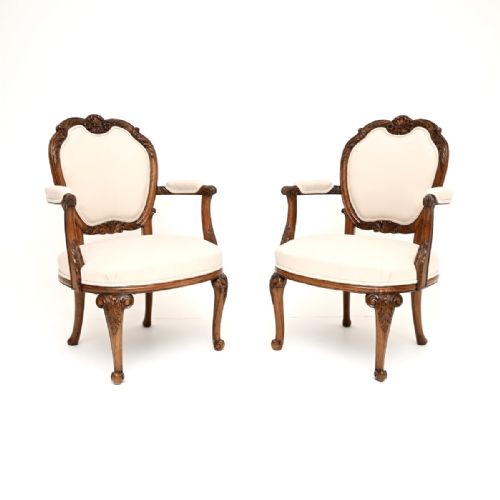
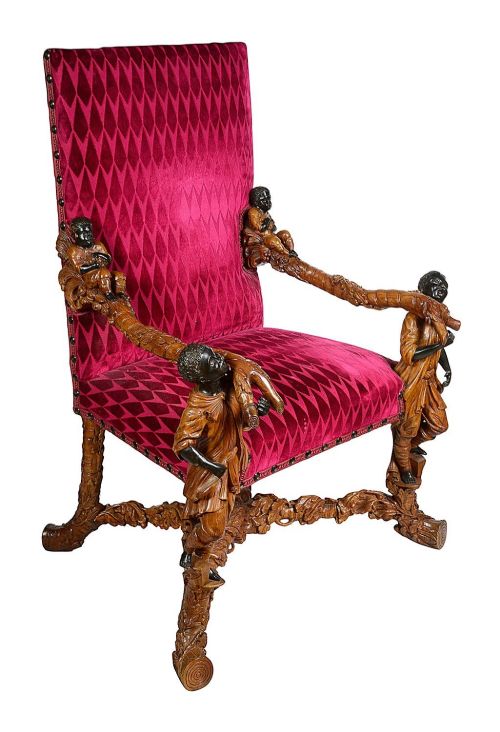
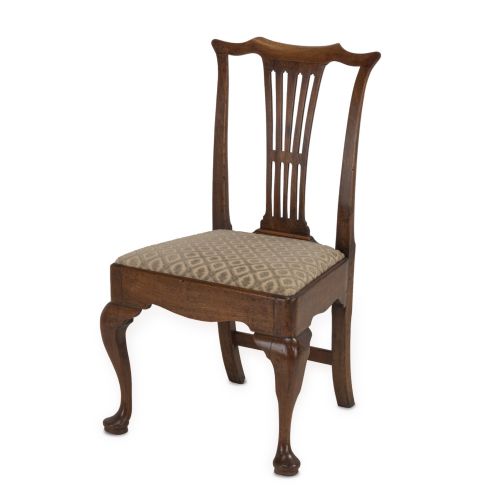
Cabinet-makers shaped solid timber into curved cabriole legs, straight rails, and carved splats using traditional hand tools. Walnut frames frequently incorporate intricate relief carving, parcel-gilding, or inlaid mother-of-pearl depending on the period of origin.
Upholstery techniques evolved from horsehair stuffing held by webbing and tacks to coil springs in later Victorian and Edwardian examples. Textiles range from antique tapestries and needlework to silk and leather, secured tightly to the wooden carcase.
Antique Walnut Accent Chair Retail Price Guide 2026
Typical asking prices for walnut accent chair among the pieces listed under this phrase on Sellingantiques today, from the lower quarter to the upper quarter. They describe what is for sale here now, not the wider market.
Materials paired with walnut across these selections include brass, velvet, tapestry, and mother-of-pearl.
What varies in quality
The calibre of timber selection and the sharpness of the hand carving dictate the standing of a piece. Fine examples display well-figured grain patterns and crisp execution in details like claw-and-ball feet or floral motifs.
Structural integrity relies on the retention of original joints and the health of the internal wooden frame. Pieces that maintain their primary timber without extensive modern replacements hold greater historical weight.
Charles Tozer·Colefax And Fowler·Andrea Brustolon·Howard and Sons
The Antique Walnut Accent Chair Glossary
- Cabriole leg
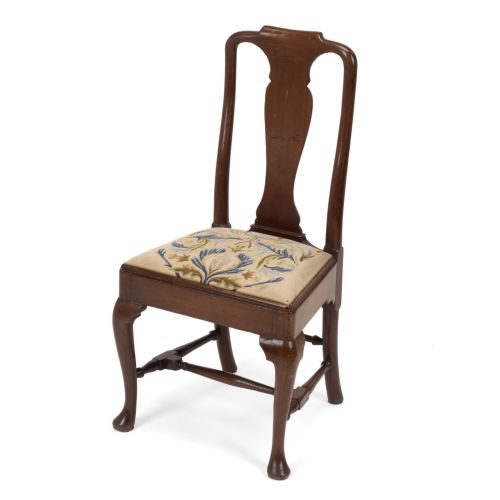
- A furniture leg that bends outward in a convex curve and tapers inward in a concave curve, ending in a pad or foot. This form derives from animal limbs and gained popularity during the early eighteenth century.
- Bergere
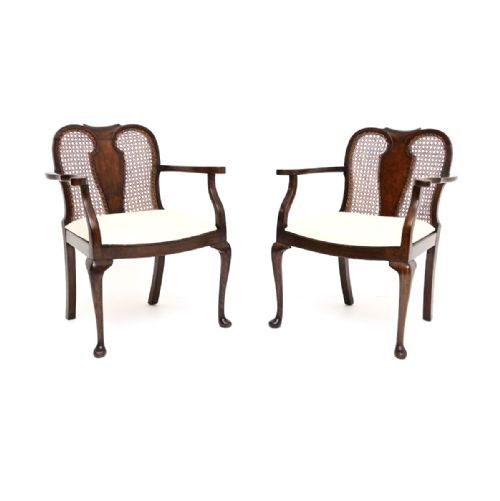
- An enclosed upholstered armchair with wooden framing around the sides and back. Many examples incorporate cane panelling within the wooden borders.
- Parcel-gilt
- Partially covered with gold leaf applied over a prepared surface to highlight carved details. This treatment contrasts the bright metal against the dark tone of walnut.
- Splat
- The vertical wooden strip down the centre of a chair back. It provides structural support and often receives decorative carving or shaping.
- Tapisserie
- Woven textile used for upholstery, depicting pictorial scenes or repeating patterns. Such coverings appear frequently on seventeenth and eighteenth century seating.
Antique Walnut Accent Chair: Frequently Asked Questions
How do I identify a Queen Anne walnut chair?
Queen Anne walnut chairs typically feature spooned backs, solid vase-shaped splats, and cabriole legs terminating in pad feet. The framing relies on the rich grain of walnut rather than heavy carving.
These pieces date from the early eighteenth century, showing restrained proportions designed for domestic comfort rather than formal display.
Are these chairs suitable for daily use?
Many of these chairs remain structurally sound for everyday seating, provided the joints and internal frames are stable. Victorian and Edwardian examples often offer robust support due to later framing techniques.
Antique textiles require more care than modern fabrics, so placement away from direct sunlight preserves the original or period upholstery.
What is a nursing chair?
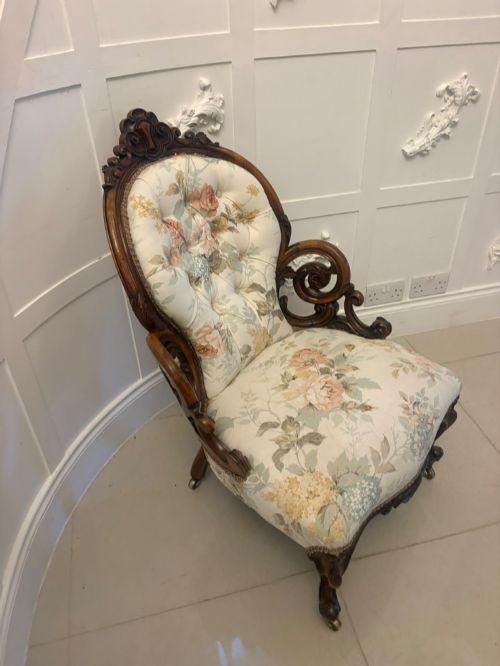
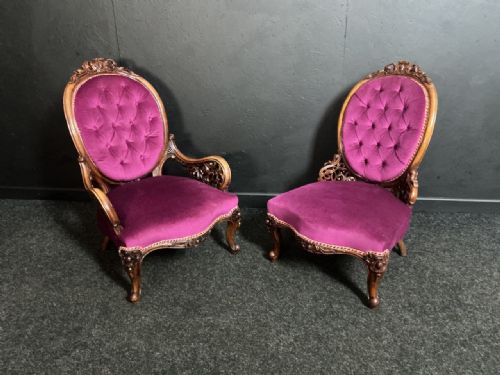
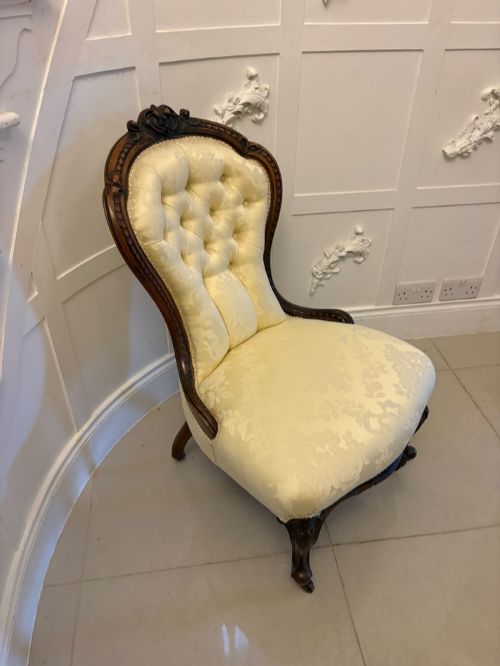
A nursing chair is a low-seated armchair designed in the nineteenth century to allow a person to tend to an infant comfortably. The reduced seat height distinguishes them from standard parlour seating.
They frequently feature button-backed upholstery and carved walnut frames, appearing in various Victorian revival styles.
How do I care for walnut wood?
Walnut benefits from occasional treatment with appropriate furniture wax to maintain the moisture and lustre of the timber. Avoid placing these pieces near heat sources or in direct sunlight to prevent the wood from drying.
Dusting with a soft cloth removes everyday particles without harming the antique polish or carved surfaces.