
Brown Tapestry Chair
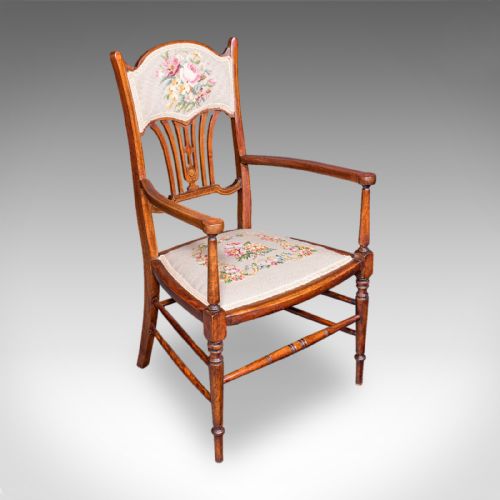
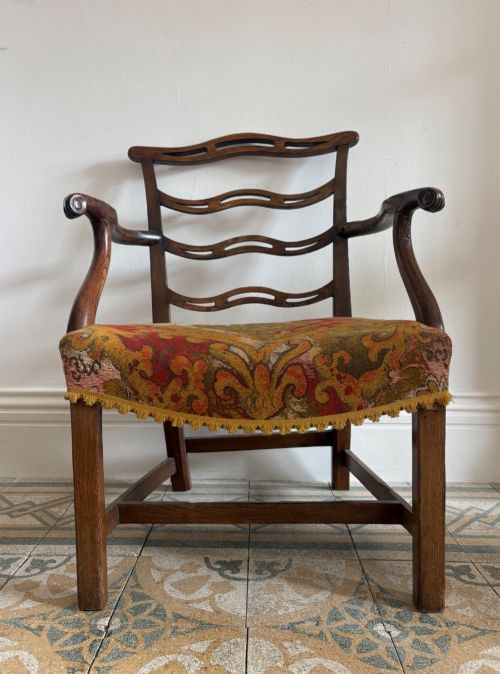
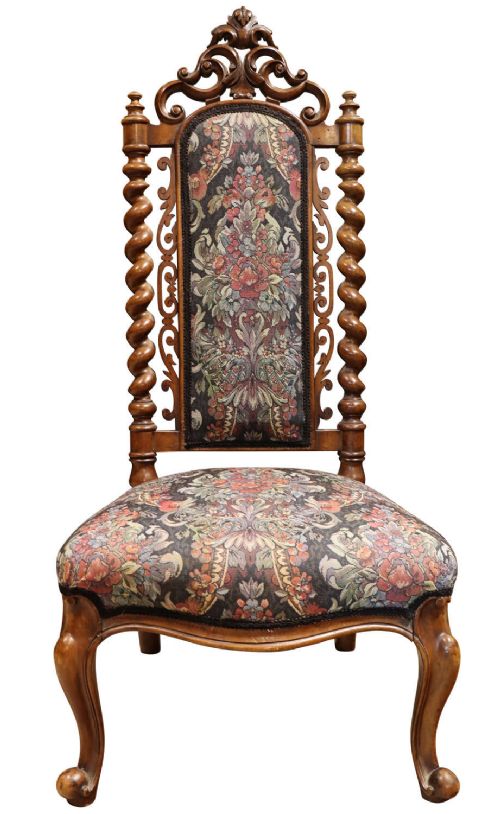
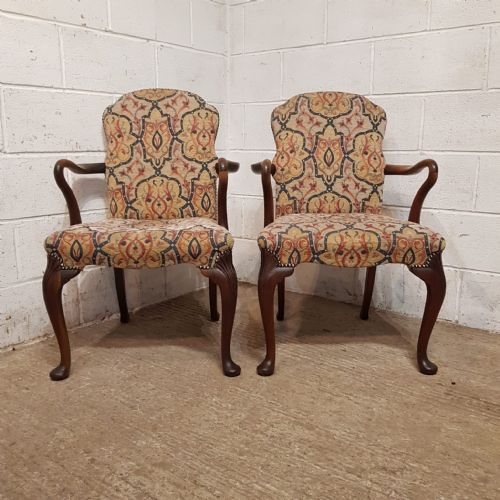
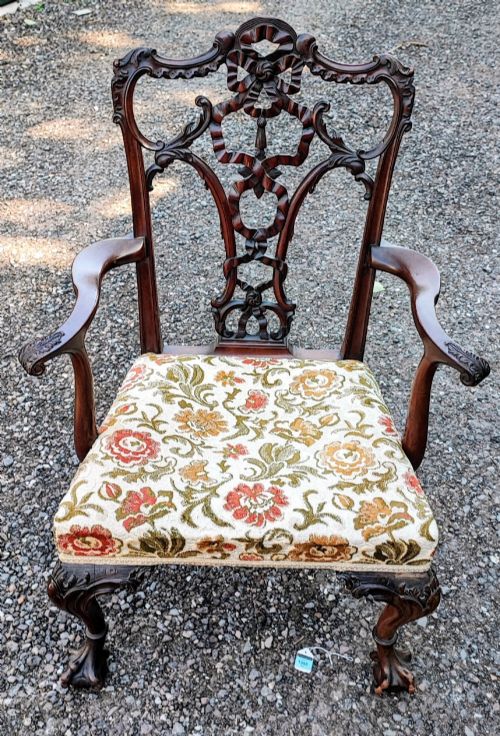
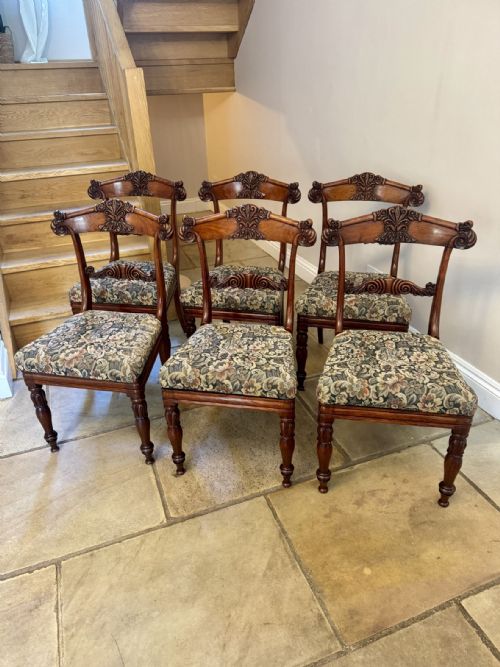
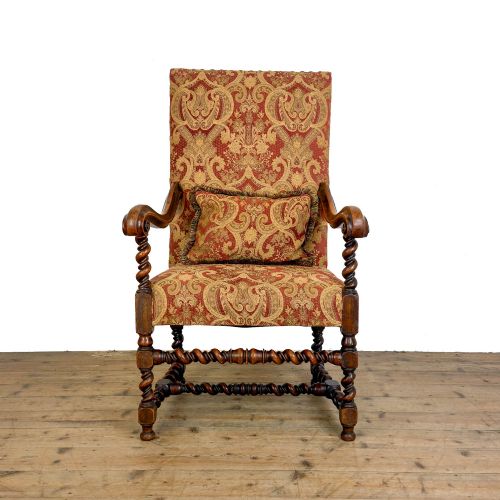
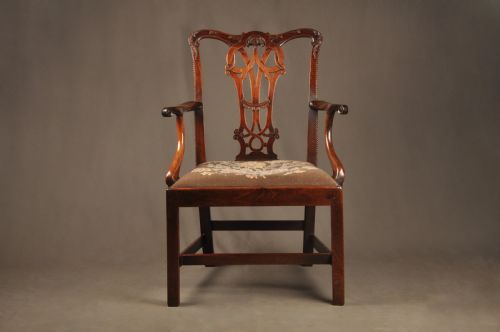
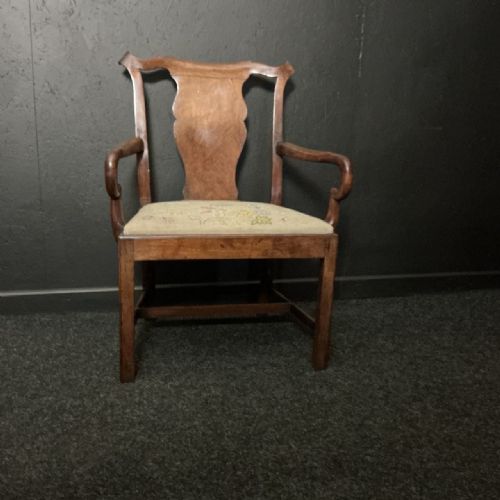
A brown tapestry chair brings together heavy carved timbers and woven textile panels, offering substantial character for a traditional interior.
Brown Tapestry Chair
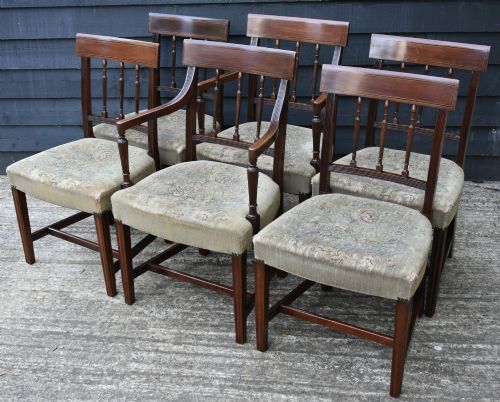
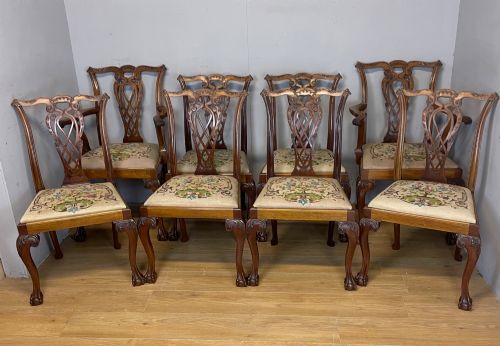
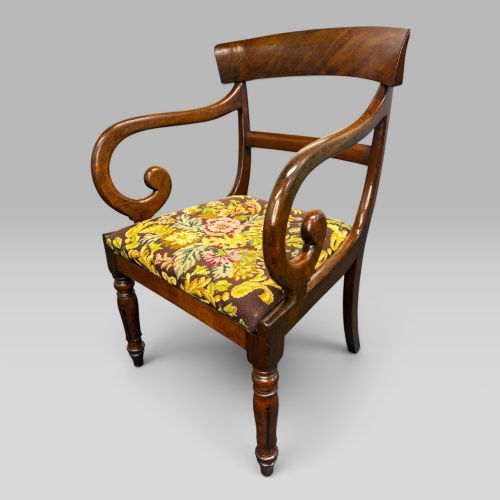
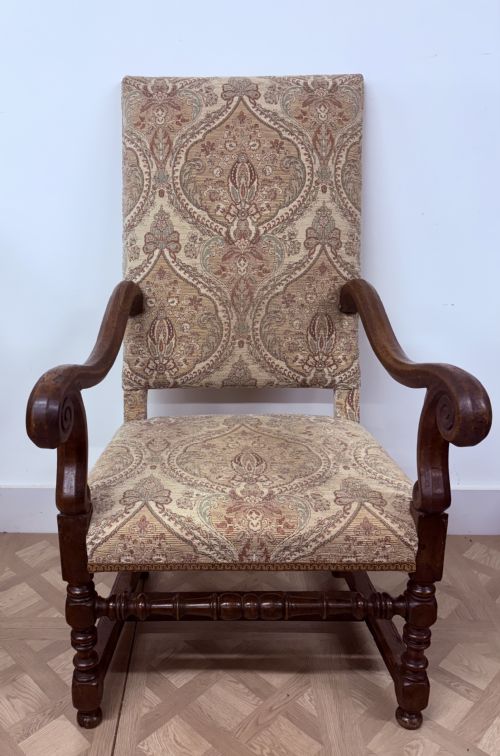
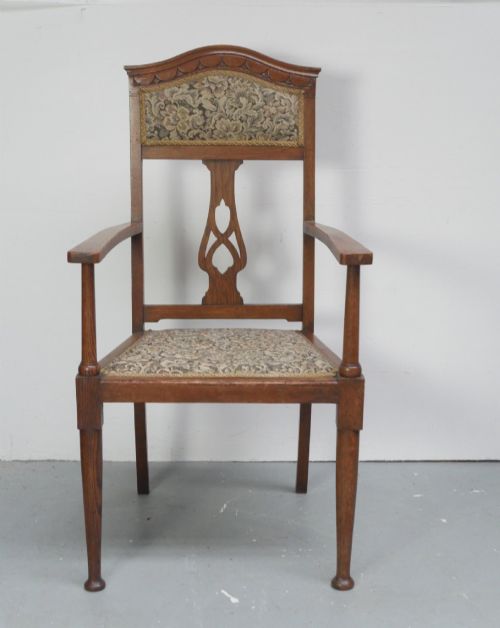
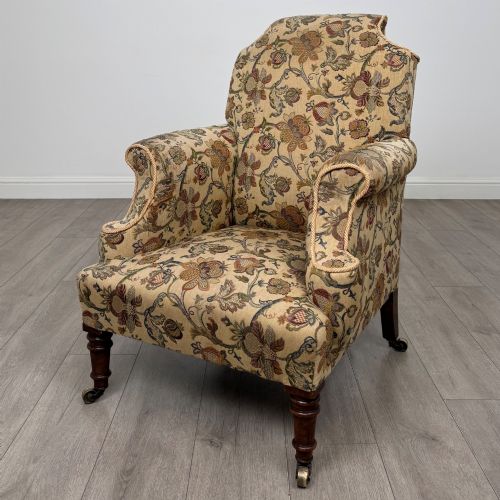
A brown tapestry chair typically combines a dark wood frame, such as mahogany, walnut, or beech, with a textile seat or back panel. When searching for a brown tapestry chair, buyers encounter various seating forms, including armchairs, elbow chairs, side chairs, and occasional chairs.
The selection ranges from eighteenth-century examples to pieces from the Victorian, Edwardian, and later periods. Dining chairs, library chairs, and desk chairs frequently appear alongside occasional seats upholstered in patterned textile.
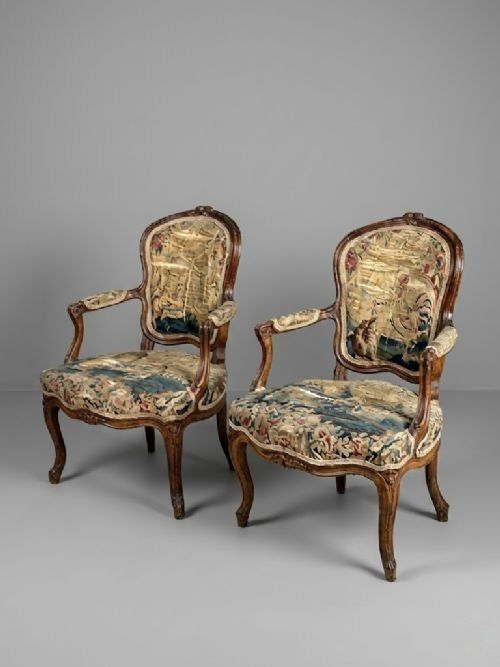
Stylistic influences span Georgian, Regency, Chippendale revival, and Louis XV designs. Walnut and mahogany frames dominate the selection, often paired with floral or figural woven covers.
Materials and construction methods
Frames are constructed from dense hardwoods like mahogany, walnut, oak, and beech, frequently shaped with hand-carved details or turned supports. Joinery relies on traditional methods suited to each period, from eighteenth-century cabinet-making to later revival techniques.
Upholstery involves woven textiles, including floral tapestry fabric and decorative needlework panels secured directly to the wooden frame or dropped-in seat rails. Secondary materials such as brass tacks occasionally edge the textile panels.
A tiny child's rocking chair sits quietly among the full-sized armchairs, ready for the smallest collector in the house.
Distinguishing quality in older seating
The crispness and depth of hand-carved ornament on the wooden frame separate standard production from finer work. Timber selection also matters, particularly the grain figure and rich tone of the mahogany or walnut used.
The integrity of the woven upholstery and the preservation of the wooden structure dictate the overall standard. Pieces retaining their original textile covers and solid frame construction represent the higher tier of the range.
Warings
The Brown Tapestry Chair Glossary
- Elbow chair
- An armchair with wooden armrests, often designed as part of a dining set or for use at a desk. These pieces provide comfortable support without the full bulk of a reading or wingback chair.
- Chippendale style
- A design framework drawing on the eighteenth-century aesthetic of Thomas Chippendale, featuring carved splats and cabriole legs. Revival versions of this style appear frequently in later nineteenth-century furniture.
- Carver chair
- An armchair matching a set of smaller dining chairs, traditionally designated for the head of the table. They share the decorative vocabulary of the surrounding dining seats.
- Aubusson
- A style of woven tapestry originating from French manufacture, known for pictorial or floral designs. These textiles are often utilised for the upholstery of formal period armchairs.
- Scroll back
- A chair back featuring an outward curving top rail resembling a scroll. This profile is common in nineteenth-century occasional and library seating.
Brown Tapestry Chair: Frequently Asked Questions
What periods do these chairs date from?
The selection spans multiple centuries, incorporating eighteenth-century pieces alongside nineteenth-century Victorian and Edwardian examples. Revival styles from the late nineteenth century also feature prominently.
Dates are determined by construction methods, timber choice, and stylistic traits associated with specific reigns and design movements.
How do I care for tapestry upholstery?
Woven textile panels require gentle treatment, avoiding direct sunlight to prevent fading of the dyed yarns. Regular light vacuuming with a soft brush attachment helps remove dust from the weave.
Moisture and harsh cleaning agents should be kept away from antique fabric and wood frames alike.
Are these chairs suitable for daily use?
Most examples are structurally robust enough for regular sitting, provided the joints remain firm and secure. Dining chairs and desk chairs are built for upright daily tasks.
Care should be taken with older textiles to prevent excessive wear on high-friction areas of the seat.
What woods are commonly used?
Mahogany and walnut form the primary timber choices for frames across the eighteenth and nineteenth centuries. Beech, oak, and satinwood also appear in specific regional or stylistic pieces.
These dense hardwoods provide the structural strength needed to support carved details and upholstered seats.