


Pierced Splat Back Chair
These pierced splat back chair pieces bring undeniable Georgian presence and tactile walnut or mahogany warmth straight to your interior.
Identifying the pierced splat back chair
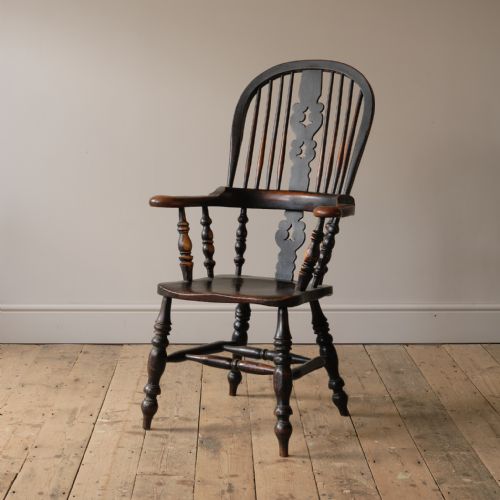
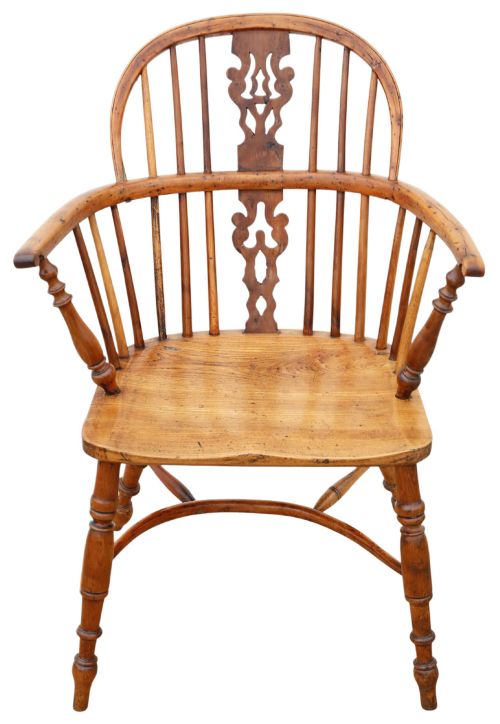
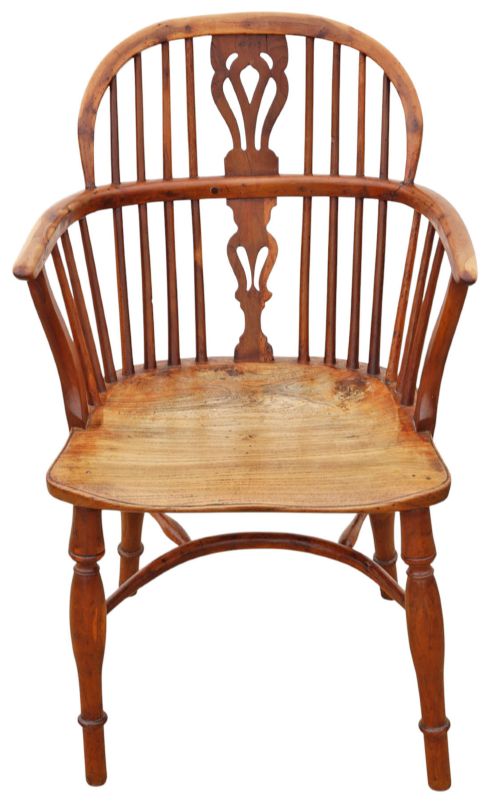
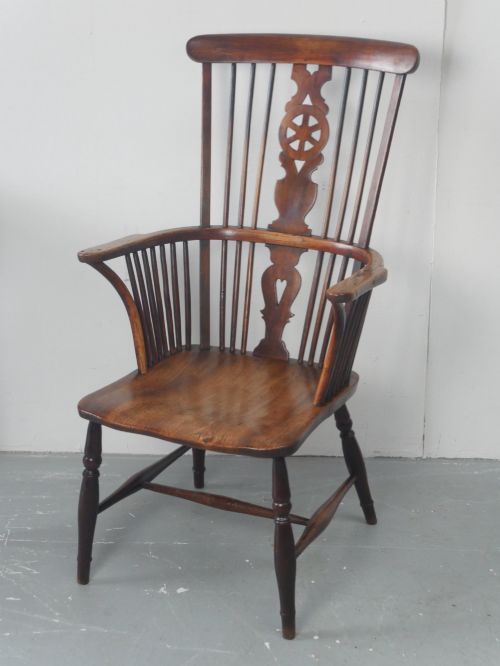
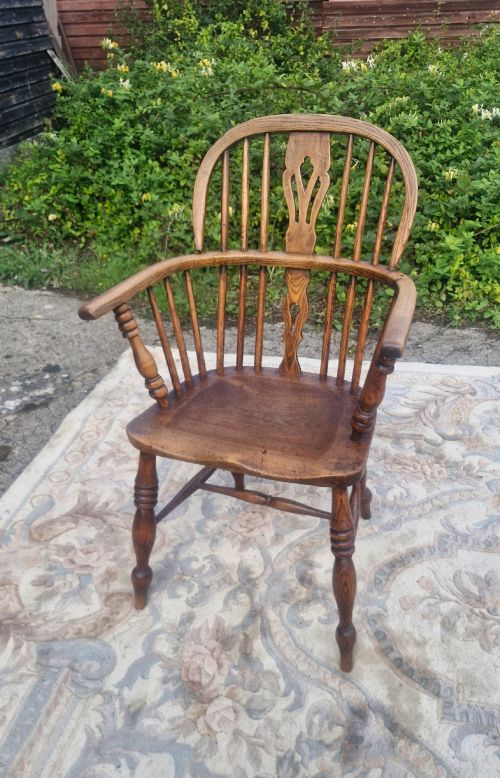
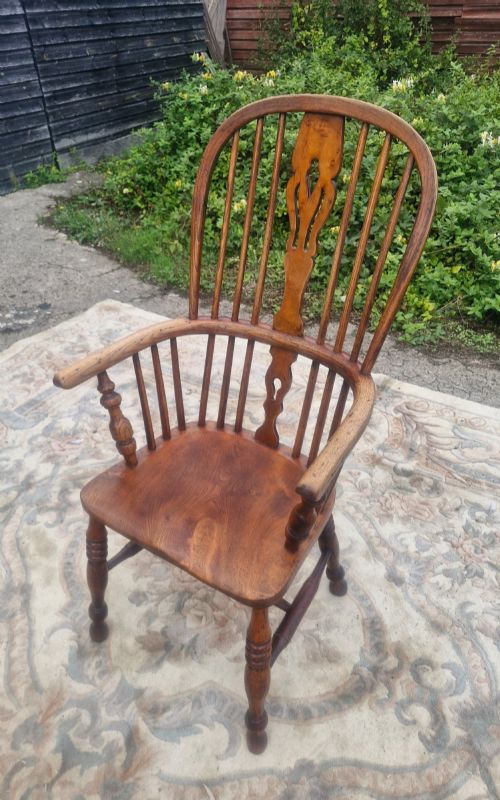
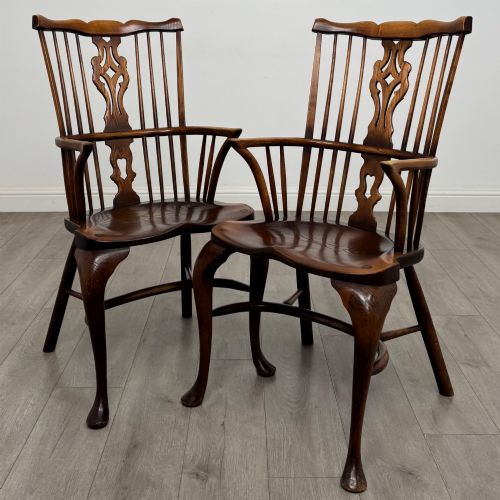
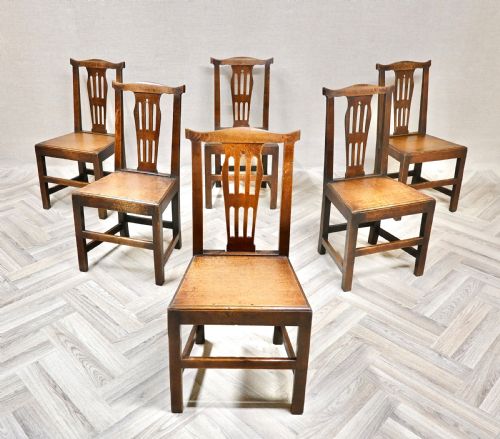
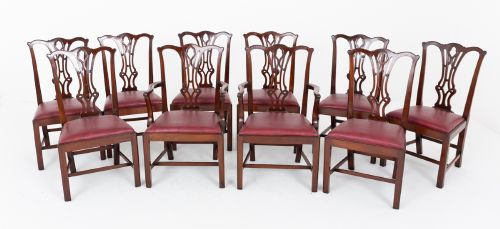
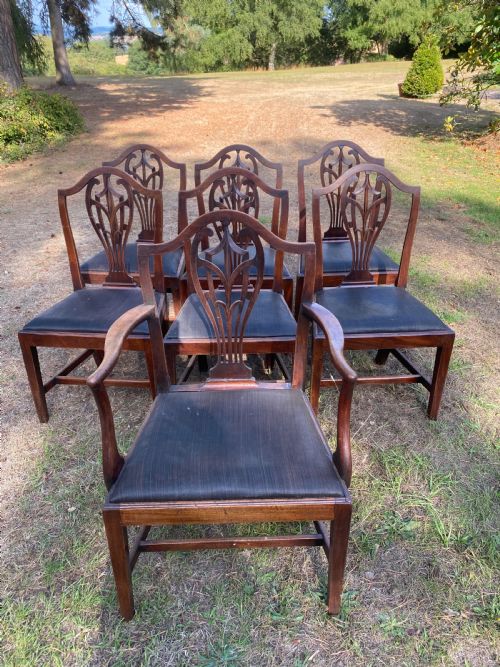
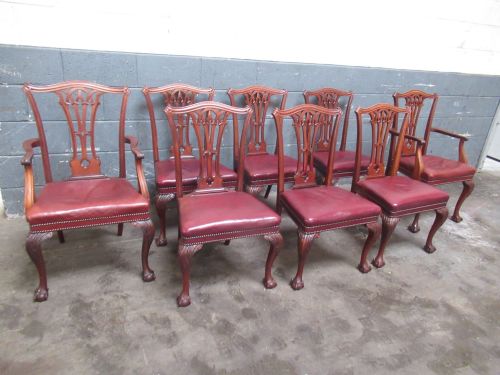
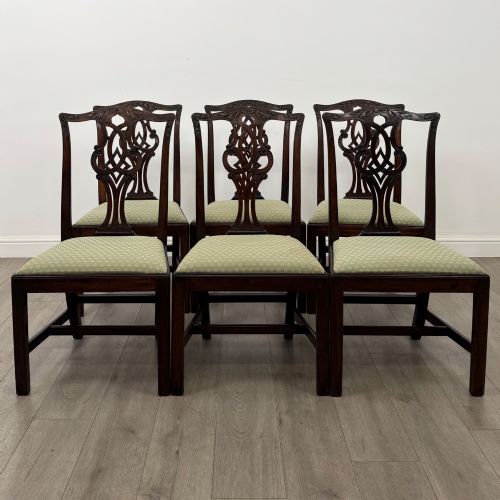
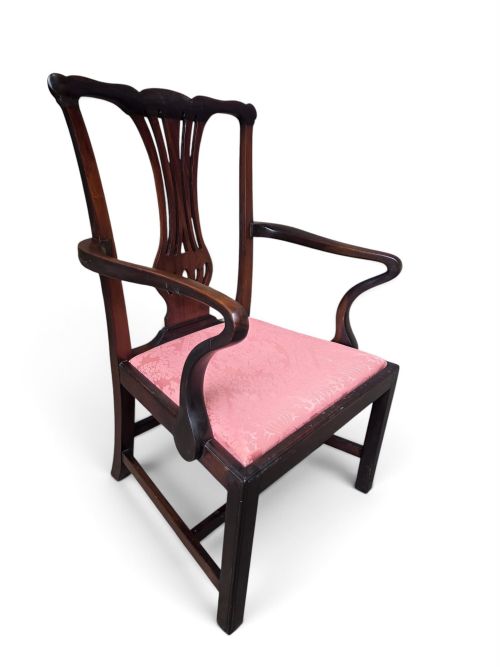
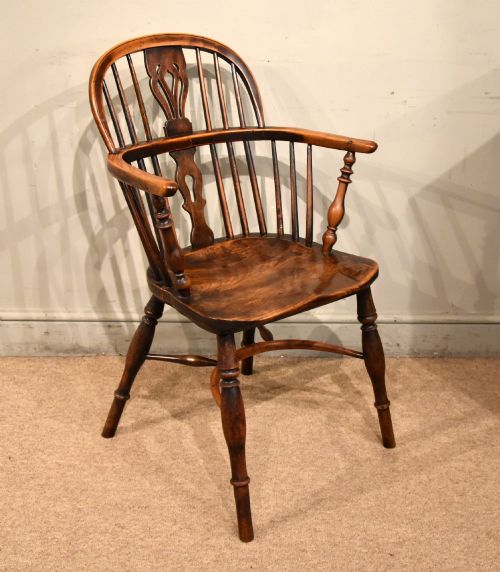
A pierced splat back chair centres on a decorative central wooden upright within the back frame, forming the signature silhouette that collectors recognise instantly. The selections encountered here range across the Georgian period and the eighteenth century, alongside later Edwardian interpretations.
The physical forms divide between side chairs and armchairs, including examples suited to morning rooms, desks or gossip seating. Walnut, mahogany and fruitwood construct the primary frames, frequently paired with drop-in seats covered in tapestry, textile or fabric upholstery.
Materials and construction methods
Craftsmen shaped these frames from dense hardwoods like mahogany and walnut, alongside regional fruitwoods suited to detailed pierced carving on the central splat. Timber selection dictated the structural integrity of the backrest while offering a smooth canvas for polish and grain appreciation.
Drop-in seats utilised heavy textile or tapestry upholstery stretched over internal wooden frames, allowing easy removal for recovering or reupholstering. Joinery relied on traditional pinned mortise and tenon construction to withstand the daily pressures placed upon the uprights and side rails.
Retail Price Guide 2026
Typical UK retail prices for pierced splat back chair, calculated from the Sellingantiques database of over a million retail prices indexed since 2003. This retail price guide relies exclusively on Sellingantiques data; no external sources or auction records are used, so the figures do not describe the wider market.
The documented pieces span several distinct eras, encompassing Georgian craftsmanship, eighteenth-century forms and Edwardian vernacular interpretations.
Assessing quality and character
Quality rests in the crispness of the pierced carving within the splat and the harmonious proportions of the overall frame. Superior examples demonstrate confident lines and substantial timber weight without appearing clumsy in the arms or legs.
The integrity of the original wood grain and the patination accumulated over centuries elevate certain pieces above standard production. Subtle variations in regional execution, from Scottish vernacular touches to refined metropolitan workshops, create distinct tiers of desirability.
The Pierced Splat Back Chair Glossary
- Splat
- The vertical wooden centrepiece of a chair back connecting the crest rail to the seat. Pierced variants feature intricate cut-out decorative patterns.
- Drop-in seat
- A removable upholstered frame that drops into a recess within the chair rails. This construction method facilitated easy reupholstering over generations of use.
- Georgian
- The design period spanning the reigns of the four Georges, noted for stylistic evolution from heavy walnut forms to lighter mahogany elegance. It remains a cornerstone of British antique furniture.
- Vernacular
- Regional furniture made by local cabinetmakers using available timbers and traditional methods rather than strict metropolitan pattern books. These pieces often carry unique local character.
Frequently Asked Questions
What is a pierced splat back chair?
It is a seating form defined by a central wooden upright in the backrest that incorporates openwork cut-outs. These patterns range from simple geometric shapes to elaborate ribbon or vase designs.
Such chairs functioned primarily as dining, side or desk seating in formal rooms. Their decorative backs made them striking visual elements even when pushed against a wall.
How do I date these chairs?
Dating relies on timber selection, construction techniques, and stylistic markers tied to specific historical periods. Mahogany became dominant later in the eighteenth century, whereas walnut typifies earlier pieces.
Examining the underside and joinery reveals hand-cut details that distinguish eighteenth-century work from later Edwardian revivals. Secondary woods used in the frame construction also offer clues to origin and age.
Are these chairs comfortable for daily use?
Their comfort depends largely on the height of the backrest and the firmness of the upholstered drop-in seat. Many were designed for upright posture during dining or correspondence rather than lounging.
Modern users often place them at desks or in corners where their sculptural backs can be admired. Replacing worn internal webbing or padding can significantly improve the seating experience.
How should I care for the wood?
Maintain the timber by keeping it away from direct sunlight and sudden temperature shifts that cause cracking. Regular dusting with a soft, dry cloth preserves the historic finish.
Applying a quality wax occasionally feeds the wood without building up heavy chemical layers. Avoid silicone-based polishes that can permanently alter the natural surface patination.