





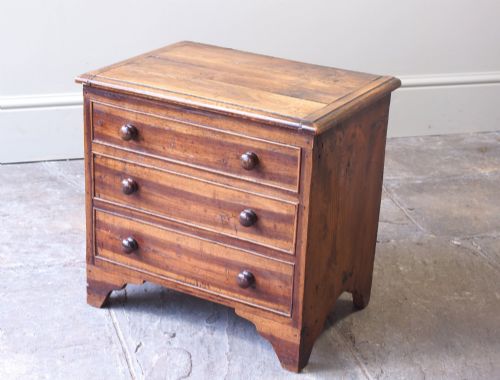

Georgian Fruitwood Chair
A georgian fruitwood chair brings tactile warmth and regional character into a room through honest domestic timbers.
Georgian Fruitwood Chair
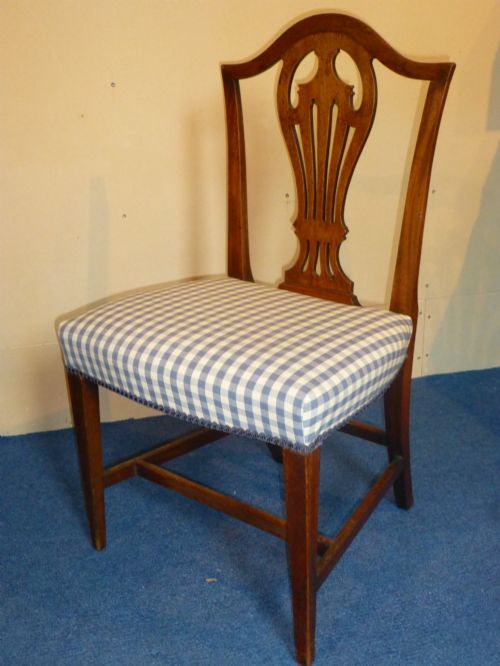
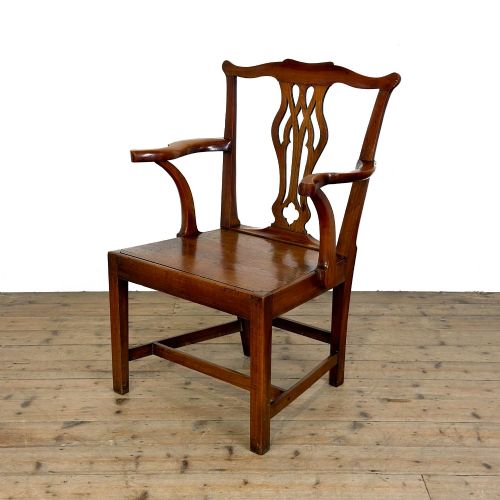
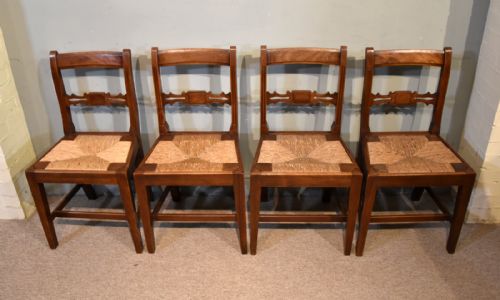
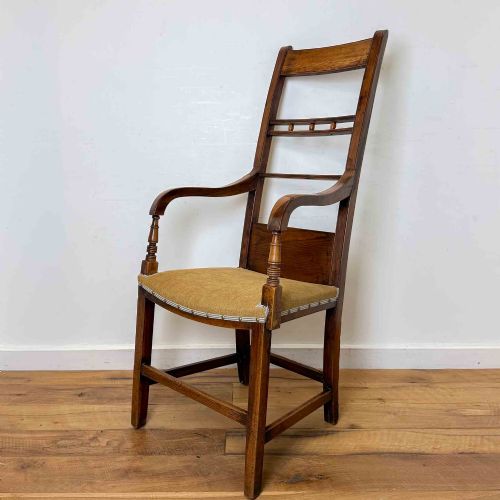
A georgian fruitwood chair encompasses a diverse range of seating produced during the eighteenth and early nineteenth centuries, drawing on regional English vernacular traditions as well as formal metropolitan styles. Buyers encounter armchairs, side chairs, dining sets, childs chairs, and specialised seating such as close stools and corner chairs.
The material palette relies heavily on native timbers, frequently combining fruitwood with elm, oak, ash, rush, and fabric. Pieces span the eighteenth century, the regency period, and around eighteen hundred, reflecting both country farmhouse workshops and refined urban design influences like Chippendale and Hepplewhite.
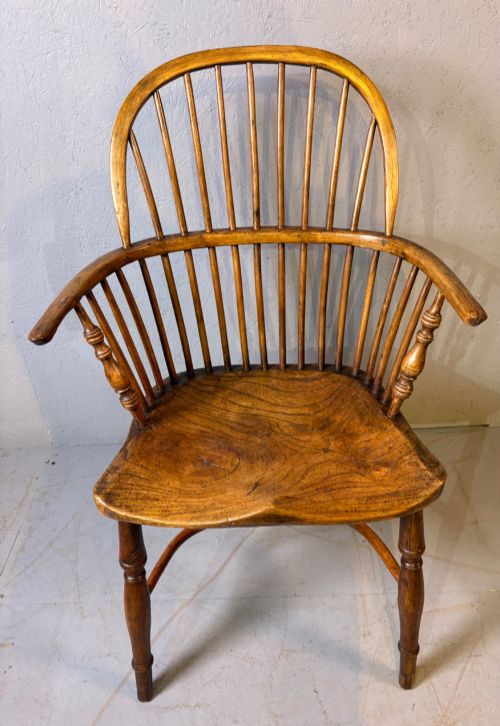
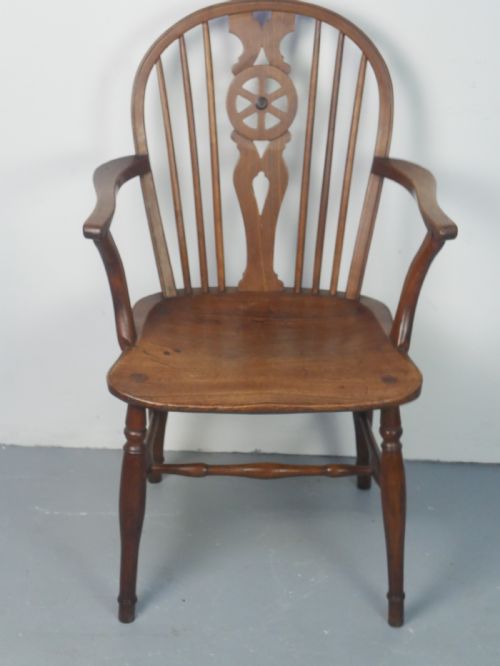
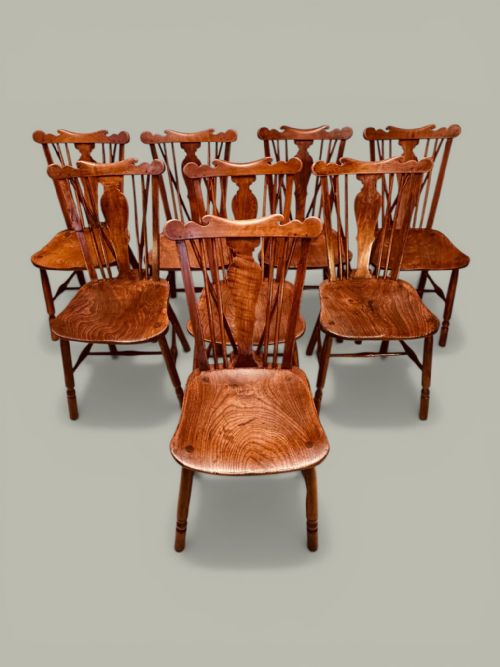
Regional variations dominate the selection, ranging from Thames Valley and West Country Windsors to Mendlesham chairs, Norfolk armchairs, and Welsh country seating. This variety means buyers choose between robust stick-back forms, comb backs, splat-back dining chairs, and low childs rockers.
Distinctions in quality
The hierarchy of quality rests primarily on the grain figure and warm patina developed by the fruitwood over centuries of use. Rich, varied timber tones and tight, original construction elevate an example above standard utility seating.
Proportion and regional fidelity also divide ordinary items from exceptional survivors. Well-balanced arm placement, crisp turning on spindles, and untouched original surfaces separate superior provincial craftsmanship from lesser or heavily altered pieces.
Georgian Fruitwood Chair Retail Price Guide 2026
Typical asking prices for georgian fruitwood chair among the pieces listed under this phrase on Sellingantiques today, from the lower quarter to the upper quarter. They describe what is for sale here now, not the wider market.
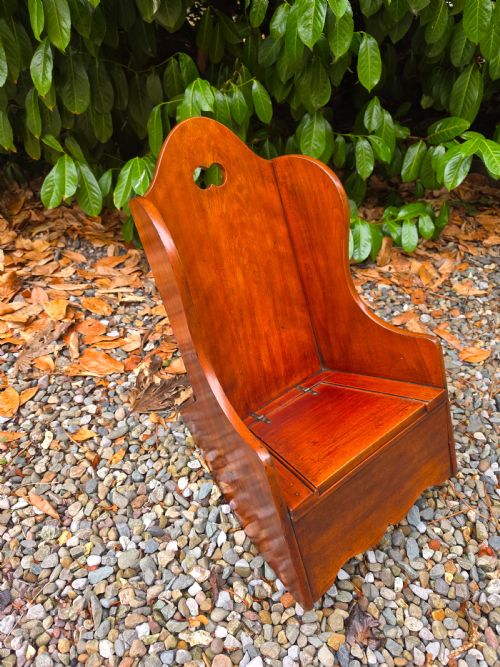
Several listings feature childs potty rockers, proving that Georgian toddlers sat in miniature comfort.
The Georgian Fruitwood Chair Glossary
- Fruitwood
- Timber sourced from fruit-bearing trees such as cherry, plum, or apple, prized for its dense grain and warm hue. It forms the primary visible surface on regional country seating.
- Windsor chair
- A chair built with a solid wooden seat into which the legs and back sticks are independently inserted. Regional variants include stick backs, comb backs, and Thames Valley designs.
- Splats
- The vertical wooden strip down the centre of a chair back, often carved in Chippendale or Hepplewhite taste. It provides central back support while displaying stylistic ornament.
- Rush seat
- A seating surface woven from dried marsh grasses or rushes, commonly found on country dining and side chairs. This traditional method offers a resilient and flexible platform.
- Close stool
- A piece of enclosed furniture or chair designed to conceal a chamber pot beneath a lidded seat. Eighteenth-century examples often utilise fruitwood and careful joinery to disguise their domestic function.
Georgian Fruitwood Chair: Frequently Asked Questions
How do I identify regional Windsor chairs?
Regional Windsor chairs show distinct local traditions in their back combs, arm shapes, and leg turnings. Pieces from the Thames Valley or West Country often feature specific stick configurations and timber combinations.
Makers commonly paired fruitwood seats with elm, ash, and yew to achieve structural balance and varied grain texture.
Where were these chairs used?
These chairs served multiple domestic functions across farmhouse kitchens, country houses, and provincial parlours. Dining sets gathered families around the table, while childs rockers and potty chairs accommodated nurseries.
Specialised forms like corner chairs and desk chairs furnished studies and bedrooms with sturdy everyday seating.
How do I care for fruitwood timber?
Fruitwood responds best to stable indoor humidity levels away from direct heat sources and strong sunlight. Gentle cleaning with a soft cloth preserves the natural patina and grain depth.
Avoid harsh modern polishes that can dull the historic surface and alter the warm tone of the wood.