

Wooden Country Chair
A wooden country chair is a vernacular seat of solid timber, built for everyday use and valued for honest craftsmanship and time-worn character.
Wooden Country Chair
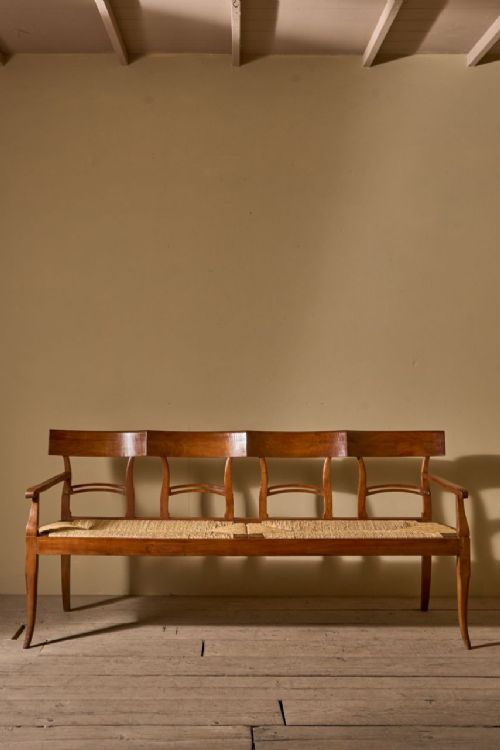
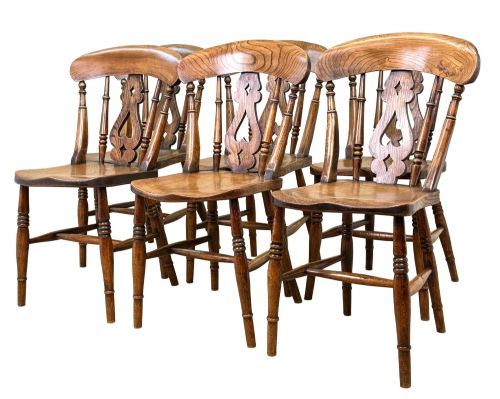
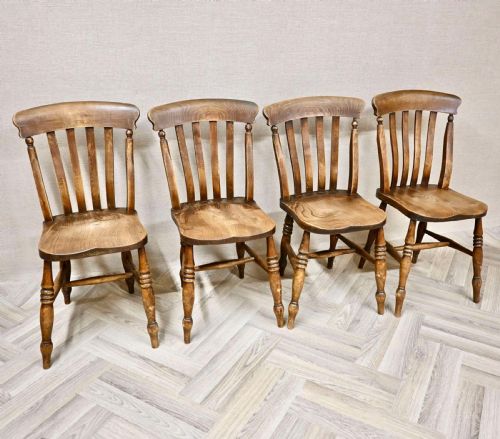
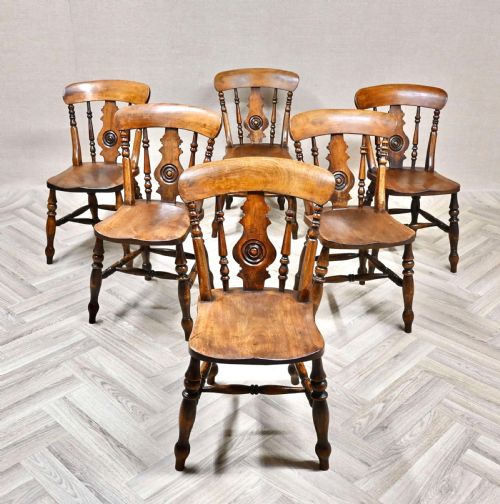
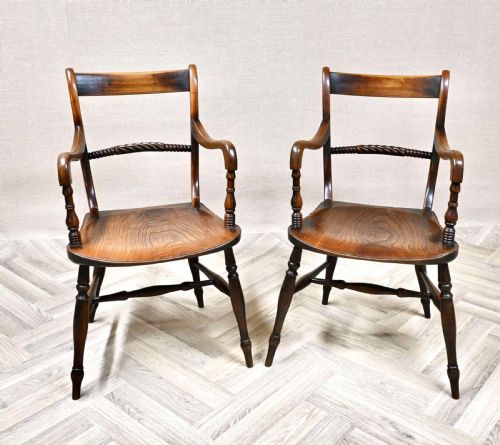
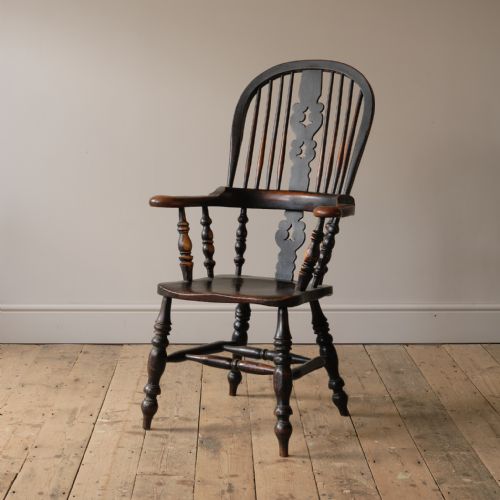
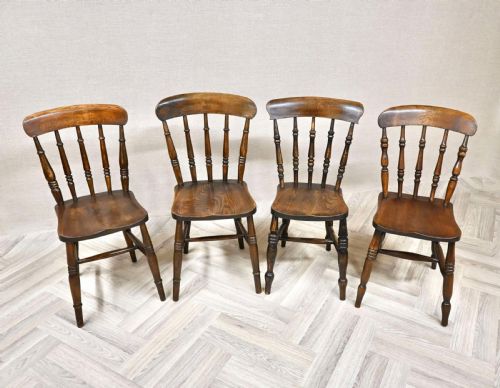
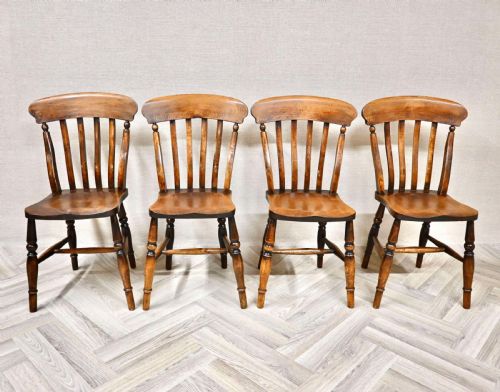
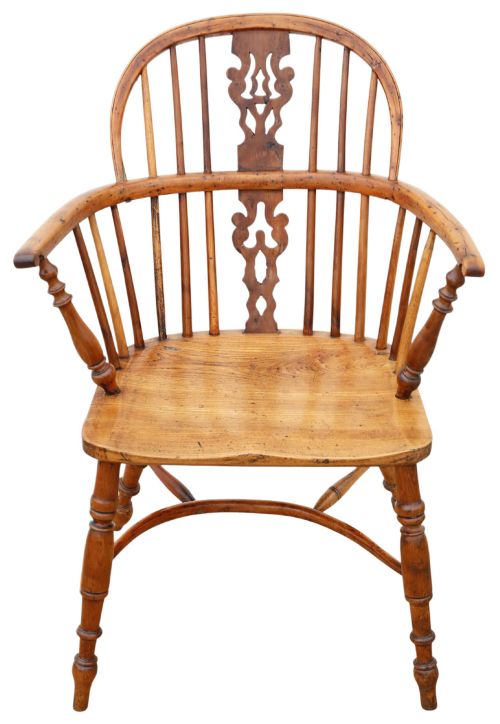
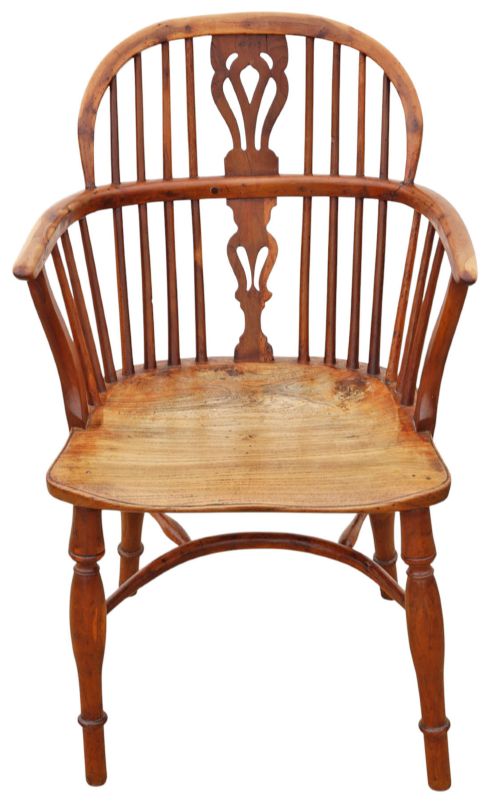
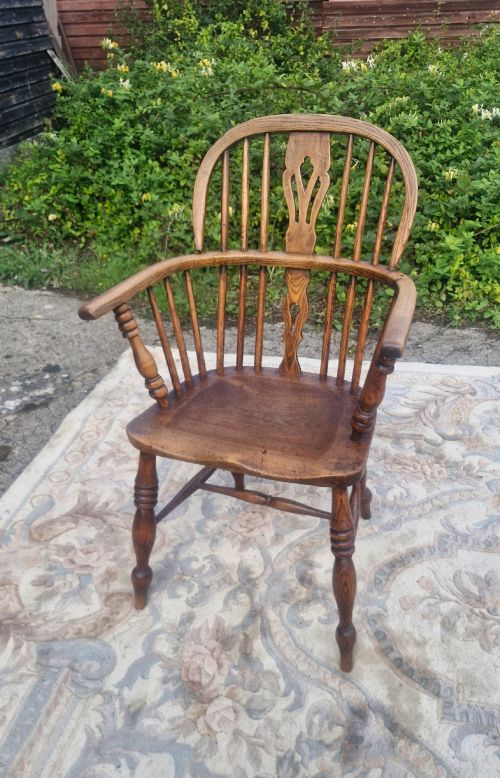
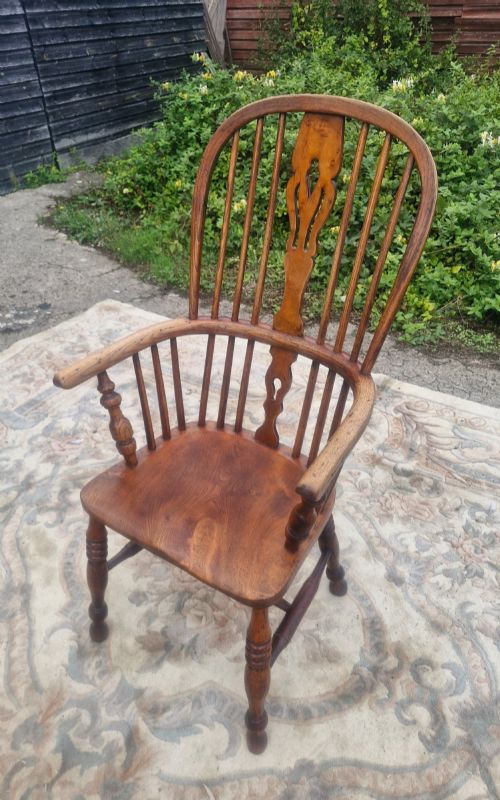
A wooden country chair encompasses robust domestic seating produced across the eighteenth and nineteenth centuries, spanning Georgian, Victorian, and Edwardian eras. Buyers encounter numerous regional variations, from low-back and high-back Windsor armchairs to lathback, stick-back, and wheel-back dining sets.
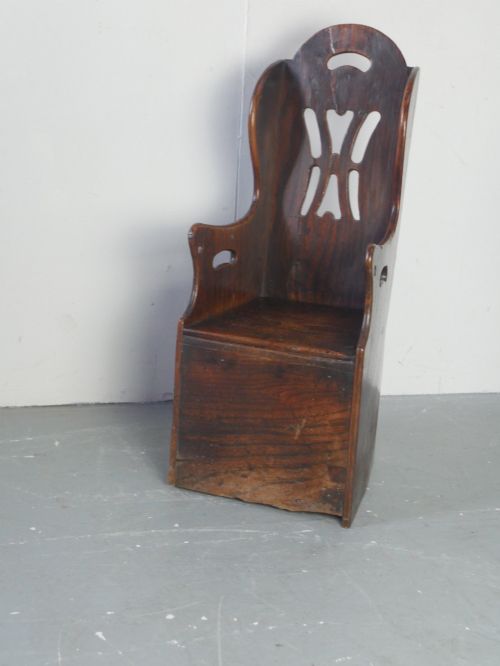
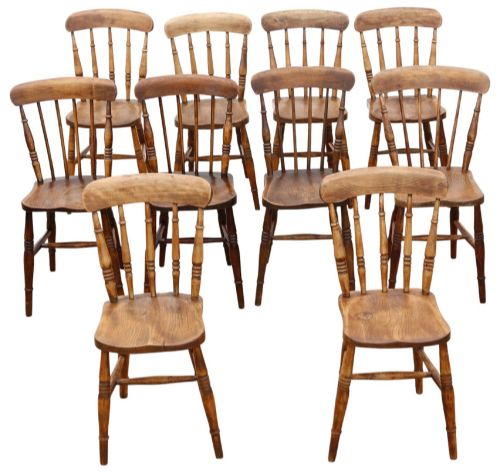
The selection ranges from single child chairs and carvers to harlequin dining sets of eight or ten pieces. Many examples originate from farmhouse kitchens and Thames Valley workshops, reflecting practical domestic seating needs.
Materials and construction
These seats rely on a combination of native timbers, predominantly elm for solid saddle seats, beech for turned legs and spindles, and ash or yew for bent bows and arms. Cabinet makers utilised traditional joined and bodged framing methods, inserting turned legs directly into thick wooden seats.
Makers shaped regional variations using steam-bent wood for chair backs and carved solid plank construction for seats. Original finishes, visible grain patterns, and structural pegged joints remain characteristic of these utilitarian objects.
Many antique Windsor chairs reveal the finger-scraped grooves of nineteenth-century bodgers who shaped the saddle seats entirely by eye.
Judging character and build
Superior examples distinguish themselves through the choice of timber combinations, such as highly figured yew and richly grained elm seats. The harmony of turned spindles, well-sculpted armbows, and balanced proportions mark the work of skilled regional makers.
Subtleties in turning detail, such as crisp crinoline stretchers and well-defined saddle seats, separate everyday kitchen utility seating from finer vernacular pieces. Retaining an untouched, original surface finish preserves the historical integrity of the piece.
The Wooden Country Chair Glossary
- Windsor chair
- A wooden chair built with a solid timber seat into which the legs and back spindles are separately inserted. The design relies on a heavy saddle-shaped seat for stability.
- Smoker's bow
- A low-backed Windsor armchair featuring a continuous curved armrail supported by turned spindles. These were commonly found in public houses and farmhouses.
- Lathback
- A chair back constructed with flat vertical wooden slats or laths riveted into a bentwood bow. This style provides sturdy support for kitchen and dining use.
- Carver
- An armchair designed to match a set of dining chairs, traditionally placed at the head of a table. They often feature generous elbow rests and robust proportions.
- Vernacular
- Objects designed by local craftsmen using traditional methods and native materials, prioritizing utility over high-style academic design.
Wooden Country Chair: Frequently Asked Questions
What is a Windsor chair?
A Windsor chair is a distinct form of seating where all the structural components, including the legs and back spindles, are secured directly into a solid wooden seat.
Craftsmen traditionally shaped these seats from a single thick slab of elm and utilised steam-bent ash for the arched upper backs.
How do I date a wooden country chair?
Dating relies on observing construction techniques, tool marks beneath the seat, and the wear patterns on the timber. Earlier eighteenth-century examples often display simpler turned elements and broader proportions.
Victorian and later nineteenth-century pieces frequently incorporate machine-turned components and standardised spindle profiles produced in larger regional workshops.
Are these chairs comfortable for daily use?
Many traditional country chairs were shaped with deep, sculpted saddle seats designed for prolonged sitting during long farmhouse meals.
The ergonomic rake of the spindle backs and supportive armbows make them practical and comfortable seating choices for modern dining rooms and studies.
What timber was used most often?
Elm served as the primary choice for solid chair seats because its interlocking grain resisted splitting when drilled and joined. Beech, ash, and yew provided the strength and flexibility needed for turned legs and curved back rails.