




Fruitwood Windsor Chair
These fruitwood windsor chair examples bring together country seating traditions and practical regional forms, offering tactile timber grain and robust vernacular construction.
Fruitwood Windsor Chair
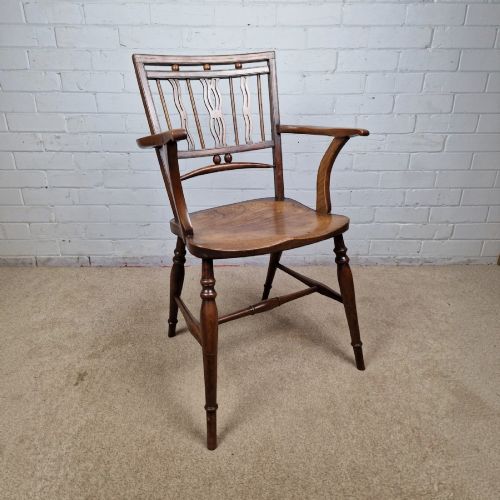
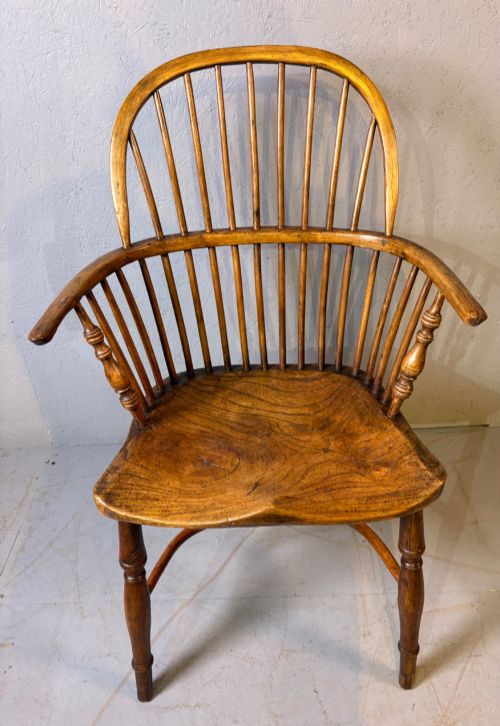
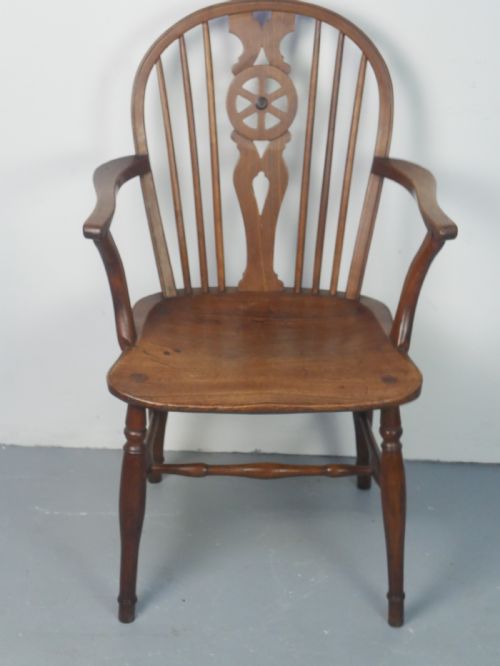
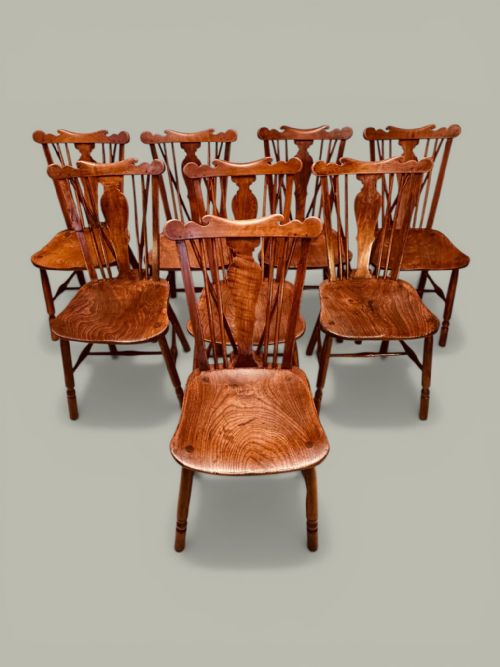
A fruitwood windsor chair is a traditional timber seat built with a solid saddle-shaped wooden seat into which the legs and back spindles are wedged directly. When searching for a fruitwood windsor chair, buyers encounter farmhouse armchairs, dining chairs, and low child variants created across English regional workshops.
The selections span the eighteenth century, the nineteenth century, and the regency period, displaying styles such as georgian, victorian country, and vernacular primitive. Armchairs and side chairs appear frequently, often combining fruitwood with elm, yew, or ash.
Regional variations shape these forms, including Mendlesham patterns, Thames Valley designs, and comb-back or hoop-back configurations. These structural types reflect the local timber supplies and woodworking methods of rural makers.
What varies in quality
Quality rests upon the sculptural confidence of the arm bow and the anatomical shaping of the solid seat. Chairs featuring generous proportions, balanced spindle spacing, and retained surface warmth command greater appreciation among collectors.
The integrity of the timber joints and the selection of figured wood across the arms and legs dictate the distinction between standard utilitarian seating and exceptional regional craftsmanship.
Some chairs retain diminutive proportions specifically scaled for nineteenth-century farmhouse nurseries.
Godfrey Workshop
The Fruitwood Windsor Chair Glossary
- Comb back
- A Windsor chair back design featuring a low curved headboard supported by upright spindles, resembling the teeth of a dressing comb. This form provides a comfortable upper rail for the sitter.
- Hoop back
- A continuous bentwood bow forming the arms and upper back of the chair in a single flowing line. This technique requires skilled steam bending of timber.
- Broad arm
- An armchair featuring widened, flat wooden armrests designed for writing or resting hands. These expansive arms are typical of specific regional production centres.
- Crinoline stretcher
- An arched undercarriage stretcher connecting the legs of a Windsor chair in a curved loop shape. It adds lateral stability to the turned leg assembly.
- Lobster pot
- A regional vernacular chair back style with converging vertical spindles that taper inward toward the crest rail. The silhouette resembles the traditional wicker fishing trap.
Fruitwood Windsor Chair: Frequently Asked Questions
What is a fruitwood windsor chair?
A fruitwood windsor chair is a traditional British timber seat constructed with an integrated wooden saddle seat and fitted spindles. These pieces rely on pegged and wedged joinery rather than a frame structure.
Craftsmen built them in regional workshops across England, selecting native timbers for their local availability and strength. The resulting chairs served everyday domestic and agricultural functions in farmhouses and cottages.
How do I date an antique windsor?
Dating relies on observing structural characteristics, timber combinations, and tool marks left by the maker. Earlier eighteenth-century examples often feature robust proportions and distinct regional turning styles.
Nineteenth-century iterations introduce alternative back configurations and refined undercarriages. Comparing the wear patterns and wood shrinkage helps establish the age of the piece.
How should I care for fruitwood?
Care involves maintaining stable environmental humidity and applying occasional natural wax to nourish the timber surface. Direct sunlight and sudden temperature changes can cause the wood to dry out and split.
Gentle cleaning with a soft, dry cloth preserves the historic patina and accumulated character of the antique finish. Avoid harsh chemical cleaners or excessive moisture.