
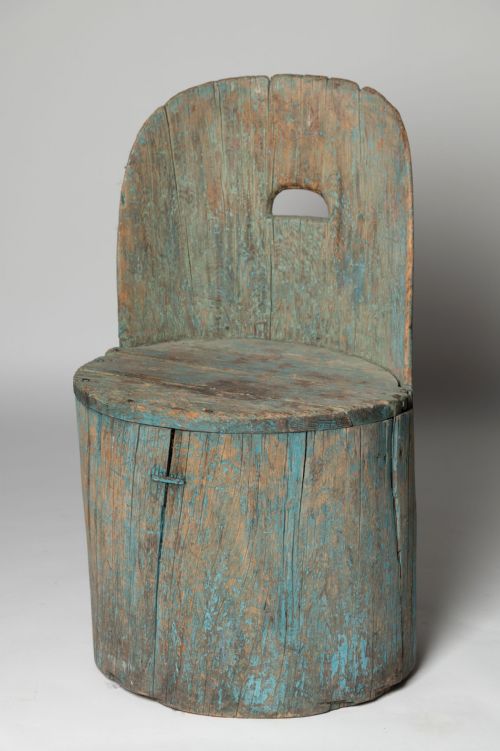
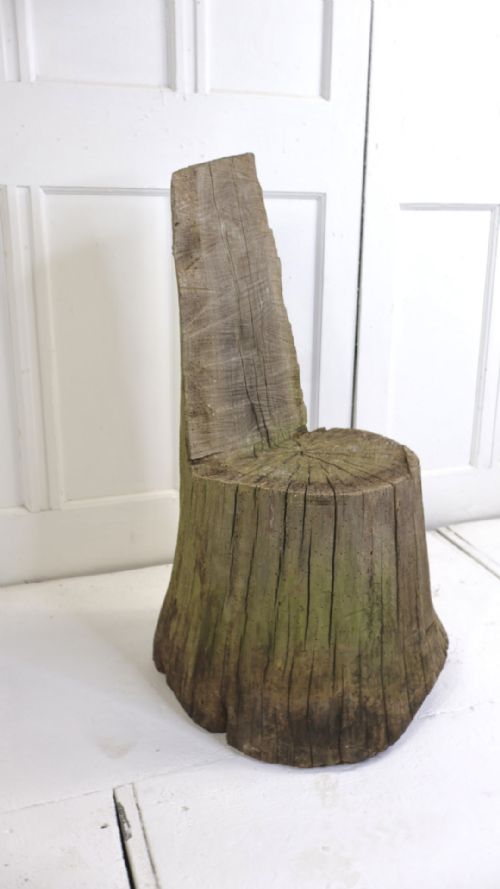


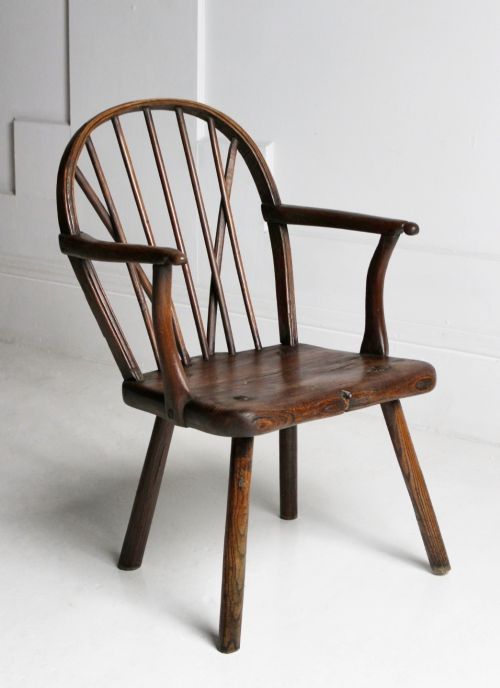


Primitive Wooden Chair
A primitive wooden chair offers honest utility and direct country craftsmanship, shaped by local makers for daily rural life.
Primitive Wooden Chair
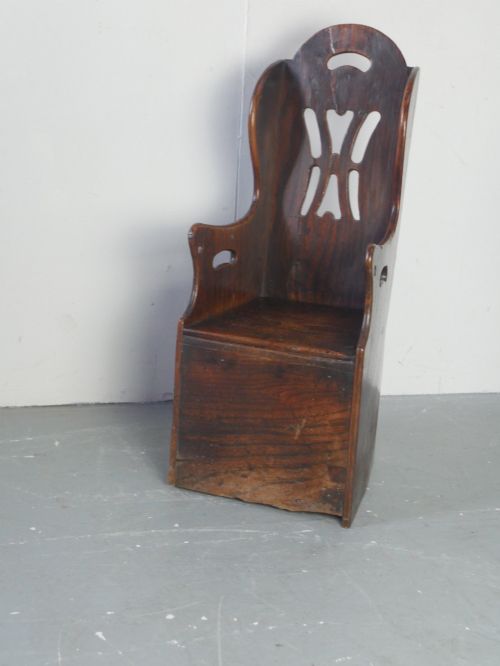
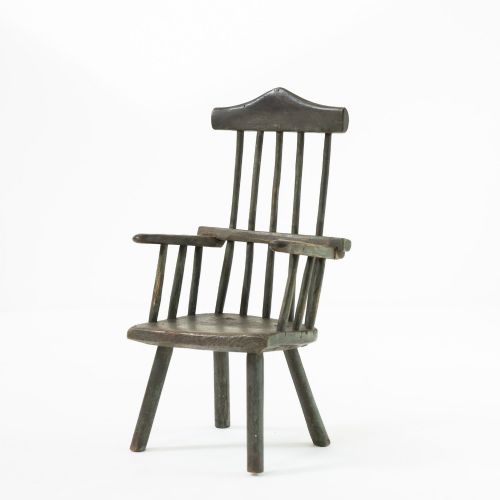
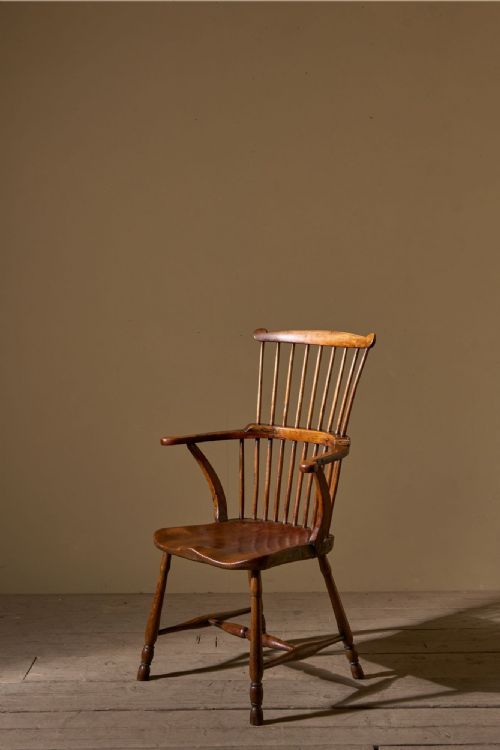
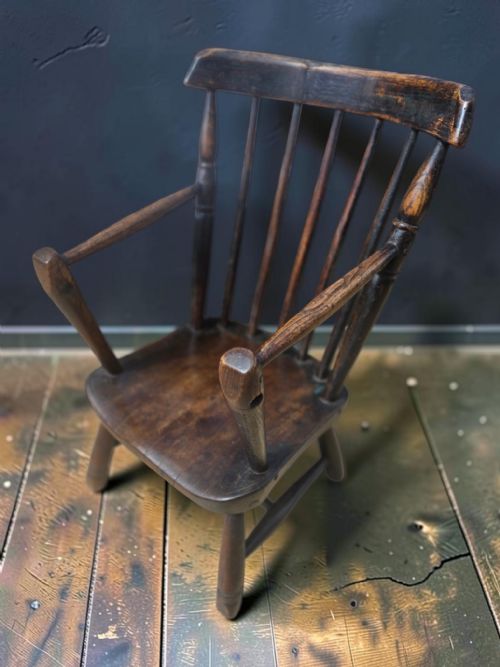
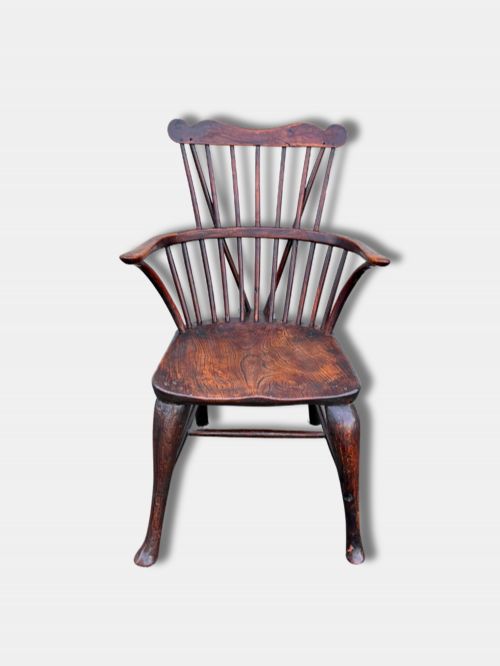
A primitive wooden chair encompasses utilitarian seating made outside major urban workshops, drawing on regional vernacular traditions across the eighteenth and nineteenth centuries. Buyers encounter comb-backs, stick-backs, Windsor forms, and solid dugout seats rooted in English, Welsh, Scandinavian, and American country environments.
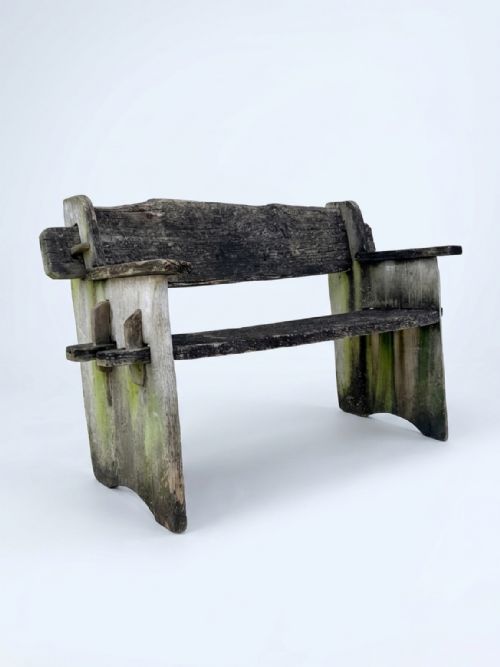
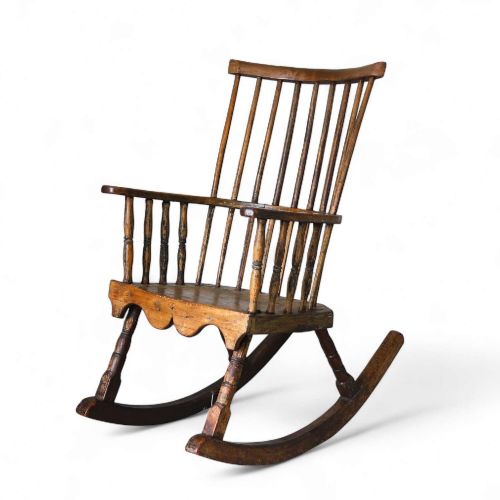
The selection frequently includes children's chairs, armchairs, rocking chairs, and benches shaped from local timber. These pieces range from Georgian examples down to Edwardian garden seating and rustic stools.
Regional variations define the inventory, from Welsh stick chairs originating in Carmarthenshire and Swansea to Thames Valley Windsors. Each piece reflects the specific wood available in its immediate locality rather than a standardised pattern book.
Materials and Construction
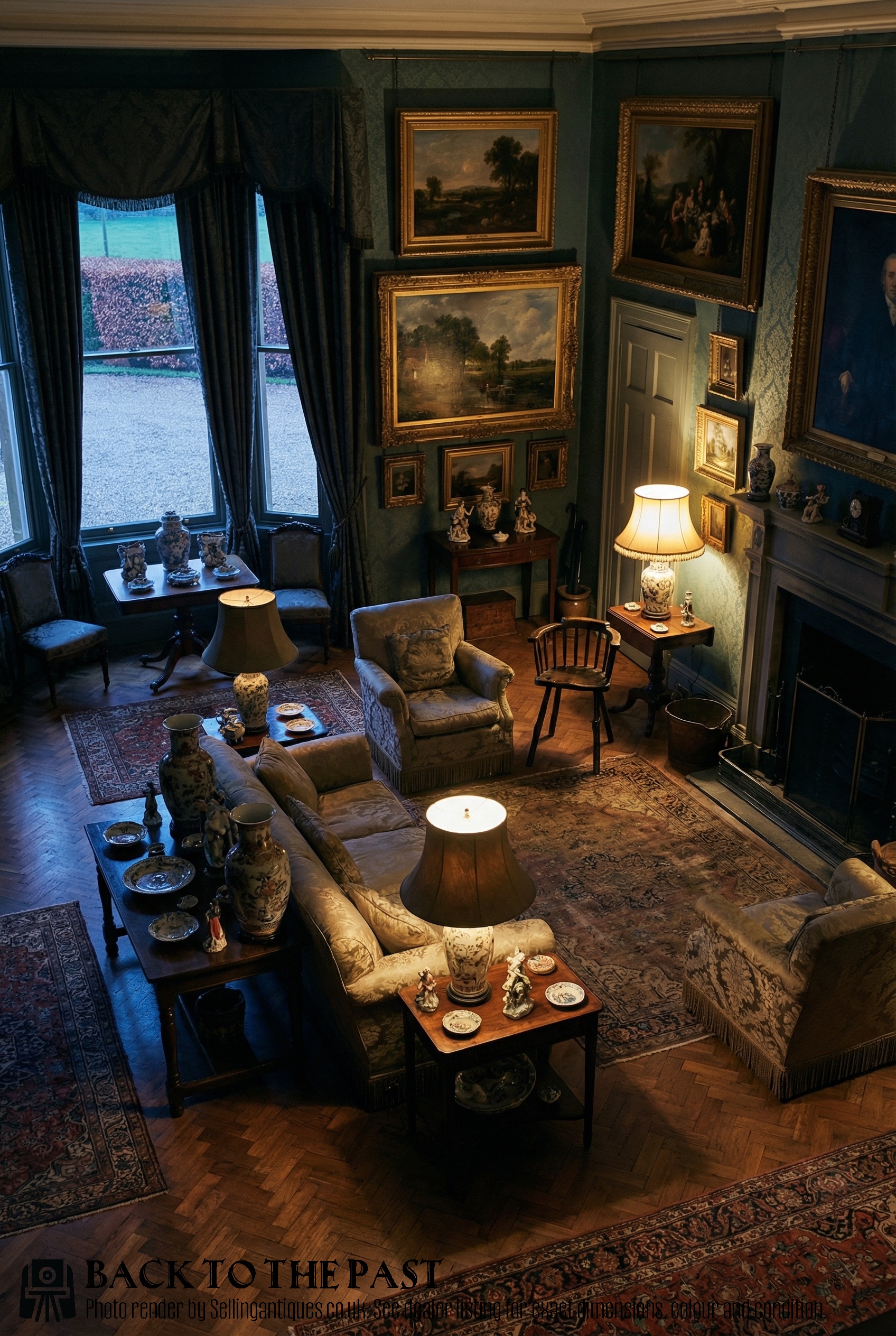
Construction relies on contrasting timbers selected for specific structural demands, most commonly combining elm seats with ash spindles, yew, or fruitwood. Makers utilised local hardwoods and softwoods including pine, oak, and sycamore, often finished with historic paint or left as bare timber.
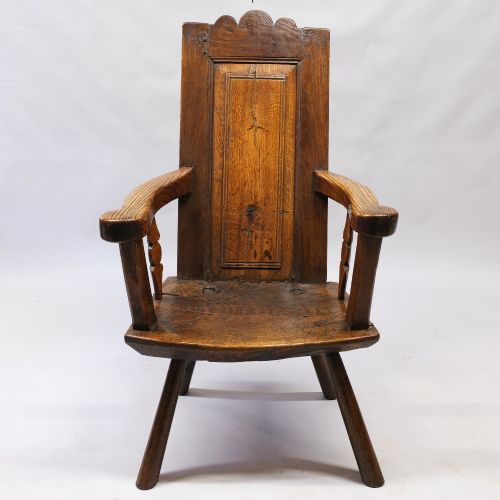
Dugout chairs are hewn directly from single logs, whilst Windsor and stick-back variants utilise turned components and steam-bent members wedged into heavy plank seats. Joinery is direct and functional, depending on wedges, through-tenons, and natural joints.
Natural forms and burr timber appear in specific pieces, showing how makers worked around the natural contours of the tree. Tool marks and adze work remain visible on the seat surfaces, recording the hand methods of country joiners.
Primitive Wooden Chair Retail Price Guide 2026
Typical asking prices for primitive wooden chair among the pieces listed under this phrase on Sellingantiques today, from the lower quarter to the upper quarter. They describe what is for sale here now, not the wider market.
Listings feature eighteenth and nineteenth-century pieces alongside Edwardian examples, built from elm, ash, yew, oak, and pine.
Judging Quality
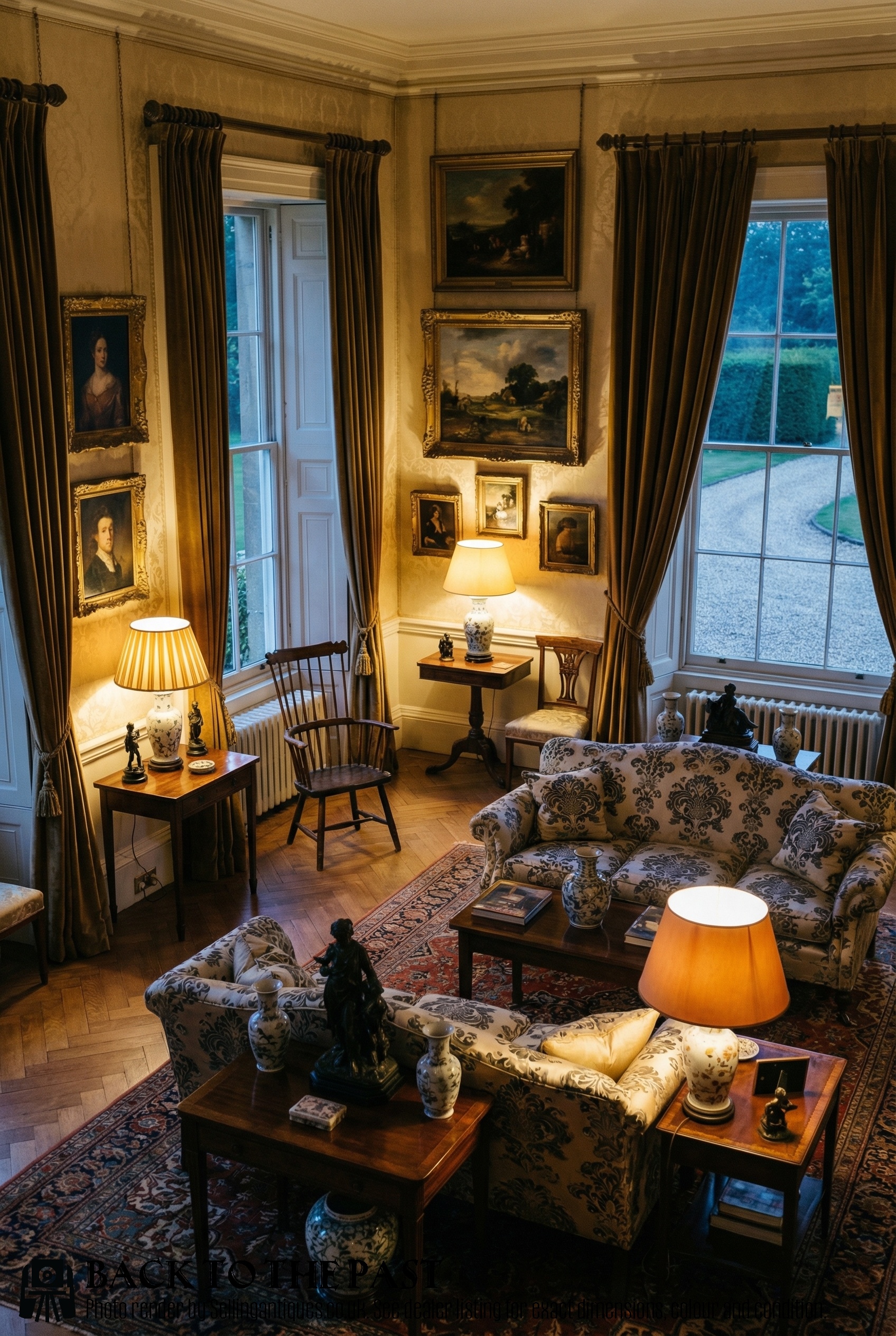
Quality rests on the harmony of proportions and the boldness of the sculptural form rather than factory precision. The best examples display confident rake to the legs, expressive comb-backs, and pleasing tension between curved spindles and thick plank seats.
Material selection separates standard country furniture from superior work, particularly pieces combining yew, burr elm, or multiple fruitwoods in a single Windsor framework. The integrity of the original construction and the survival of untouched surfaces dictate the standing of a piece.
The Primitive Wooden Chair Glossary
- Comb-back
- A chair back where the vertical spindles extend through a horizontal arm bow to form an upper headrest resembling a comb. This construction provides robust support in regional Windsor and stick-back chairs.
- Dugout chair
- A primitive seat hewn entirely from a single solid tree trunk or log. This heavy form represents some of the oldest surviving vernacular seating traditions.
- Stick back
- A chair design where turned or cleft wooden spindles are tenoned directly into a solid wooden seat. These chairs dispense with elaborate framework in favour of direct structural simplicity.
- Vernacular furniture
- Domestic objects made by local country joiners and wheelwrights without reference to metropolitan academic styles. These pieces prioritise regional utility and available local materials.
- Windsor chair
- A seat built upon a heavy solid plank seat into which the legs and back spindles are independently inserted. The form evolved distinct regional variations across Britain and America.
Primitive Wooden Chair: Frequently Asked Questions
What is a primitive wooden chair?
A primitive wooden chair is an unpretentious piece of country seating made by local artisans for everyday use. These items were produced outside fashionable urban centres using whatever regional timber came to hand.
They include stick-backs, Windsors, and dugout forms that prioritise solid construction and functional design over academic ornamentation.
How do I date an old wooden chair?
Dating relies on examining tool marks, construction methods, and timber species alongside the specific regional style. Eighteenth-century examples often feature heavier elm seats and complex comb-backs, while nineteenth-century versions show variations in turning and assembly.
Changes in patination and wear patterns also help establish the age of the timber and the period of manufacture.
Where were these chairs made?
These chairs originated in rural workshops, farmsteads, and country villages across Britain, Scandinavia, and America. Specific regions developed distinct local patterns, such as the stick chairs of Welsh valleys or the Windsor variations of the Thames Valley.
Local wheelwrights and jobbing carpenters built them for local domestic and agricultural requirements.
How should I care for primitive wood?
Keep wooden chairs away from direct heat sources and sudden humidity changes to prevent the timber from splitting or warping. Dust them gently with a dry cloth and occasionally feed dry surfaces with traditional wax.
Avoid harsh chemical cleaners that strip the historic patination and the subtle traces of original paint.