




18th Century Close Stool
An 18th century close stool is a discreet piece of period sanitation, prized by collectors today as a versatile wooden box or small bedside cabinet.
18th Century Close Stool
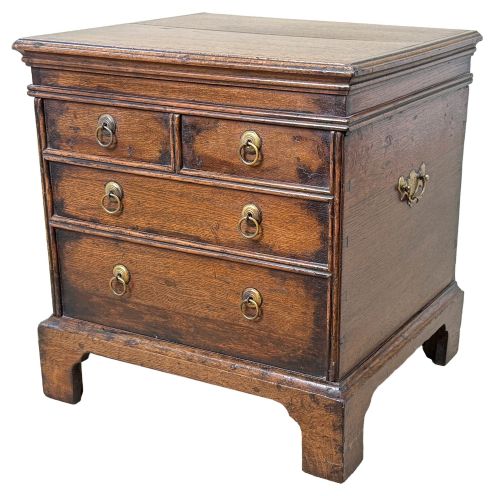
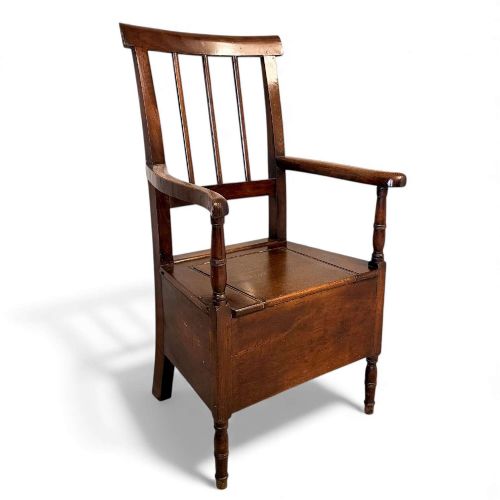
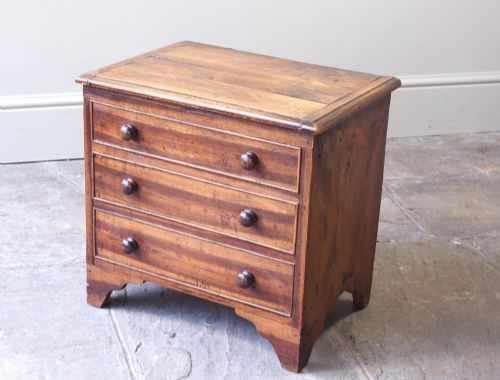
An 18th century close stool is a functional item disguised as domestic furniture, taking the form of a small bedside chest, a commode armchair, or a simple box seat. These pieces span the 1700 period and the Georgian era, serving as essential bedroom and dressing room fittings before modern plumbing.
The versions most frequently met on this page are constructed in oak, walnut, elm, and plumwood, often mirroring the style of small chests of drawers or sturdy armchairs. They range from primitive vernacular forms to polished Early Georgian cabinetwork, preserving the domestic routines of the past.
Makers designed these objects to keep chamber pots concealed within lidded wooden frames, sometimes featuring hinged tops or cupboard doors that open to reveal the interior compartment. Collectors encounter them grouped alongside related commodes and bedside cabinets from the same centuries.
How they were made
Joiners and cabinetmakers built these items using native timbers such as oak, elm, walnut, plumwood, fruitwood, and pine, selecting sturdy hardwoods for structural durability. Boards were joined with traditional methods to withstand daily domestic use.
Metal components played a practical role, with brass and iron used for hinges, handles, and internal fittings that secured the lids and doors. These hardware elements complemented the timber grain, whether finished as a primitive vernacular box or an Early Georgian armchair.
18th Century Close Stool Retail Price Guide 2026
Typical asking prices for 18th century close stool among the pieces listed under this phrase on Sellingantiques today, from the lower quarter to the upper quarter. They describe what is for sale here now, not the wider market.
Listings demonstrate that oak forms the vast majority of these pieces, alongside walnut, elm, plumwood, fruitwood, pine, iron, and brass.
What varies in quality
The distinction between a top-tier piece and a simpler example rests on the choice of timber and the ambition of the form. Finely figured walnut and plumwood cabinetwork sits at a different level from utilitarian pine or basic oak boxes.
Design complexity also separates the range, distinguishing sophisticated bedside chests with fitted drawers from straightforward primitive vernacular armchairs. The skill of the joiner in shaping the timber and concealing the interior purpose defines the standing of each piece.
The 18th Century Close Stool Glossary
- Close stool
- A portable indoor seat concealing a chamber pot or pan, designed to resemble a standard chest or armchair. It represents a primary form of domestic sanitation before plumbed bathrooms.
- Commode chair
- An armchair fitted with a boxed seat and a concealed interior chamber for sanitary use. These pieces often feature solid wooden arms and panelled skirts.
- Vernacular
- Furniture made by local tradesmen using regional traditions and readily available native timbers rather than following metropolitan London fashions. These objects display straightforward construction methods.
- Fruitwood
- A collective term for timber sourced from fruit-bearing trees such as plumwood, valued by period cabinetmakers for its dense grain and warm tone. It was frequently utilised for smaller items and decorative details.
18th Century Close Stool: Frequently Asked Questions
What is an 18th century close stool?
An 18th century close stool is a piece of furniture designed to conceal a chamber pot inside a wooden cabinet, box, or armchair. These items were kept in bedrooms and dressing rooms before the advent of indoor plumbing.
They allowed individuals to tend to personal needs in privacy without leaving the room. Cabinetmakers constructed them to match the prevailing domestic styles of the Georgian era.
How were these stools used?
These pieces served as private sanitary seats, fitted with a removable interior pan or pot accessed by lifting a hinged lid or opening front doors. Servants emptied and cleaned the inner vessels daily.
Outside of their primary function, their enclosed box design meant they could double as occasional seating or small bedside tables when not in active use.
How do I live with an antique close stool?
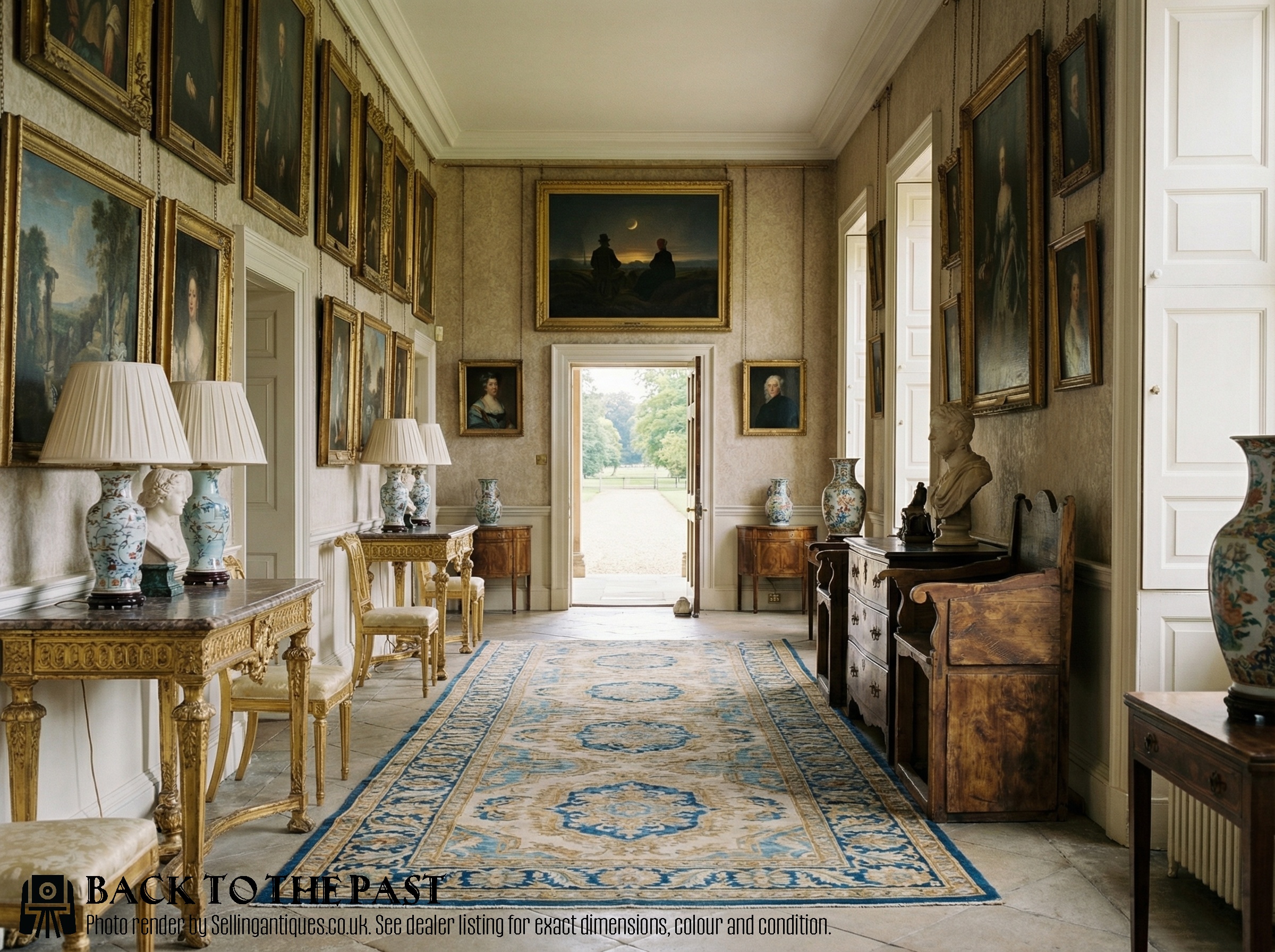
Collectors today use these pieces as bedside cabinets, lamp tables, or hallway storage chests by simply removing any internal modern liners and utilising the top surface. Their enclosed compartments make them useful for hiding clutter.
They blend easily with other Georgian furniture, adding historical texture and practical surface space to a modern bedroom or living room.
How can I tell the timber types apart?
Oak and elm display prominent grain patterns and robust structures, with oak showing distinctive medullary rays and elm offering a tougher, interlocking texture. Walnut and plumwood present smoother surfaces with richer, darker colour variations.
Pine appears in simpler, more utilitarian pieces, while fruitwood selections exhibit tighter growth rings and warmer reddish or golden tones.