

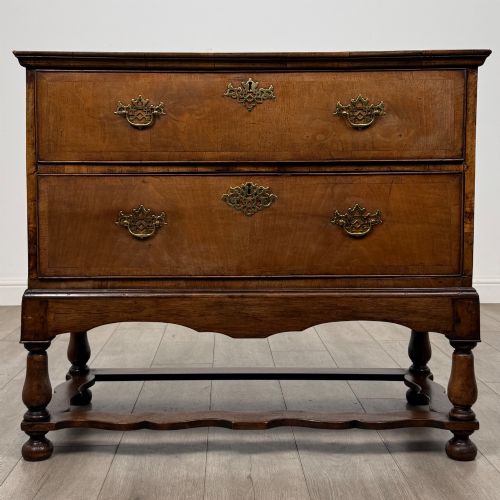
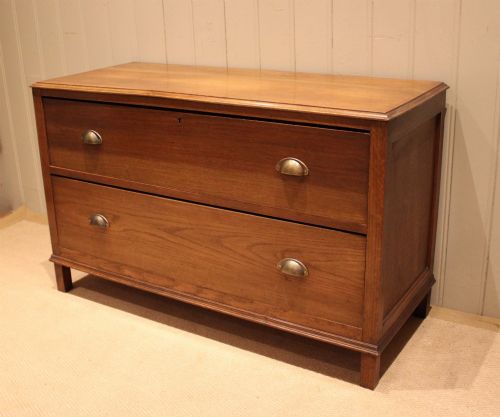
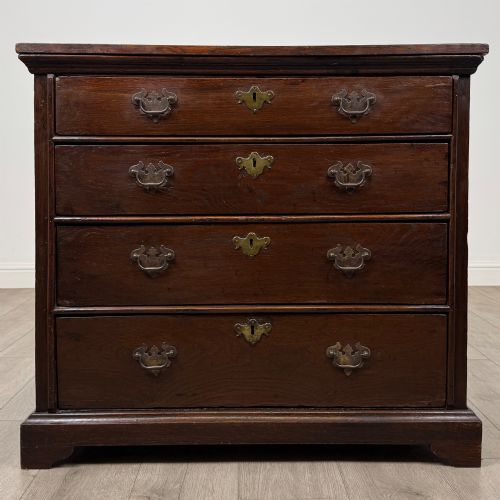
Oak Commode Chest
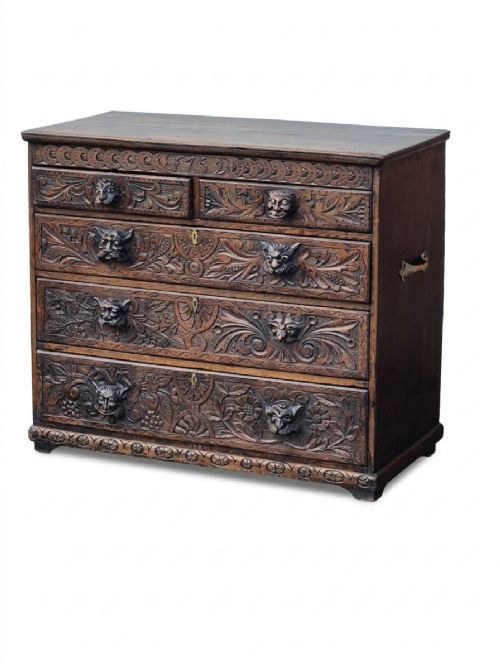
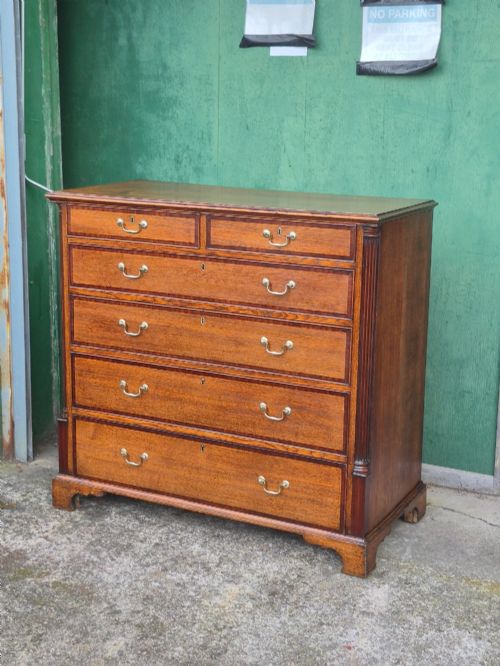
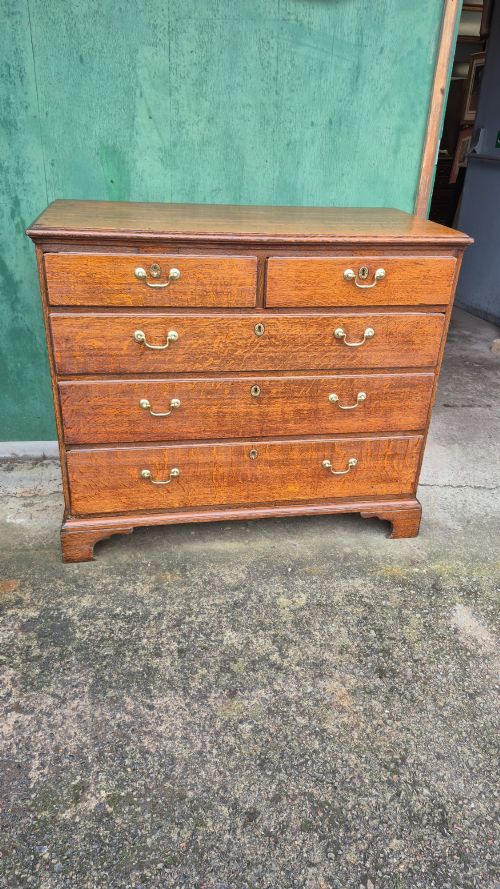
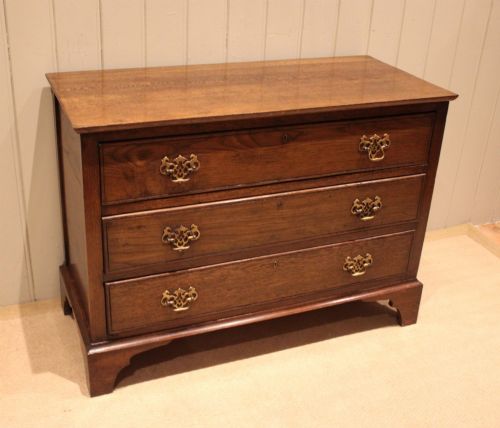
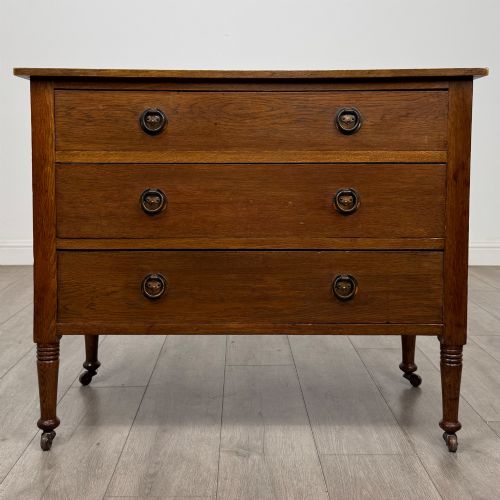
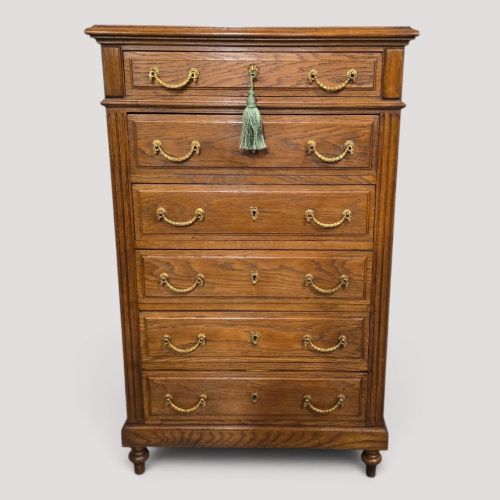
An oak commode chest brings sturdy timbers and deep drawers into a room, offering practical storage disguised in period craft.
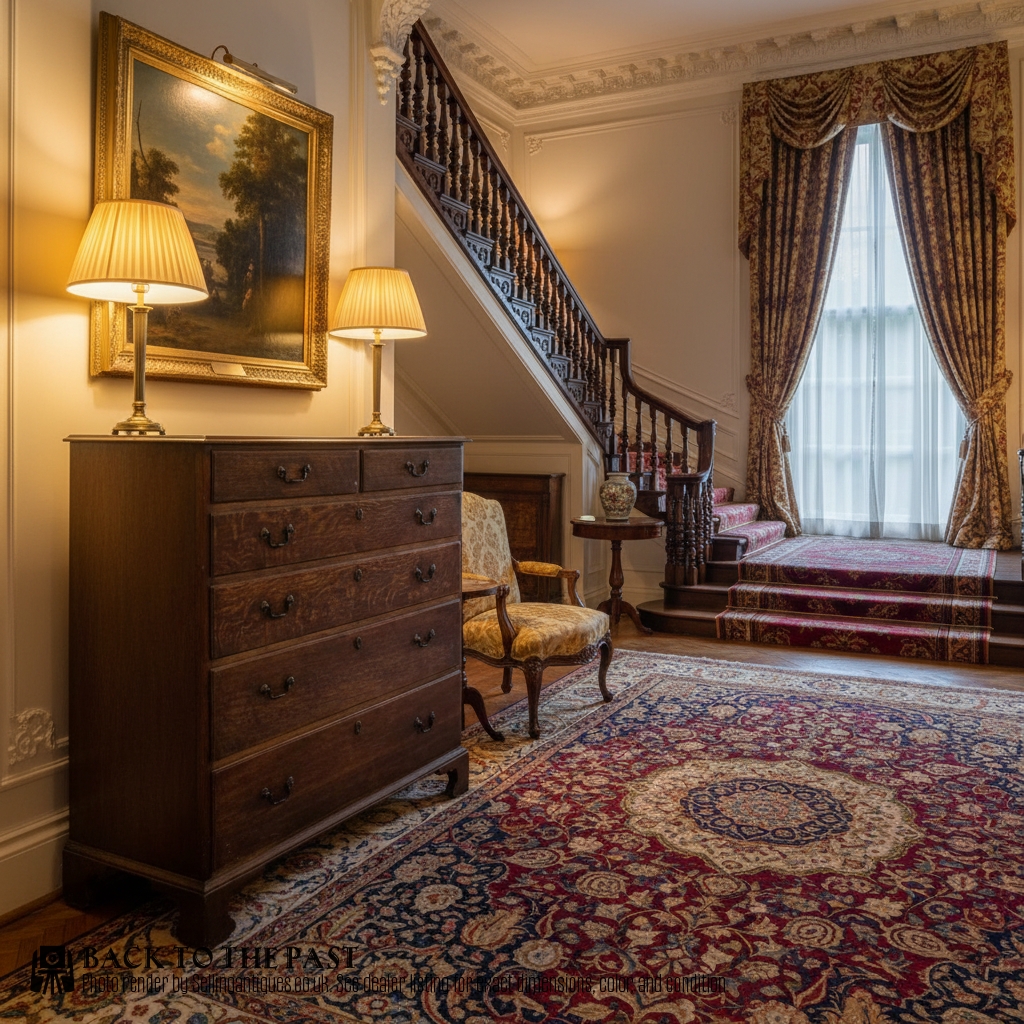
Oak Commode Chest
When searching for an oak commode chest, buyers encounter a robust variety of forms, from seventeenth-century English geometric designs to eighteenth-century French commodes and later Edwardian interpretations. These pieces function primarily as chests of drawers, close stools, and box stools, blending everyday utility with substantial timber construction.
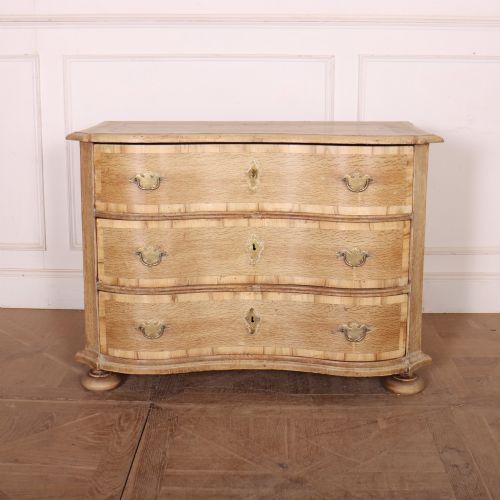
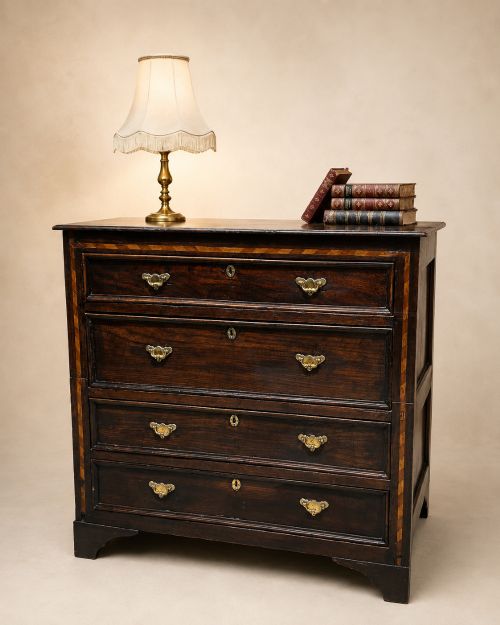
The English examples lean towards early joinery, featuring geometric mouldings and Charles II styling, while continental pieces often adopt French Provincial or Louis XVI aesthetics. Walnut and mahogany accents frequently appear alongside the primary oak, providing contrast through crossbanding and fruitwood inlay.
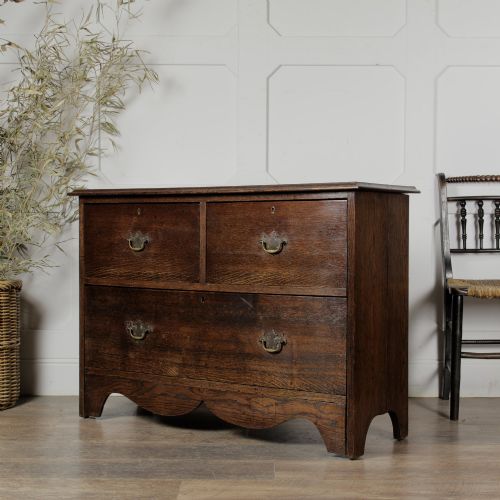
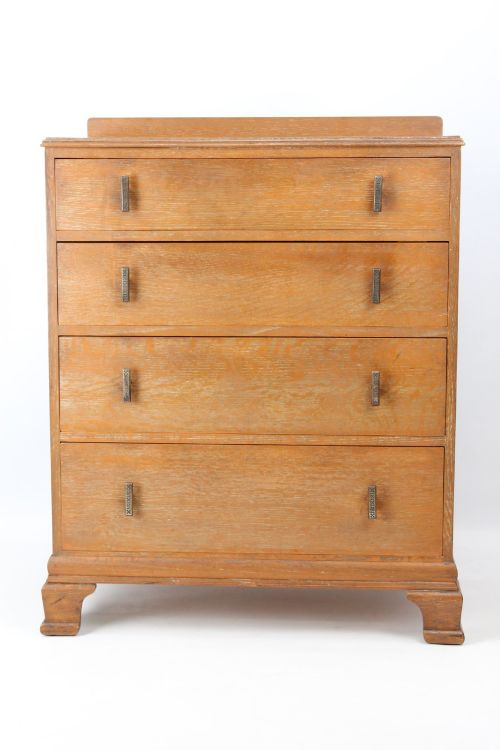
Early periods bring dark, patinated timbers and carved facades, whereas later nineteenth- and twentieth-century items introduce bleached finishes, low proportions, and occasional marble tops. The selection spans centuries of regional cabinet-making traditions, each adapting the basic chest form to local tastes.
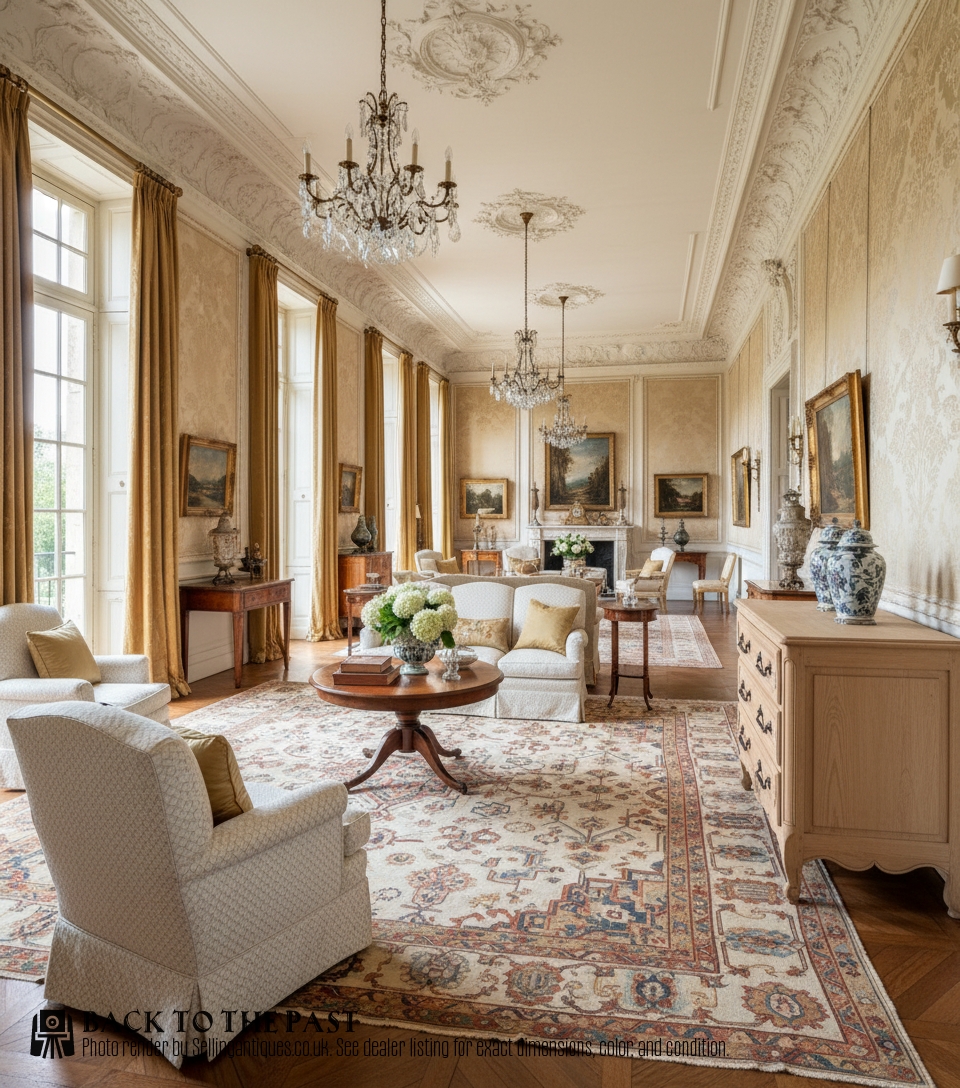
Materials and construction methods
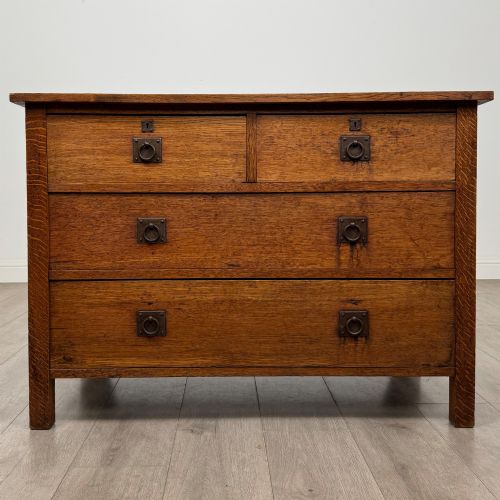
Makers built these pieces primarily using solid oak, frequently augmented with fruitwood inlay, walnut veneers, and mahogany crossbanding to enrich the surface texture. Iron and brass hardware, including decorative drop handles and hinges, secured the doors and drawer fronts while adding functional contrast to the timber.
Cabinet-makers employed traditional joinery techniques, visible in the geometric mouldings of seventeenth-century pieces and the precise panel construction of French provincial commodes. Surfaces received various finishes, ranging from natural scrubbed oak and dark wax polish to bleached treatments and painted layers.
Oak Commode Chest Retail Price Guide 2026
Typical asking prices for oak commode chest among the pieces listed under this phrase on Sellingantiques today, from the lower quarter to the upper quarter. They describe what is for sale here now, not the wider market.
Some seventeenth-century drawers hide secret compartments behind sliding panels, designed to guard household currency and secret letters.
Distinguishing quality in period chests
Quality rests in the crispness of the carving, the integrity of the timber selection, and the restraint applied to decorative elements like crossbanding and inlay. Pieces featuring well-figured grain, original brass hardware, and precise geometric mouldings stand apart from simpler utilitarian boxes.
Construction details dictate longevity, separating heavy provincial workshop builds from refined urban cabinet-making. The harmony of proportions - particularly in low forms and serpentine fronts - governs the visual success of the piece.
The Oak Commode Chest Glossary
- Commode chest
- A low chest of drawers, often continental in origin, combining deep storage with decorative surface styling. These pieces frequently feature serpentine fronts or marble tops.
- Geometric moulding
- Raised wooden profiling applied to drawer fronts in repeating symmetrical patterns. This technique typifies seventeenth-century English joinery.
- Crossbanding
- A narrow strip of veneer laid around the border of a drawer front or top with the grain running perpendicular to the main panel. It creates a neat framing effect using contrasting timbers like mahogany or walnut.
- Close stool
- An early form of enclosed box stool designed to contain a chamber pot, predating modern plumbing. They often mimic standard cabinet forms.
- Serpentine
- A front profile shaped with a central convex curve flanked by concave sweeps. This styling requires skilled woodworking and appears on select eighteenth-century examples.
Oak Commode Chest: Frequently Asked Questions
How do I date an oak commode?
Dating relies on observing construction methods, hardware types, and stylistic indicators such as geometric mouldings or carved panels. Seventeenth-century pieces typically show hand-split timber and pegged joinery.
Later eighteenth- and nineteenth-century examples introduce machine-sawn elements, standardised fixings, and continental influences like marble tops. Comparing the timber patina and secondary woods helps confirm the era of manufacture.
Were these used as bedroom furniture?
These pieces served multiple domestic roles depending on their specific form, functioning as bedroom storage for linens and garments or as utility items in dressing rooms.
Close stools and box stools fulfilled sanitary duties in private quarters, while grander commodes stood in reception rooms to display ornaments. Their sturdy construction allowed them to move between different domestic spaces over centuries of use.
How do I care for antique oak?
Maintaining antique oak involves keeping the timber away from direct heat sources and sudden humidity shifts to prevent splitting. Regular applications of appropriate wax nourish the grain and preserve the historic finish.
Avoid using modern liquid polishes or silicone sprays, which can penetrate open pores and degrade the patination. Gentle dusting with a dry cloth remains the best daily maintenance.
What is the difference between English and French examples?
English pieces generally emphasise structural solidity, visible grain, and linear geometric decoration from the seventeenth and eighteenth centuries. They frequently appear as upright chests with straightforward rectangular proportions.
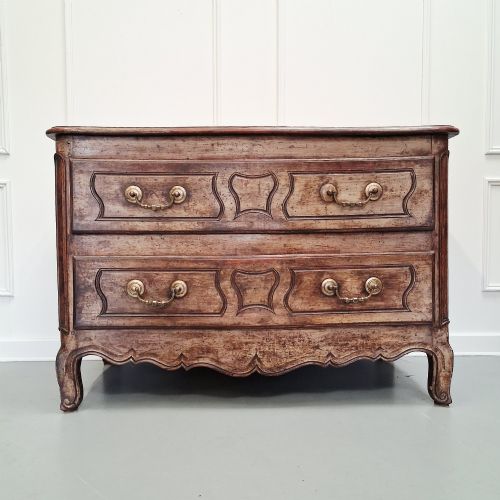
French commodes often present softer contours, including serpentine fronts, painted surfaces, and imported marble tops. These continental variants tend to prioritize decorative display alongside practical storage.