




Georgian Close Stool
A georgian close stool is a discreet piece of period furniture designed to house a chamber pot, offering practical function alongside robust eighteenth-century craftsmanship.
Georgian Close Stool
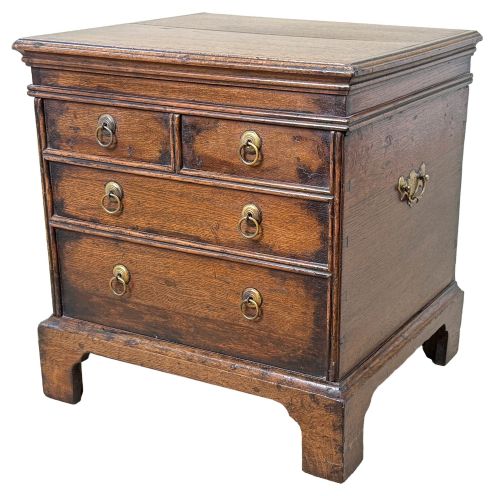
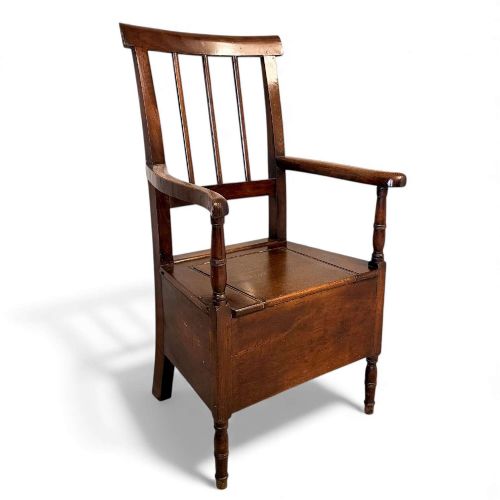
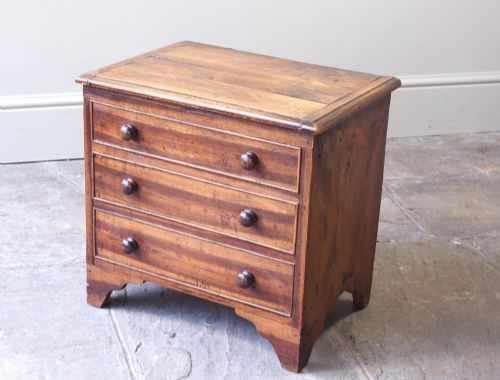
When you search for a georgian close stool, you encounter eighteenth-century oak, elm, walnut, and pine pieces designed as small bedside chests, armchairs, or enclosed boxes. These utilitarian objects disguised domestic sanitary arrangements behind panelled cabinet doors or lift-up seats.
The versions most commonly met on this page take the form of compact bedside chests or commode armchairs originating from the Georgian period. Makers constructed them from sturdy local timbers to withstand daily domestic service in bedchambers.
Makers often fashioned these items to resemble standard seating or modest chests of drawers rather than revealing their internal purpose. Surviving examples demonstrate how Georgian households integrated essential personal hygiene into finely carpentered furniture.
How they were made
Carpenters relied upon durable native hardwoods like oak, elm, walnut, and plumwood, joining panels with traditional pegged construction to endure heavy daily use. Secondary timbers such as pine appeared in internal framing and hidden box structures.
Metalwork played a functional role, utilising brass handles, hinges, and iron fastenings to secure cabinet doors and lift-up lids. Cabinetmakers shaped these functional items with the same attention to timber grain and edge moulding applied to visible living room furniture.
Georgian Close Stool Retail Price Guide 2026
Typical asking prices for georgian close stool among the pieces listed under this phrase on Sellingantiques today, from the lower quarter to the upper quarter. They describe what is for sale here now, not the wider market.
Listings feature eighteenth-century oak, elm, walnut, plumwood, fruitwood, iron, and pine across forms including armchairs, bedside cabinets, and commodes.
What varies in quality
The distinction between standard utility items and finer examples rests upon the selection of timber and the sophistication of the cabinetwork. Figures in walnut, plumwood, or well-figured oak elevate a piece above utilitarian pine or plain elm constructions.
Proportion and the cleverness of the disguise also separate ordinary specimens from superior ones, particularly when a commode chair closely mimics a conventional armchair or a bedside chest conceals its interior box without clumsy alterations.
The Georgian Close Stool Glossary
- Close stool
- A portable wooden seat or cabinet enclosing a chamber pot, used before indoor plumbing became common. This form hid personal sanitation equipment inside panelled cabinetry.
- Commode chair
- An armchair fitted with a solid seat that lifts to reveal a hidden cavity for a vessel. Such seats combined seating comfort with concealed domestic utility.
- Vernacular
- Furniture made by local country artisans using regional timbers and traditional methods rather than following urban stylistic trends. These pieces reflect practical domestic needs.
- Pegged construction
- A method of joining wooden components using tight-fitting wooden pins rather than modern metal screws. This technique characterises eighteenth-century cabinetwork.
Georgian Close Stool: Frequently Asked Questions
What is a close stool?
A close stool is an eighteenth-century piece of furniture designed to conceal a chamber pot beneath a hinged seat or inside a small cabinet.
These items allowed people to manage personal sanitation within a bedchamber before plumbed bathrooms existed.
How were they used?
Owners used them as standard chairs or bedside tables during the day and lifted the top or opened the front doors when necessary.
Servants would empty and clean the internal ceramic or metal vessels regularly as part of household chores.
How do I date these pieces?
Dating relies upon examining the timber species, construction methods, joinery marks, and hardware styles typical of the eighteenth century.
Plain pegged joints and native woods like oak, elm, and walnut point firmly towards the Georgian era.
Where should I place one?
They fit well in a bedroom, hallway, or bathroom as decorative side tables, small chests, or accent chairs.
The enclosed internal space now serves well for discreet storage of household items.