

18th Century Commode Chest
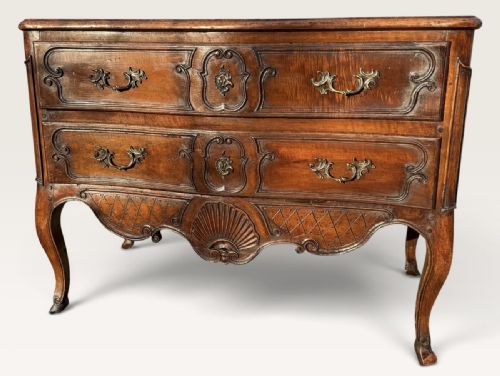
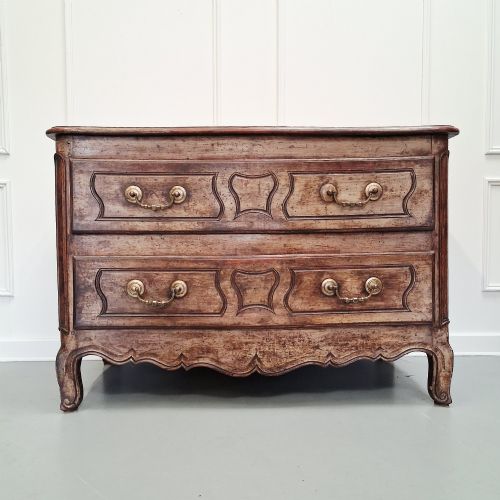
An 18th century commode chest brings monumental cabinetwork into a room, offering generous storage alongside sculptural serpentine or bombe contours.
18th Century Commode Chest
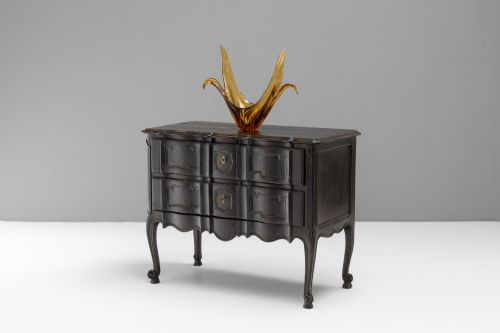
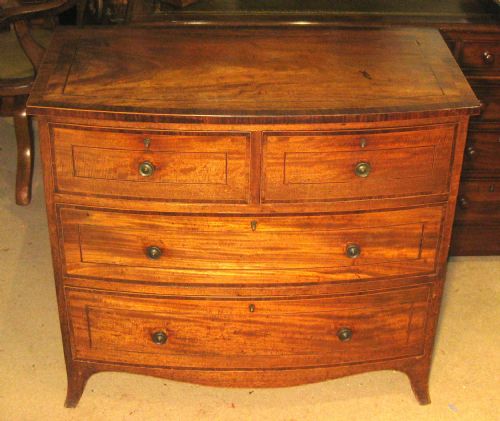
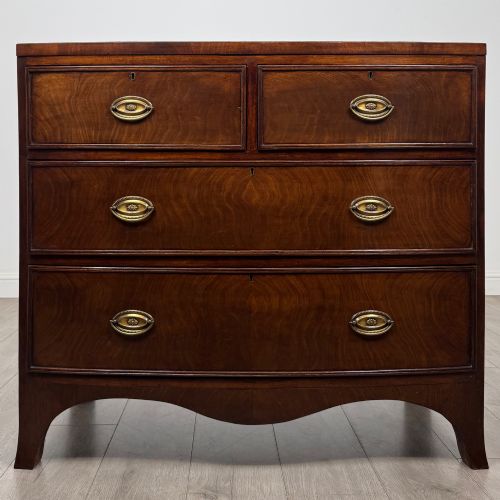
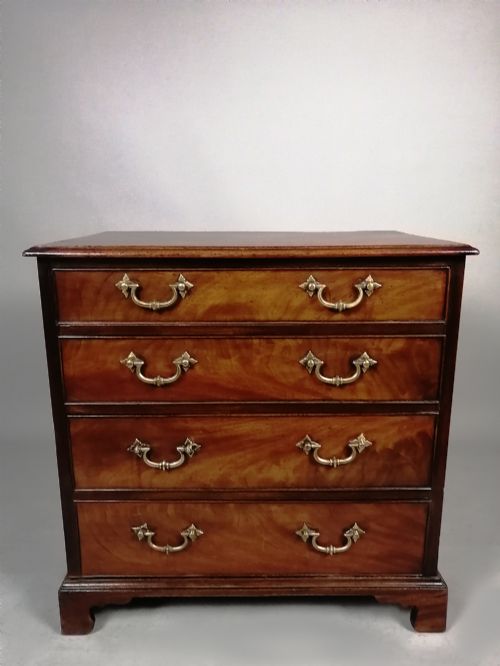
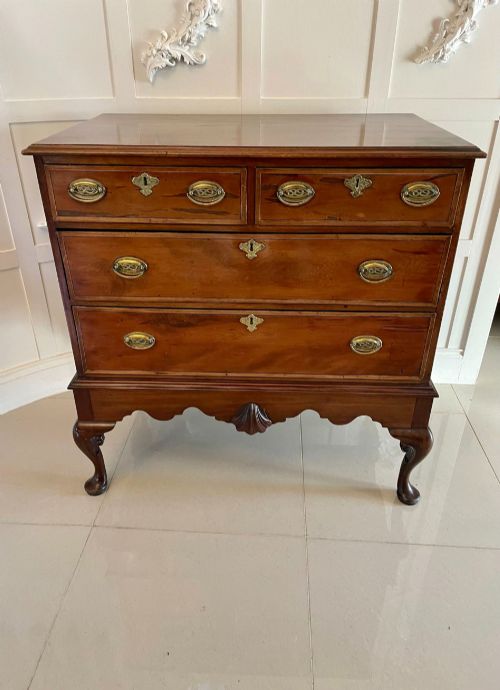
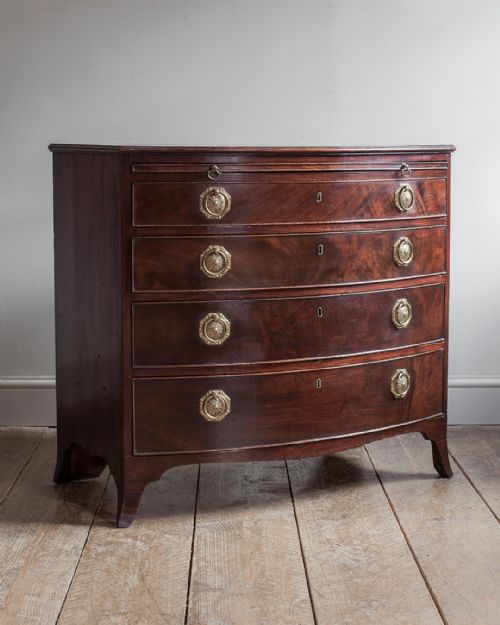
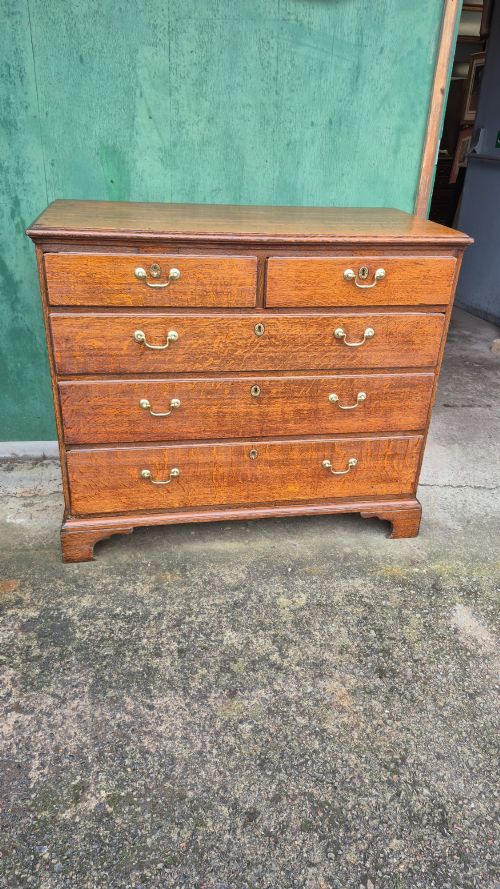
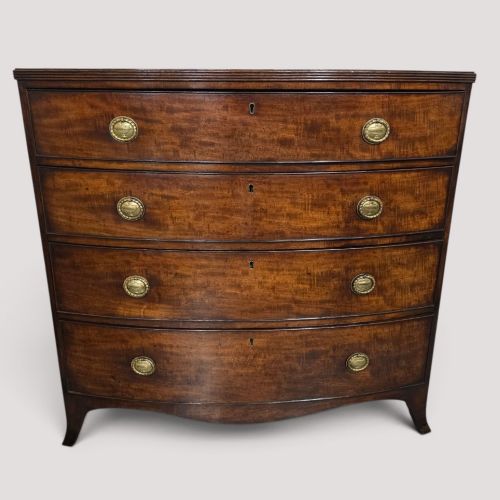
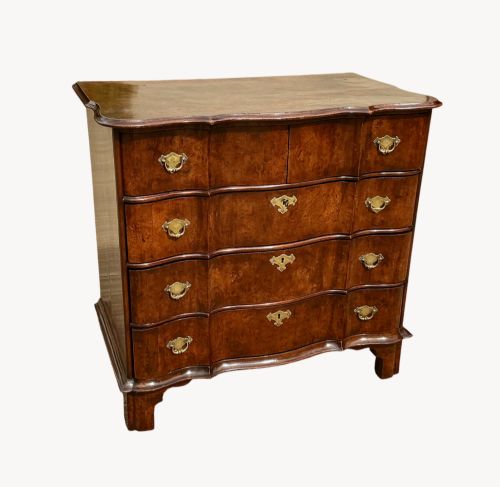
An 18th century commode chest encompasses both continental commodes and British chests of drawers, spanning periods from Queen Anne and George I through to Louis XV and George III. The forms range from strict geometric oak mouldings to sweeping serpentine and bombe shapes fitted with multiple drawers or cupboards.
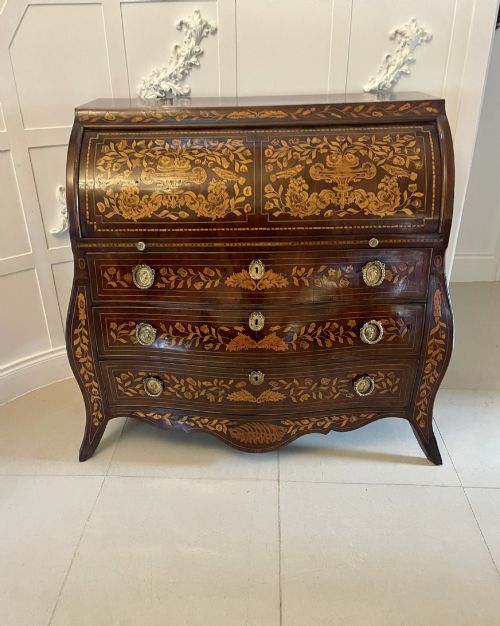
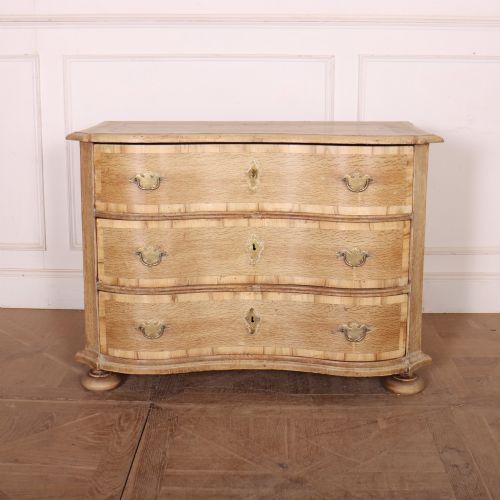
Buyers meet varied regional interpretations on this page, including French Provincial, Dutch burr walnut, and German marquetry works alongside standard Georgian mahogany pieces. Many incorporate practical additions such as brushing slides, secret compartments, or marble tops.
Materials and Construction
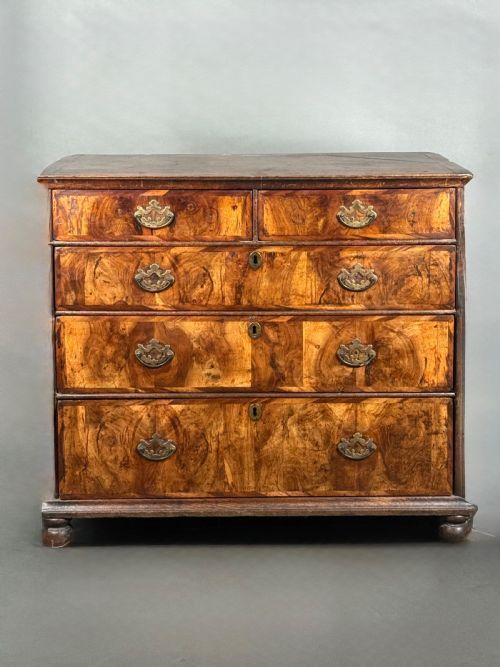
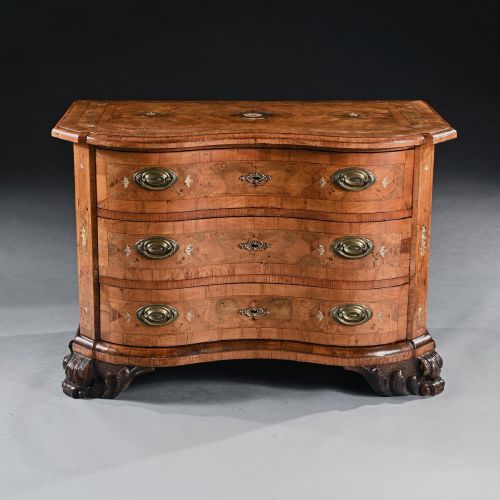
Cabinetmakers utilised solid and veneered timbers including mahogany, walnut, oak, fruitwood, and chestnut, often applying burr walnut or elm to create figured grain patterns across the front. Marquetry, parquetry, and herringbone banding frequently decorate the surfaces using contrasting woods alongside pewter and ivory inlays.
Structural elements rely on traditional joinery, dovetailing, and shaped framing to support heavy marble slabs or undulating serpentine drawer fronts. Brass handles and escutcheons secure the drawer operations, while applied mouldings define the distinct periods.
Some chests hide secrets away from prying eyes, guarding letters behind clandestine drawers.
Distinctions in Quality
Quality rests upon the ambition of the silhouette and the handling of timber veneers, where complex serpentine or bombe profiles demand exceptional carpentry skill. The integration of meticulous floral marquetry or parquetry patterns distinguishes finer continental commodes from simpler provincial drawers.
The crispness of carved mouldings, the selection of highly figured burr walnut or mahogany, and the survival of original brass hardware elevate individual examples. Structural integrity in the drawer runners and carcase construction further determines the standing of each piece.
Jacques Bircklé
The 18th Century Commode Chest Glossary
- Serpentine
- A furniture front curved with a convex centre flanked by concave ends. This undulating shape requires advanced woodworking skill to execute properly.
- Bombe
- A swollen or bulging commode profile found frequently on continental pieces. The sides and front curve outward in a dramatic convex sweep.
- Brushing slide
- A pull-out shelf integrated above the top drawers of a chest. It served as a writing surface or a place to brush clothes.
- Marquetry
- Decorative veneer patterns formed by fitting together thin pieces of wood, ivory, or metal. Craftsmen assemble these pictorial designs to adorn drawer fronts and tops.
- Parquetry
- Geometric wood inlay patterns arranged in repeating motifs like cubes or herringbone. This technique creates rhythmic surface decoration on commode tops.
18th Century Commode Chest: Frequently Asked Questions
What is an 18th century commode chest?
An 18th century commode chest is a low storage cabinet or drawer unit produced during the Georgian or continental European periods. These pieces combine functional drawer space with decorative veneering and shaped profiles.
They serve as focal points in period interiors, offering both surface display space and deep drawer storage. The category bridges British drawer chests and continental European commodes.
How do I style one in a modern home?
An 18th century commode chest works effectively as a statement piece in a hallway, living room, or bedroom. The rich timber tones and figured veneers anchor contemporary interior schemes through historical contrast.
Pair the chest with minimal wall art or a simple mirror to highlight the sculptural serpentine or bombe woodwork. The top surface provides an ideal platform for lamps or ceramic collections.
How do I tell different periods apart?
Distinguishing periods relies on observing shifts in silhouette, timber preference, and decorative motifs across the century. Early 18th century pieces frequently feature walnut, herringbone banding, and clean geometric oak mouldings.
Later decades display the sweeping curves of Louis XV or George III serpentine designs in mahogany with elaborate marquetry. Structural changes in handles and bracket feet also guide chronological placement.