




Antique Wooden Stool Chest
These antique wooden stool chests are clever multi-purpose furniture forms designed for discretion and utility.
Antique Wooden Stool Chest
When you search for an antique wooden stool chest, you encounter practical items that conceal interior compartments beneath seating surfaces or lids. These pieces serve multiple functions within domestic spaces, historically doubling as seating and sanitary or storage containers.
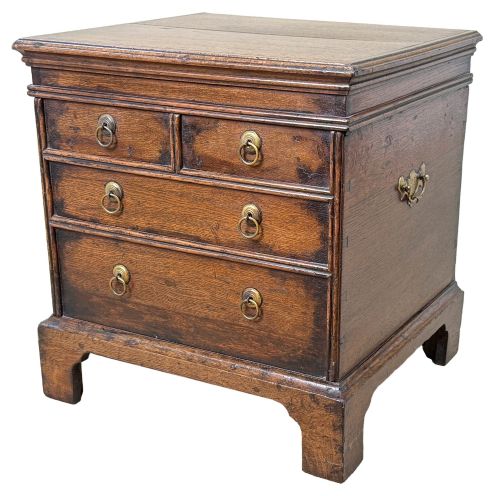
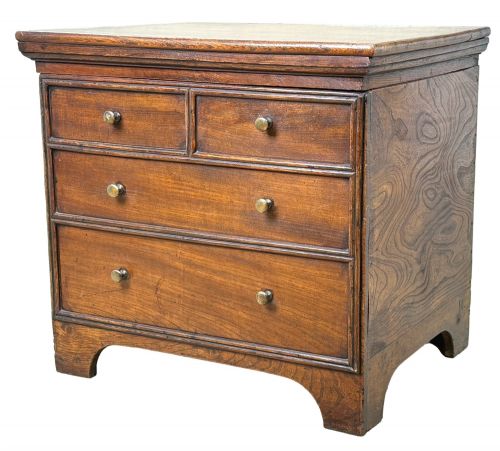
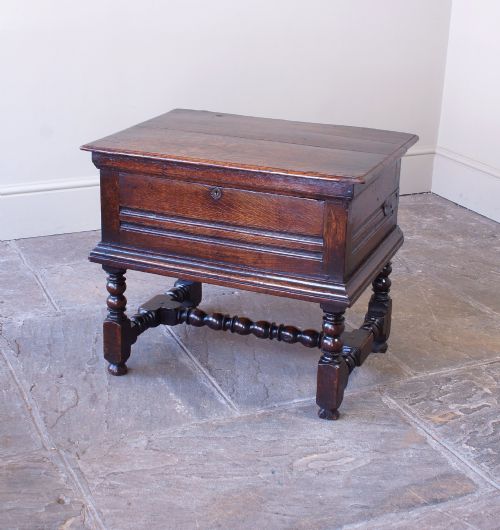
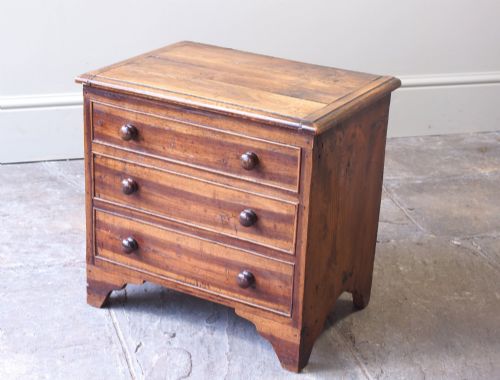
The versions most frequently met on this page span the 17th century through the Victorian era, with particular emphasis on 18th century examples. Forms include close stools, box stools, and ottomans that mimic small bedside chests or dressing furniture.
Origins stretch across specific historical periods such as the Georgian and Regency eras, alongside regional British movements like the Cotswold School. The primary timber used across these examples is oak, supported by elm, mahogany, and plumwood.
How they were made
Construction relies heavily on sturdy hardwoods, predominantly oak and elm, joined to withstand heavy daily use as seating. Artisans shaped these timbers using traditional techniques, incorporating carved details or plain panel construction depending on the prevailing style of the period.
Metal elements such as brass and iron appear in functional components like hinges, handles, and internal fittings. Certain items incorporate fabric upholstery or mirror elements to suit their later domestic roles as dressing tables and work boxes.
Listings feature items spanning the 17th century to the 1930s, utilising oak, mahogany, elm, and plumwood.
What varies in quality
The distinction between standard utility items and finer examples lies in the selection of timber and the sophistication of the joinery. Superior pieces display carefully chosen grain patterns in woods like mahogany, plumwood, or quarter-sawn oak, coupled with precise period carving.
The integrity of the internal compartments and the preservation of original hardware significantly influence the character of each piece. Later alterations to the internal cavities or replacement of working parts alter the historic completeness of these multi-purpose chests.
The Antique Wooden Stool Chest Glossary
- Close stool
- A piece of furniture enclosing a chamber pot, designed to look like a small chest or cabinet when not in use. These items were essential bedroom furnishings before modern indoor plumbing.
- Box stool
- A seat featuring a hinged lid that opens to reveal a storage compartment beneath. This form bridges the gap between domestic seating and a simple chest.
- Ottoman
- A padded seat or footstool with an internal storage cavity accessed by lifting the top. Later examples often double as work boxes for sewing and textiles.
- Cotswold School
- An early 20th-century design movement focused on traditional craftsmanship and high-quality woodwork. Pieces from this tradition emphasise honest construction and local timber.
Antique Wooden Stool Chest: Frequently Asked Questions
What is an antique wooden stool chest used for?
These pieces primarily functioned as dual-purpose items for sitting while providing concealed internal storage. Many historical examples served specifically as close stools to house chamber pots discreetly in bedrooms.
Others acted as general box stools or work boxes to keep personal belongings or sewing materials close at hand. Their clever design allowed them to blend seamlessly with other bedside or dressing cabinetry.
How do I tell an 18th century stool chest from a Victorian one?
Eighteenth-century examples typically display robust oak, elm, or plumwood construction with simpler, utilitarian lines suited to close stool forms. They often feature period-appropriate hand-cut joinery and understated hardware.
Victorian and later pieces introduce denser mahogany or varied upholstery, sometimes reflecting revival styles or domestic shifts toward dressing chests and ottomans. Examining the timber preparation and interior fittings helps clarify the period of manufacture.
Are these pieces comfortable to sit on daily?
Most of these items were built primarily for utility and enclosed storage rather than plush lounging. Early wooden box stools and close stools feature rigid timber lids that occasionally accommodated loose cushions.
Regency and Victorian variants sometimes include padded fabric surfaces designed explicitly for comfortable seating. Evaluating the top surface reveals whether a piece intended frequent use as a seat.
How do I care for antique wooden stool chests?
Keep these items away from direct heat sources and dramatic humidity fluctuations to prevent the solid woods like oak and mahogany from splitting. Regular dusting with a dry, soft cloth preserves the historic finish.
Avoid harsh chemical polishes and instead use a suitable natural wax occasionally to nourish the timber grain. Gentle handling of original brass and iron hinges ensures the internal compartments remain functional.