
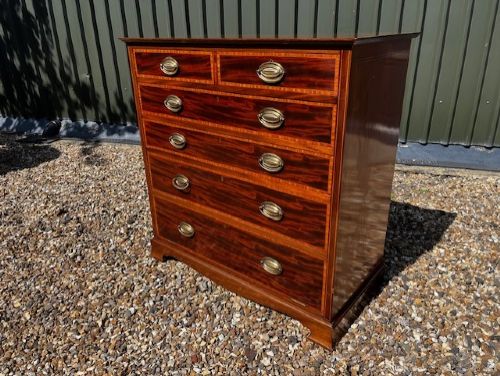


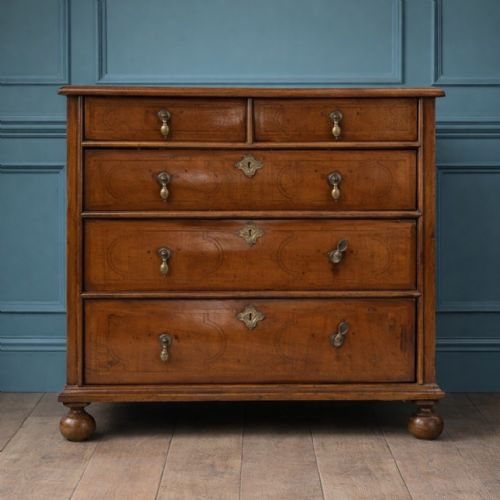


Brass Drop Handle Cabinet
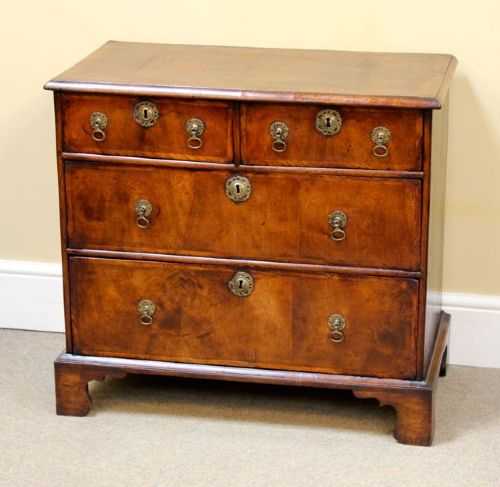
A brass drop handle cabinet provides period storage using fine timbers like oak, walnut and mahogany.
Brass Drop Handle Cabinet
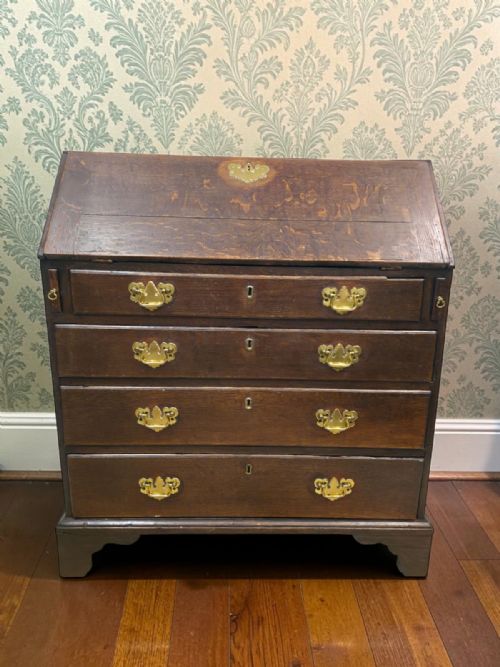
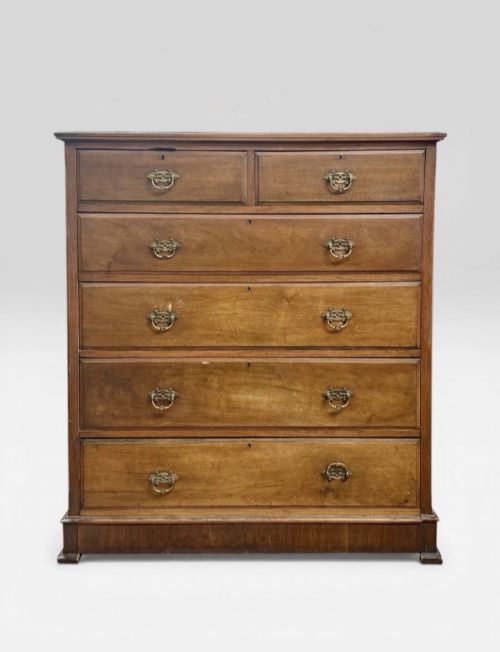
A brass drop handle cabinet encompasses chests of drawers, bureaus, press cupboards and bedside tables that rely on drop metal pulls for opening. These pieces emerge predominantly from the 17th, 18th and 19th centuries, spanning periods such as Georgian, Victorian, Queen Anne and William and Mary.
The specimens likely to appear on this page reflect formal domestic storage as well as utilitarian utility furniture. Examples stretch from 17th century oak and 18th century walnut designs to later Victorian mahogany units and Edwardian revivals.
How they were made
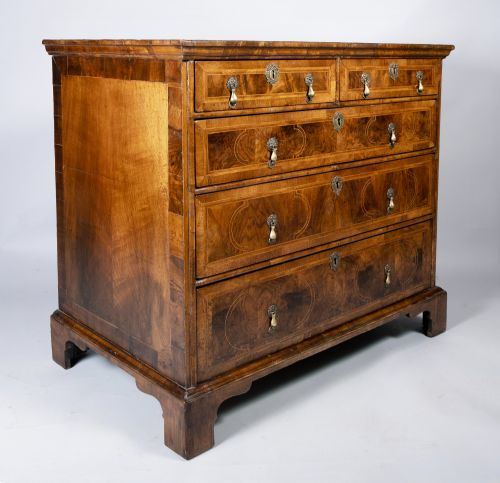
Cabinet makers utilised solid hardwoods and veneers fixed to sturdy foundational carcases. Oak, mahogany and walnut form the primary structural timbers, often enhanced by marquetry inlay, burr figuring or Japanned decoration.
Mounts and pulls consist of cast brass secured through drawer fronts with pins or wires. Construction techniques involve hand-cut dovetails for drawer boxes and pegged joinery on earlier framework.
Several items double as pharmacy furniture or mysterious close stools from the 18th century.
What varies in quality
The standard of a piece rests upon the selection of timber veneers and the crispness of the cabinet work. Finer examples display carefully matched grain patterns, proportioned drawer scaling and original brass hardware.
Integrity of the construction distinguishes superior specimens from altered ones. Pieces retaining their original stands, feet and surface patination command greater regard among collectors.
Gillows
The Brass Drop Handle Cabinet Glossary
- Drop handle
- A pendant metal pull hanging from a fixed backplate. This hardware style defines the grip mechanism on numerous early drawer fronts.
- Bureau
- A desk featuring a sloping fall-front that opens to reveal internal pigeonholes and small drawers. These units frequently incorporate banks of storage drawers below.
- Chest on stand
- A tall storage chest elevated on a separate framework with legs. This form lifts the primary drawers higher off the floor.
- Press cupboard
- A large piece of case furniture used for storing folded garments or linens. Upper doors typically enclose hanging space or sliding shelves.
- Secretaire
- A cabinet incorporating a writing drawer with a drop-down front. This compartment conceals a fitted desk interior within the case.
Brass Drop Handle Cabinet: Frequently Asked Questions
How do I date a brass drop handle cabinet?
Dating relies on observing timber choices, construction methods and hardware styles. Earlier pieces from the 17th and early 18th centuries typically utilise oak or walnut with hand-cut joinery.
Later 19th-century examples often display mahogany or Victorian pine secondary woods. Hardware mounts also evolved from small brass plates to larger stamped backplates over time.
Where were these cabinets used in a home?
These storage units served multiple domestic functions across bedrooms, parlours and libraries. Chests and tallboys provided bedroom wardrobe space for clothing.
Bureaus and secretaire cabinets functioned as working desks for correspondence and document management in public rooms.
How do I care for antique timber and brass?
Maintain stable room humidity to prevent wood shrinkage and veneer splitting. Apply traditional beeswax periodically to nourish the aged surface patination.
Clean brass hardware gently with a soft cloth without using abrasive metal polishes. This preserves the original aged tone of the metal.
Are walnut and oak pieces structurally different?
Oak furniture from the 17th century uses heavy pegged frames and solid board construction. Walnut pieces often incorporate delicate veneers laid over pine or oak carcases.
This shift in materials allowed cabinet makers to create highly figured geometric patterns on drawer fronts.