
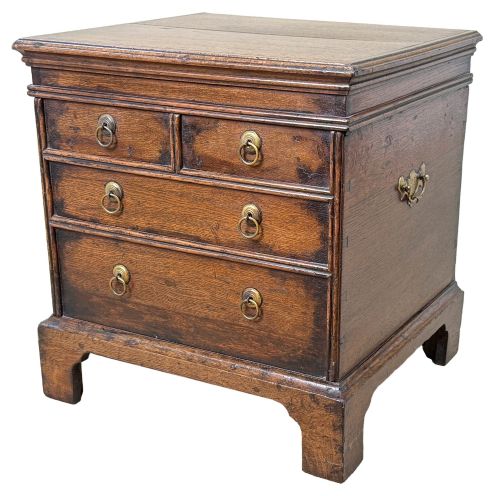


Antique Oak Bedside Chest
These antique oak bedside chest examples offer compact timber storage suited to traditional bedrooms.
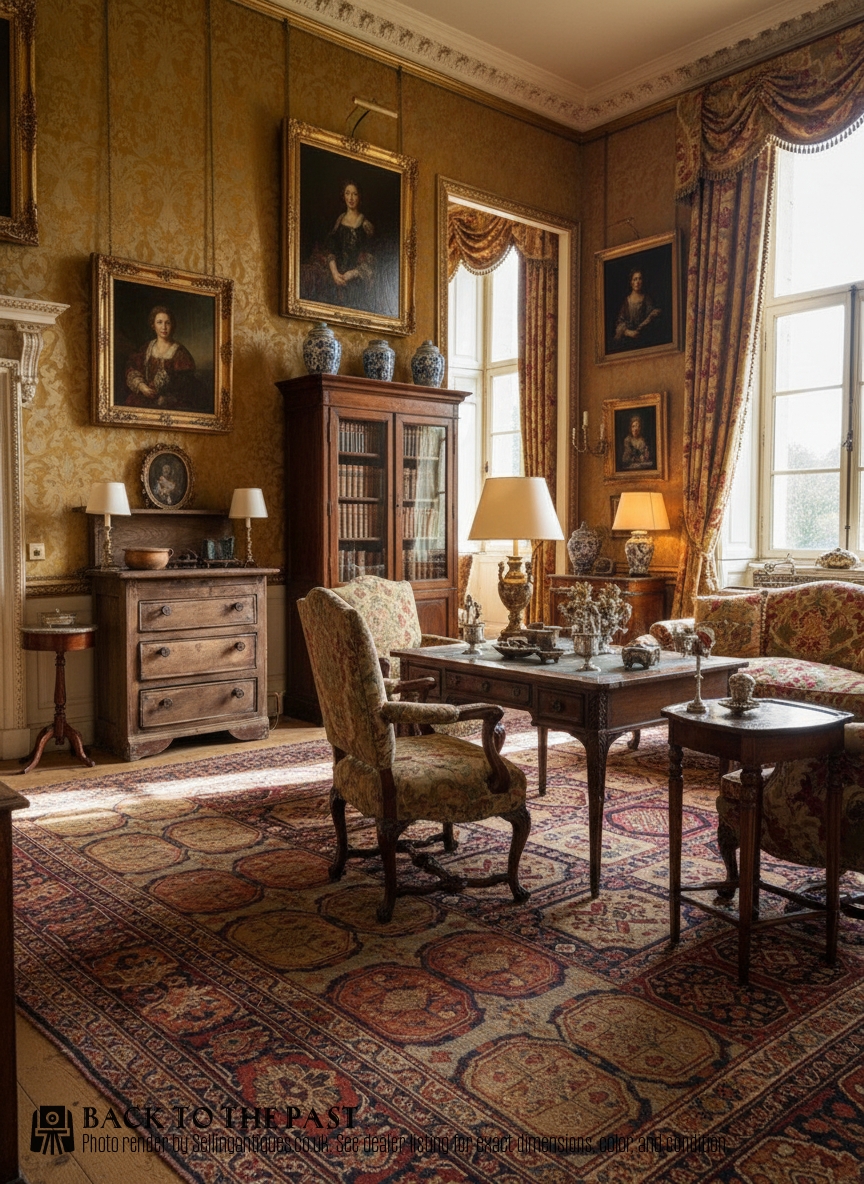
Understanding the antique oak bedside chest
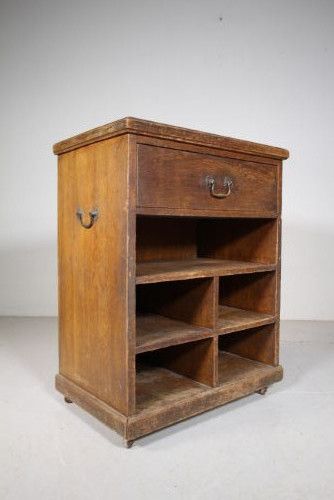
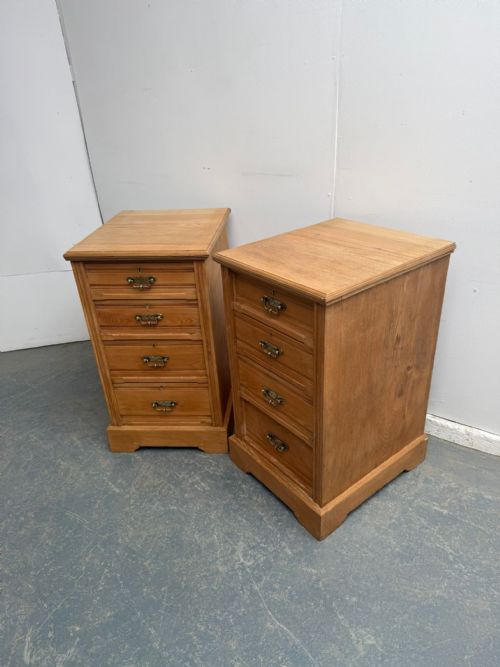
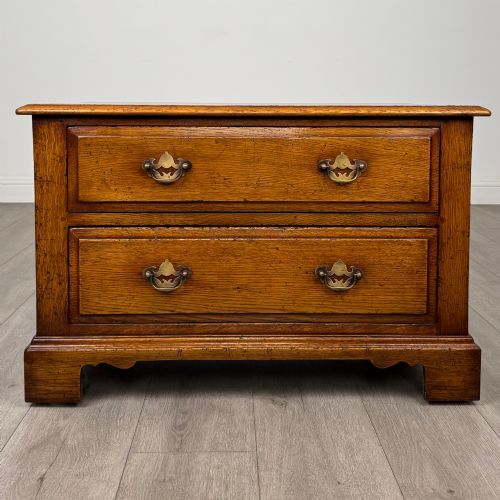
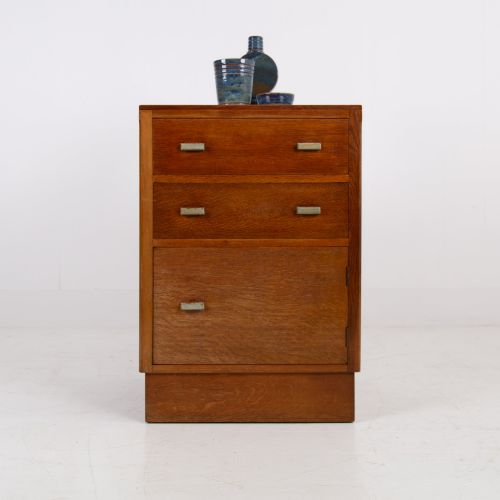
An antique oak bedside chest provides practical night-time storage through small drawer configurations and cupboard formats. Buyers searching for an antique oak bedside chest encounter pieces ranging from primitive servants' quarters designs to refined Georgian and Edwardian examples.
The material selection centres primarily on solid oak, alongside variations featuring golden oak, burr walnut highlights, or pollard oak. Forms vary between two-drawer chests, compact cupboards, and pot cupboards designed to sit beside a bed.
Origins span the eighteenth century, the early nineteenth century, and the nineteen-twenties, incorporating Georgian and Georgian Primitive styles. Buyers frequently find matching pairs alongside single autonomous cabinets.
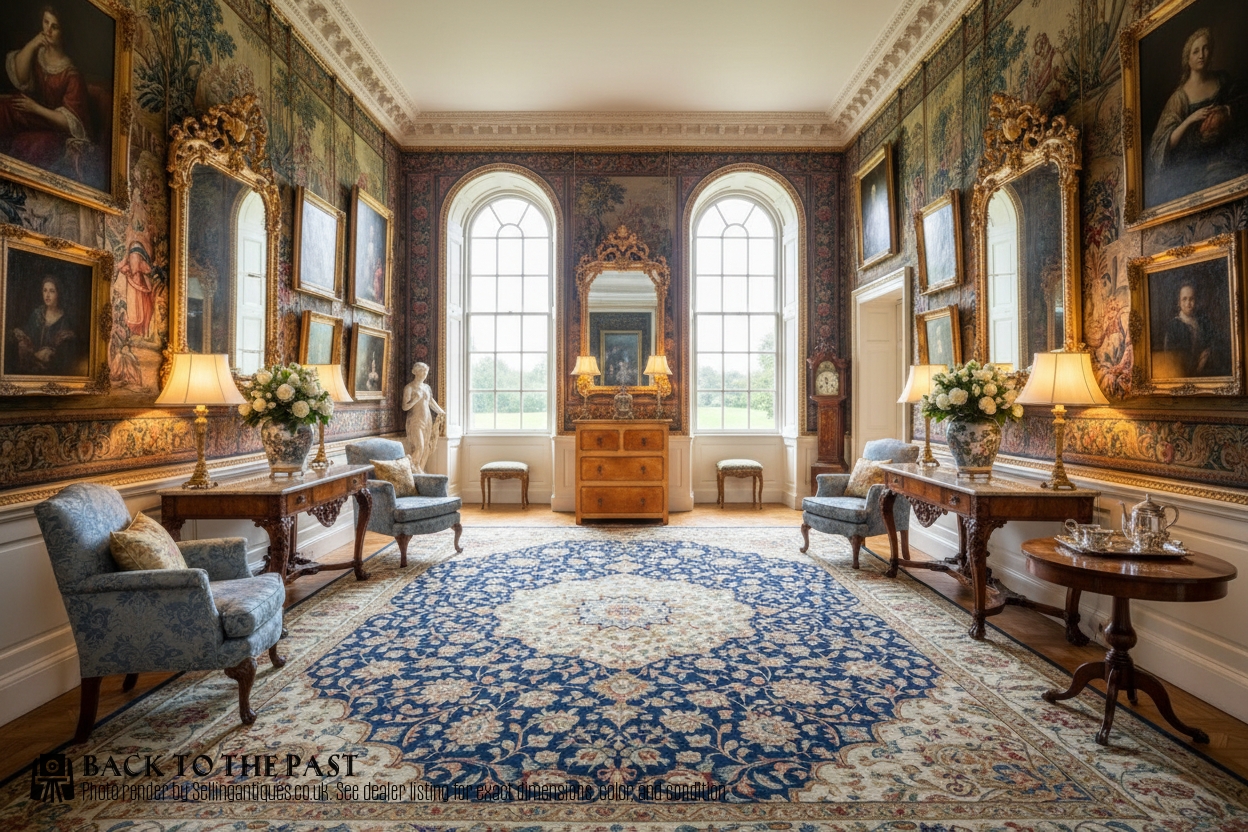
Construction and materials
Cabinet makers utilised durable hardwoods, primarily oak, supplemented by contrasting timbers such as burr walnut and mahogany veneers on specific surfaces. Metal hardware, including brass pulls and fittings, secures drawers and doors.
Joinery methods reflect the manufacturing periods, spanning eighteenth-century primitive construction through to late nineteenth-century Gothic carved ornamentation. Surfaces display natural timber grain patterns enhanced by traditional polishing techniques.
Retail Price Guide 2026
Typical UK retail prices for oak bedside chest, calculated from the Sellingantiques database of over a million retail prices indexed since 2003. This retail price guide relies exclusively on Sellingantiques data; no external sources or auction records are used, so the figures do not describe the wider market.
Some servants' quarters chests quietly retired from washing duties to spend their golden years holding alarm clocks and paperbacks.
Evaluating quality in antique oak furniture
Quality differences emerge through the selection of timber figures, where burr walnut highlights or figured oak elevate the visual depth of the cabinet. The refinement of the joinery and the integrity of the original brass hardware separate utilitarian servants' quarters pieces from higher-status urban examples.
Proportion and scale dictate desirability, particularly in compact bedroom furniture where balanced drawer depths and original backing boards indicate superior cabinet making. Carved decorative details, such as Gothic elements, demonstrate greater artisanal investment than plain utilitarian construction.
Heals
The Antique Oak Bedside Chest Glossary
- Pot cupboard
- A small bedside cabinet originally built to enclose a chamber pot. These pieces frequently feature a single door above or beside compact drawer arrangements.
- Golden oak
- A warm, light-toned variety of oak timber popular during the early twentieth century. It displays a honeyed hue quite distinct from darker eighteenth-century boards.
- Burr walnut
- A highly figured wood veneer taken from the growth excrescences of walnut trees. It provides decorative contrast panels on drawer fronts and top surfaces.
- Georgian Primitive
- A rustic aesthetic associated with utilitarian furniture from the eighteenth and early nineteenth centuries. It prioritises robust function over decorative refinement.
- Pollard oak
- Timber harvested from pollarded trees, noted for its dense, clustered knot formation and rich grain patterns. Cabinet makers utilised this timber for decorative panel faces.
Frequently Asked Questions
What defines an antique oak bedside chest?
An antique oak bedside chest is a compact timber storage unit designed for bedroom use, typically housing two or more small drawers or an enclosed cupboard. These pieces date from the eighteenth century through to the early twentieth century.
Constructed primarily from solid oak, they often appear as individual cabinets or matched pairs. Their modest proportions make them suitable for modern sleeping quarters requiring historical character.
How do I date an oak chest?
Dating relies upon examining construction methods, timber selection, and hardware styles. Eighteenth-century pieces often display hand-sawn boards and primitive construction, while nineteen-twenty examples utilise brighter golden oak finishes.
Secondary woods, drawer linings, and the presence of makers' labels provide further chronological clues. Comparing hardware fixings with period conventions helps narrow the decade of manufacture.
Were these chests always used for bedsides?
Not all small chests originated beside a bed, as some served as scullery storage or servants' quarters chests. Nineteenth-century examples also functioned as night stands or pot cupboards.
Their compact dimensions naturally transitioned them into bedside roles as bedroom layouts evolved. Today, buyers utilise these adaptable formats for lamp tables and small storage.
How should I care for antique oak?
Maintain antique oak by keeping it away from direct heat sources and dramatic humidity fluctuations. Gentle dusting with a dry, soft cloth preserves the polished timber surface.
Avoid modern silicone sprays, opting instead for traditional beeswax when the wood appears dry. Regular inspection of joints and brass hardware ensures structural longevity.