



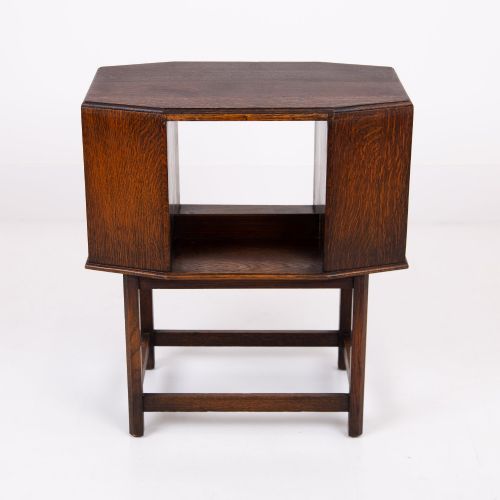
Small Nightstand
These small antique nightstand pieces offer compact bedside storage and display, bringing period character and practical surfaces to the bedroom.
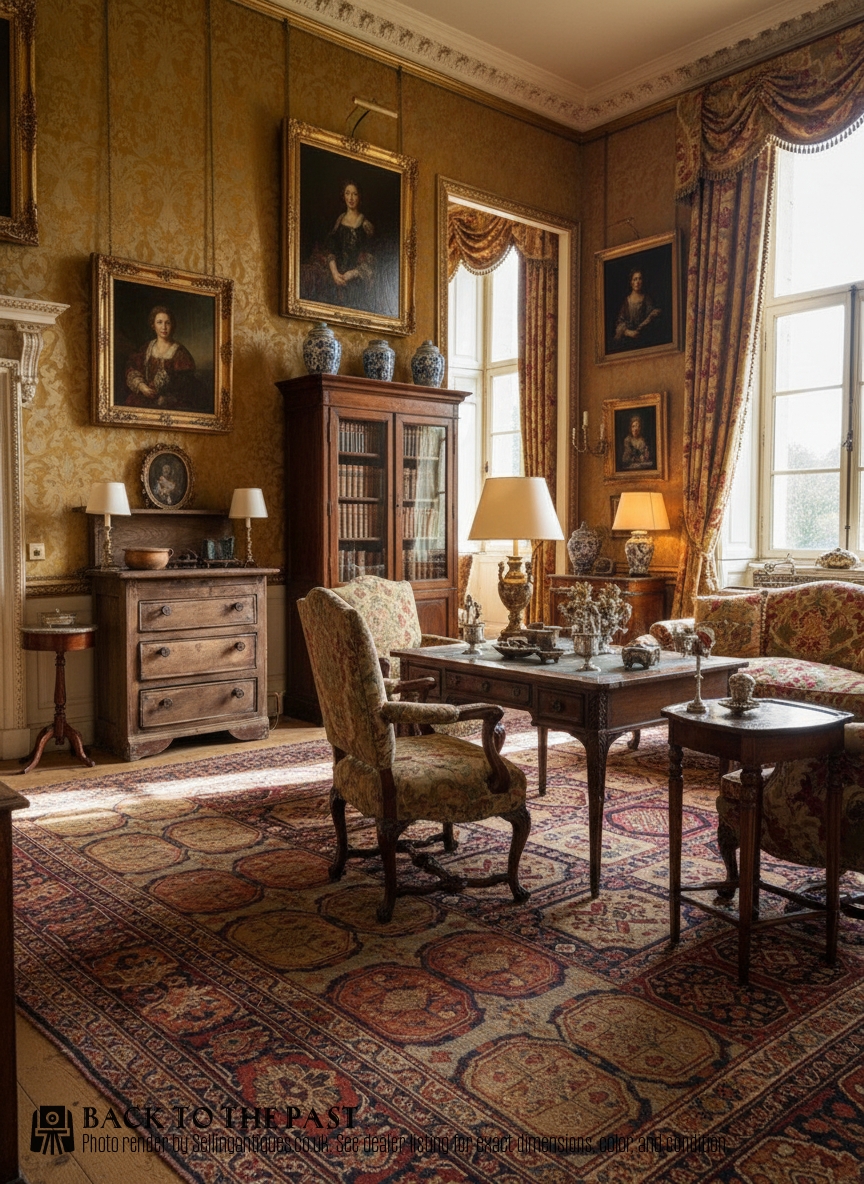
Small Nightstand
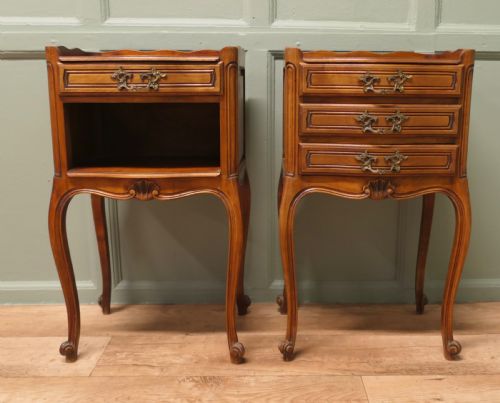
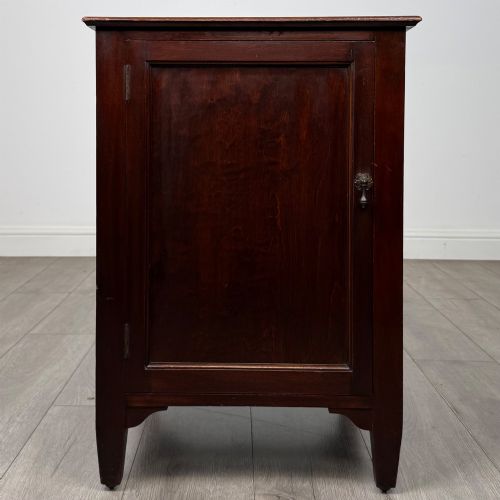
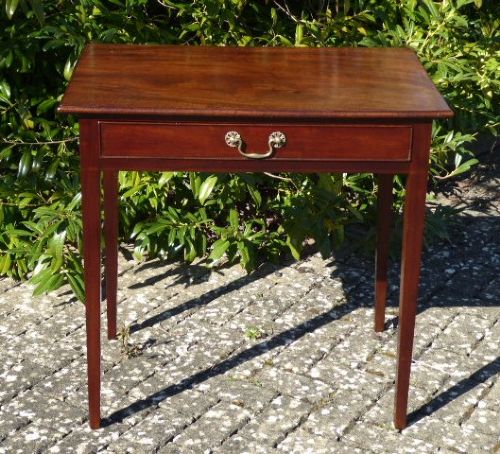
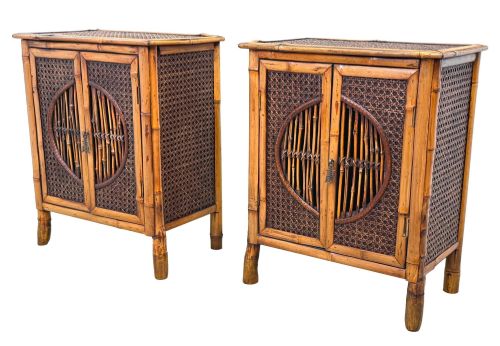
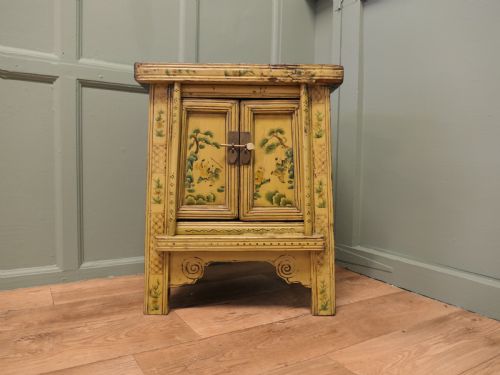
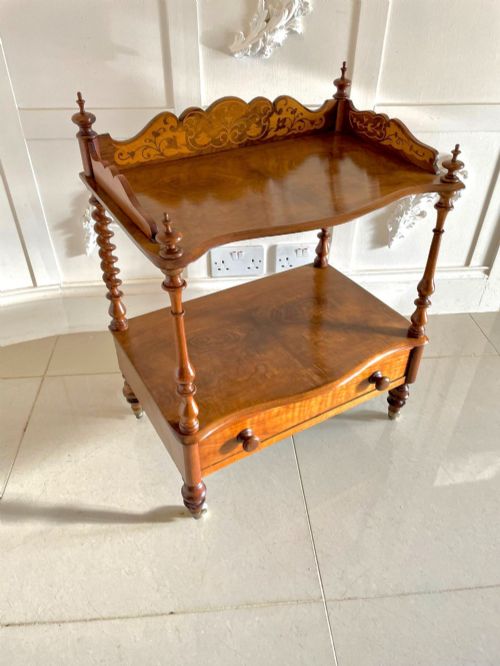
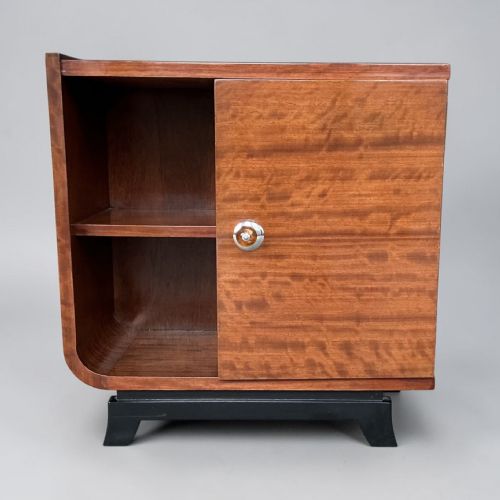
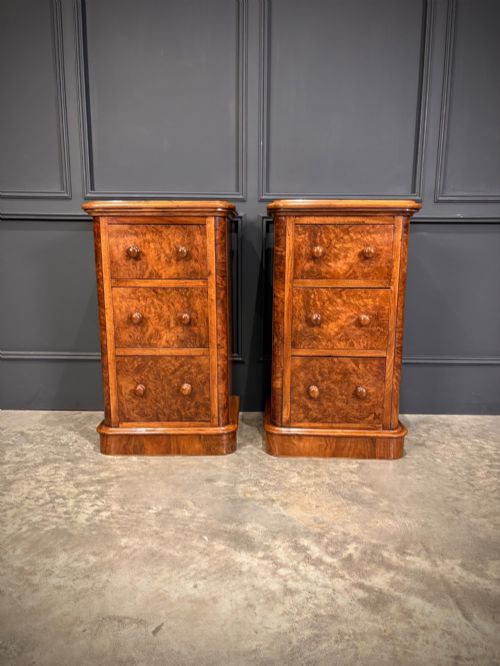
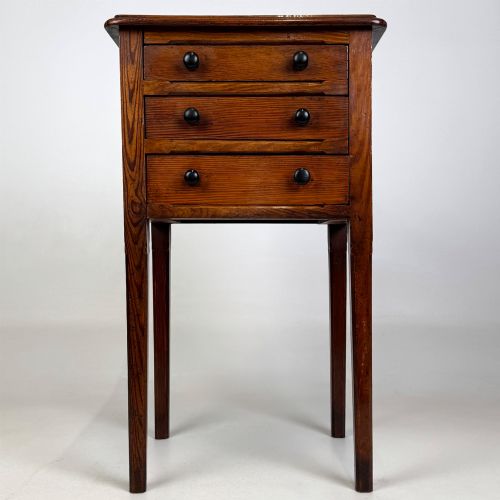
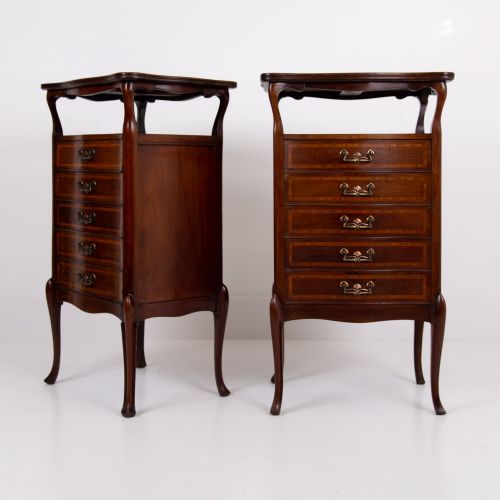
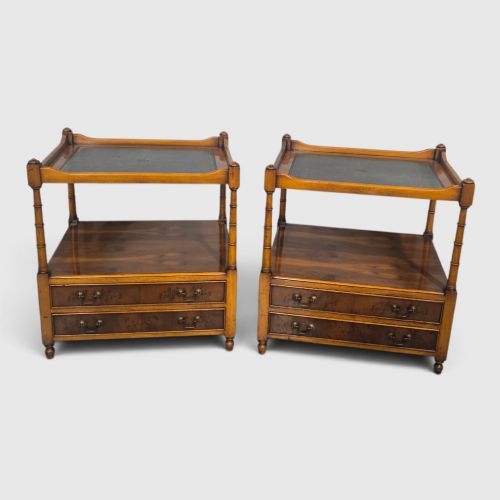
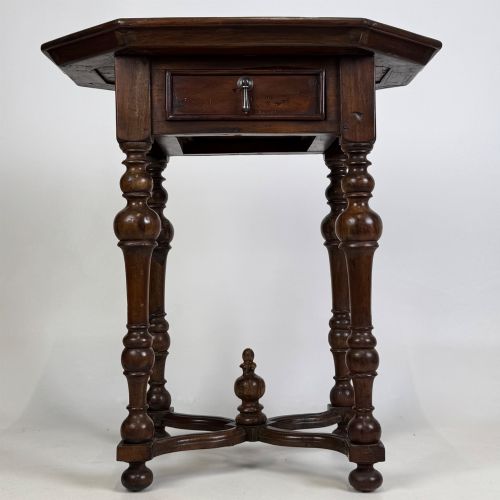
A small antique nightstand serves as a compact bedside companion for holding lamps, books, and evening essentials within arm's reach of the bed. Buyers searching this phrase will find a variety of forms including bedside chests, small cabinets, cupboards, and side tables designed for similar domestic utility.
The selection ranges across several eras, with Victorian, Edwardian, and Georgian pieces appearing most frequently alongside later twentieth-century examples. Common formats include single-door cupboards, multi-drawer chests, and open-topped side tables that adapt easily to modern bedrooms.
Origins vary from English workshops to French studios and Italian spaces, utilising traditional regional proportions. Pieces often double as lamp tables or occasional side tables depending on their primary surface area and internal storage capacity.
How they were made
Cabinet makers relied on solid hardwoods like mahogany, oak, and walnut, frequently applying decorative veneers such as burr walnut or kingwood to visible surfaces. Brass fittings, including handles and key escutcheons, provide functional contrast to the timber frames.
Construction techniques involve traditional joinery, with drawers typically built using dovetail joints for lasting strength. Surfaces receive waxed, polished, or painted finishes, occasionally incorporating inlaid woodwork or detailed carved elements in revival styles.
Some nineteenth-century bedside cabinets concealed chamber pots behind panelled doors before modern plumbing moved indoors.
What varies in quality
Quality rests upon the selection of timber and the precision of the cabinet work, particularly in matched veneer grains and tight joinery. Superior examples display careful attention to internal drawer construction and original hardware rather than purely decorative additions.
The balance of proportions and restraint of stylistic ornamentation distinguish finer workshop pieces from standard commercial production of the period. Original surfaces that retain their depth of polish carry greater visual integrity than heavily refinished counterparts.
Maple And Co
The Small Nightstand Glossary
- Burr walnut
- A figured timber harvested from the burl growths of walnut trees, prized for its swirling grain patterns. It is frequently utilised on top panels and drawer fronts of Edwardian and Victorian cabinets.
- Chinoiserie
- European decorative style imitating Chinese artistic motifs, often rendered in painted or lacquered finishes. It appears on eighteenth and nineteenth-century decorative cupboards.
- Dovetail joint
- A box-joint technique interlocking wedge-shaped fingers, used primarily in drawer construction for tensile strength. Its presence signals traditional hand or early machine cabinet making.
- Pot cupboard
- A specialised small bedside cabinet historically designed to enclose a chamber pot. These pieces form the structural basis for many traditional bedside nightstands.
- Serpentine
- A gently curved furniture front featuring a convex centre flanked by concave ends. This contour adds visual movement to mahogany and walnut chests.
Small Nightstand: Frequently Asked Questions
What is a small antique nightstand used for?
These compact pieces provide surface space for bedside lighting and practical storage for nighttime items within smaller bedroom layouts. Their small footprint allows them to fit beside lower period bed frames.
Historically, enclosed cabinets kept chamber pots or personal belongings out of sight, while open table variants held books and candles. Today they serve identical functional roles while adding historical character to a room.
How do I tell Victorian from Edwardian nightstands?
Victorian pieces tend to feature darker, heavier timbers like solid mahogany with deeper mouldings and more substantial proportions. They often prioritize sturdy utility and rich, dark polish.
Edwardian pieces frequently display lighter woods, delicate inlays, and brighter finishes influenced by neoclassical revivals. They generally present a more restrained silhouette with tapered legs or subtle bracket feet.
Can I use a side table as a nightstand?
Many side tables share identical dimensions with bedside cabinets and function effectively next to a bed. Open side tables offer lower shelf storage rather than enclosed drawer space.
When pairing a side table with a bed, check the surface height relative to the mattress top to ensure comfortable access. Drawer orientation should also match the intended side of the bed.
How do I clean and care for antique wood?
Dust surfaces regularly with a soft, dry cloth to prevent particulate accumulation on polished timber. Avoid placing wooden cabinets in direct sunlight or near heat sources to prevent veneer lifting.
Apply a quality beeswax periodically to nourish waxed finishes and maintain the natural sheen of the wood. Avoid silicone-based polishes that can penetrate the grain and alter the historic patina.