
19th Century Oak Chest
A 19th century oak chest brings robust utility and enduring grain into a room, offering both practical storage and solid timber character.
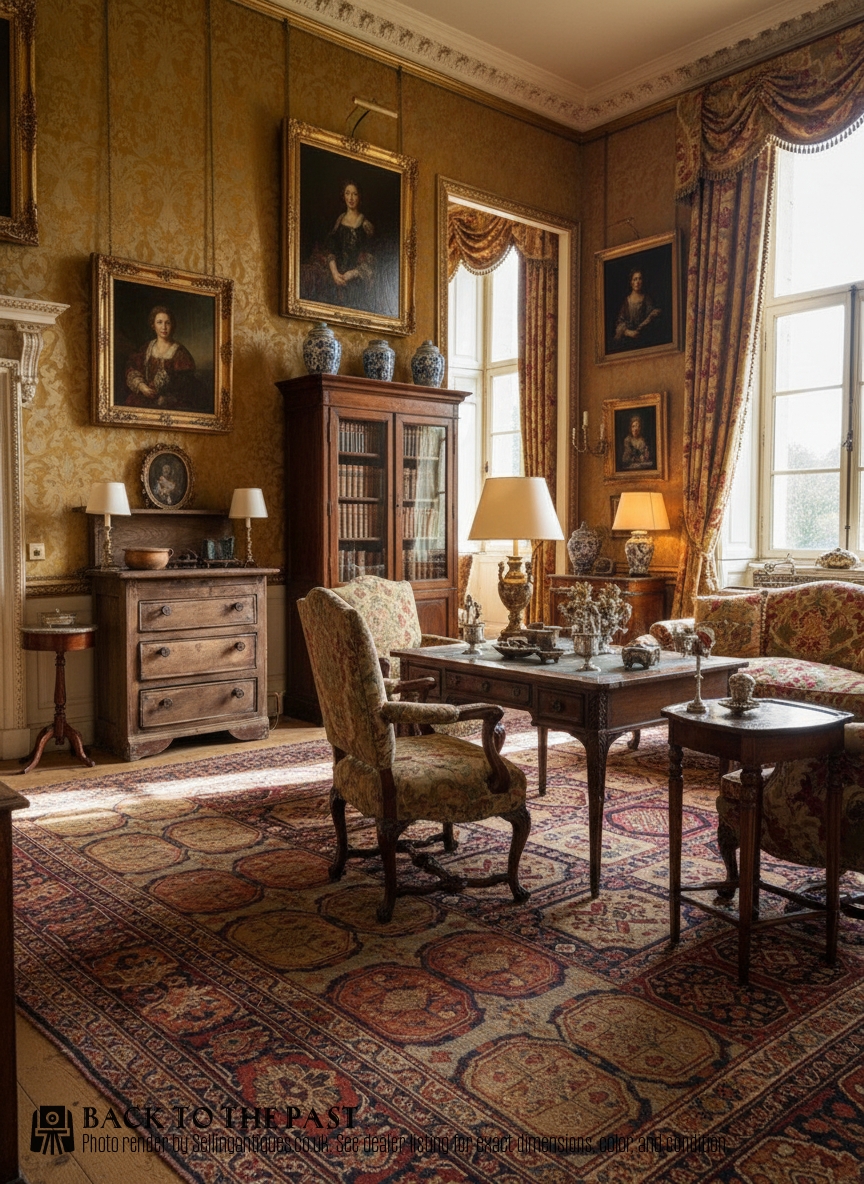
19th Century Oak Chest
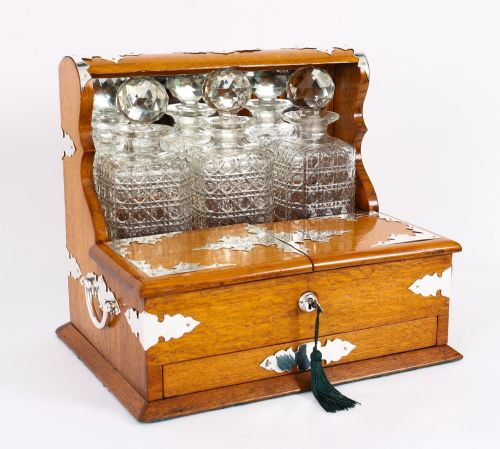
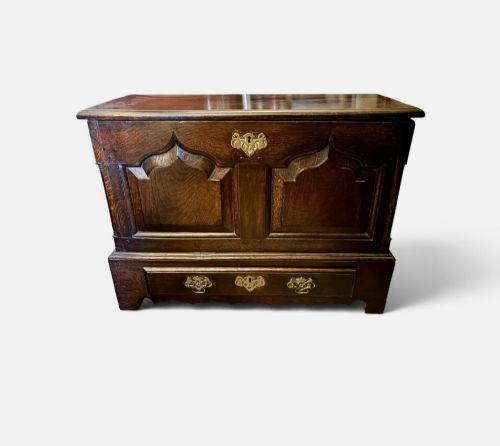
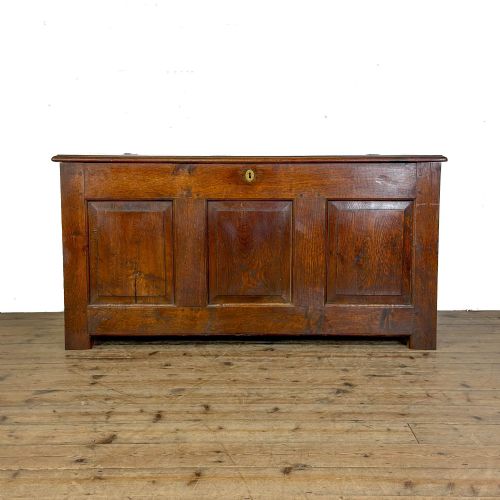
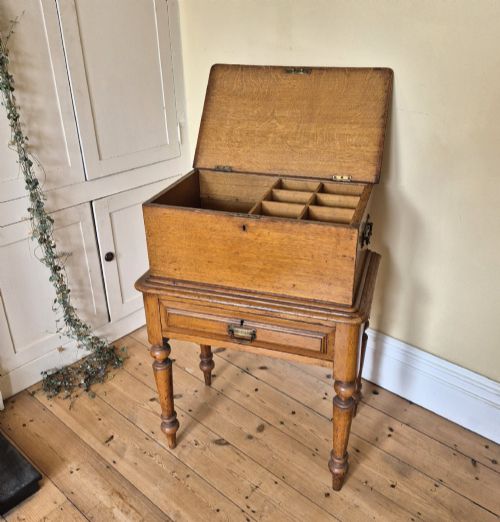
A 19th century oak chest encompasses a broad family of domestic storage forms, from traditional blanket coffers and mule chests with lower drawers to formal chests of drawers spanning the Georgian, Regency, and Victorian eras.
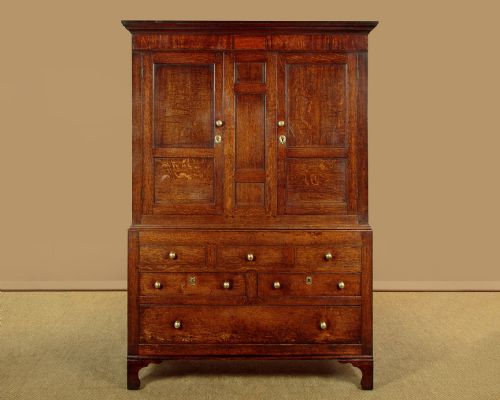
Buyers searching this phrase encounter regional vernacular pieces such as Welsh oak cupboards and coffer bachs alongside English country furniture and continental European commodes.
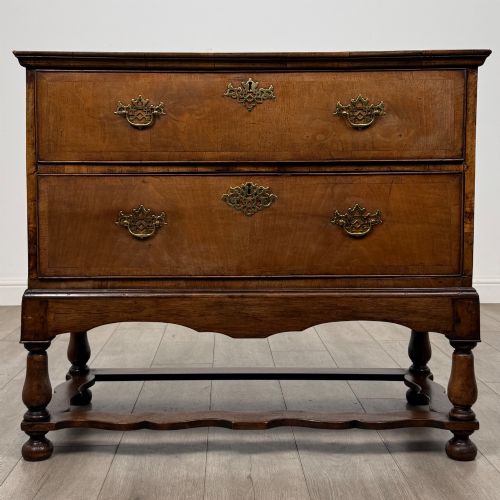
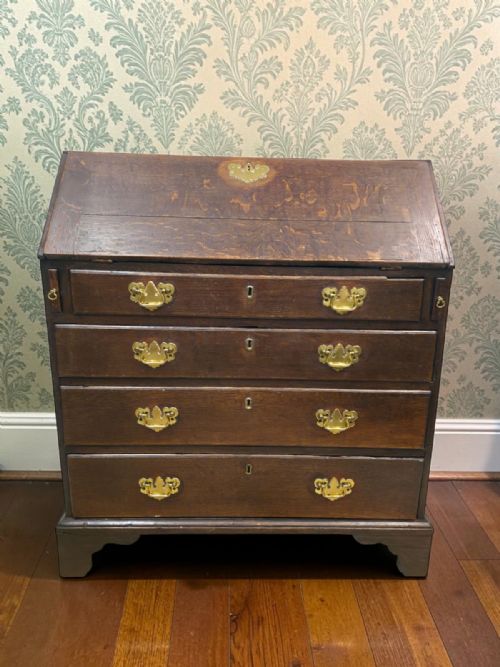
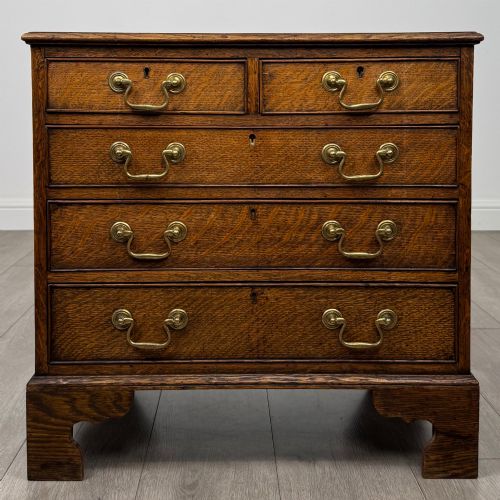
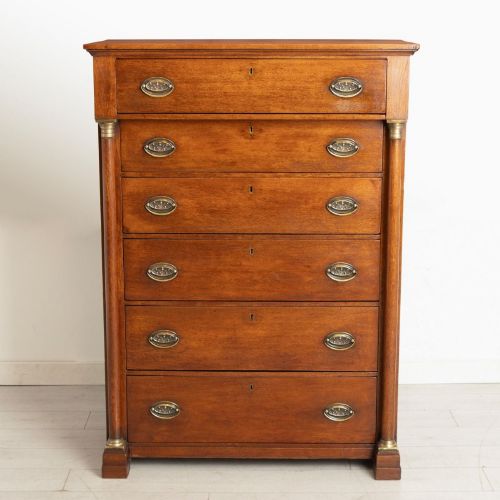
The standard chest of drawers remains the most common format met on this page, often built with side-by-side small drawers over longer graduated rows.
Materials and Construction
Makers relied primarily on solid oak supplemented by secondary woods like pine for internal drawer linings and carcass backs, frequently incorporating hand-cut dovetails for drawer assembly.
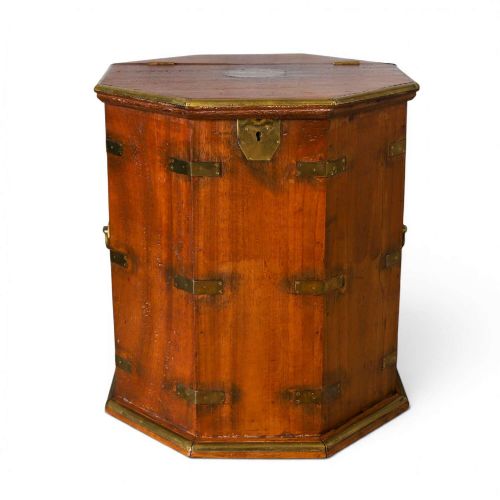
Hardware played an essential structural and decorative role, utilising brass handles, iron strapwork, and metal hinges, while occasional pieces featured painted finishes or parquet veneers.
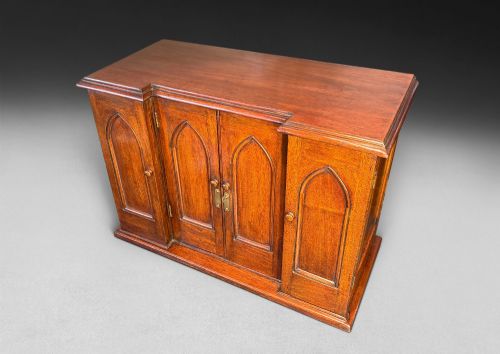
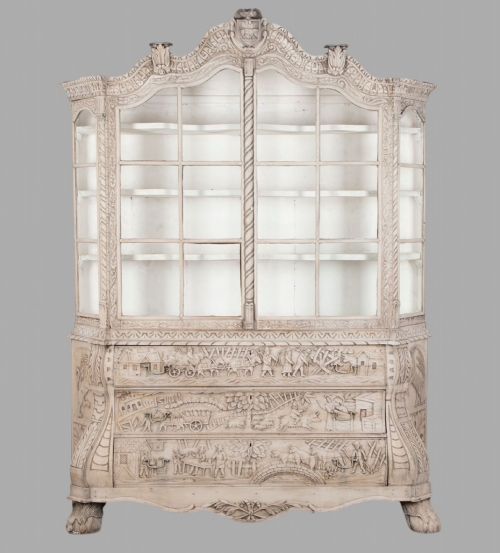
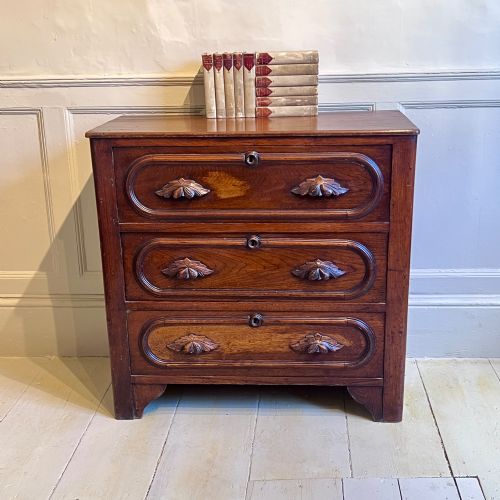
Carving, panelling, and applied mouldings defined decorative treatments, drawing on stylistic revivals including Gothic, Jacobean, and Baroque motifs.
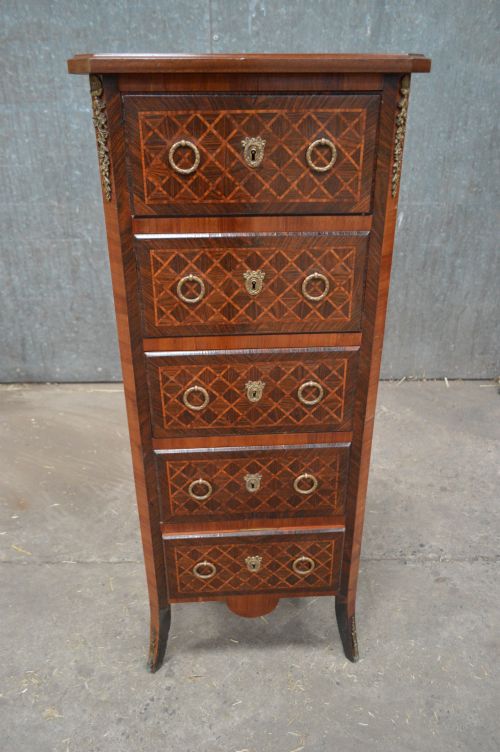
Listings feature regional oak forms including Welsh vernacular cupboards, French commodes, and English country chests of drawers.
Proportion and Joinery
Gradations in quality rest upon timber selection, evident in the choice of quarter-sawn oak showing distinct medullary rays compared to plain-sawn boards.
Joinery execution dictates longevity, where tight dovetailing, smooth drawer runners, and well-fitted panels separate standard vernacular work from finer cabinet-making.
Proportion and surface integrity also define better examples, preserving original hardware, uncompromised patination, and balanced architectural detailing without heavy restoration.
Heals Of London·Edwards And Roberts·Lamb Of Manchester·Tahan Of Paris·Carrington And Co
The 19th Century Oak Chest Glossary
- Coffer bach
- A small Welsh oak chest or coffer, often featuring a single drawer beneath the main lidded compartment.
- Mule chest
- A storage chest combining a lidded upper trunk with one or more drawers built into the base.
- Linen press
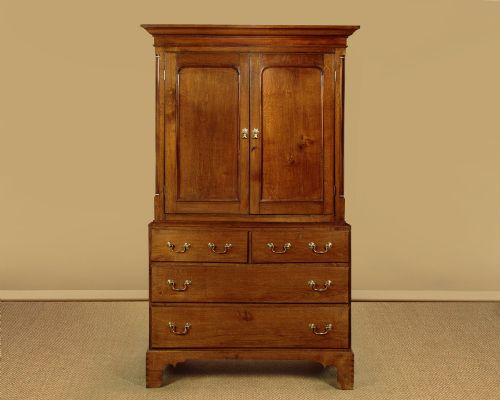
- A tall cupboard featuring upper sliding trays or shelves for textiles above a configuration of lower drawers.
- Wellington chest
- A tall, narrow chest of drawers secured by a hinged vertical locking side bar held with a key.
- Bombé
- A swelling, convex furniture contour characteristic of continental European Baroque and Rococo designs.
19th Century Oak Chest: Frequently Asked Questions
How do I date a 19th century oak chest?
Dating relies on observing construction methods, handle styles, and secondary timbers used inside the drawers. Hand-sawn boards and early brass drop handles point towards the earlier decades, while machine-assisted manufacturing marks the later Victorian period.
Stylistic revivals also offer clues, as Gothic and Jacobean motifs returned periodically throughout the century. Comparing hardware fixings and dovetail regularity against known regional traditions helps narrow down the decade of manufacture.
What is the difference between a coffer and a chest?
A coffer is fundamentally a storage box accessed from a hinged lid on the top, often used for blankets, valuables, or church goods. A chest of drawers incorporates vertically stacked sliding drawers accessed from the front.
Mile markers between these two forms include mule chests, which bridge the category by adding lower drawers beneath the top lid. Both types served central storage functions in 19th-century domestic interiors.
Where were these oak chests originally used?
These chests served primarily domestic roles in bedrooms, hallways, and living spaces for storing garments, linens, and personal documents. Silver chests and campaign boxes saw specialised travel or secure storage service.
Regional pieces emerged from rural farmhouses in Wales and provincial England, while finer cabinet pieces furnished urban townhouses. Their heavy construction suited rooms requiring durable, secure storage.
How should I care for antique oak furniture?
Maintaining antique oak involves keeping the timber away from direct heat sources and sudden humidity swings that cause wood to split. Regular dusting with a dry, soft cloth preserves the natural wax finish without building up heavy chemical residues.
Applying a traditional beeswax polish occasionally helps nourish the grain and maintain the surface sheen. Avoiding synthetic sprays ensures the historic patina remains undisturbed.