
English Oak Storage Chest
An english oak storage chest is a sturdy domestic keeper of textiles and valuables, prized for centuries of honest carpentry.
English Oak Storage Chest
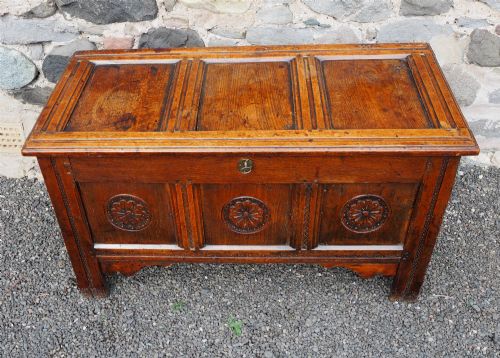
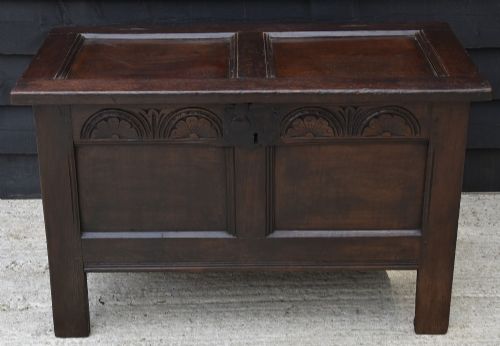
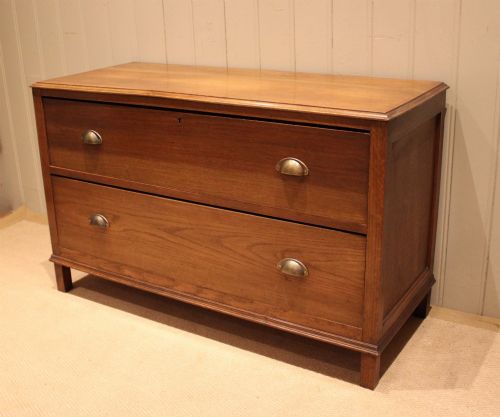
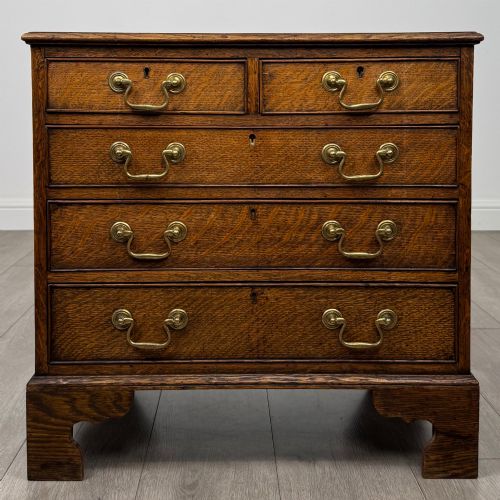
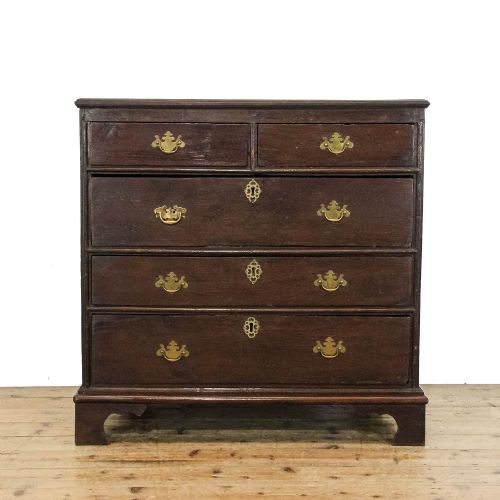
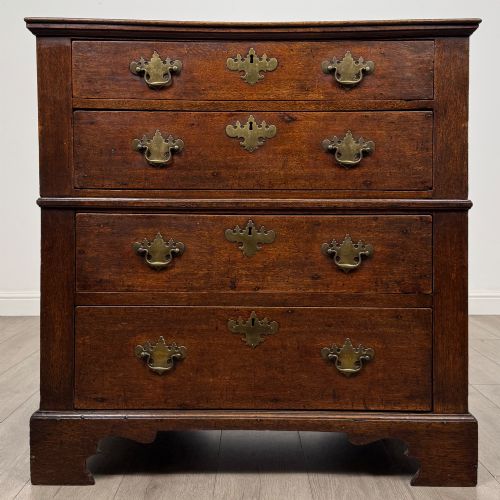
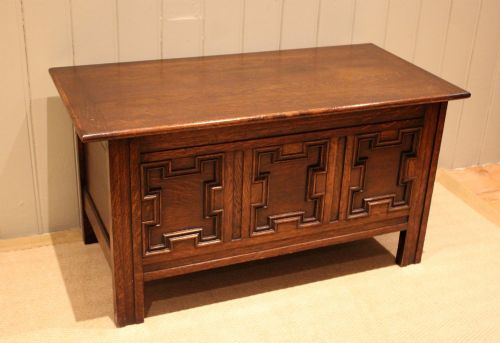
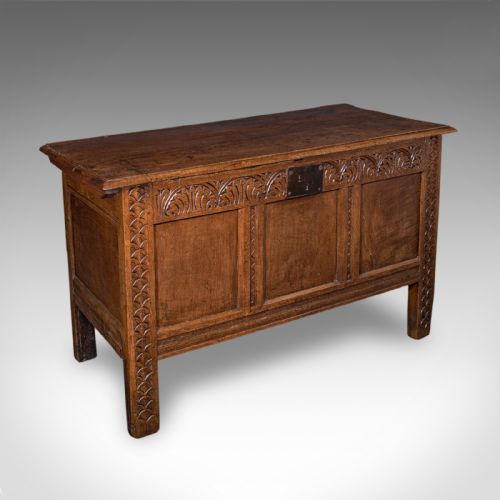
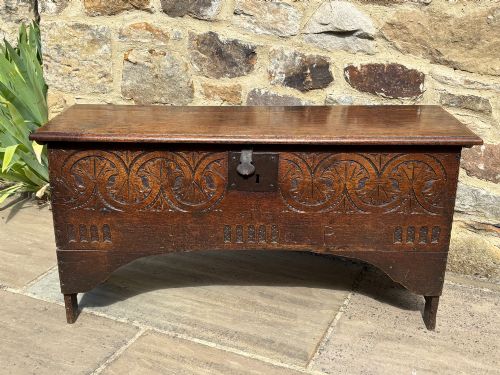
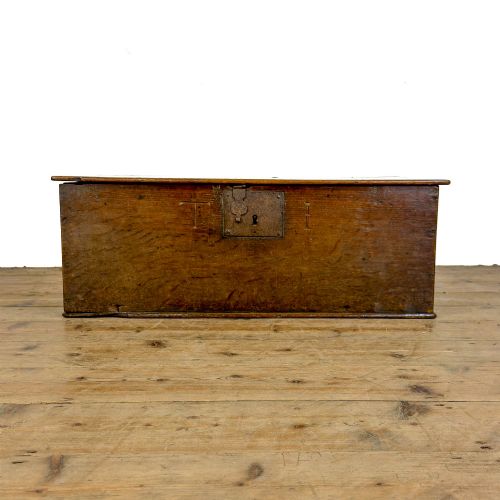
When you search for an english oak storage chest, you encounter a lineage of heavy domestic timber furniture spanning the sixteenth century to the early twentieth century. The selection ranges from boarded and panelled coffers to mule chests and low chests of drawers designed for household storage.
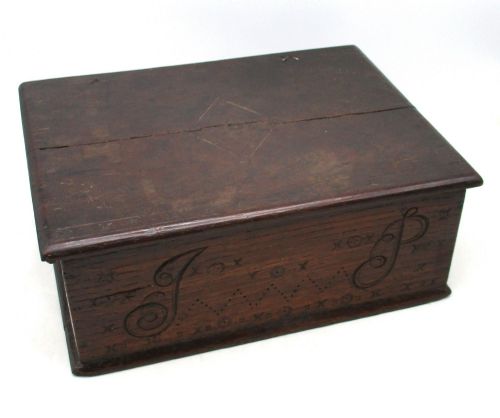
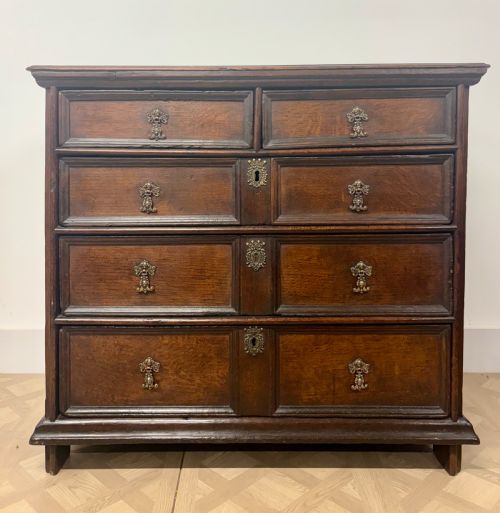
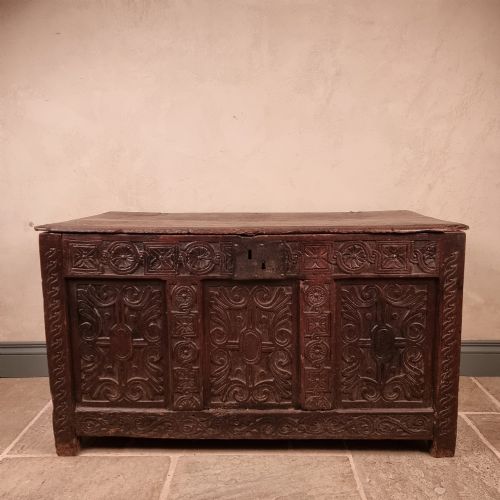
The seventeenth century provides a substantial portion of the material, featuring carved coffers and geometric chests alongside Georgian and Victorian iterations. Pieces include specialised forms such as bible boxes, document boxes, and silver chests fitted with iron hardware.
Origins are resolutely domestic, drawing on English country furniture traditions across periods like the Elizabethan, Jacobean, Charles II, and William and Mary eras. These items served as practical furniture for holding linens, clothes, and documents in period interiors.
Materials and Technique
Construction relies heavily on solid oak timbers, frequently supplemented by secondary woods such as elm, fruitwood, yew wood, and olive for decorative effect. Joinery methods involve traditional panel-and-frame construction, board construction, and dovetailing for drawer construction.
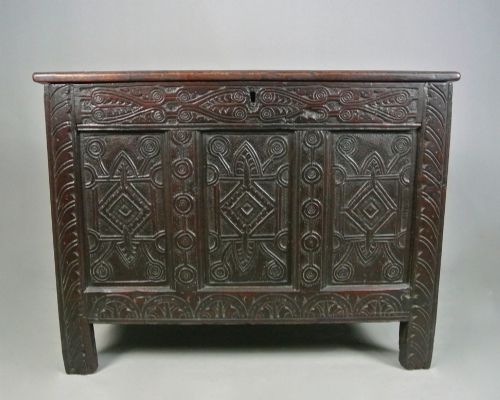
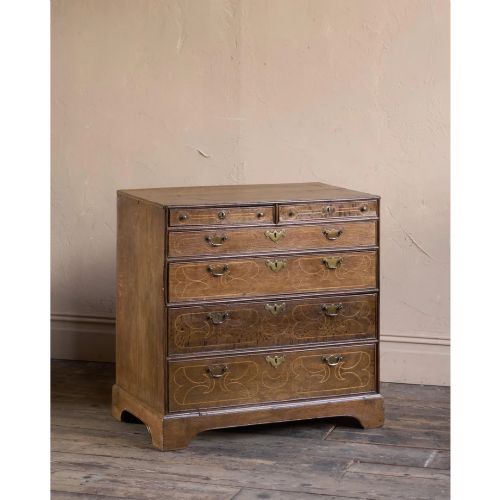
Surface ornamentation utilises carved details, arcading, geometric mouldings, and fruitwood inlay or oyster veneering. Iron and brass hardware, including hinges, locks, and carrying handles, secure the lids and drawers of these storage pieces.
Materials documented across the inventory include solid oak, brass, iron, fruitwood inlay, elm, olive, and yew wood.
Craftsmanship and Proportion
Distinctions in quality rest upon the crispness of the original carved decoration, the integrity of the timber framing, and the retention of period hardware. Pieces displaying sophisticated geometric mouldings, arcading, or masterly panel carving stand apart from simpler boarded examples.
Proportion and scale dictate desirability, with small proportions and miniature formats commanding particular attention from collectors. The survival of secondary timbers like olive oyster veneer or fruitwood inlay elevates the sophistication of the piece beyond standard utility.
Lambert London
The English Oak Storage Chest Glossary
- Coffer
- A large wooden chest used for storing valuables, linens, and household goods. These early forms often feature hinged lids and boarded or panelled construction.
- Mule chest
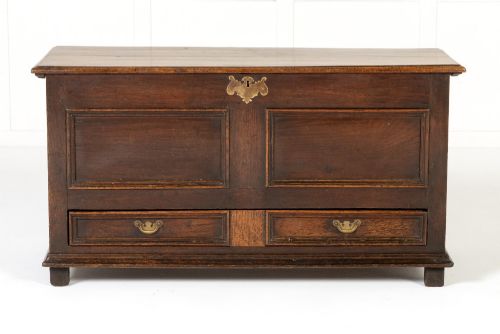
- A storage chest featuring one or two drawers beneath the main internal compartment. This transitional form combines the cavity of a coffer with the drawer utility of a chest.
- Oyster veneer
- Cross-sections of small branches sliced to resemble oyster shells, arranged in decorative patterns on cabinet furniture. This technique appears on high-status surfaces.
- Boarded construction
- A simple method of joining thick planks of timber together with nails or dowels rather than complex frames. It represents the earliest surviving trunk technique.
- Geometric moulding
- Raised wooden mouldings applied to drawer fronts and panels in symmetrical patterns. This decoration characterises late seventeenth-century case furniture.
English Oak Storage Chest: Frequently Asked Questions
What is an english oak storage chest used for?
These pieces served historically as secure receptacles for household linens, valuable documents, clothing, and silverware. Today they function as living room coffee tables, blanket boxes, and bedroom storage furniture.
Their robust timber construction allows them to endure daily domestic use while concealing modern items out of sight.
How do I date an antique oak coffer?
Dating relies on observing construction techniques, joinery marks, and stylistic motifs such as linenfold carving, arcading, or geometric mouldings. Sixteenth and seventeenth-century pieces typically employ hand-split oak boards and pegged frame-and-panel joints.
Later Georgian and Victorian examples introduce standardised drawer dovetailing, secondary woods, and machine-cut elements that distinguish them from earlier eras.
What is the difference between a coffer and a mule chest?
A coffer is a deep box with a hinged lid primarily accessed from the top, designed for bulk storage of textiles. A mule chest incorporates one or more drawers built beneath the main storage well.
This drawer addition emerged to provide easier access to stored clothing without requiring items on top to be removed.
How do I care for antique oak furniture?
Maintain the timber by keeping it away from direct heat sources and sudden humidity shifts that cause wood to split. Apply a microcrystalline wax periodically to nourish the dry grain and protect the surface.
Avoid harsh chemical cleaners or excessive moisture, using only a soft, dry cloth for routine dusting.