





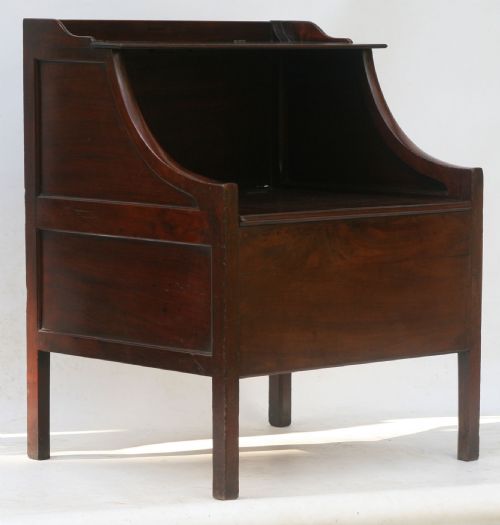
Antique Commode Chair
An antique commode chair is a piece of historical seating concealing a chamber pot, combining domestic utility with period craftsmanship.
Antique Commode Chair
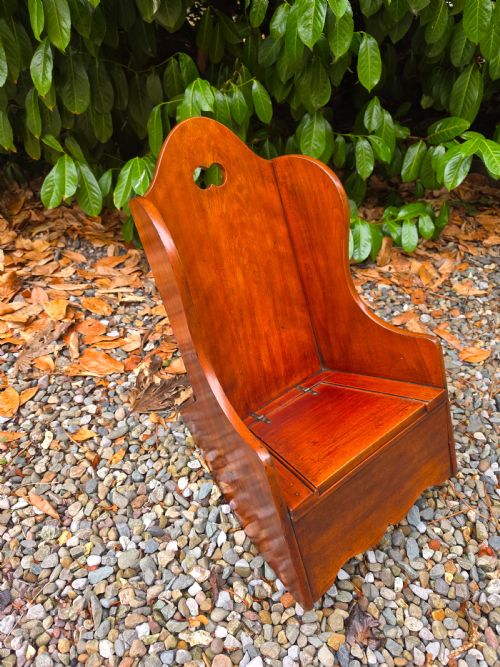
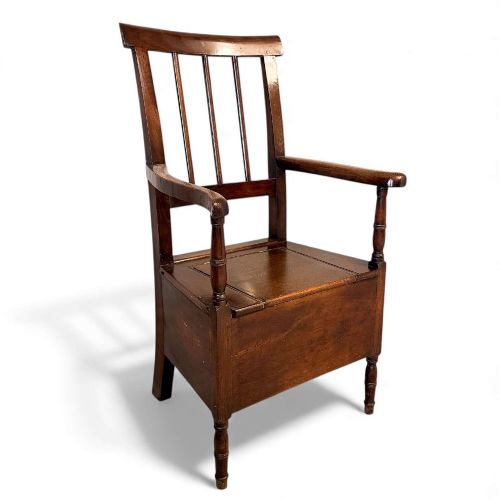
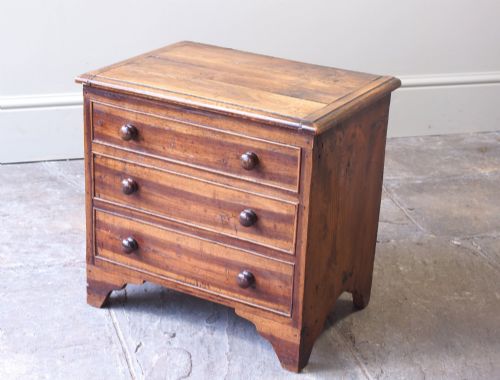
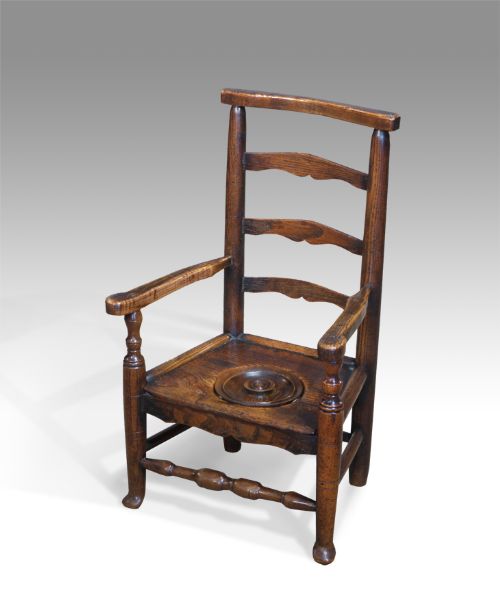
An antique commode chair is a seat designed to house a ceramic or porcelain pot beneath a removable lid or seat panel. These items span periods from the seventeenth century through to the Victorian era, taking forms such as armchairs, bedside tables, and childs chairs.
Examples range from early rustic oak close stools to refined Regency mahogany elbow chairs and country fruitwood or elm variants. Each piece reflects the interior sanitation and furniture design of its specific century.
How they were made
Joiners and cabinet makers constructed these chairs using solid native timbers such as oak, mahogany, elm, walnut, and fruitwood. Structural joints typically relied on traditional mortise and tenon construction to support daily seating and weight.
Surfaces were finished with wax or polish over woods like pine and ash, while finer Regency and Georgian pieces utilised mahogany veneers and brass hardware. Interiors often integrated fitted spaces to securely hold original ceramic or porcelain inserts.
Children received their own miniature sanitation furniture, as proven by the surviving potty rockers and nursery high chairs in the collection.
What varies in quality
The distinction between ordinary and superior examples lies in the selection of timber and the sophistication of the cabinet work. Dense figured mahogany and well-figured oak show greater attention by the original maker than utilitarian pine or fruitwood.
Integrity of design also separates standard pieces from exceptional ones, particularly where mechanisms, hinged seats, and internal compartments remain unaltered. The presence of original ceramic or porcelain pots adds considerable integrity to a surviving piece.
The Antique Commode Chair Glossary
- Close stool
- A box-like cabinet or seat enclosing a chamber pot. Early examples date to the seventeenth century and often feature heavy oak construction.
- Potty rocker
- A small child's chair mounted on rocking wooden bases with an integrated commode seat. These nursery items frequently appear in fruitwood and ash.
- Step commode
- A dual-purpose library step and commode chair popular during the Regency and George III periods. It folds to conceal the interior basin.
- Elbow chair
- An armchair featuring structural armrests flanking the seated area. Many commode chairs utilise this open armchair format to mimic standard dining seating.
Antique Commode Chair: Frequently Asked Questions
How were antique commode chairs used?
These chairs served as indoor sanitation devices before modern plumbing, placed in bedrooms or dressing rooms.
Users lifted the seat or lid to access an internal ceramic or porcelain pot, which servants emptied and cleaned daily.
How do I clean an antique commode chair?
Maintain the timber surfaces by applying natural beeswax and buffing gently with a soft cloth.
Avoid liquid cleaners and excessive water to protect old polishes and historical wood grain.
Are original pots usually included?
Some surviving pieces retain their original ceramic or porcelain inserts, while others have lost them over centuries of use.
Replacements can be sourced, though an intact original pot adds historical completeness to the piece.
How can I tell the period of a commode chair?
Examine the wood species, construction techniques, and stylistic details such as cabriole legs or reeded Regency arms.
Earlier pieces from the seventeenth and eighteenth centuries typically employ heavy oak or walnut, whereas Victorian examples feature darker mahogany or elm.