




Georgian Commode Stool
A georgian commode stool is a clever piece of hidden utility, offering period seating that cleverly conceals domestic necessities within traditional timber cabinets.
Georgian Commode Stool
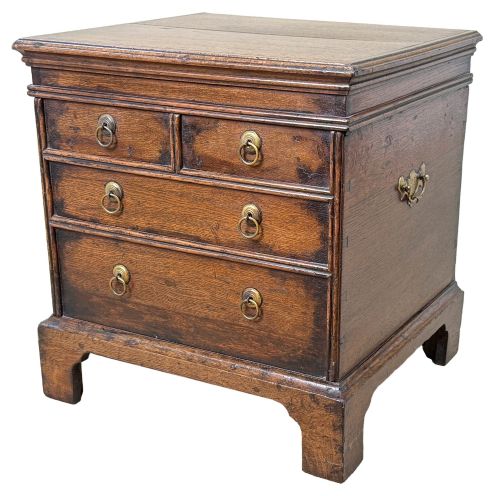
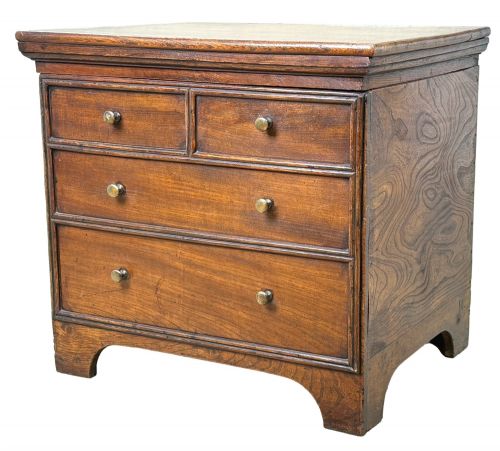
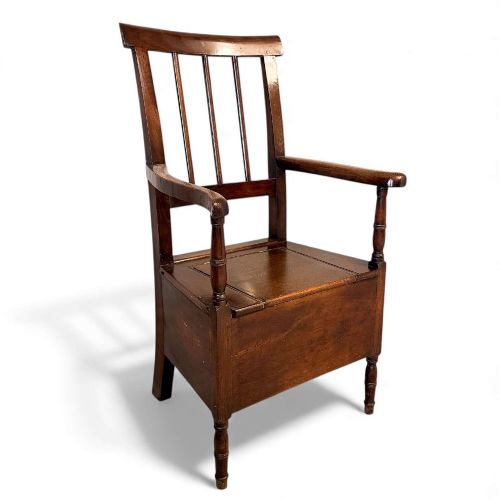
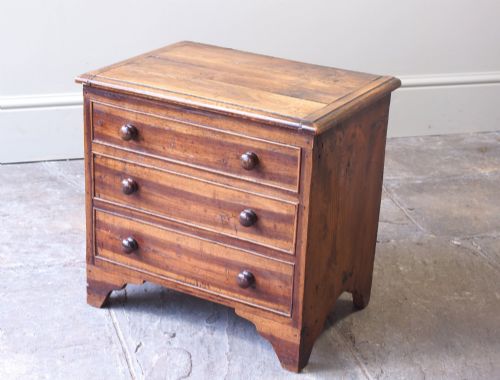
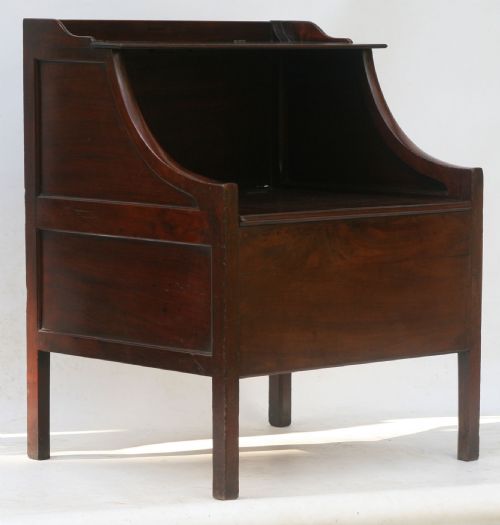
A georgian commode stool typically takes the form of a small bedside chest, an armchair, or a box stool designed to hide a chamber pot. These pieces date predominantly from the eighteenth century, with examples spanning into the regency period and occasional early ventures from the seventeen hundreds.
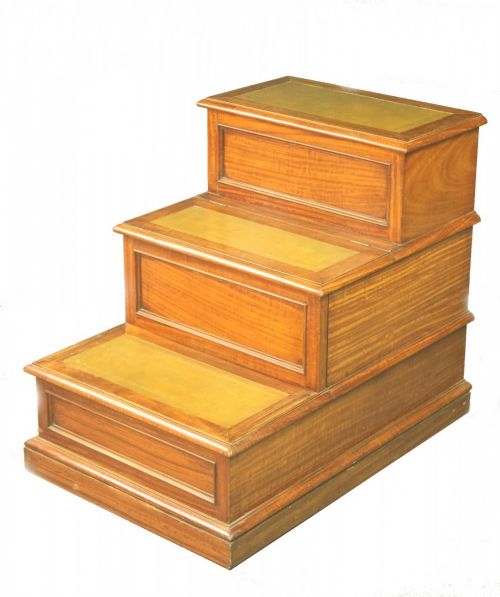
The most common formats on this page include oak and mahogany close stools disguised as miniature chests of drawers or panelled armchairs. Buyers also encounter multi-functional variants such as library steps or bedsteps that incorporate commode compartments within their rising tiers.
Regional variations appear in domestic timbers like elm, walnut, and welsh oak, alongside primitive vernacular styles. Each form prioritises discrete domestic convenience beneath polished cabinetwork or rustic construction.
Judging quality in domestic cabinets
Quality rests upon the selection of timber and the ambition of the disguising form. A box stool disguised as a neat bedside chest demands finer joinery and more careful veneer work than a simple panelled close stool.
Proportion and structural survival separate standard vernacular pieces from sophisticated urban cabinetwork. The integrity of the interior framing and the retention of original brass hardware contribute significantly to the standing of any given example.
Listings feature oak, mahogany, walnut, elm, and satinwood across the eighteenth and nineteenth centuries.
J.Jarvis
The Georgian Commode Stool Glossary
- Close stool
- A cabinet or chair enclosing a pan or receptacle, designed to serve a private sanitary function in a bedchamber. These objects date largely to the eighteenth century.
- Bedsteps
- A set of portable wooden stairs used to reach high four-poster beds, frequently constructed with hinged treads that reveal a hidden commode interior. Regency examples often demonstrate particular ingenuity.
- Vernacular
- Furniture made by local regional craftsmen using readily available native timbers without adherence to high London court styles. This includes primitive pine and country oak pieces.
- Squab cushion
- A loose removable mattress or pad placed over the wooden seat of a chair or stool for comfort. They are traditionally upholstered in leather or woven fabric.
- Box stool
- A seat featuring a hinged lid opening to a hollow interior cavity. In this context, the cavity houses the utilitarian ceramic container.
Georgian Commode Stool: Frequently Asked Questions
What is a georgian commode stool?
A georgian commode stool is a piece of antique furniture designed to conceal a chamber pot beneath a hinged seat or within a cabinet enclosure. These items allowed for discrete sanitation in bedrooms before modern plumbing.
They appear as small chests, armchairs, or box stools, typically fashioned from timbers like oak and mahogany to match other bedchamber furnishings.
How were these stools used?
These pieces served a daily domestic function in eighteenth and nineteenth-century bedchambers as private sanitary seats. Users lifted the top panel or cabinet door to access the interior porcelain or earthenware vessel.
Many designs doubled as standard chairs, bedside tables, or library steps when closed, hiding their utilitarian purpose entirely from casual visitors.
How do I spot a converted piece?
Look closely at the interior joinery, internal framing modifications, and the presence of ventilation holes typical of enclosed cabinet commodes. Alterations to the base or front panels often reveal whether a standard chest was later adapted.
Original hardware, such as brass carrying handles on the sides, frequently supports the authenticity of the form.
Where should I place one at home?
These compact pieces fit naturally beside a bed as a small cabinet, or function as a distinctive side table in a hallway or bathroom. Their enclosed storage makes them practical for hiding modern clutter while adding period character.
Ensure the timber is kept away from direct heat sources to preserve the historic polish and structural integrity of the wood.