
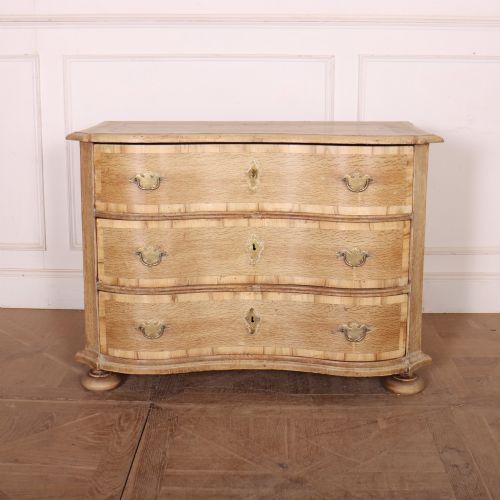
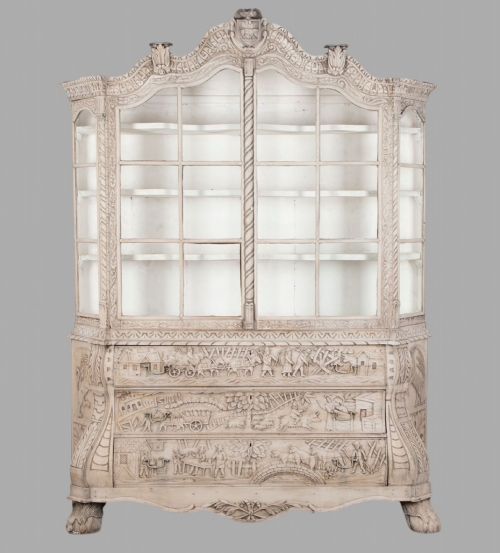
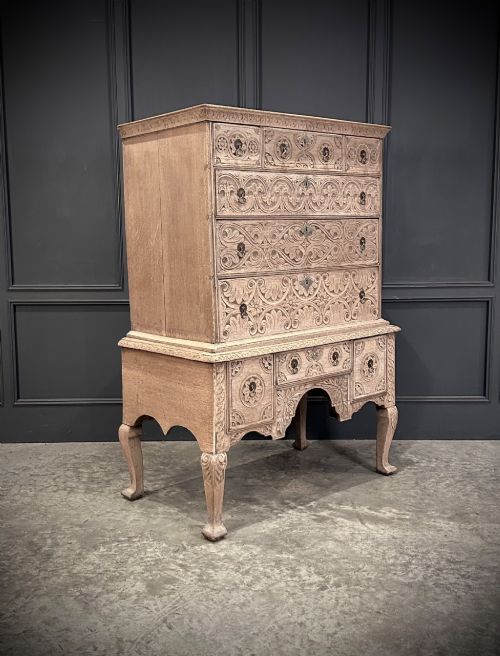
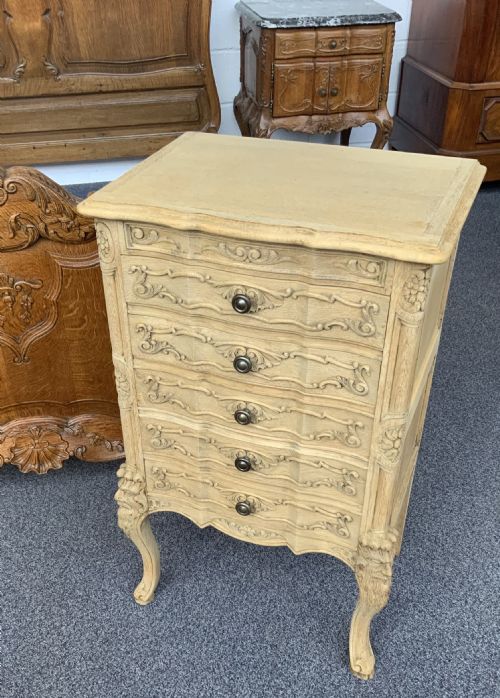
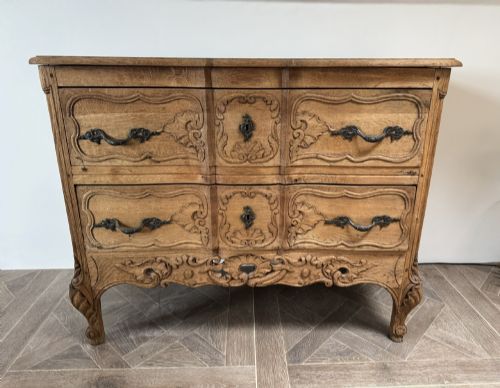


Bleached Oak Chest
A bleached oak chest brings a pale, relaxed warmth to a room while holding onto the solid weight of traditional timber.
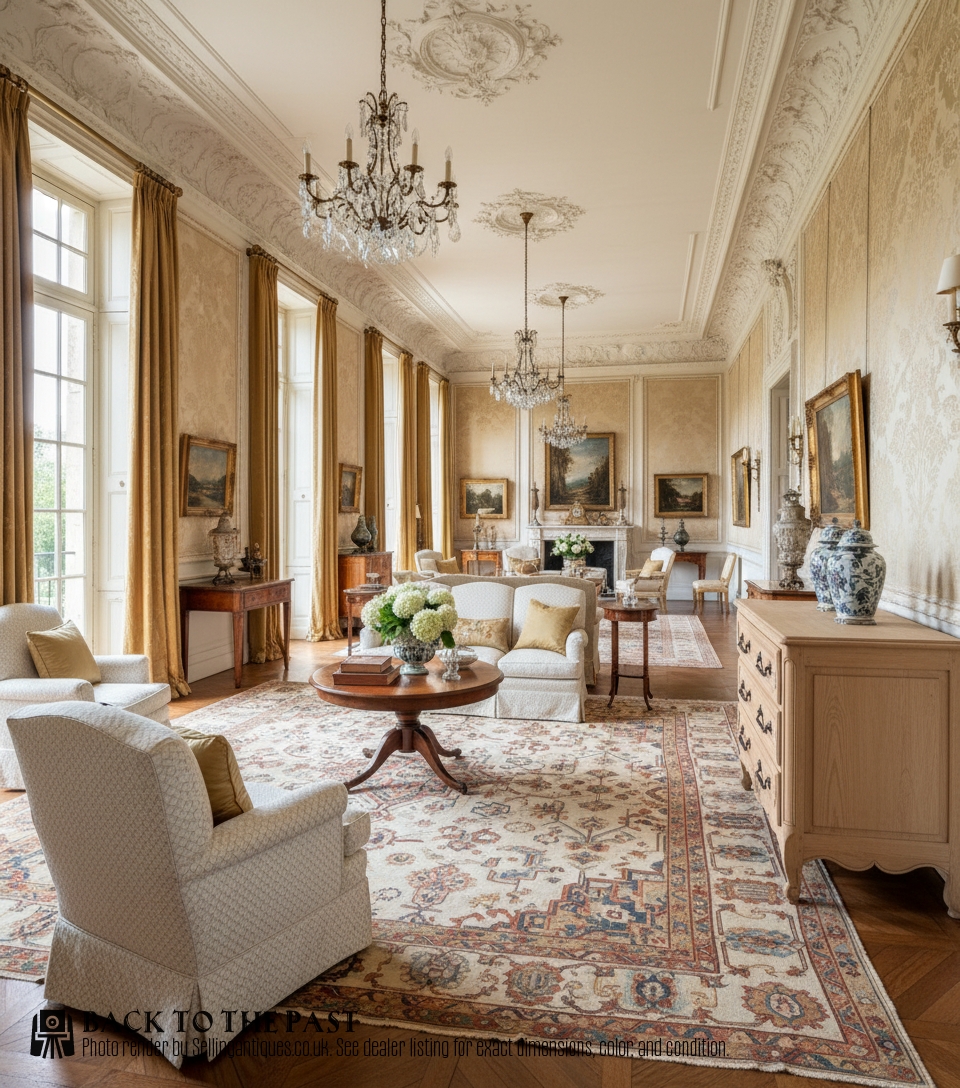
Bleached Oak Chest
When you search for a bleached oak chest, you look at storage furniture that ranges from simple drawer units to elaborate commodes and tall pieces on stands. These items span the eighteenth and nineteenth centuries alongside early twentieth-century examples, bringing historic utility into domestic spaces.
French provincial commodes appear most frequently on this page, often showing carved drawer fronts and serpentine or bombe shapes. Alongside these continental pieces, Georgian items and Dutch rococo designs provide alternative silhouettes with deep proportions and substantial brass hardware.
The finish defines the group, softening the dark grain of traditional oak into pale tones that suit modern and traditional interiors alike. Pieces arrive either stripped and bleached in modern times or weathered softly over centuries of exposure and cleaning.
Construction and Materials
Makers built these pieces primarily from solid oak, frequently incorporating walnut or secondary timbers in internal drawer linings and back panels. Structural joinery relies on dovetailed drawer construction and mortise and tenon frames that maintain stability across seasonal changes in humidity.
Surface treatments range from historic liming to contemporary chemical bleaching designed to strip dark wax and polish from the grain. Metal elements such as brass handles and iron hinges secure the structural elements while adding contrast to the pale timber.
Bleached Oak Chest Retail Price Guide 2026
Typical asking prices for bleached oak chest among the pieces listed under this phrase on Sellingantiques today, from the lower quarter to the upper quarter. They describe what is for sale here now, not the wider market.
Some chests retain seventeenth-century curse marks hidden behind drawer stops to ward off mischievous household spirits.
Judging Quality
Quality rests upon the crispness of the original carving and the balance of the proportions, particularly in continental bombe and serpentine forms where curves must flow naturally. Superior examples retain their original brass mounts and locks, whereas replacement hardware alters the historic integrity.
The integrity of the timber surface determines the visual success of the piece, distinguishing subtle, even lightening from harsh chemical stripping that leaves the grain dry. Drawer action and internal side guides that run smoothly without excessive wobble indicate careful initial joinery and subsequent maintenance.
The Bleached Oak Chest Glossary
- Commode
- A low chest of drawers or cabinet originating in France, typically standing on relatively tall legs. They often serve as bedroom or reception room storage.
- Bombé
- A swelling, outward-curving chest shape associated with rococo styles from the continent. This technique requires advanced cabinetmaking skill to shape thick timber.
- Serpentine
- A front line or surface curving inward centrally and outward at the ends, creating a gentle wave effect. It appears frequently on drawer fronts and tabletops.
- Limed oak
- Timber treated with a white compound to highlight the open grain patterns. The finish provides a pale appearance distinct from modern bleaching.
- Chest on stand
- A tall drawer section elevated on a separate framework of legs connected by stretchers. This form raises storage off the floor for easier access.
Bleached Oak Chest: Frequently Asked Questions
How do I clean bleached oak?
Dust surfaces regularly with a soft, dry cloth to prevent dirt accumulation within the open grain of the pale timber. Avoid wet cloths and modern silicone polishes, which can darken the stripped surface or leave a greasy residue.
Apply a light coat of clear, neutral paste wax occasionally if the wood appears dry, buffing it thoroughly to maintain the soft sheen. Test any cleaning product on a hidden rear corner before applying it to the main facade.
Are these chests heavy to move?
Solid oak construction imparts considerable weight, making these chests substantially heavier than modern veneer or pine furniture. Removing the drawers before transport reduces the load and protects internal runners from sudden impacts.
Two people are generally required to lift and reposition larger commodes or chest on chest configurations safely. Take care to lift from the base frame rather than decorative mouldings or applied carvings.
Will bleached oak fit modern interiors?
The neutral, pale tone of bleached oak bridges traditional craftsmanship and contemporary interior aesthetics with ease. The natural grain texture softens minimalist spaces without introducing the heavy darkness of unstripped period timber.
These pieces pair well with neutral stone floors, plastered walls, and contemporary fabrics while retaining authentic historic character. Their versatile scale suits bedrooms, hallways, and living spaces alike.
How do I date an oak chest?
Examine the drawer construction for hand-cut dovetails and the backboards for tool marks left by pit saws or early machinery. Irregularities in the timber thickness and hand-forged iron nails point toward eighteenth or early nineteenth-century origins.
Compare the silhouette and carving style against known regional designs, noting that French provincial and Georgian pieces display distinct stylistic markers. Secondary woods inside the carcass often provide clues to the geographic origin of the piece.