


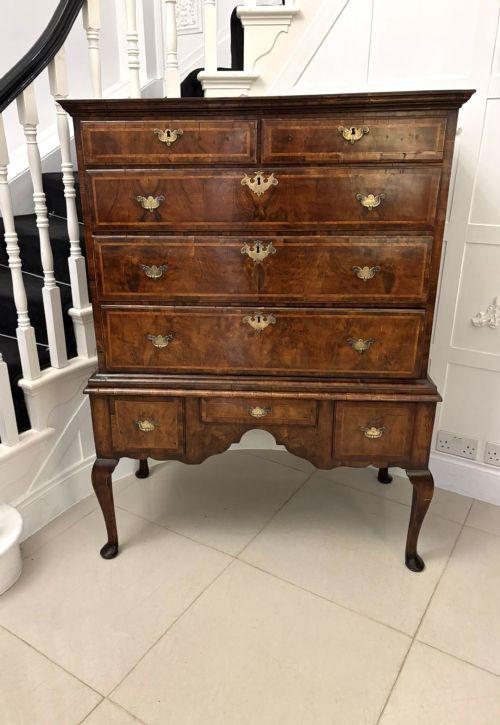
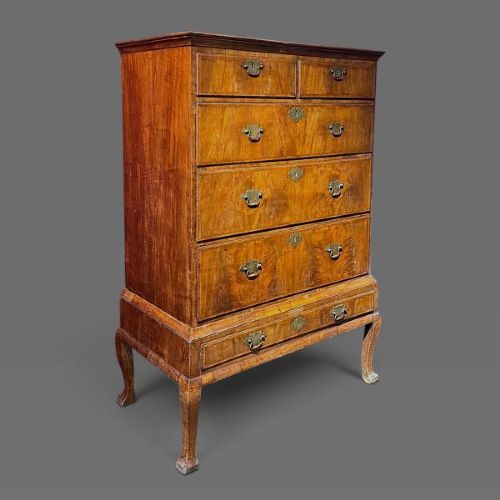
18th Century Highboy
An 18th century highboy is a towering stacked storage form bringing monumental presence and practical division to period interiors.
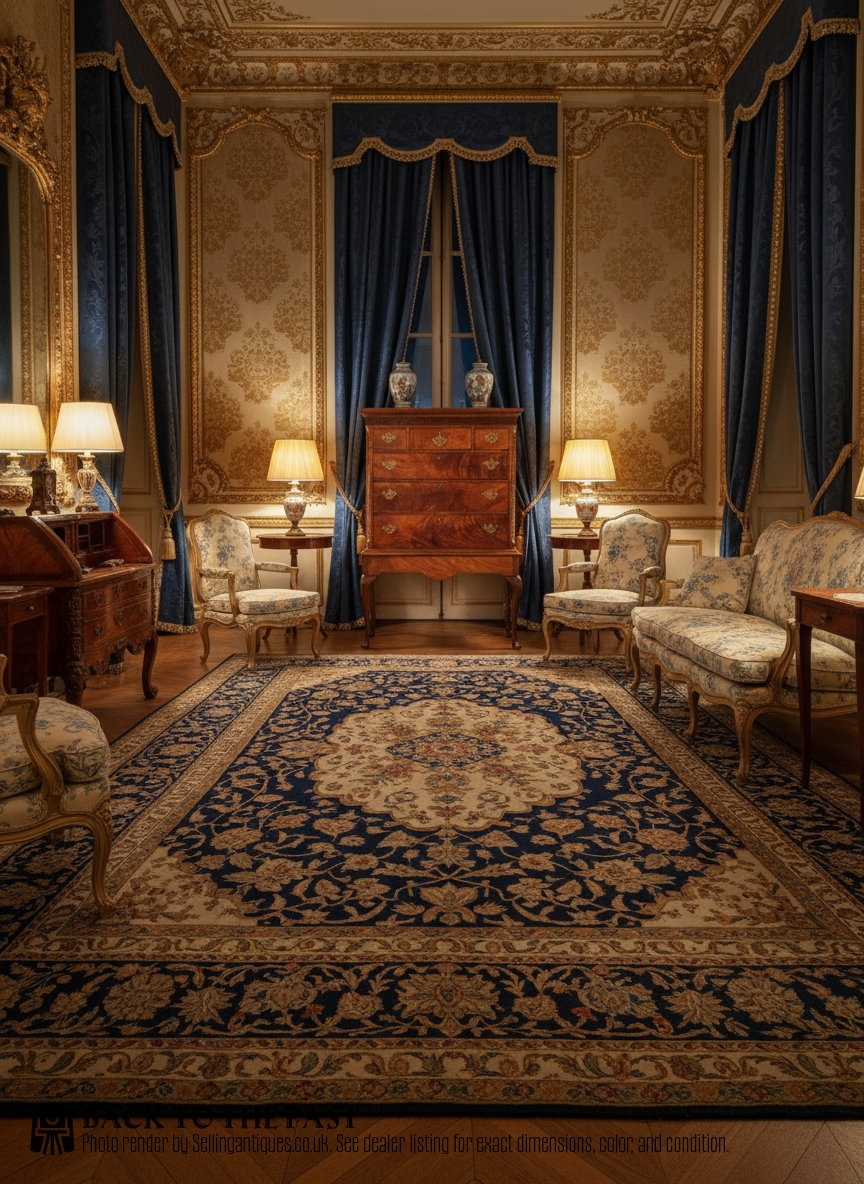
18th Century Highboy
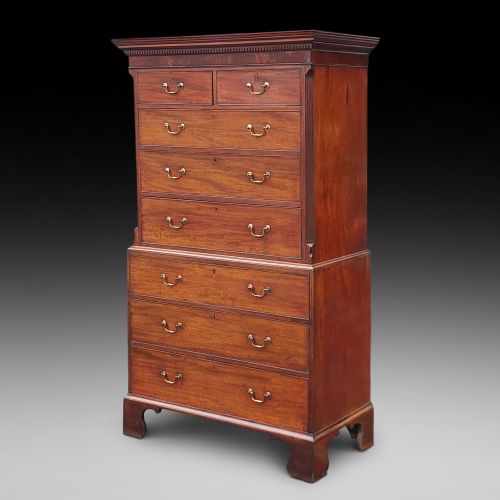
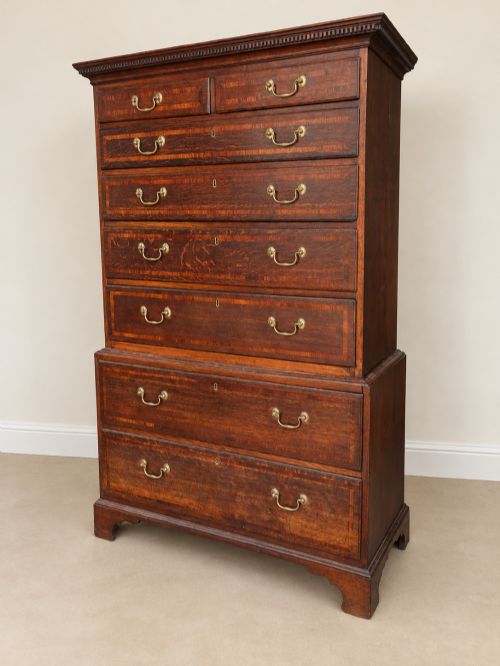
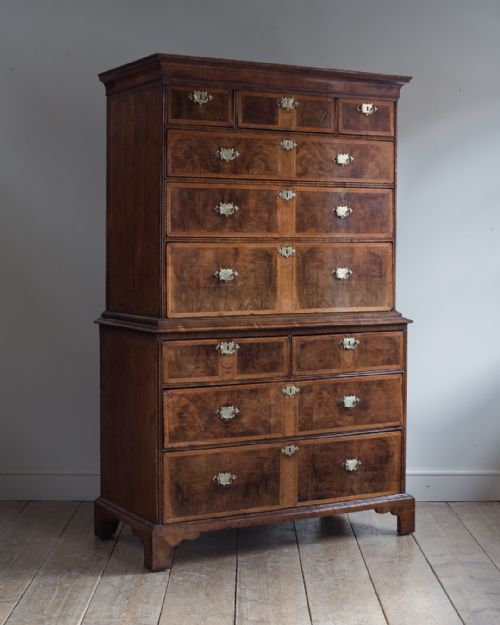
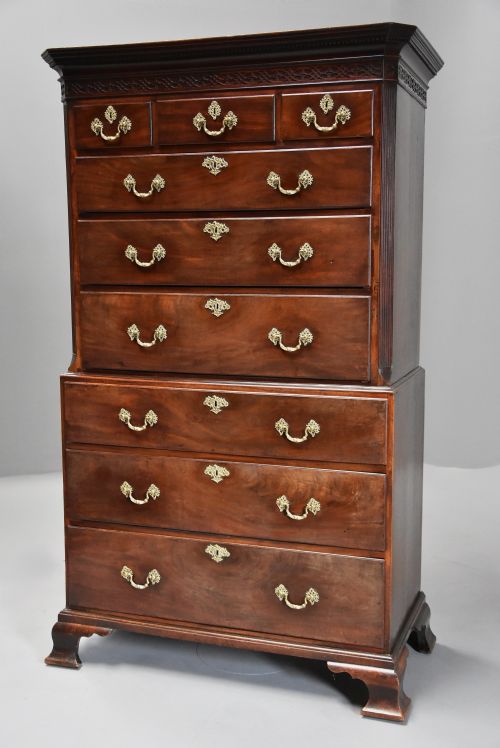
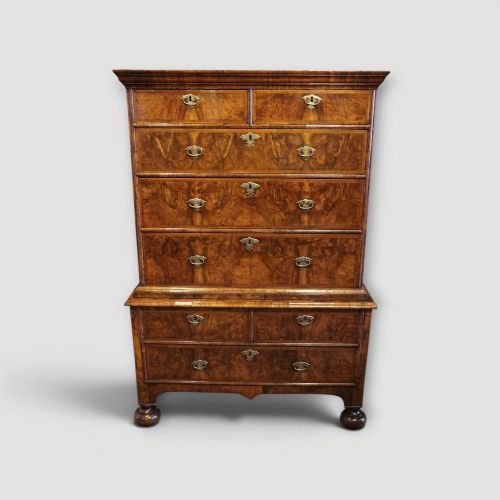
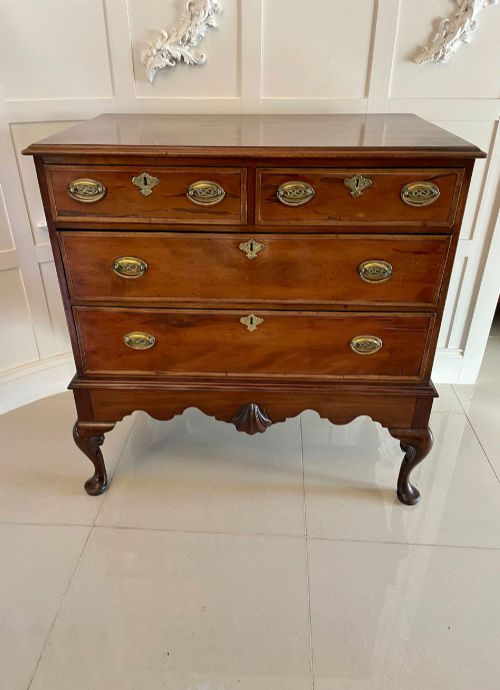
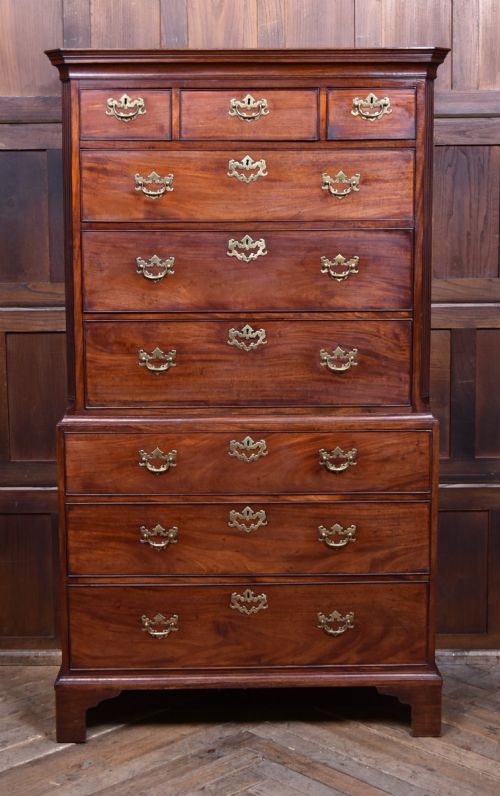
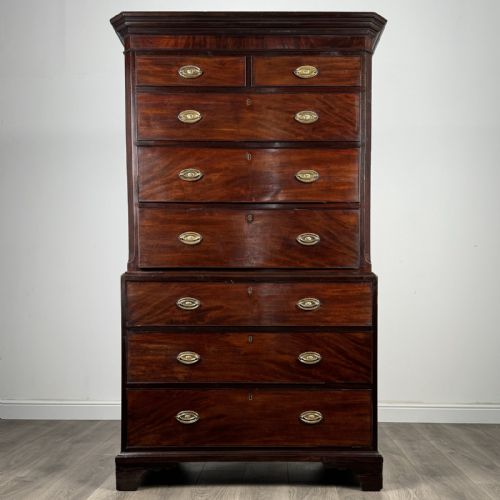
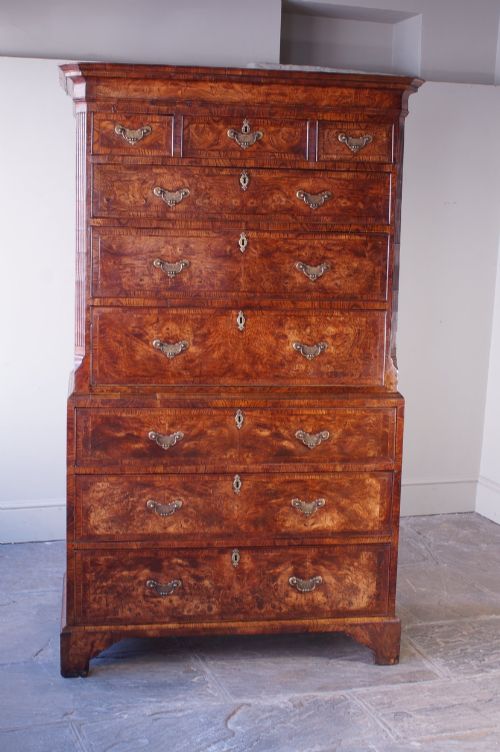
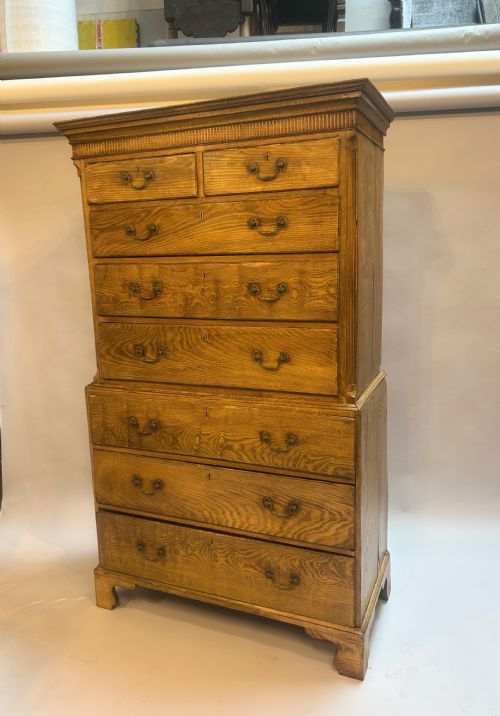
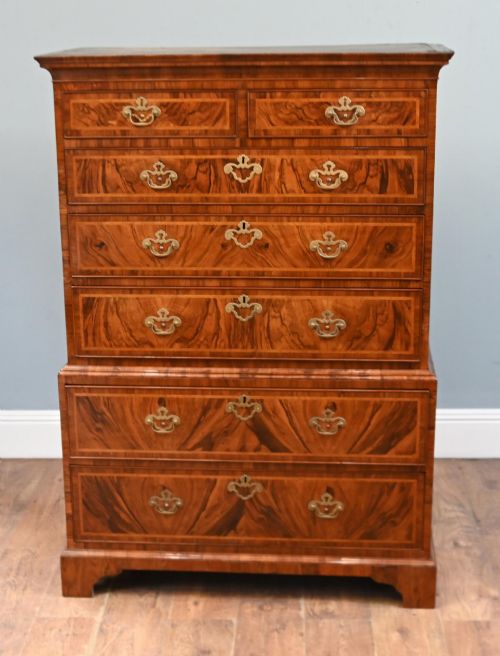
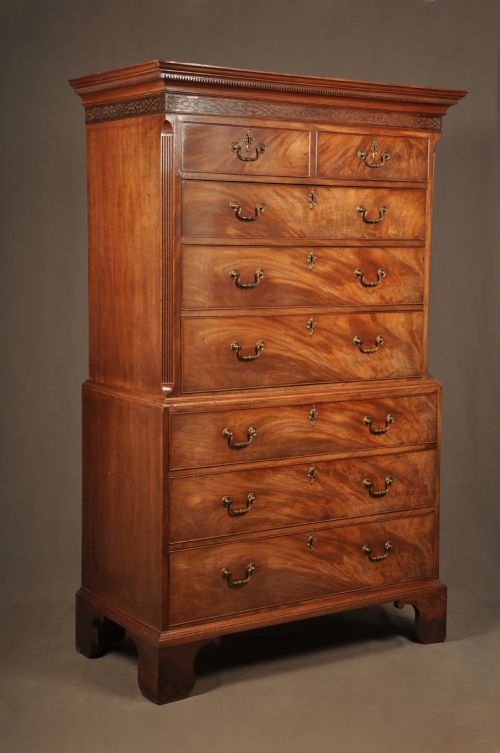
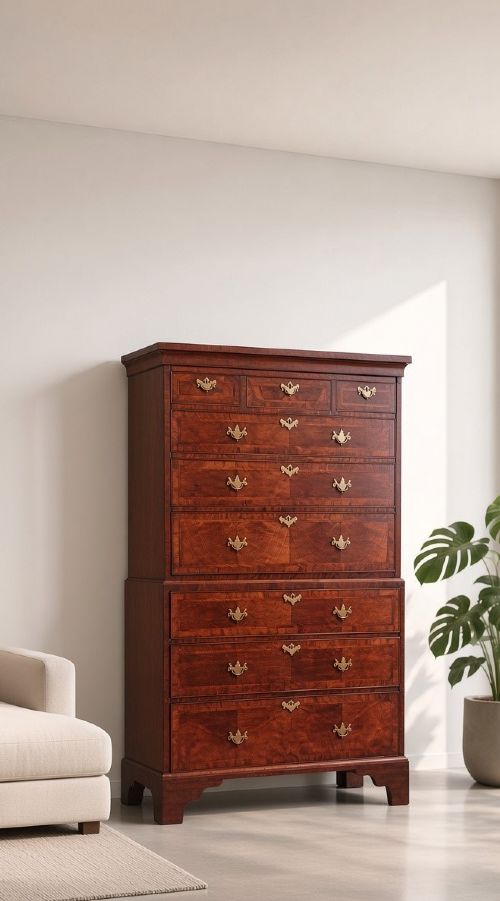
An 18th century highboy encompasses chest on chest and chest on stand configurations, combining upper and lower sections for substantial vertical storage. These pieces bridge several stylistic eras including Queen Anne, George I, George II, George III, and Dutch Neo-Classical designs.
The versions met most frequently on this page span walnut, oak, and mahogany, reflecting the changing tastes of cabinet makers across the Georgian century. Examples range from compact oak and walnut stands to towering mahogany chests on chests and secretary variants.
Materials and Construction
Cabinet makers utilised native and imported timbers, pairing structural oak with decorative veneers of walnut, burr walnut, and mahogany. Crossbanding, fruitwood inlay, and Dutch marquetry decorated the primary surfaces while maintaining the rigid frame needed to support the stacked weight.
Joinery techniques united the upper and lower carcases securely, often incorporating bracket feet, cabriole legs, or shaped stands. Original brass handles and backplates completed the construction, functioning as essential mechanical fixings.
18th Century Highboy Retail Price Guide 2026
Typical asking prices for 18th century highboy among the pieces listed under this phrase on Sellingantiques today, from the lower quarter to the upper quarter. They describe what is for sale here now, not the wider market.
Current listings feature pieces spanning the 17th through the 20th centuries, executed in oak, walnut, mahogany, elm, and fruitwood.
Proportion and Surface
Quality separates along the lines of timber selection, figure consistency, and the preservation of original surfaces. Pieces displaying highly figured burr walnut veneers or well-matched mahogany grains command greater attention from collectors.
Proportion and the integrity of the original stand or base dictate the structural harmony of the piece. Associated stands or heavily altered carcases change the balance of the form, distinguishing standard cabinet work from superior examples.
The 18th Century Highboy Glossary
- Chest on chest
- A two-part form comprising a larger upper chest mounted directly on a slightly wider lower chest of drawers. This configuration maximises vertical storage capacity while dividing the weight for transport.
- Chest on stand
- A drawer chest elevated on an open base with legs, typically connected by stretchers. This lighter form often dates from the earlier Queen Anne and George I periods.
- Tallboy
- A tall storage piece denoting either a chest on chest or a single high chest of drawers. The term groups several vertical multi-drawer forms together.
- Crossbanding
- A decorative border technique where thin strips of veneer are laid with the grain running perpendicular to the main panel. This frames the drawer fronts and primary surfaces.
- Marquetry
- Elaborate veneer patterns formed from pieces of contrasting wood and other materials to create pictorial or floral designs. Dutch examples frequently employ this technique across the entire facade.
18th Century Highboy: Frequently Asked Questions
What is a highboy?
A highboy is a tall piece of furniture featuring a chest of drawers stacked upon a lower stand or a second larger chest.
These forms provided maximum storage capacity while occupying a compact floor footprint in period rooms.
How do I date an 18th century highboy?
Dating relies on identifying the primary timber, hardware, and leg style associated with specific decorative periods.
Walnut and cabriole legs point toward the earlier decades, whilst mahogany and bracket feet align with the later Georgian era.
Where were these pieces used?
Highboys served as primary bedchamber and parlour furniture for storing garments, linens, and valuables.
Their elevated design kept contents away from floor drafts and dust in homes of the period.
What is the difference between a chest on chest and a chest on stand?
A chest on chest stacks two enclosed drawer sections directly on top of one another for maximum volume.
A chest on stand raises a single drawer section upon an open frame with legs, creating a lighter visual profile.
How do I care for walnut veneer?
Walnut veneer requires stable indoor humidity levels and protection from direct sunlight to prevent drying and lifting.
Regular dusting with a dry cloth maintains the finish without introducing harmful moisture to the historic timbers.