



Welsh Stick Chair
A welsh stick chair is a vernacular country seat built by regional makers from native timbers like ash and elm.
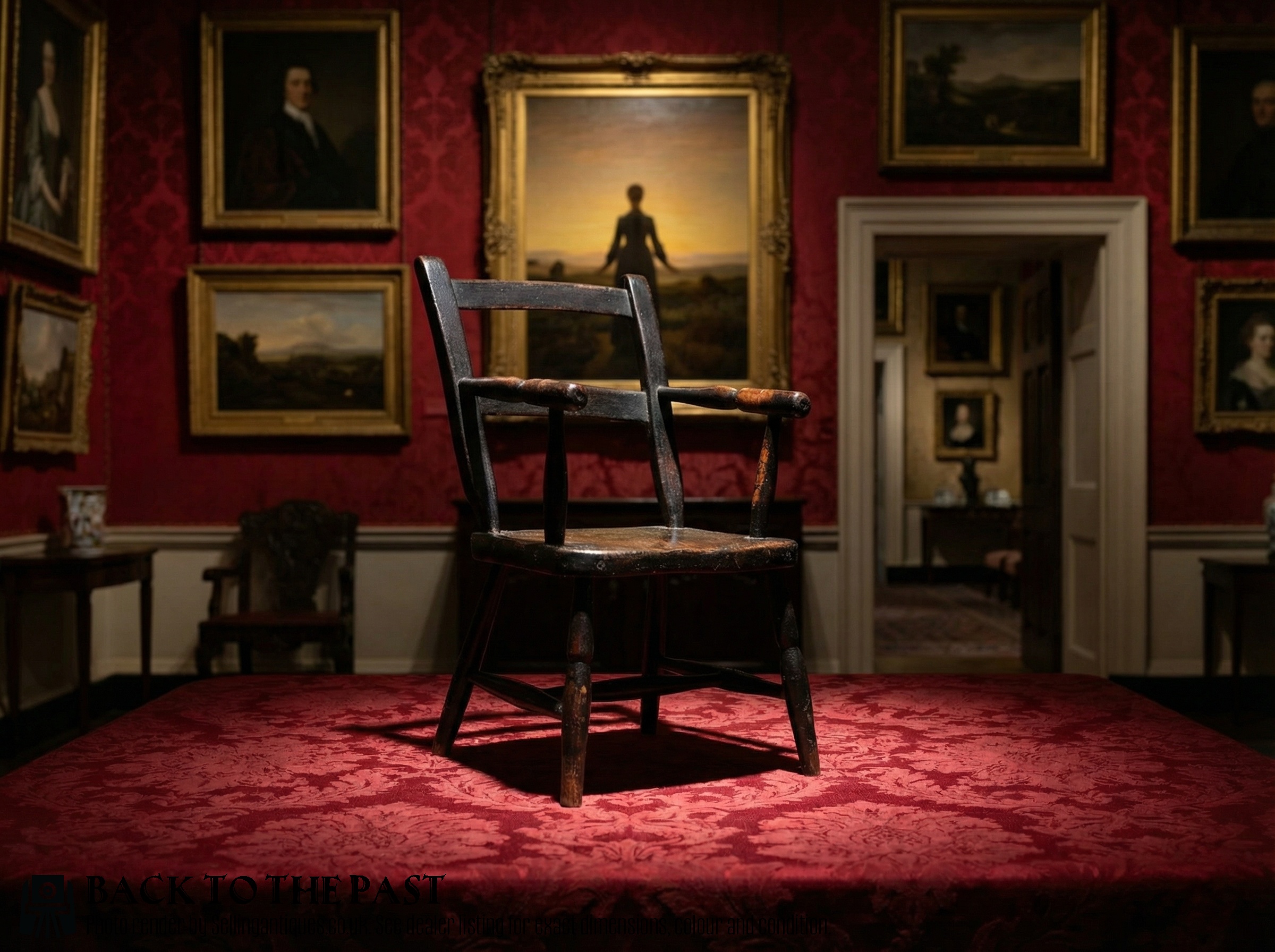
Welsh Stick Chair
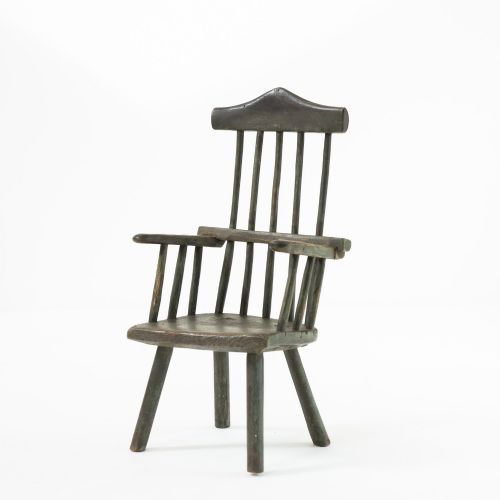
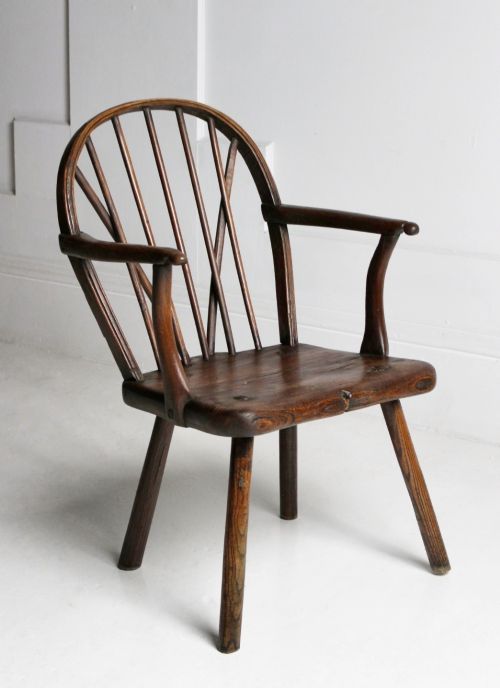
A welsh stick chair is a traditional form of country seating grounded in vernacular British furniture making. These pieces include adult armchairs, high back Windsors, low stick back designs, and smaller children's examples.
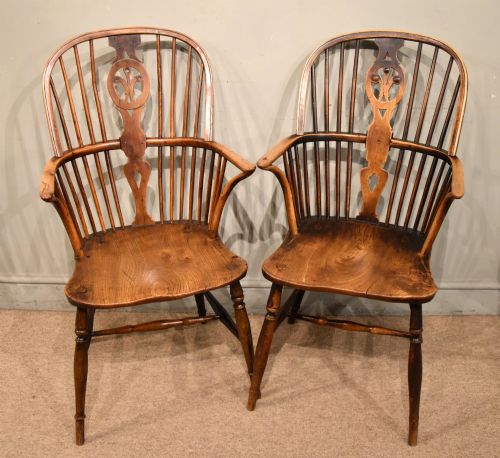
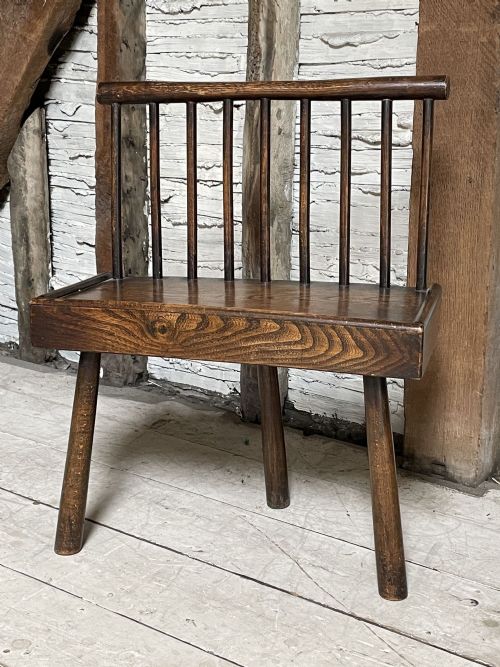
The most common items on this page span the eighteenth and nineteenth centuries, often attributed to specific regions such as Carmarthenshire, Montgomeryshire, and the Swansea Valley. Makers utilised local timber traditions, producing sturdy armchairs, comb back Windsors, and settles.
Forms range from simple hoop back stick chairs to elaborate comb back designs known locally as lobster pot chairs. They served practical domestic and rural functions in farmhouses and cottages across Wales.
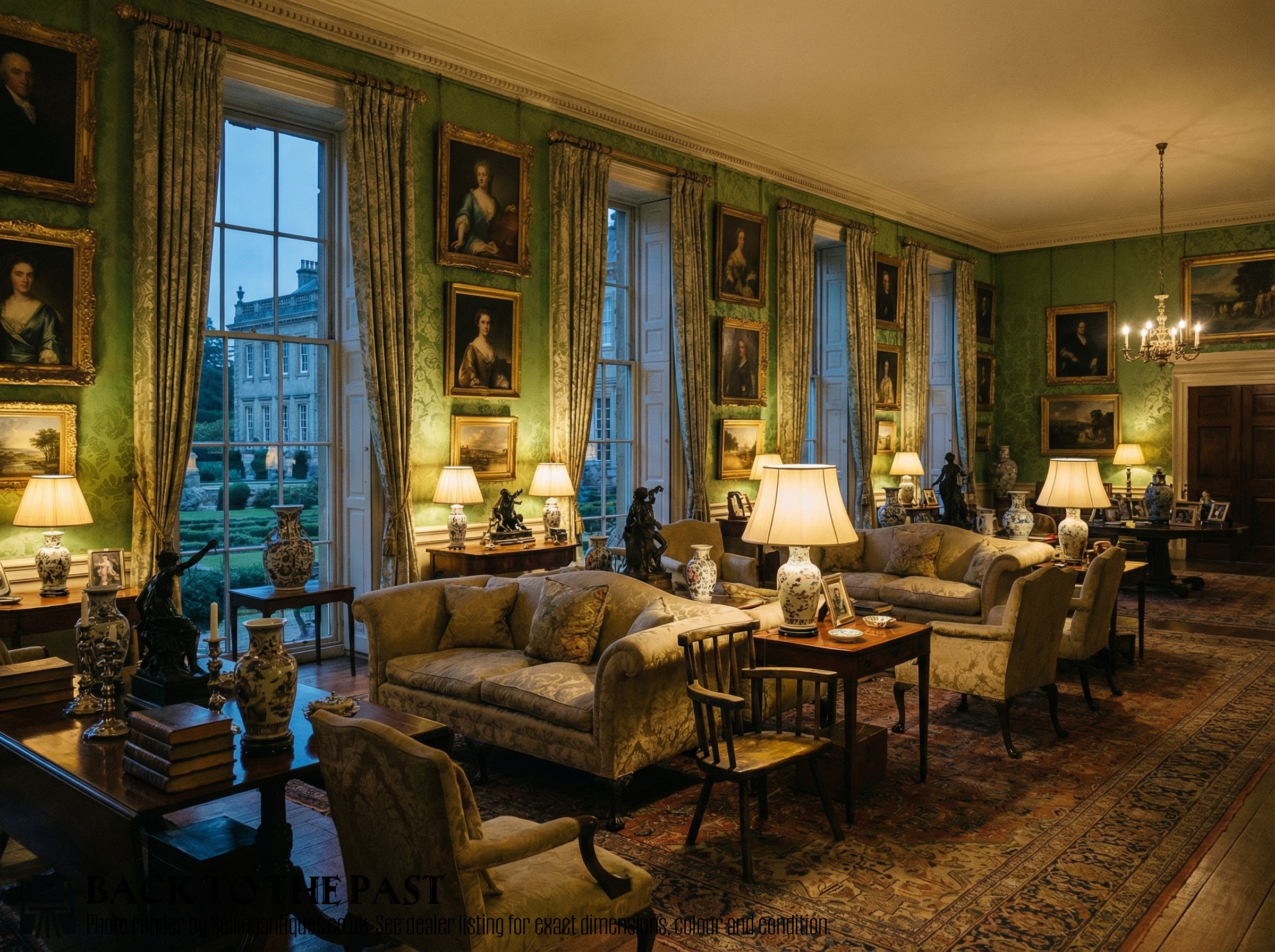
Materials and construction
Makers built these seats using a combination of native hardwoods, most frequently pairing elm for solid carved seats with ash for spindles, legs, and bentwood components. Oak, beech, and burr elm also appear in the construction, alongside painted surfaces.
The primary technique involved boring holes directly into a thick plank seat to receive wedged legs and upright sticks, creating a rigid and durable framework. Bent ash created the hoop or comb backs characteristic of the regional Windsor styles.
Welsh Stick Chair Retail Price Guide 2026
Typical asking prices for welsh stick chair among the pieces listed under this phrase on Sellingantiques today, from the lower quarter to the upper quarter. They describe what is for sale here now, not the wider market.
Even the smallest child's chair received the same robust stick-and-slab construction as adult versions.
Separating the ordinary from the exceptional
Quality rests upon the selection of timbers, the balance of proportions, and the integrity of the original construction. Chairs featuring highly figured burr elm seats or well-figured ash bendings display superior craftsmanship.
The sophistication of the turning on the legs and arm supports distinguishes standard vernacular pieces from masterworks. Untouched surfaces that retain early paint or rich patination elevate an example above later, heavily restored pieces.
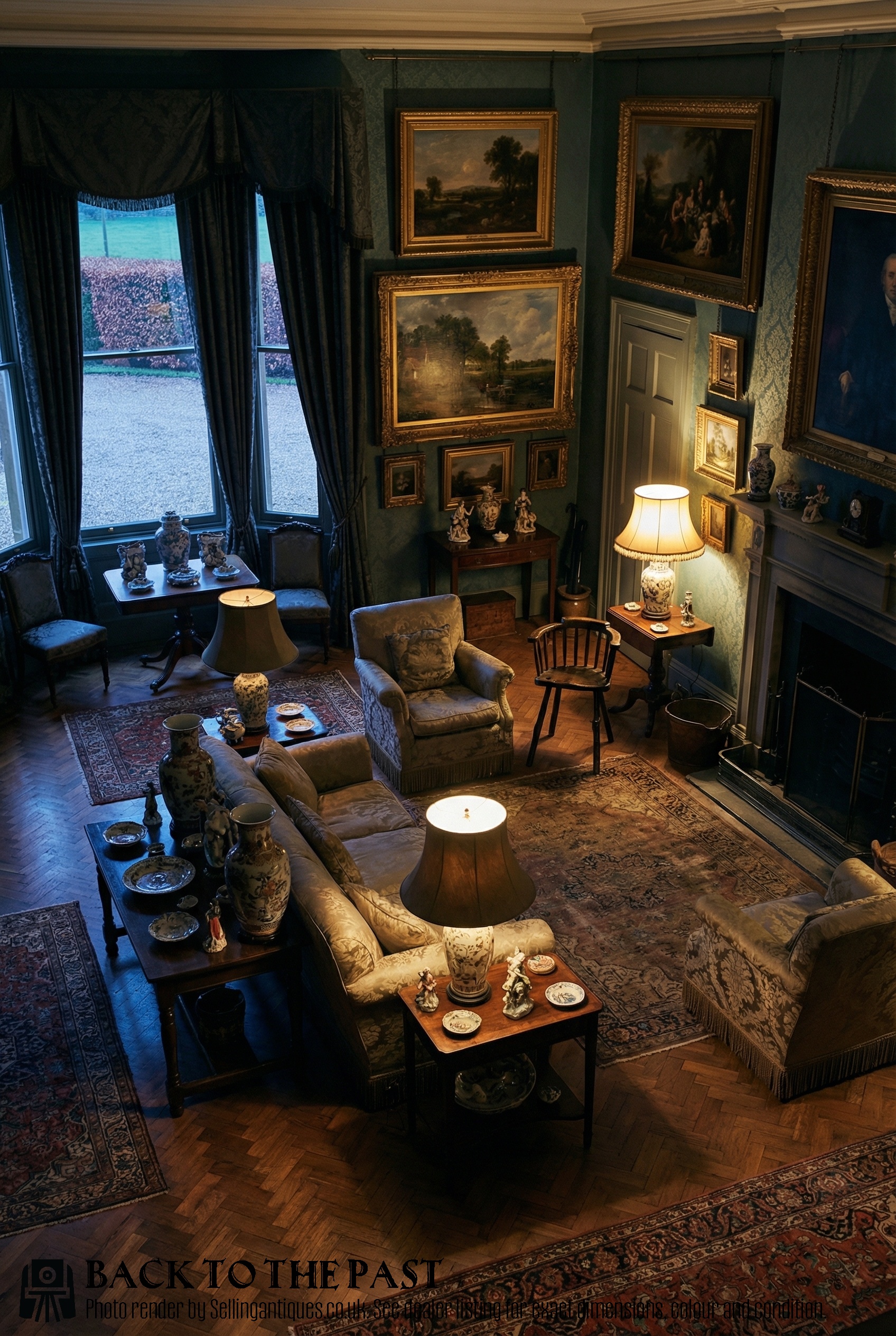
The Welsh Stick Chair Glossary
- Stick back
- A chair construction method where turned or cleft sticks form the backrest by fitting directly into holes bored through the seat. This method defines the primary structure of regional country seating.
- Comb back
- A Windsor chair variation where the vertical spindles extend upward to support a top rail resembling a traditional hair comb. This profile often includes shaped ears or a distinct headrest.
- Vernacular
- Objects designed and built by local craftsmen using traditional regional methods rather than academic architectural styles. These pieces reflect local material availability and practical utility.
- Windsor
- A chair type characterised by a solid wooden seat into which undercarriage legs and back spindles are independently tenoned. Regional variants adapt this form with distinct local bending techniques.
- Settle
- A wooden bench featuring a high solid back and enclosed arms to block drafts in older homes. Country examples often incorporate stick back upper sections.
Welsh Stick Chair: Frequently Asked Questions
What is a welsh stick chair?
A welsh stick chair is a traditional country armchair built by regional makers using a solid wooden seat fitted with stick spindles.
These pieces rely on native timbers like ash and elm, reflecting rural domestic design from the eighteenth and nineteenth centuries.
How do I date a welsh stick chair?
Dating relies on construction methods, tool marks, timber choice, and regional design traits seen across eighteenth and nineteenth-century examples.
Early pieces often display primitive wedged construction and native woods, whereas later nineteenth-century versions show more standardised turning.
Where were welsh stick chairs made?
Makers constructed these chairs in rural Welsh counties, with surviving examples frequently traced to areas like Carmarthenshire, Montgomeryshire, and the Swansea Valley.
Local timber availability dictated the specific woods utilised in each regional workshop.
How were these chairs used historically?
They served as everyday seating in farmhouses, cottages, and rural dwellings across Wales for domestic tasks and fireside use.
Their robust construction made them practical for heavy daily work in agricultural settings.
What woods were used in these chairs?
Makers utilised native British hardwoods, combining elm or oak for the seats with ash for the legs and spindles.
Some examples also incorporate burr elm, beech, or painted finishes.