



Antique Childs Armchair
An antique childs armchair brings miniature scale and genuine period craftsmanship into a room.
Antique Childs Armchair
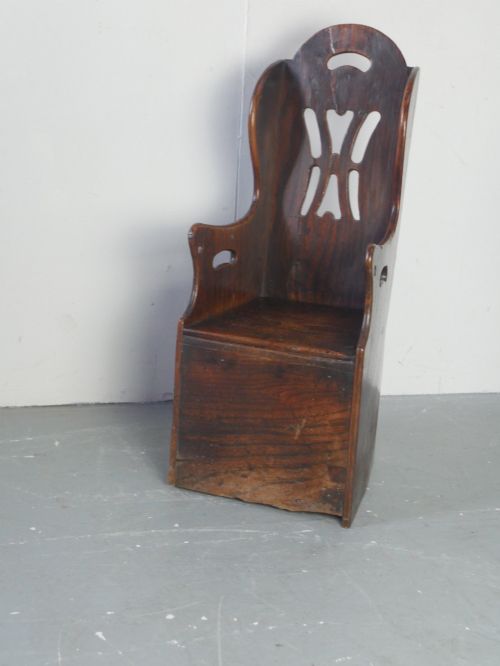
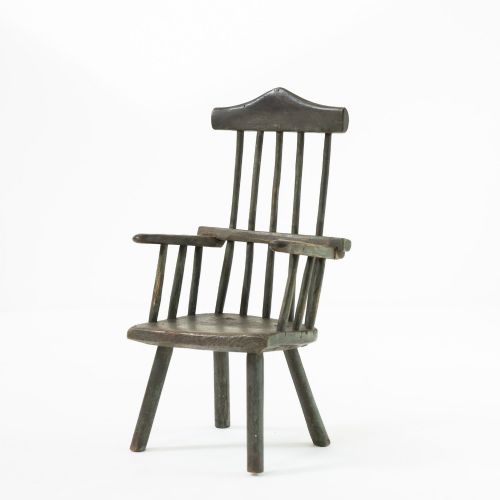
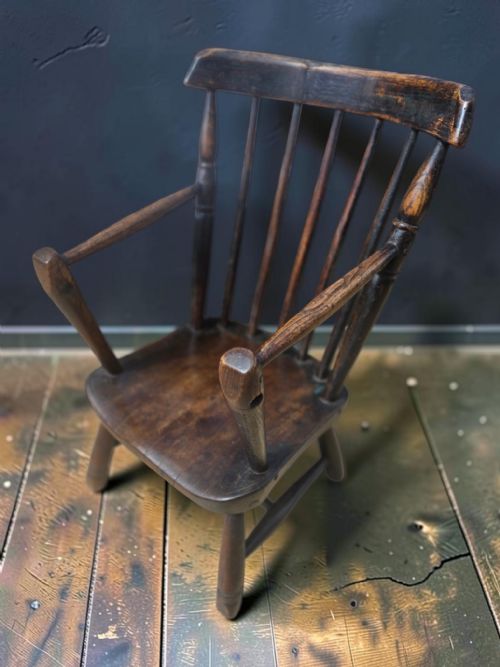
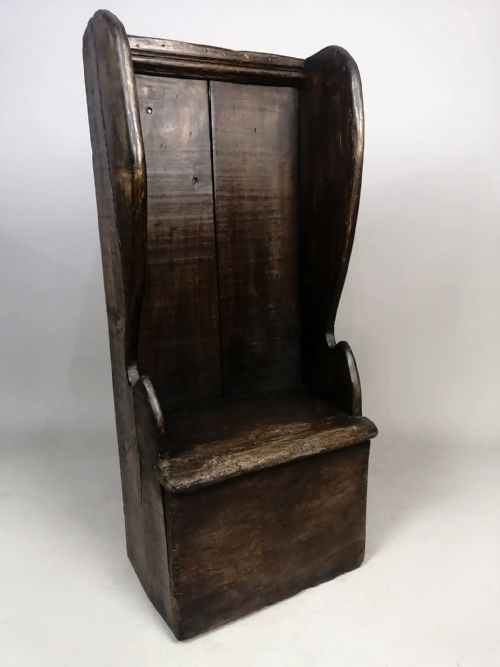
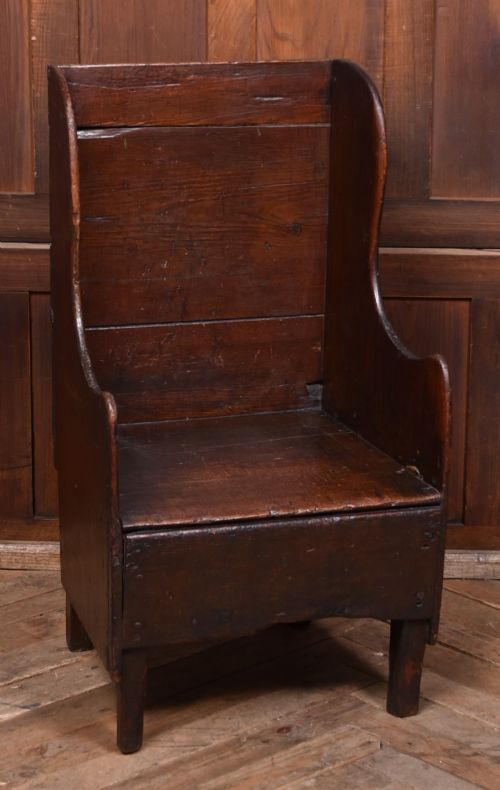
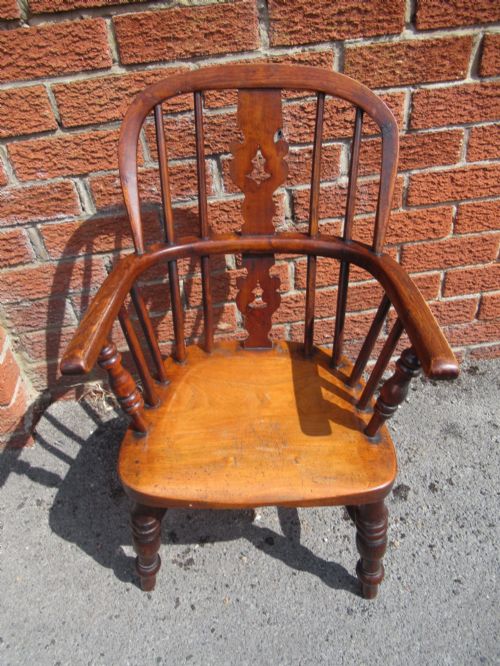
An antique childs armchair is a scaled-down seat produced in domestic workshops and major cabinet-making houses alike, following the prevailing furniture styles of its era. When you search for this phrase, you encounter forms ranging from rustic vernacular stick-backs to formal mahogany dining and salon chairs.
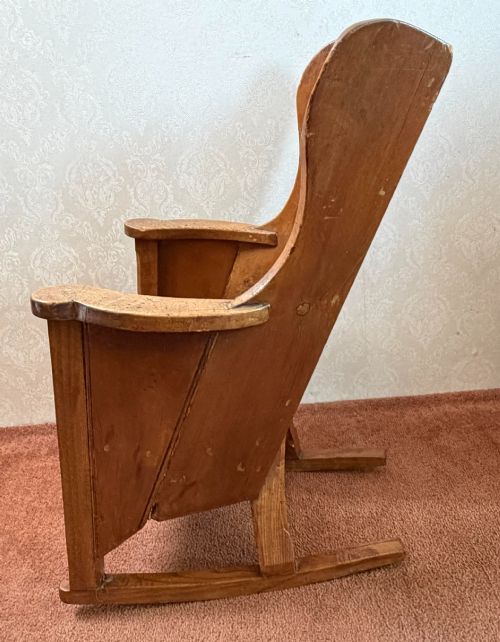
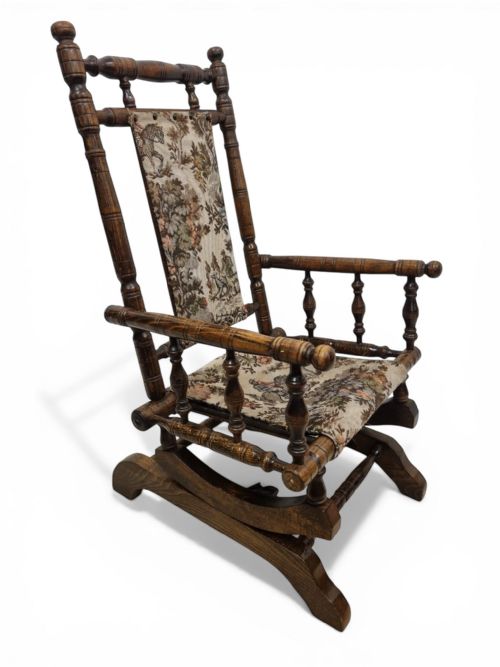
The pieces appearing most frequently span the seventeenth century through to the art deco period, taking the form of windsors, lambing chairs, high chairs, and rocking chairs. Elm, oak, and ash examples dominate the earlier vernacular styles, whilst mahogany and walnut appear in later formal pieces.
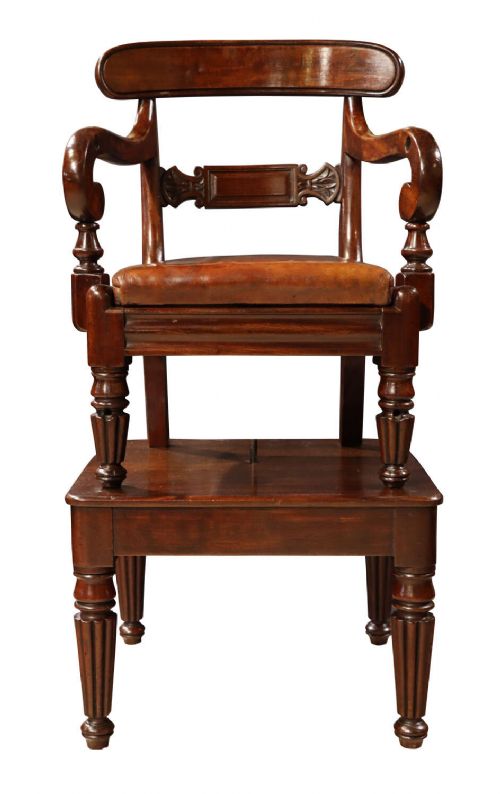
Buyers look for these items to display traditional woodworking techniques on a domestic scale or to place functional miniature seating within a modern interior. The survivals include provincial country pieces as well as metamorphic high chairs designed for practical nursery use.
How they were made
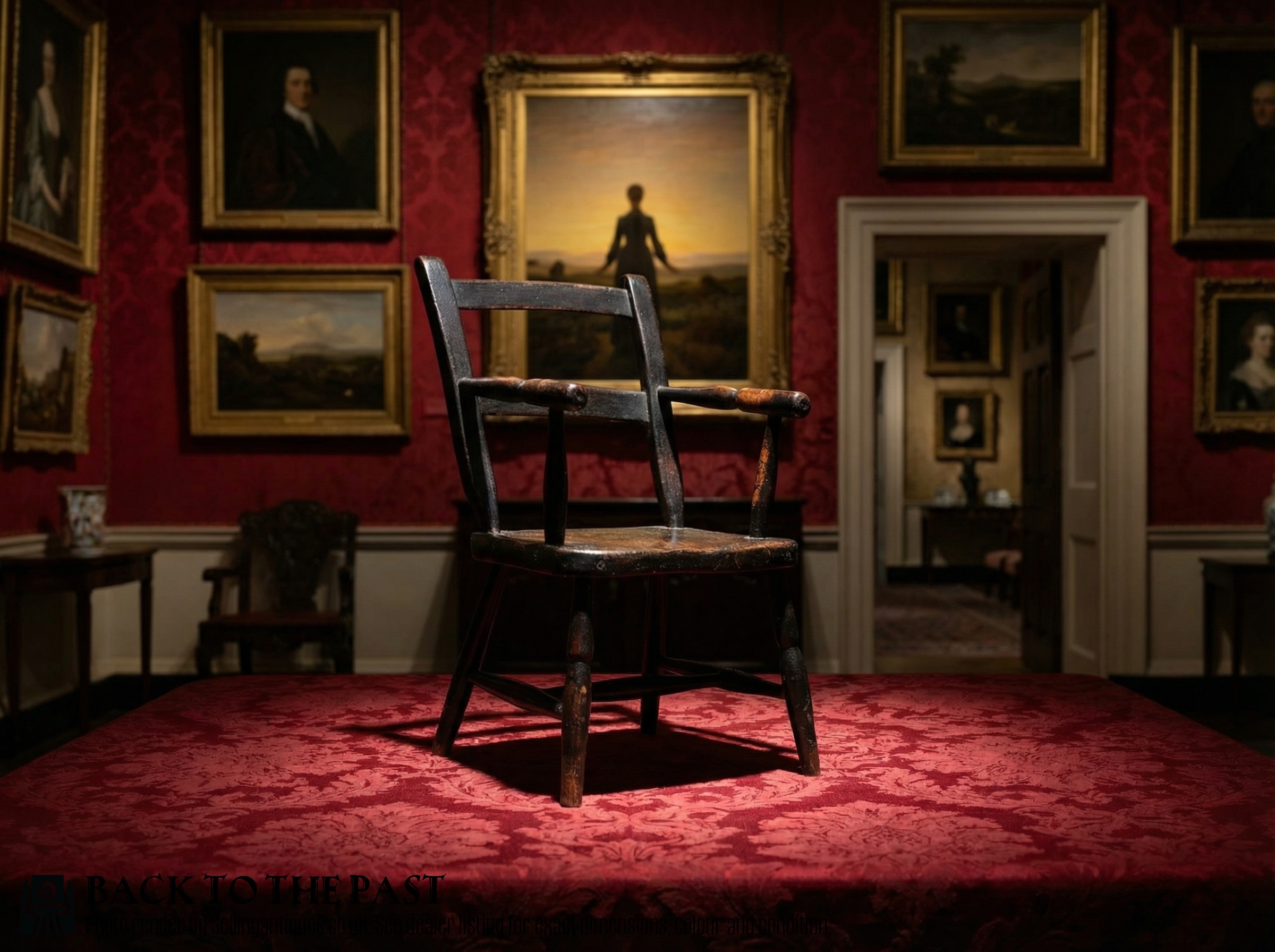
Cabinet-makers and country joiners built these miniature seats using native hardwoods such as oak, elm, ash, and fruitwood, often combining timbers within a single frame. Windsor forms utilise turned legs and spindles wedged into solid wood seats, whilst joined construction employs mortise and tenon joints secured with wooden pins.
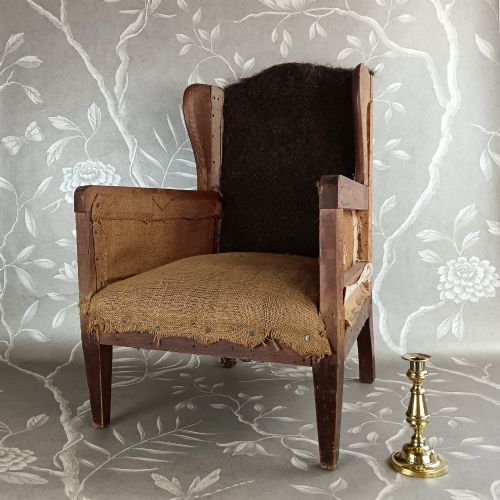
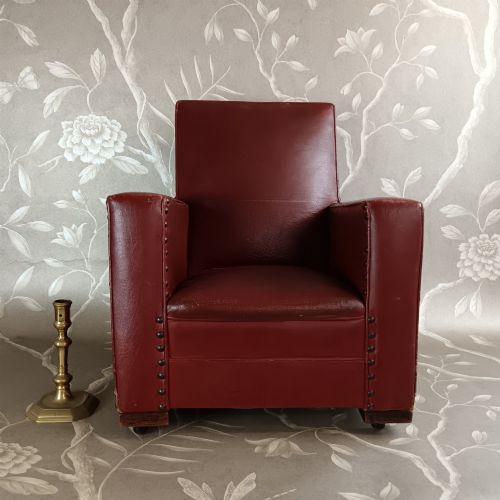
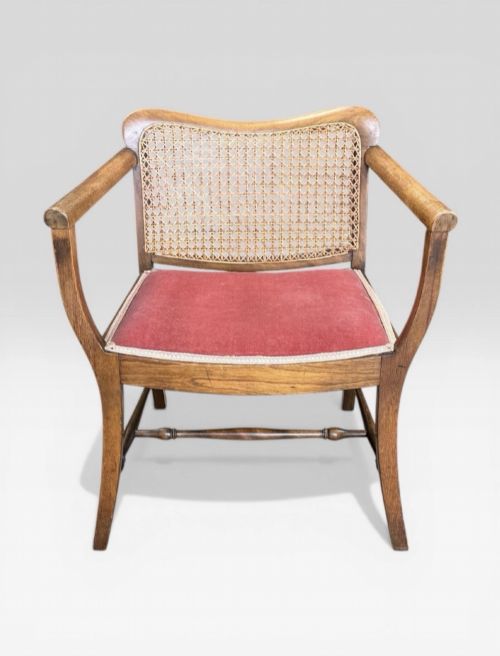
Upholstered variants incorporate leather, fabric, or tapestry over webbing or cane panels, supported by brass fixings and decorative studs. Surface finishes range from natural waxed grain and dark polish to applied paint or folk art decoration.
Antique Childs Armchair Retail Price Guide 2026
Typical asking prices for childs armchair among the pieces listed under this phrase on Sellingantiques today, from the lower quarter to the upper quarter. They describe what is for sale here now, not the wider market.
Several miniature chairs retain tiny ink stains and chew marks left by their original seventeenth-century occupants.
What varies in quality
The distinction between standard domestic seating and exceptional examples lies in the proportion and refinement of the miniature scale. Finer pieces demonstrate the same joinery standards, timber selection, and turning detail found in full-sized adult furniture of the same period.
Originality of surface finish and structural integrity heavily influence the standing of an individual chair. Survivals retaining their early cane work, upholstery, or untouched patinated timber sit at a different level from heavily restored or later altered examples.
James Shoolbred
The Antique Childs Armchair Glossary
- Windsor
- A chair built with a solid wooden seat into which the legs and back spindles are directly fitted. These typically feature hoop backs or comb backs constructed from bent ash or yew.
- Lambing chair
- A low-backed Windsor or panelled armchair featuring high solid wings designed to block draughts. They are frequently found in vernacular timbers such as elm and fruitwood.
- Bergere
- An upholstered armchair featuring enclosed cane sides and back panels. The cane work is closely woven around a hardwood frame.
- Metamorphic
- Furniture designed to transform from one function to another, such as a high chair that converts into a low chair and table combination. These feature mechanical hinges or sliding wooden pivots.
- Wainscot
- An early heavy wooden armchair constructed with panelled backboards and solid arms, closely following the architectural woodwork of the seventeenth century.
Antique Childs Armchair: Frequently Asked Questions
Were these miniature chairs actually used by children?
Most of these pieces were made for everyday domestic use by children in prosperous households, though some refined examples served ornamental or display purposes in period drawing rooms.
Sturdy vernacular chairs in elm and ash show clear signs of heavy juvenile use, whilst delicate mahogany or gilded salon pieces remained protected.
How do I date an elm and ash Windsor chair?
Dating relies on examining the turning style of the legs, the thickness of the seat board, and the method used to join the spindles to the main hoop.
Earlier eighteenth-century variants display simpler country turnings and broader proportions, whereas nineteenth-century versions often feature more slender spindles and factory-standard components.
Can I use an antique childs armchair for daily seating?
These historical pieces function well as decorative display objects or for gentle occasional use by very small children, depending on structural stability.
Because eighteenth and nineteenth-century joints dry out over time, checking the legs and arm fixings is essential before allowing regular weight upon the seat.
What is the difference between a high chair and a commode chair?
A high chair raises the seating level to match adult table height, often utilising a footrest or a matching table base for feeding.
A commode chair incorporates a concealed cutout in the wooden seat or upholstery designed to house a chamber pot beneath.