

Traditional English Windsor Chair
A traditional english windsor chair offers solid country craftsmanship, built from native timbers to anchor any room with vernacular character.
What They Are
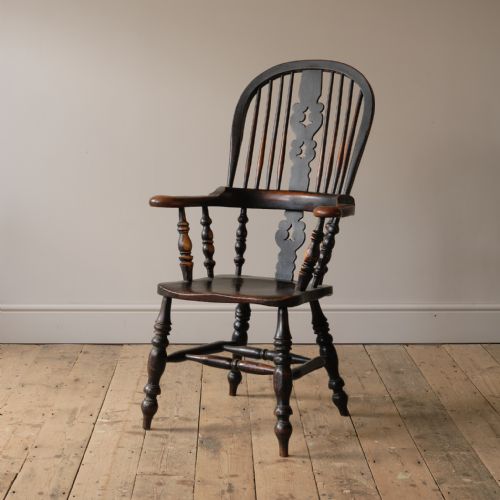
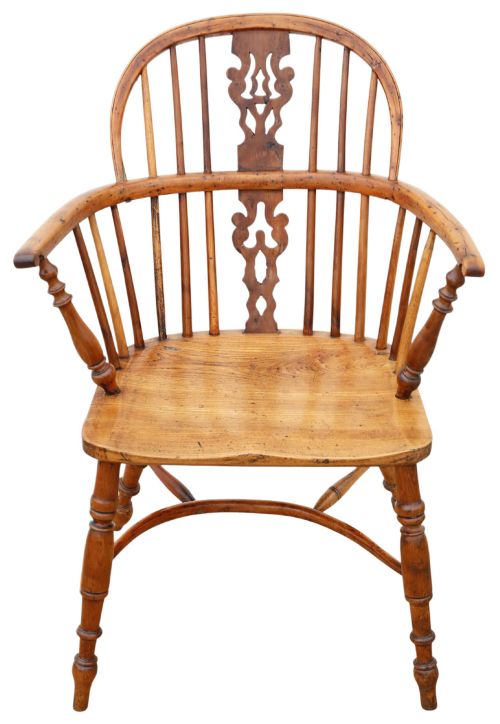
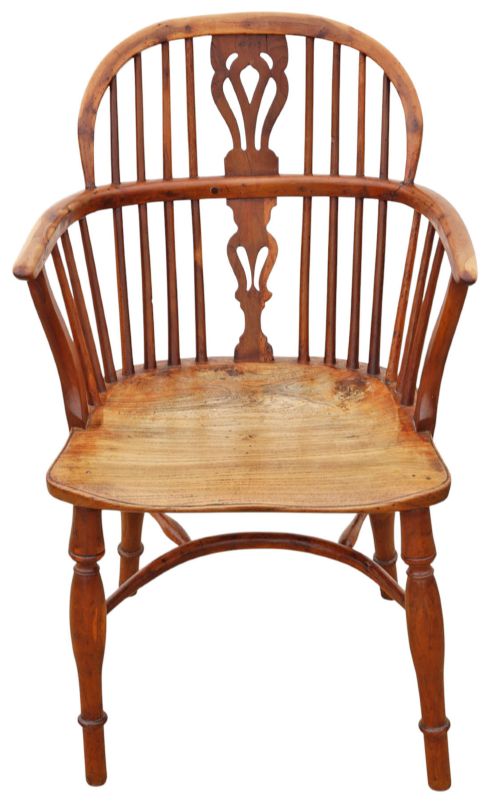
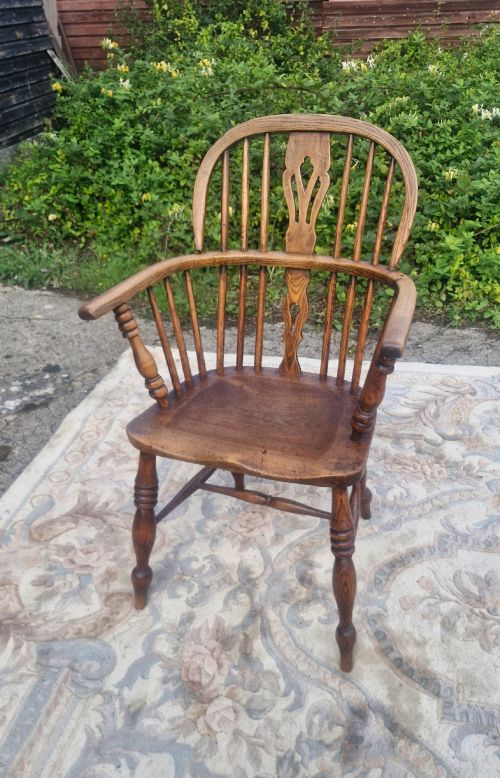
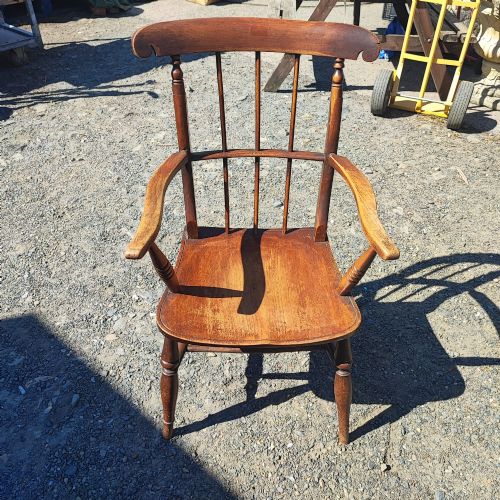
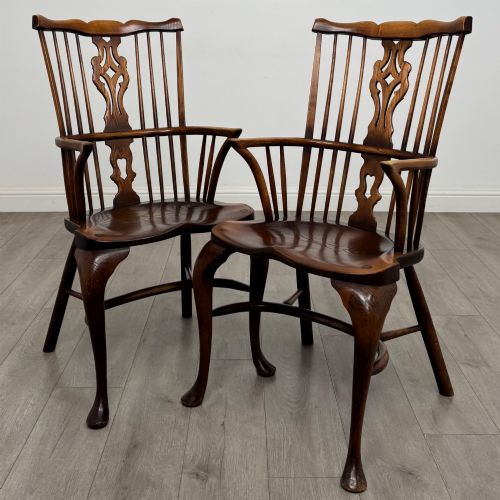
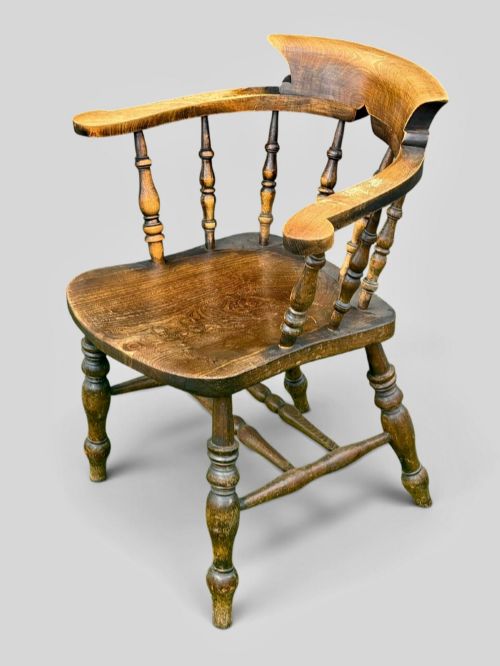
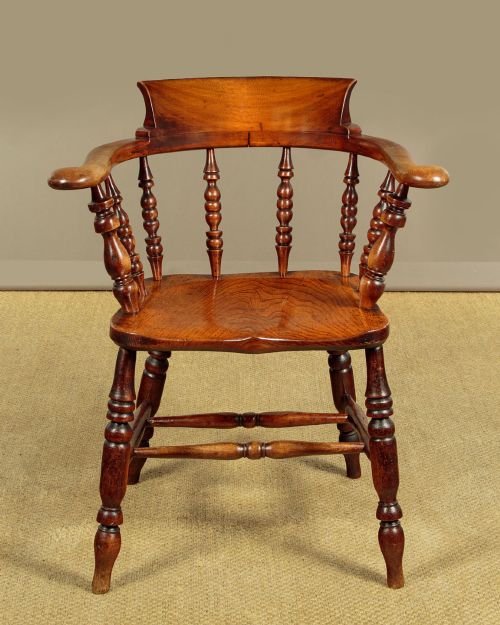
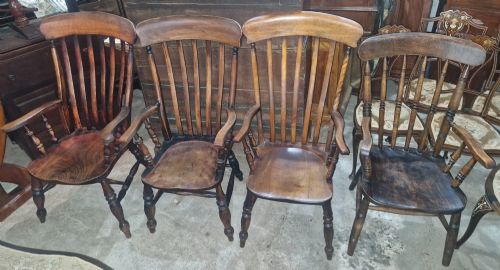
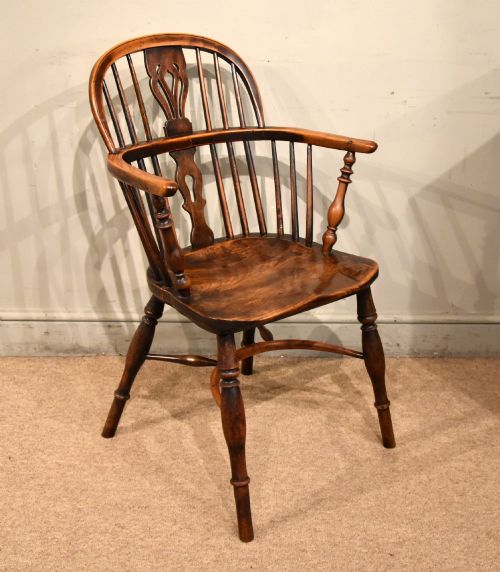
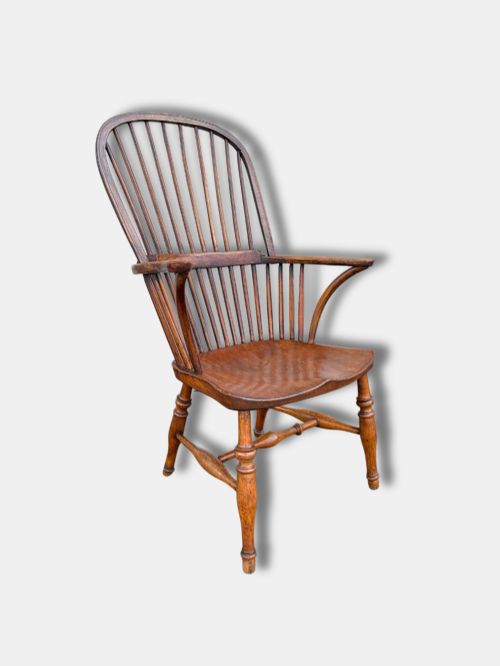
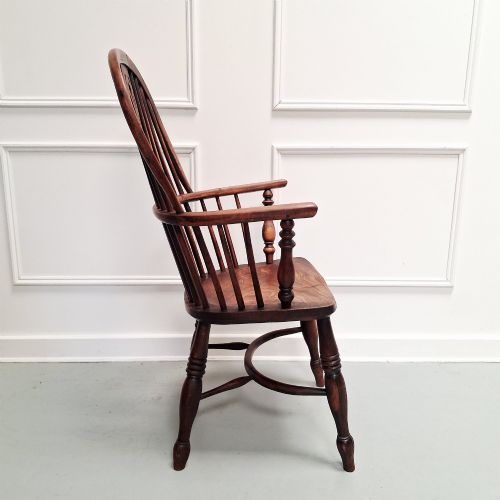
A traditional english windsor chair brings robust vernacular seating into domestic spaces, appearing in armchairs, dining chairs, and low back forms. These pieces span periods from the Georgian era through the nineteenth century, including specific dates such as 1850, 1890, and 1900.
How They Were Made
Joiners built these chairs using a combination of native hardwoods, selecting elm for solid plank seats that resist splitting. Beech, ash, and yew wood formed the spindles, legs, and bentwood bows.
Craftsmenship relied on wedged tenons and steam-bent components to lock the upper framework into the carved wooden seat without complex metal fasteners.
Retail Price Guide 2026
Typical UK retail prices for traditional english windsor chair, calculated from the Sellingantiques database of over a million retail prices indexed since 2003. This retail price guide relies exclusively on Sellingantiques data; no external sources or auction records are used, so the figures do not describe the wider market.
Many elm seats still bear the deep indentations of the original owner's seated posture.
What Varies in Quality
Quality rests in the selection of timbers, where striking grain patterns in yew wood elevate standard functional seating into more decorative examples. The definition and depth of turning on the spindles and legs also separate basic utility items from finer workshop output.
Proportion and structural integrity define the hierarchy of these chairs, with well-balanced armchairs displaying careful tapering in the hoop and arms. Heavier, uniform construction in the undercarriage ensures enduring stability.
The Traditional English Windsor Chair Glossary
- Wheelback
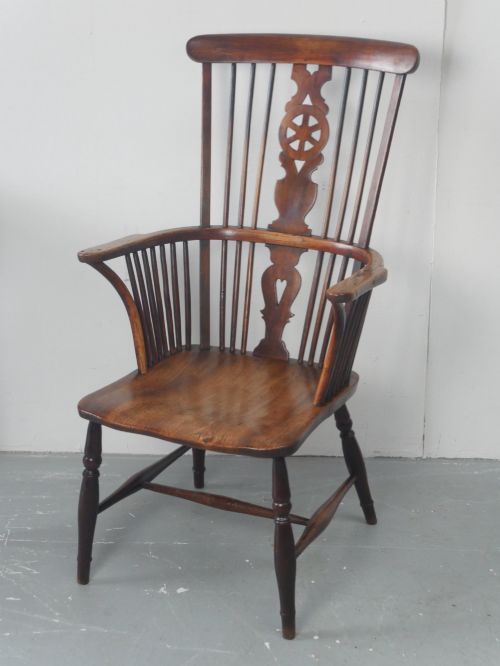
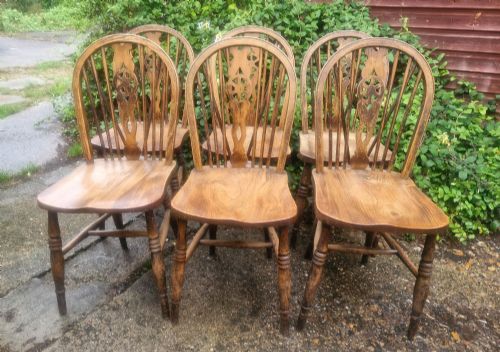
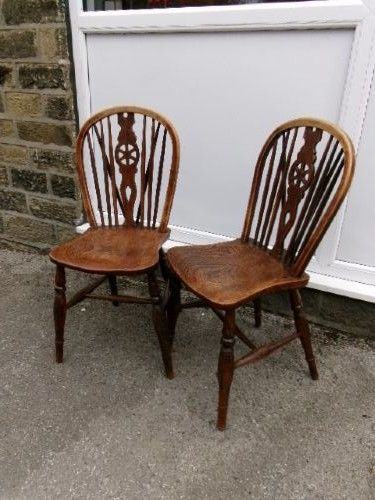
- A central splat pierced and carved in the shape of a spoked carriage wheel. This decorative backrest is typical of nineteenth-century kitchen chairs.
- Stick back
- A chair back formed of simple vertical spindles inserted directly into the seat and top rail. This construction provides straightforward support without complex carving.
- Low back
- A chair design where the arms and backrest form a continuous low horizontal curve around the seat. This form sits entirely below standard table heights.
- Bow back
- A continuous steam-bent rail that forms both the arms and the upper back of the chair. It distributes weight evenly across the vertical spindles.
Frequently Asked Questions
How do I use a windsor chair today?
These chairs function naturally as desk seating, accent pieces in hallways, or occasional chairs in living rooms. Their sturdy wooden construction handles daily use without difficulty.
Pairing a single armchair with a writing table highlights its vernacular form. Alternatively, matching pairs around a dining table create a grounded, traditional interior scheme.
What is the difference between stick back and wheelback chairs?
Stick back chairs rely on plain vertical spindles for back support, offering a clean and minimalist country aesthetic. They represent early utilitarian forms found in farmhouses.
Wheelback versions feature a pierced wooden disc resembling a cartwheel inset into the central splat. This decorative addition emerged later in the nineteenth century for domestic kitchens.
Which woods were used for these chairs?
Elm served as the primary choice for solid, heavy seats because its interlocking grain prevented splitting under pressure. Turned components utilised resilient timbers like beech and ash.
Finer examples incorporated yew wood for its rich, figured grain patterns. Makers often combined multiple native woods within a single piece.
How do I identify a georgian windsor chair?
Georgian examples display early proportions with deeply saddled elm seats and heavier undercarriages. Their turnings tend to be more restrained and robust compared to later Victorian variations.
Construction details include pegged joints and traditional wedged spindle tops. These early pieces reflect the foundational design traditions of English country furniture.