
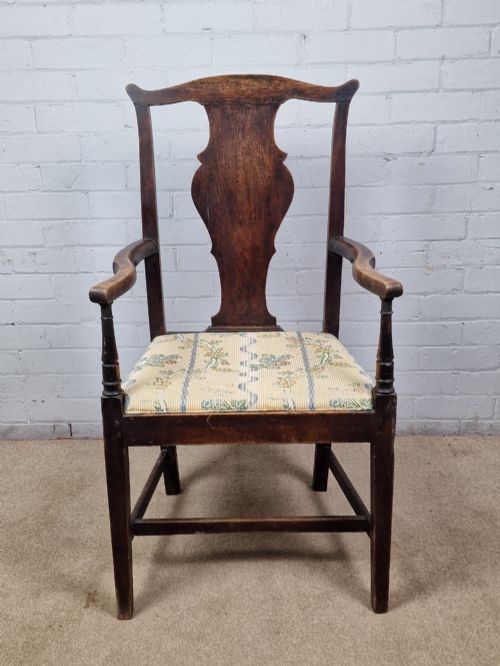
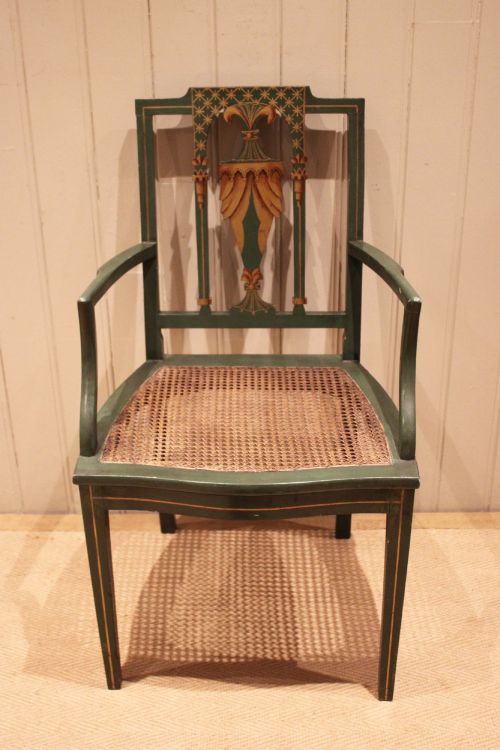
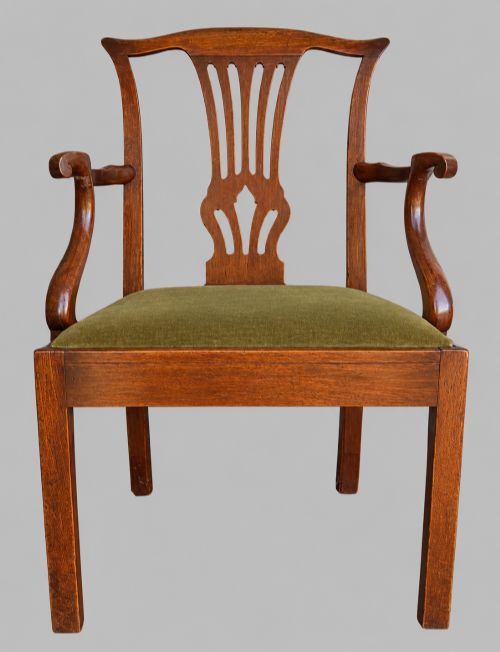

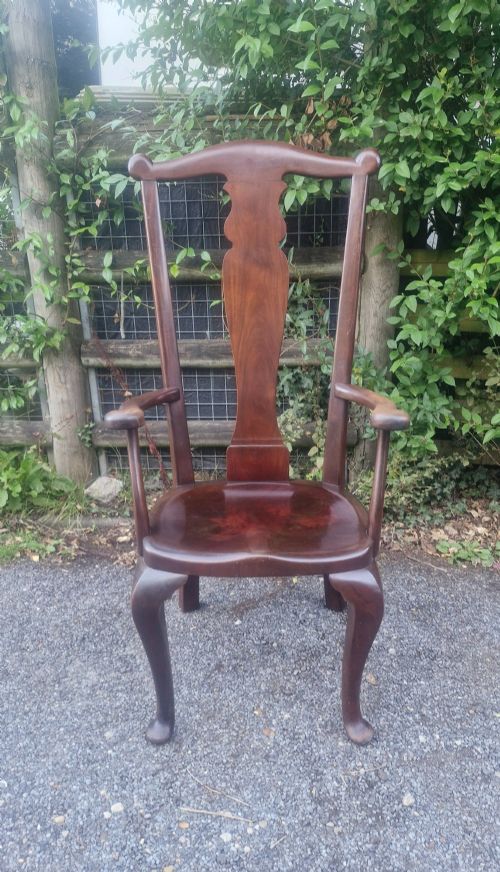

Vintage Wooden Elbow Chair
A vintage wooden elbow chair brings warmth and sturdy character to a room, offering a supportive seat with integrated arm rests.
Vintage Wooden Elbow Chair
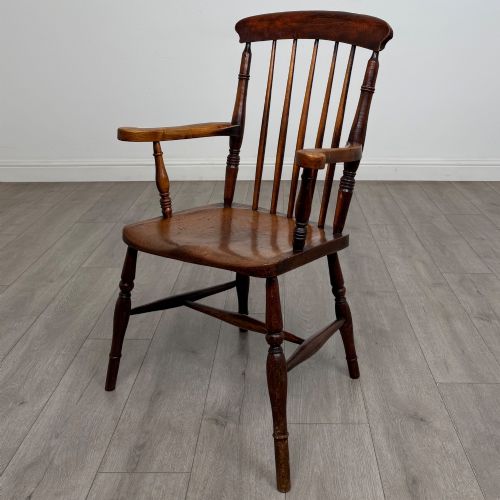
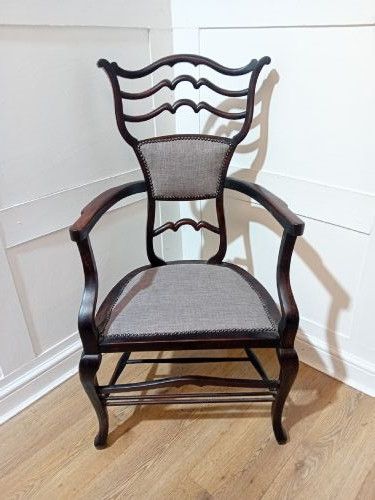
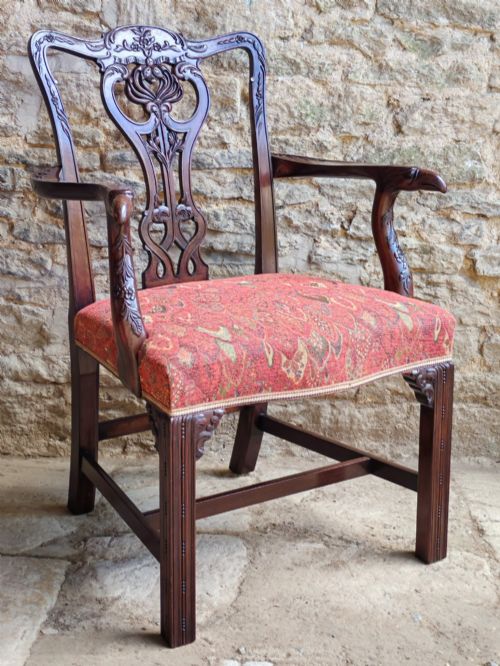
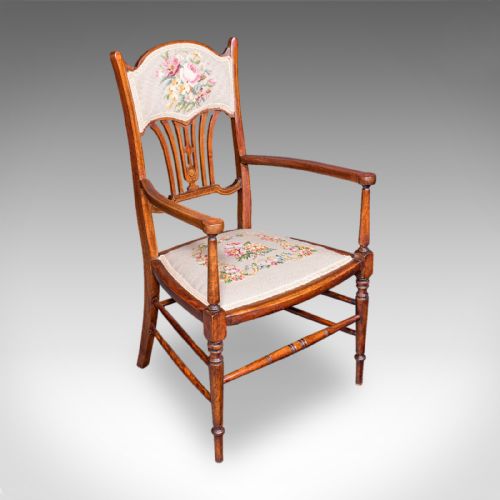
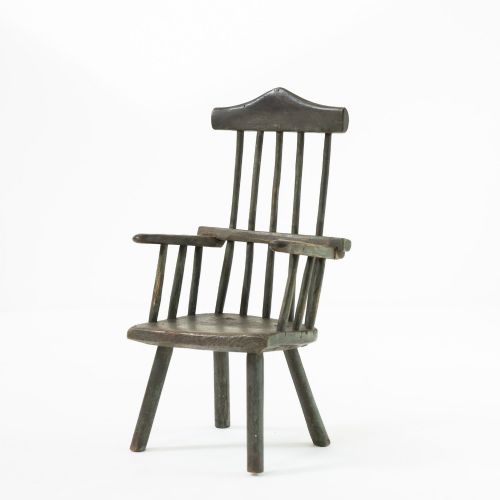
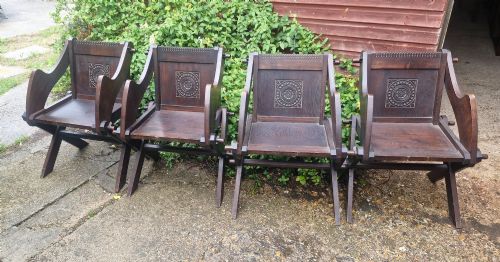
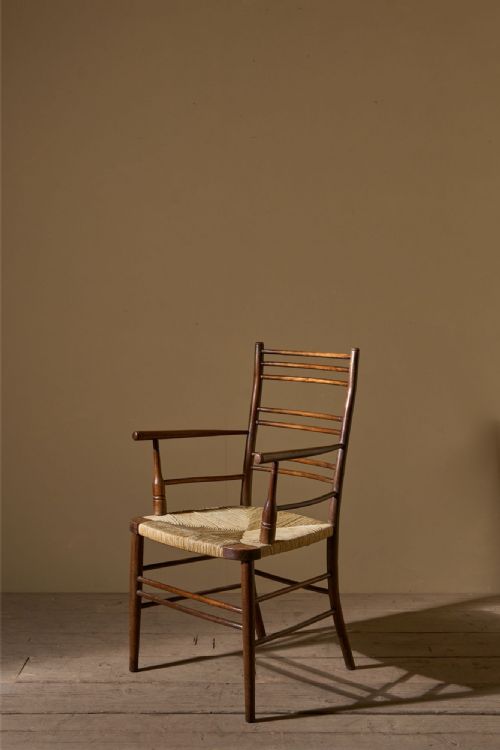
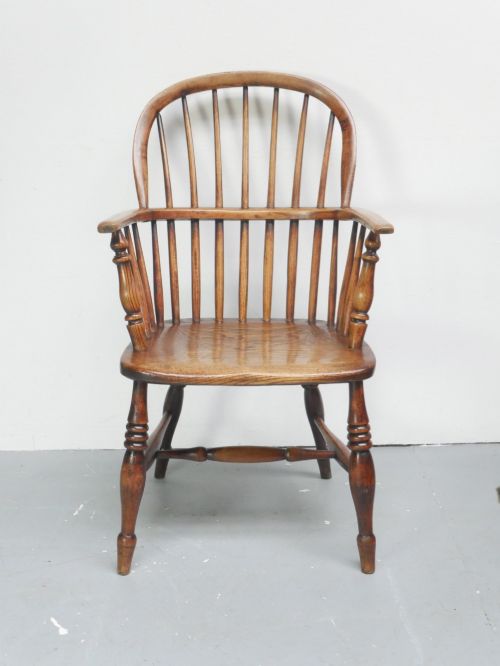
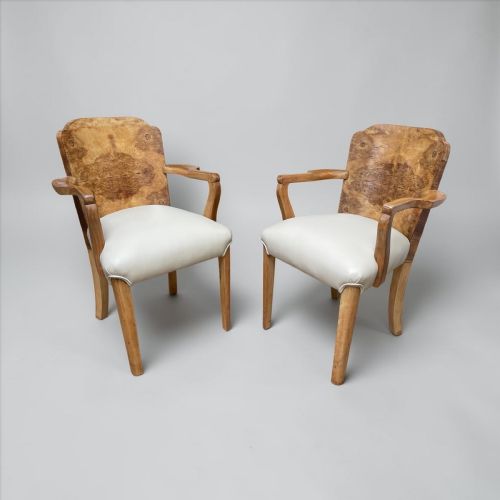
A vintage wooden elbow chair encompasses a diverse group of seating, ranging from rustic country windsor designs to formal mahogany desk chairs. Buyers searching this phrase meet everything from simple ash and elm farmhouse models to carved Edwardian and Victorian carver chairs.
The selection on this page draws heavily on 19th century and Edwardian pieces, alongside earlier Georgian examples. Forms include low armchairs, smokers bows, and spindle-backed country seats built for daily utility.
How they were made
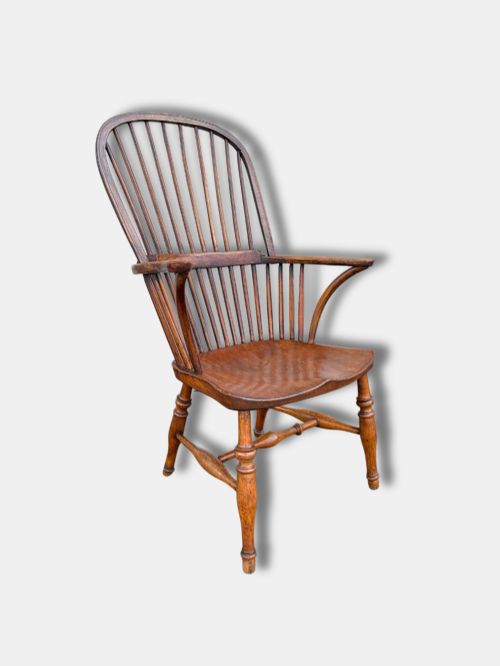
Cabinet makers and rural joiners relied on traditional timbers such as oak, mahogany, ash, elm, and beech, frequently combining woods in a single windsor chair for structural strength. Seats were often carved from solid elm planks, while spindles and legs utilised turned ash or beech.
Joinery methods depended on the style, employing pegged mortise and tenon joints in sturdy oak models and steam-bent components for curved Windsor arm rails and stick backs.
Listings feature woods such as oak, mahogany, elm, ash, beech, fruitwood, and yew across multiple centuries.
What varies in quality
The standard of a vintage wooden elbow chair rests upon the harmony of its proportions, the selection of figured timber, and the integrity of its original construction. Examples retain tighter joints and more graceful turning on their spindles and legs.
Pieces bearing maker attributions or distinctive regional vernacular traits command greater interest among collectors. Surface patination, built up through decades of handling and wax polishing, marks out the superior examples from utilitarian workshop output.
Howard and Sons·Liberty Morris and Co
The Vintage Wooden Elbow Chair Glossary
- Elbow chair
- A seating piece fitted with wooden arm rests, often used at a desk, a dining table, or as a fireside seat.
- Windsor chair
- A traditional chair constructed with a solid wooden seat into which the legs and back spindles are directly bored and wedged.
- Smoker's bow
- A low-backed wooden armchair with a continuous curved rail forming the arms and back, popular in inns and domestic parlours.
- Vernacular
- Objects designed by local craftsmen using regional traditions and readily available materials rather than following high-style metropolitan fashions.
- Carver
- A term traditionally applied to an armchair designed to match a set of dining chairs, usually placed at the head of a table.
Vintage Wooden Elbow Chair: Frequently Asked Questions
What is an elbow chair?
An elbow chair is any seating piece that incorporates wooden arm rests into its design. These seats function well at a desk, around a dining table, or as an occasional chair in a sitting room.
The term covers a broad range of forms, from formal mahogany carvers to rustic windsor chairs. They provide additional support compared to standard side chairs while remaining compact enough for everyday placement.
How do I identify a windsor chair?
Windsor chairs feature a distinct construction method where the legs, back posts, and spindles fit directly into holes bored through a thick solid wooden seat. They often utilise contrasting timbers, such as an elm seat paired with ash or beech spindles.
Regional variations include comb backs, stick backs, and low farmhouse models. Their sturdy build makes them exceptionally durable survivors from the eighteenth and nineteenth centuries.
Where were these chairs used?
Historical evidence shows these chairs served multiple purposes throughout the home and workplace. Sturdy oak and ash models furnished farmhouses, cottages, and country houses, while polished mahogany versions suited polite morning rooms and libraries.
Lower models functioned comfortably as fireside seating or desk chairs. Their robust construction ensured they could withstand heavy daily use in busy environments.
How do I care for antique wood?
Maintaining antique wood involves keeping pieces away from direct heat sources and sudden humidity changes. Regular application of a traditional beeswax polish helps nourish the timber and preserves the natural surface patination.
Avoid using modern liquid silicones or harsh chemical cleaners, as these can strip the aged finish. Gentle dusting with a soft cloth keeps the timber looking its best.