
Country Kitchen Chair
A country kitchen chair brings honest utilitarian craftsmanship into the home, shaped by generations of practical domestic use.
Understanding Country Kitchen Chairs
A country kitchen chair is a sturdy vernacular seat designed for everyday utility in domestic interiors. When searching for a country kitchen chair, buyers encounter various formats ranging from single armchairs to matched dining sets.
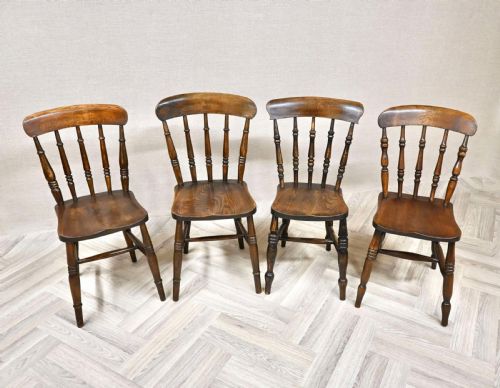
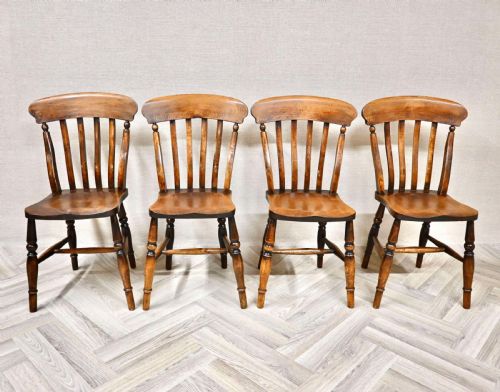
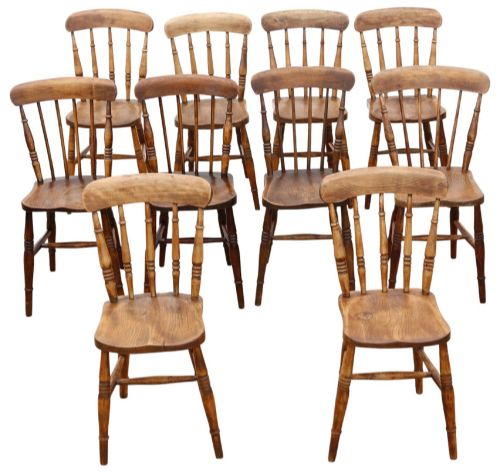
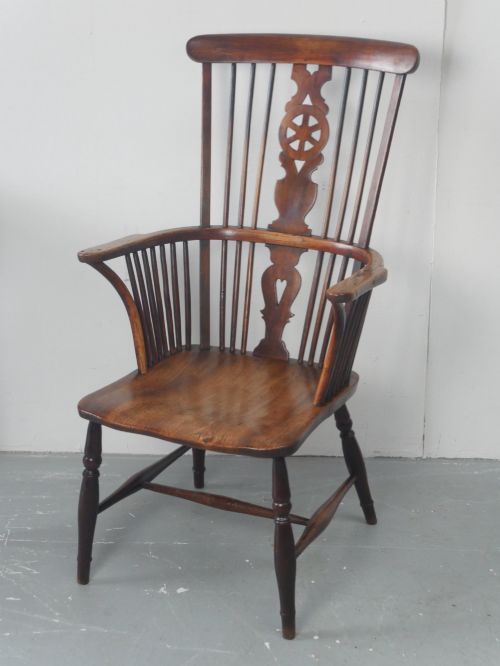
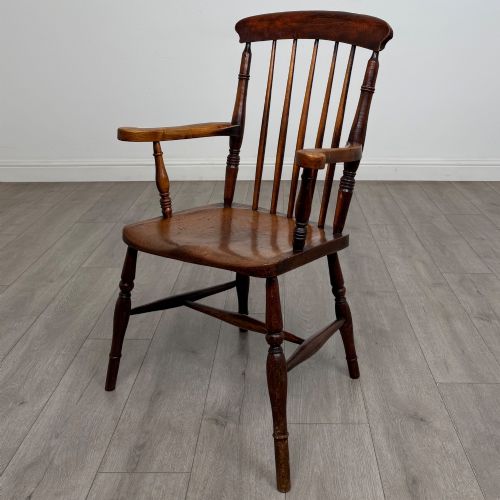
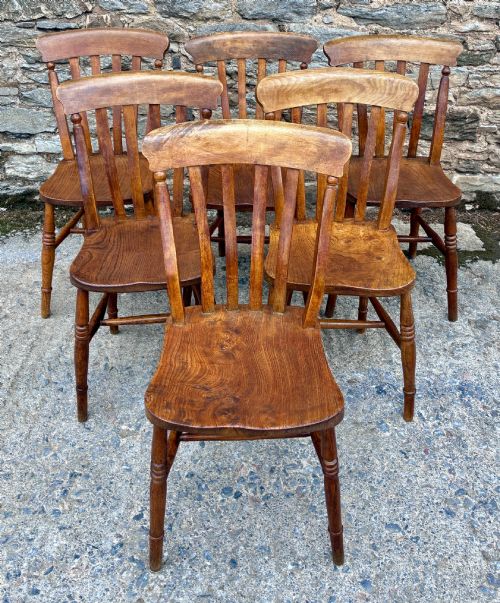
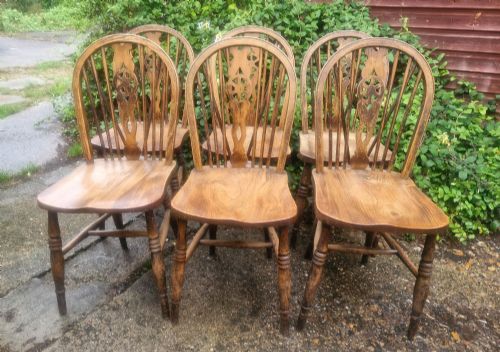
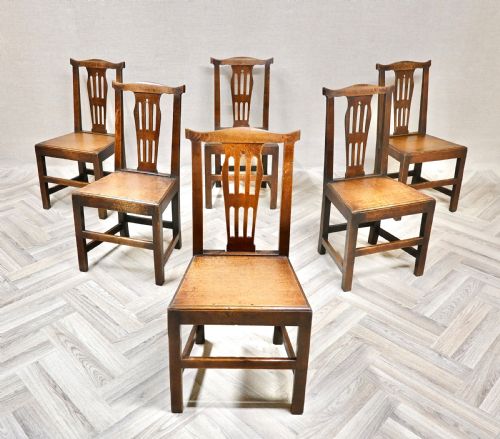
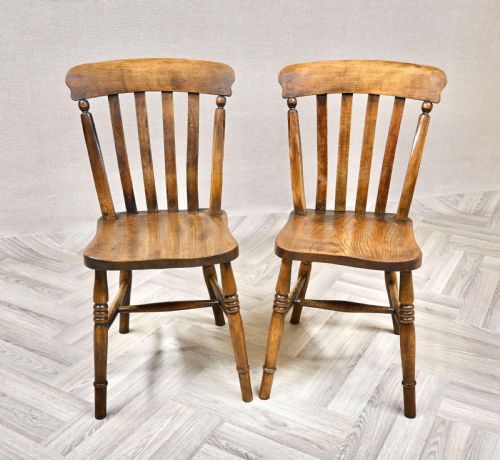
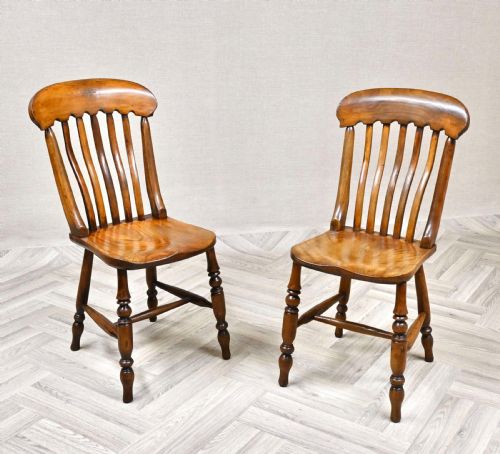
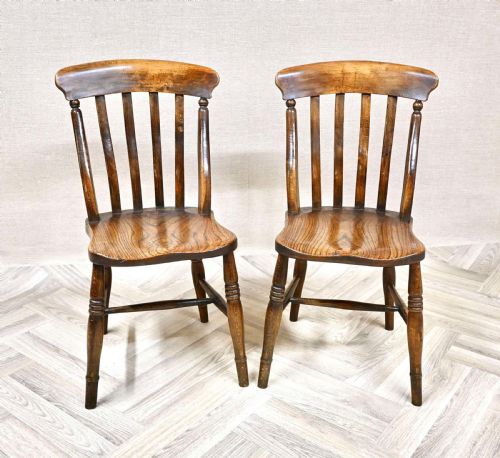
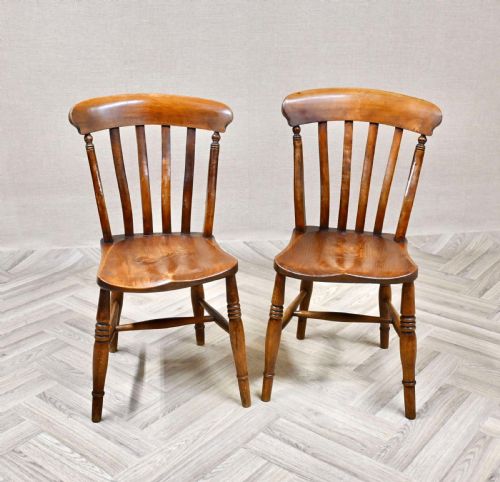
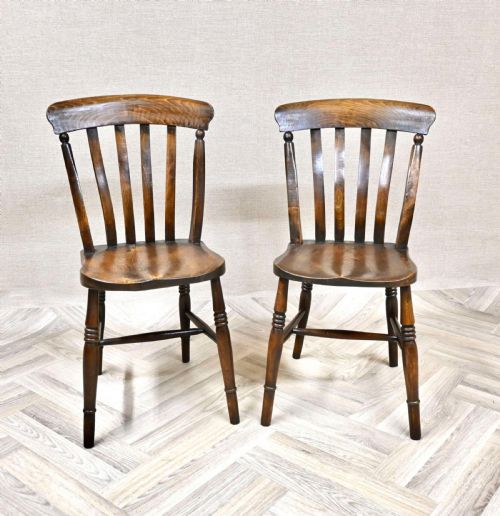
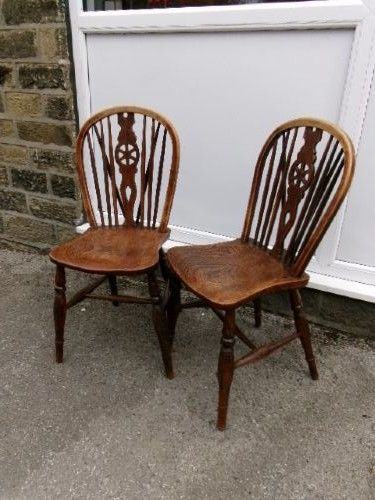
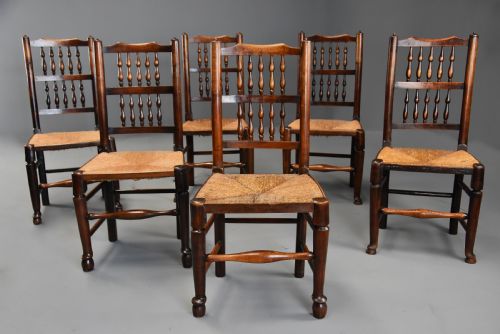
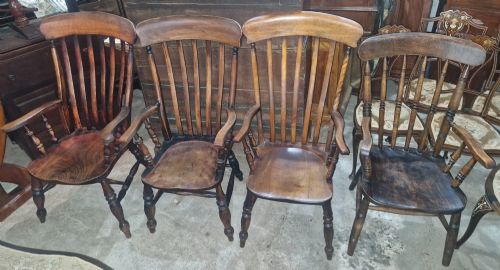
The pieces seen here span from the mid nineteenth century into the Edwardian period, capturing the evolution of rural seating. Styles include English Country, Victorian Country, and Rustic Country.
Common forms include highback armchairs, windsor chairs, stick backs, lathbacks, and lyrebacks. These diverse configurations reflect the varied needs of historic farmhouse and kitchen environments.
Materials and Construction
Traditional makers utilised a combination of native timbers suited to specific structural demands. Elm typically forms the solid plank seats, while ash, beech, and occasional yew provide resilient bending strength for spindles and legs.
Construction relies on time-tested bodger techniques where turned components fit tightly into bored greenwood seats. Hardwood and oak appear across frames, finished simply without elaborate veneers or gilding.
Retail Price Guide 2026
Typical UK retail prices for country kitchen chair, calculated from the Sellingantiques database of over a million retail prices indexed since 2003. This retail price guide relies exclusively on Sellingantiques data; no external sources or auction records are used, so the figures do not describe the wider market.
Some historic kitchen chairs bear the unmistakable dents of heavy farmhouse life and centuries of enthusiastic sitting.
Distinguishing Quality
The standard of a country kitchen chair rests upon the integrity of its timber selection and the tightness of its joints. Chairs retaining deep, honest timeworn patinas from decades of scrubbing show superior surface character.
Proportional harmony and the careful tapering of spindles separate everyday utility seating from finer vernacular examples. Grain matching in elm seats and the preservation of original turned components indicate higher workshop competency.
The Country Kitchen Chair Glossary
- Windsor chair
- A traditional wooden chair featuring a solid carved seat into which the legs and back spindles are directly wedged. This design provides robust stability for daily kitchen use.
- Lathback
- A chair back featuring a horizontal flat wooden slat or lath curved to support the spine. This format offers comfortable lumbar support in dining configurations.
- Stick back
- A chair style constructed with multiple vertical turned wooden rods forming the backrest. It represents a simpler, lighter vernacular seating approach.
- Patina
- The deep surface sheen and colour developed on wood through centuries of handling, cleaning, and exposure to light. It serves as a visual indicator of age and authenticity.
Frequently Asked Questions
What is a country kitchen chair?
A country kitchen chair is a utilitarian wooden seat built for domestic utility in rural homes.
These pieces typically feature timber construction using local woods like elm and ash.
How do I identify a Windsor chair?
A Windsor chair is distinguished by its solid wooden saddle seat that holds the legs and back components.
Spindles are tenoned directly into the thick seat plank rather than connecting to a traditional frame.
What woods were used in these chairs?
Makers selected native British hardwoods depending on the specific structural requirement of each chair part.
Elm was chosen for solid seats, while ash and beech provided flexible strength for spindles and legs.
How do I care for antique kitchen chairs?
Antique kitchen chairs require stable indoor humidity levels to prevent timber shrinkage and joint loosening.
Feed the dry wood periodically with traditional beeswax to maintain the historic surface finish.
Are these chairs suitable for daily dining?
These functional seats were originally built for heavy domestic use in historic farmhouse kitchens.
Their robust construction makes them practical for contemporary dining rooms when structurally sound.