




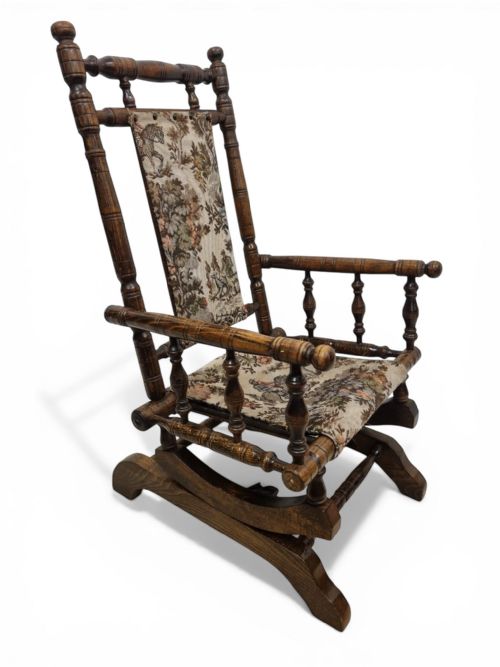


Childrens Wooden Armchair
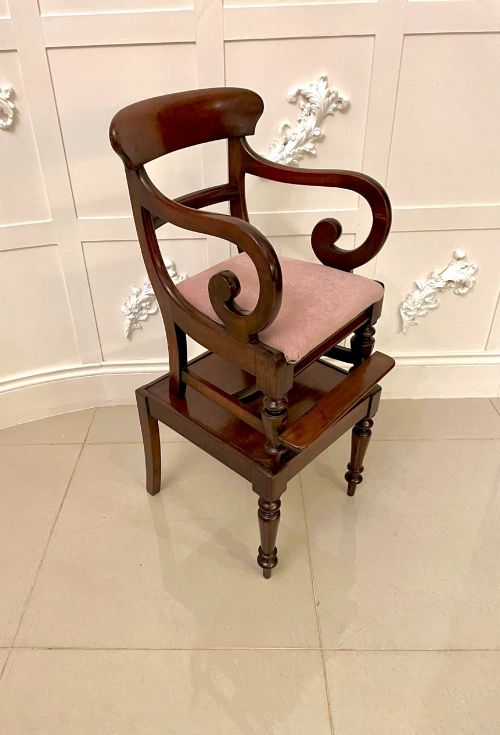
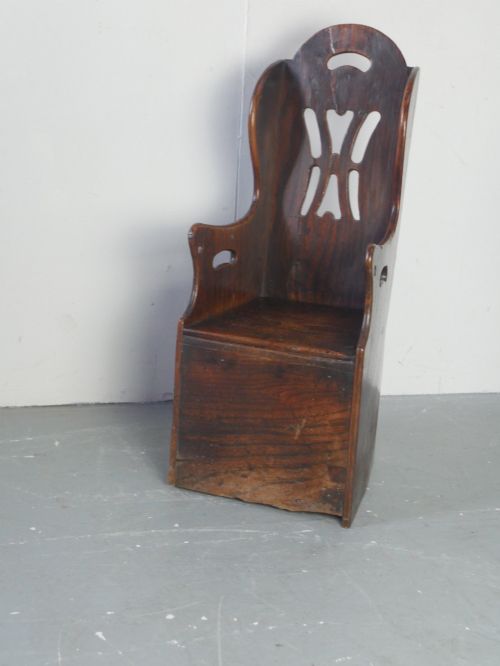
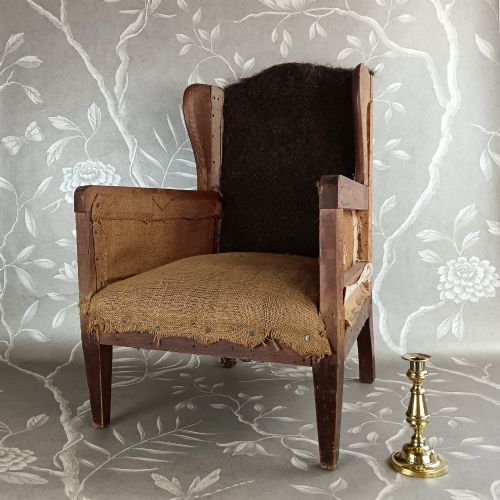
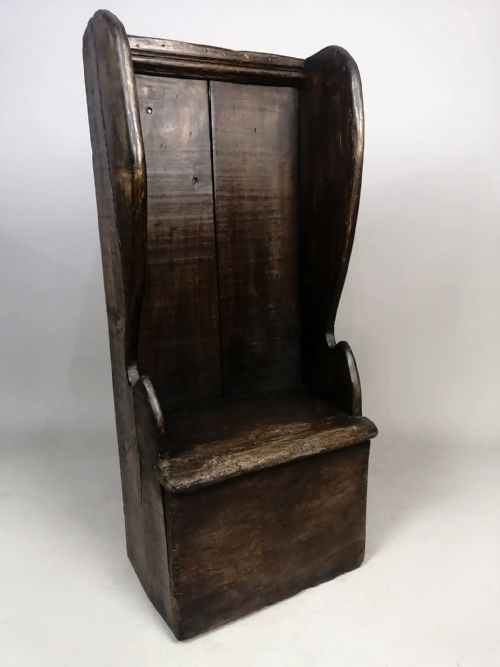
These childrens wooden armchair examples range from robust country windsors to formal mahogany seats, offering miniature domestic history for daily use.
Childrens Wooden Armchair
When you search for a childrens wooden armchair, you encounter scaled-down seating intended for domestic life across several centuries.
The versions most commonly met on this page include vernacular stick backs, sturdy windsors, and low rocking chairs designed for toddlers and youths.
Originating primarily from English workshops, these items span periods from the seventeenth century through to the twentieth century.
How they were made
Cabinet makers and local joiners utilised native hardwoods such as elm, ash, yew, oak, and fruitwood to construct durable seating.
Traditional joinery methods combined turned spindles, bentwood arms, and solid plank or rush-woven seats to support everyday use.
Childrens Wooden Armchair Retail Price Guide 2026
Typical asking prices for childrens wooden armchair among the pieces listed under this phrase on Sellingantiques today, from the lower quarter to the upper quarter. They describe what is for sale here now, not the wider market.
What varies in quality
The distinction between standard items and superior examples rests upon timber selection, such as figured yew or rich mahogany rather than plain softwood.
Refined turning on legs and spindles, alongside clever ergonomic proportions, marks out the work of skilled regional makers.
The Childrens Wooden Armchair Glossary
- Windsor chair
- A wooden chair built with a heavy solid wooden seat into which the legs and back spindles are bored directly.
- Stick back
- A minimalist chair design utilising simple turned vertical wooden rods forming the backrest.
- Rush seat
- A seating surface woven from dried marsh rushes, creating a flexible and textured platform.
- Lambing chair
- An enclosed wooden armchair designed with solid wings to shield the occupant from drafts.
Childrens Wooden Armchair: Frequently Asked Questions
Were these miniature chairs actually used by children?
Yes, these scaled seats were built for everyday household use by young family members in past centuries.
Craftsmen adapted adult forms to smaller proportions so children could sit safely at table or by the hearth.
How do I identify a windsor version?
Look for a thick wooden saddle seat that holds the legs underneath and the back spindles on top.
This construction method provides exceptional sturdiness, which explains why so many have survived.
Can children sit in these antique chairs today?
Most of these pieces remain structurally sound and capable of supporting small children during quiet activities.
One should check the joints and stability carefully before allowing regular daily use by active toddlers.
What woods were commonly used for these chairs?
Makers selected sturdy native hardwoods including elm, ash, yew, and oak for their strength.
Some formal nineteenth-century pieces employ imported mahogany or walnut to match larger parlour furniture.