
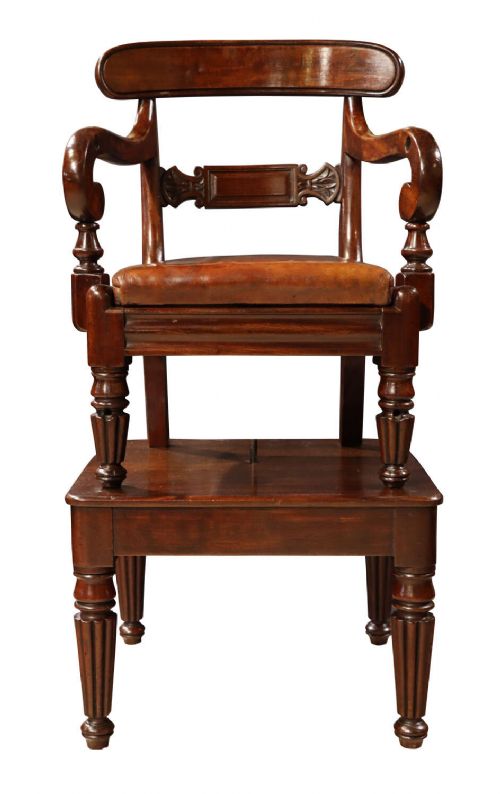


Antique Wooden Child Seat
An antique wooden child seat brings the warmth of domestic history into a room through small-scale craftsmanship from past centuries.
Antique Wooden Child Seat
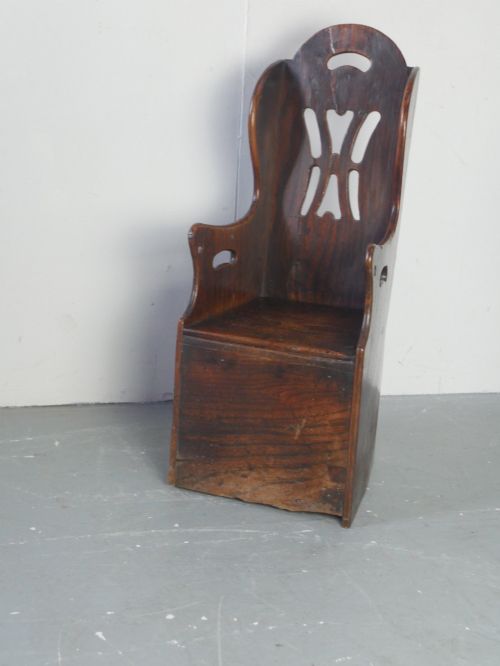
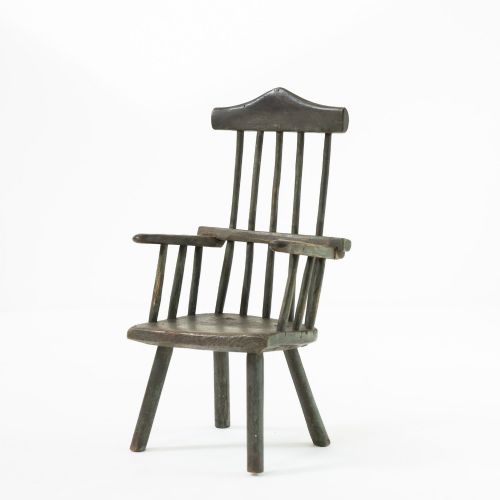
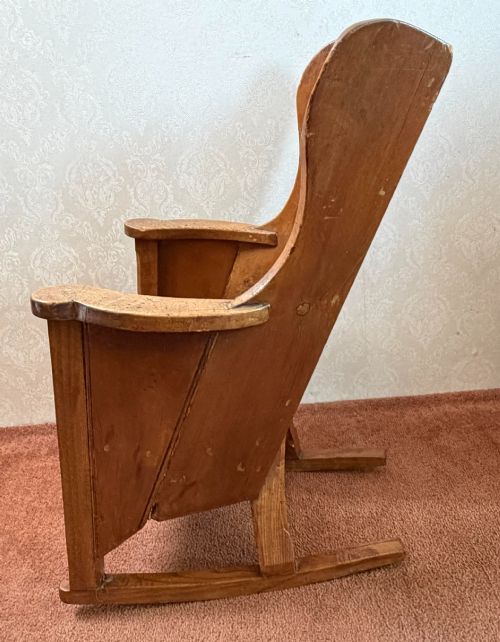
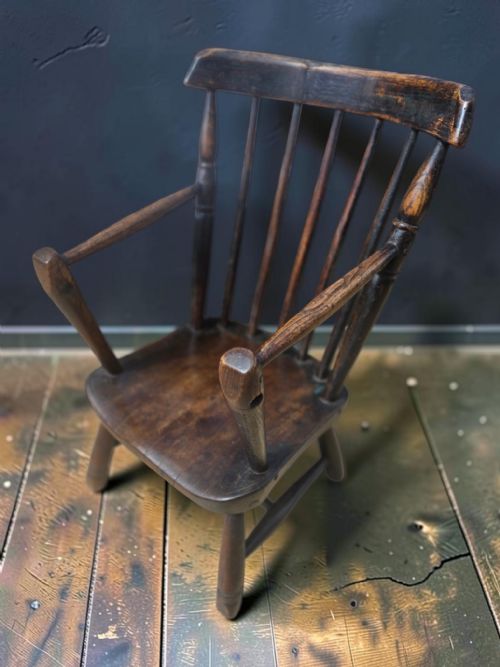
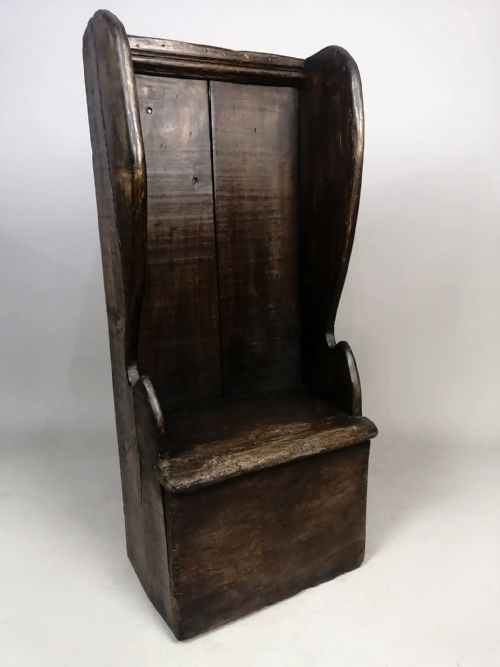
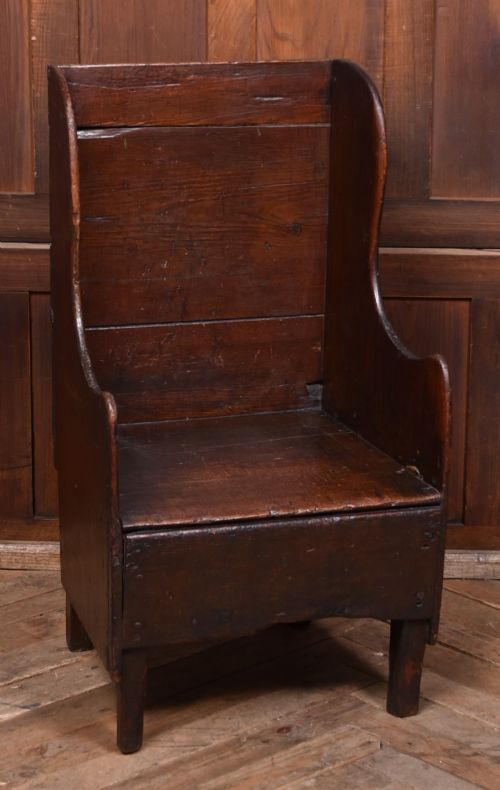
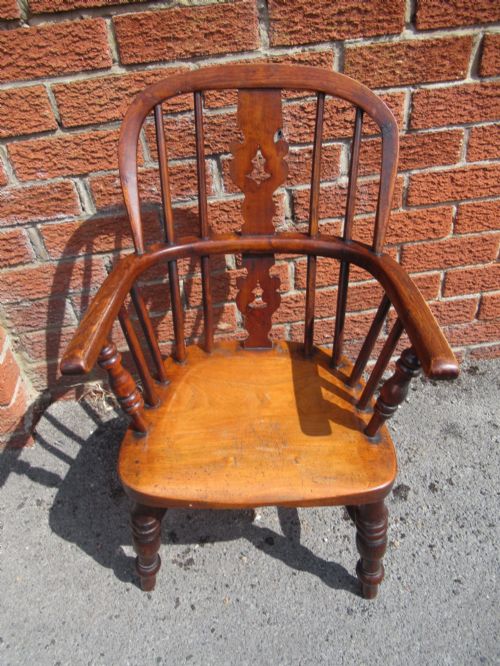
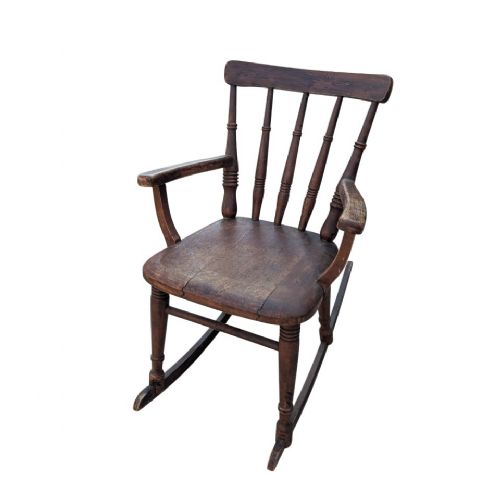
When searching for an antique wooden child seat, you encounter smaller domestic furnishings designed for young occupants across the eighteenth, nineteenth and early twentieth centuries. These pieces encompass low armchairs, high chairs, rocking chairs and potty chairs built for practical use in domestic settings. The most common examples on this page date from the nineteenth century, reflecting both country vernacular traditions and formal cabinet-making styles.
The regional origins of these seats vary from English country workshops to Scandinavian and European makers. Forms range from simple stick-back Windsor chairs and ladderbacks to sophisticated mahogany metamorphic high chairs and bamboo frames. Each surviving item demonstrates how families accommodated children long before mass-produced plastic furniture existed.
Materials and construction methods
The construction of these juvenile seats relies heavily on native timbers such as elm, ash, oak, yew, fruitwood and mahogany, often paired with flexible seating materials like cane, rush or woven rattan. Timber selection dictated the strength of spindles and legs, with dense woods like yew and mahogany reserved for refined frames while elm and ash served rural stick-back designs.
Joinery techniques span traditional Windsor spindle-turning, steam-bending for crest rails, mortise-and-tenon framing and occasionally painted surface decoration. Makers utilised local timber supplies, meaning English pieces frequently employ elm and ash whilst continental examples utilise beech or pine.
The listings span several centuries, featuring pieces made from native elm, mahogany, oak, ash, yew and beech alongside cane and rush seating.
What separates fine examples from ordinary ones
Quality in these small seats rests upon the proportion of miniature scaling to adult furniture, the integrity of the original timber and the subtlety of the turning on spindles and legs. Superior pieces retain their original surface patination, honest structural repairs and matching components rather than mismatched replacements.
Refinement of design marks the upper tier of examples, such as a well-balanced Windsor bow or an intricate mahogany metamorphic high chair mechanism. Simpler vernacular pieces derive their appeal from robust folk art charm, visible tool marks and honest utilitarian construction.
The Antique Wooden Child Seat Glossary
- Windsor
- A chair built with a solid wooden seat into which the legs and back spindles are wedged directly. These sturdy forms were widely produced in regional workshops.
- Metamorphic
- Describing furniture designed to transform from one function to another, such as a high chair converting into a low chair and play table.
- Potty chair
- A specialised low seat featuring a cut-out aperture in the wooden panel designed to hold a chamber pot beneath.
- Bergere
- A type of upholstered armchair featuring woven cane panels on the back or sides. It appears on more formal nineteenth-century seating.
- Stick back
- A minimalist chair construction where turned wooden sticks form the backrest. This method is typical of country vernacular furniture.
Antique Wooden Child Seat: Frequently Asked Questions
How were antique high chairs used?
These elevated seats kept toddlers secure and level with adults at the dining table during family meals. Many included footrests or wooden safety bars to contain active infants.
Some sophisticated versions converted into low play chairs or desk units once the child outgrew the initial high dining stage.
Are these small chairs safe for children?
While these items survive from past centuries, they are generally intended today as decorative display pieces or collector's items rather than nursery furniture. Construction methods and safety standards from the eighteenth and nineteenth centuries do not meet modern childcare regulations.
Collectors prefer to place them on tabletops, shelves or quiet corners where their historical character can be appreciated without structural strain.
How do I date an antique child seat?
Dating relies on examining the timber species, tool marks, joinery methods and overall stylistic traits associated with specific periods like the Georgian or Victorian eras. Secondary woods and fixings often provide clues to the workshop origin and manufacturing decade.
Comparing the turned spindles and structural proportions against dated examples helps narrow down the period of origin.