
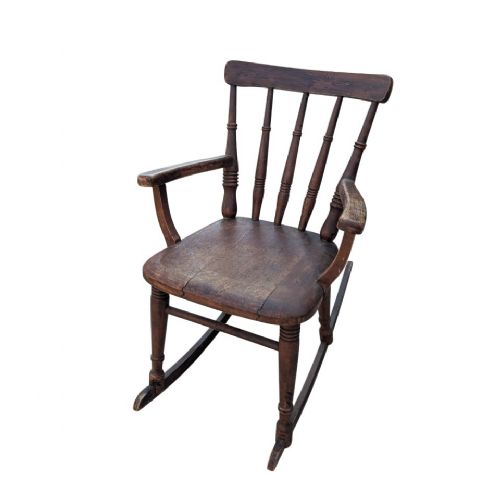
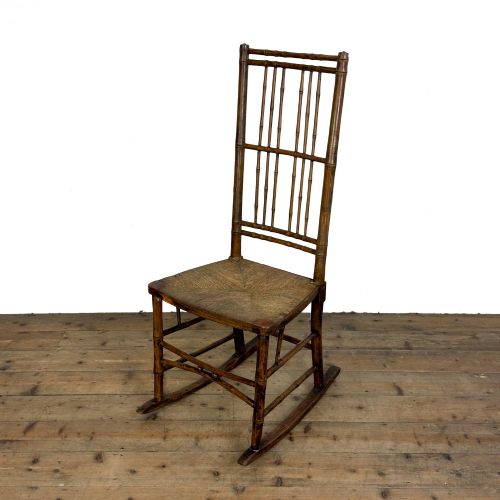
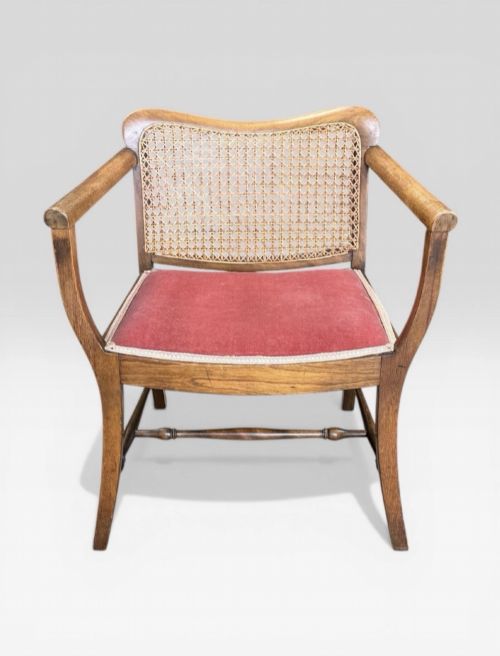
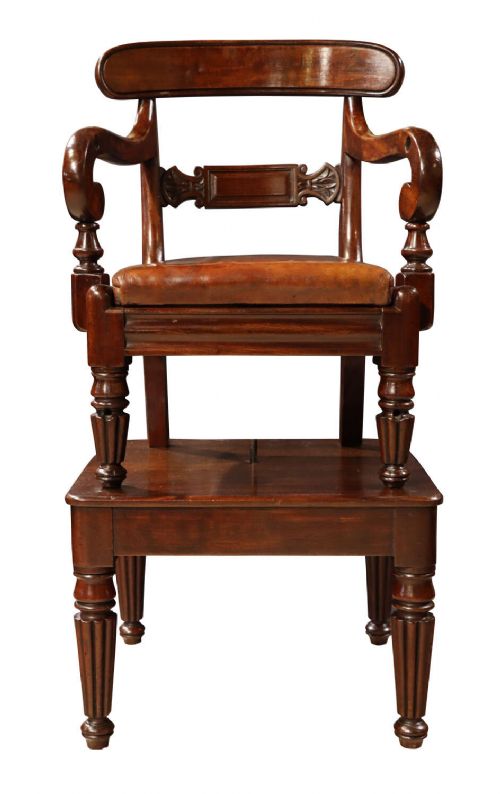


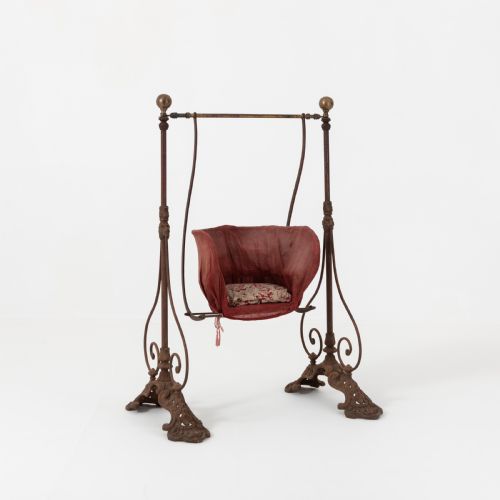


Antique Nursery Seating
Antique nursery seating comprises children's chairs and benches that bring domestic history into a modern interior.
What antique nursery seating is
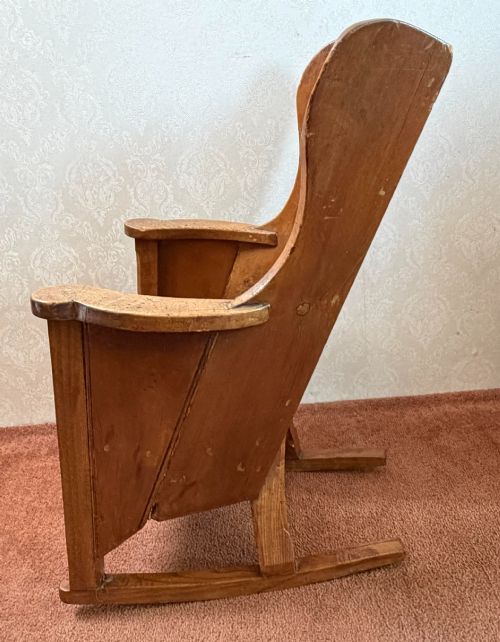
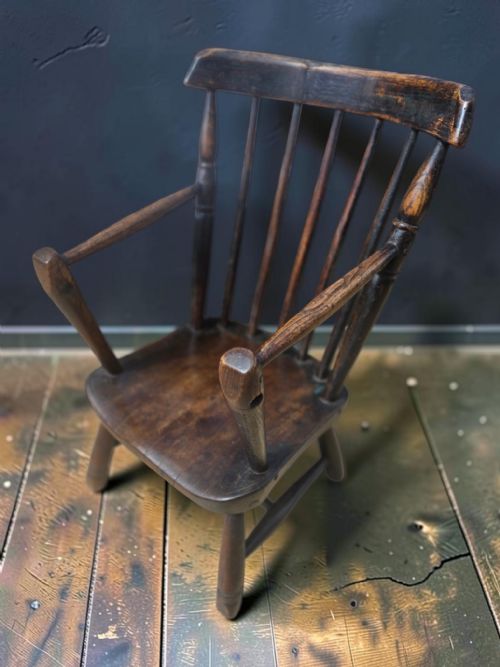
Antique nursery seating encompasses children's chairs and benches designed for domestic use in past centuries. These functional small-scale seats served households during the nineteenth century and into the early twentieth century.
The pieces listed on this page include examples from the nineteenth century, alongside items dated around eighteen-eighty and nineteen-twenty. Forms range from simple children's chairs to benches originating from English and Scandinavian country traditions.
Buyers encounter regional styles such as English Country and Scandinavian Country alongside industrial designs like Thonet and Victorian forms. Each piece reflects the domestic requirements of its period through distinct regional craftsmanship.
How these pieces were made
Maker's workshops utilised local hardwoods including yew wood, elm, beechwood, and beech to construct durable frames for daily use. These domestic timbers provided the structural strength required for children's furniture.
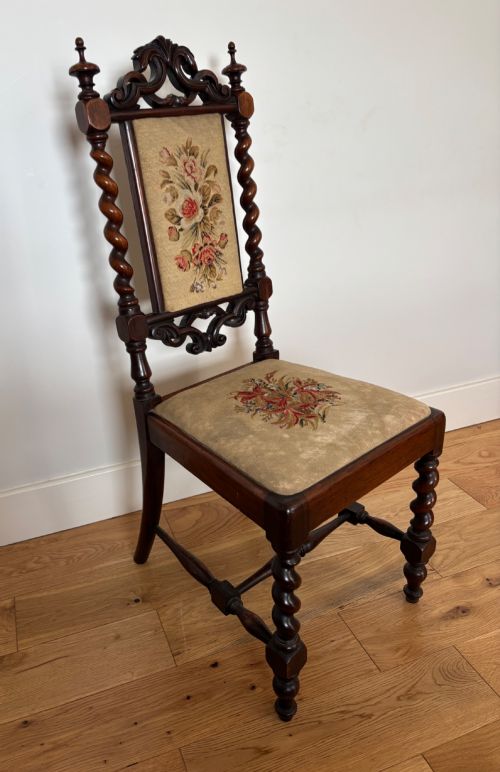
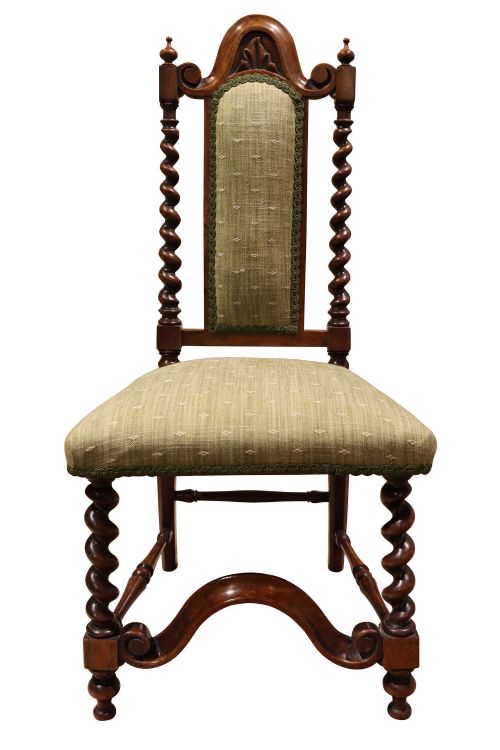
Alternative materials appear in specific forms, such as woven cane for seats, mahogany for formal Victorian pieces, and supplementary elements of leather and brass. These materials combine to define the construction of each individual chair and bench.
Retail Price Guide 2026
Typical UK retail prices for nursery seating, calculated from the Sellingantiques database of over a million retail prices indexed since 2003. This retail price guide relies exclusively on Sellingantiques data; no external sources or auction records are used, so the figures do not describe the wider market.
Object types include children's chairs, benches, and chairs adhering to English Country, Scandinavian Country, Thonet, and Victorian styles.
What varies in quality
Quality in these domestic pieces depends upon the selection of timber and the integrity of the original construction methods. Fine examples display careful timber matching and robust joinery that survives centuries of handling.
The refinement of the turning and the retention of original materials, such as cane seats or timber surfaces, distinguish simpler utilitarian seating from more ambitious regional and factory production.
The Antique Nursery Seating Glossary
- Bentwood
- A technique of steaming wood until pliable and bending it into curved structural forms, famously utilised by Thonet.
- Cane
- Woven plant material used to create resilient and lightweight seat panels for chairs.
- Yew wood
- A dense British timber valued for its distinct grain pattern and strength in traditional chairmaking.
- Victorian
- The period spanning the nineteenth century, associated here with mahogany child seating.
Frequently Asked Questions
How were these small chairs used?
These small seats served children in domestic nurseries and parlours during the nineteenth and early twentieth centuries. They provided appropriately scaled seating for daily household life.
Today, buyers often place these historic items as decorative decorative accents or freestanding display pieces within contemporary living spaces.
Are these seats safe for children today?
These historical objects were manufactured for nineteenth-century domestic use under different structural standards than modern children's furniture. Timber shrinkage and historical wear affect the original stability of joints.
Collectors generally treat antique nursery seating as decorative or collectible items rather than for active daily use by young children.
What woods were used in these chairs?
Chairmakers utilised accessible regional hardwoods including beech, elm, and yew wood for the structural frames. Mahogany also appears in more formal Victorian examples.
Secondary materials such as cane provide flexible seating surfaces, while brass and leather appear on specific regional and period variants.
How do I identify a Victorian child's chair?
Victorian pieces frequently employ denser woods like mahogany and reflect the formal design preferences of the nineteenth century. They contrast with rustic vernacular country seating.
Examination of the timber, structural joinery, and stylistic details helps separate formal Victorian items from English and Scandinavian country workshops.