



Antique Bentwood Chair
These antique bentwood chair designs bring together steam-bent timber and clever joinery, offering a resilient seating option that suits both traditional and modern spaces.
Understanding antique bentwood chair options
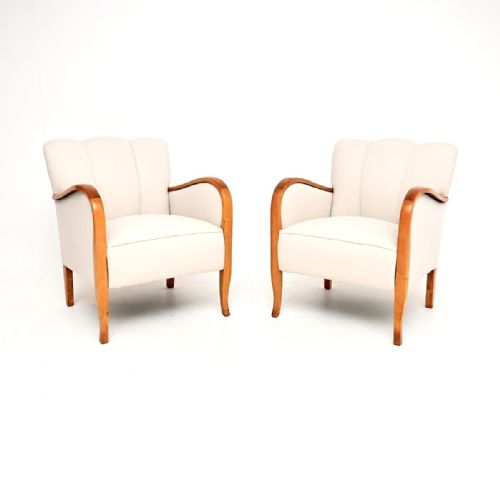
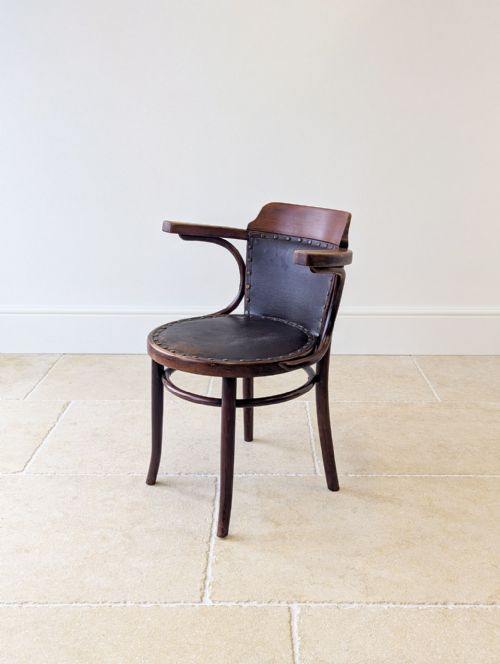
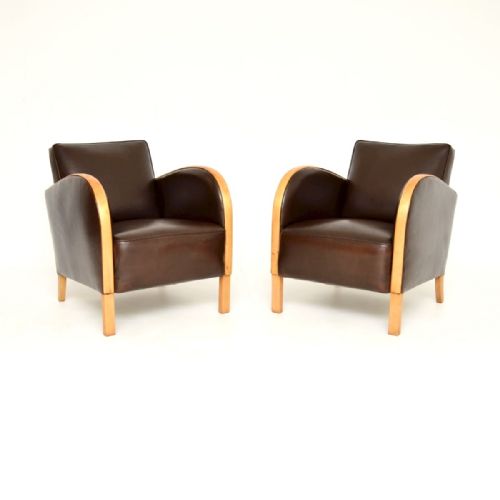
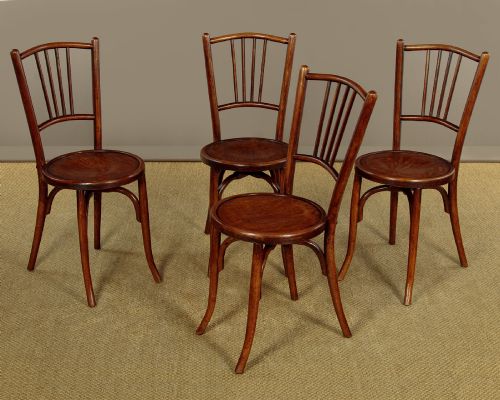
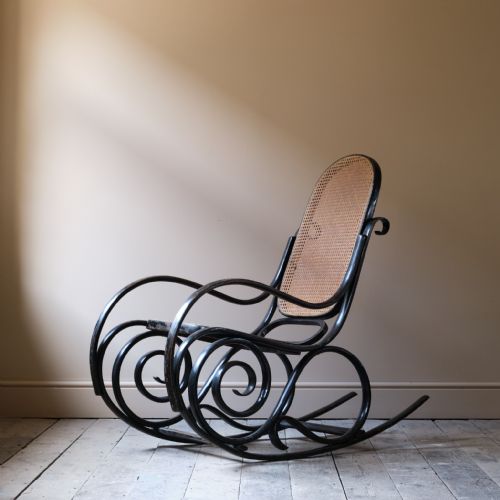
The antique bentwood chair family spans domestic and commercial forms, ranging from dining chairs and kitchen seating to sophisticated revolving desk armchairs. Buyers often encounter pieces tailored for specific uses, such as compact children's chairs or wide club armchairs.
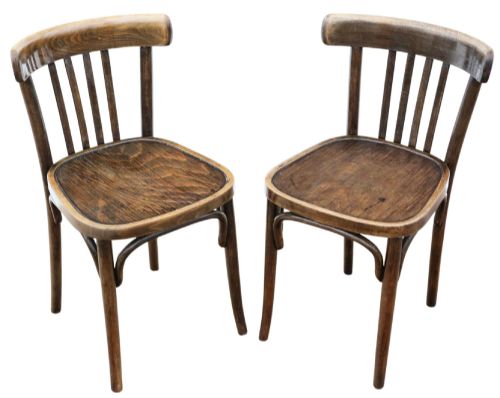
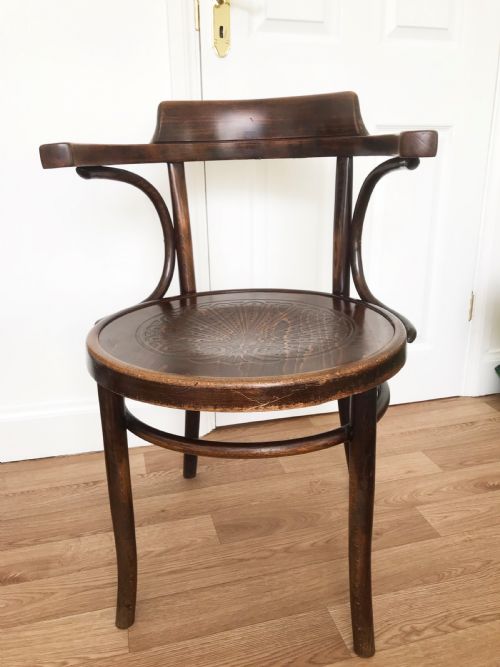
The selection reflects both late Victorian and Edwardian periods, alongside sturdy seating originating from famous institutions like the Cafe Royal. Common configurations include open hoop-back side chairs and generous armchairs fitted with padded leather or woven cane seats.
Viennese aesthetics heavily influence these designs, bringing a sense of continental cafe culture directly into domestic interiors. Whether sourcing a single desk chair or a matched set for a dining room, buyers engage with a deeply practical legacy of furniture design.
Materials and steaming techniques
Craftsmen built these chairs primarily from solid beech, selected for its predictable grain and exceptional response to heat and moisture. Timber strips were subjected to steam chambers until pliable enough to be forced into curved metal moulds by hand.
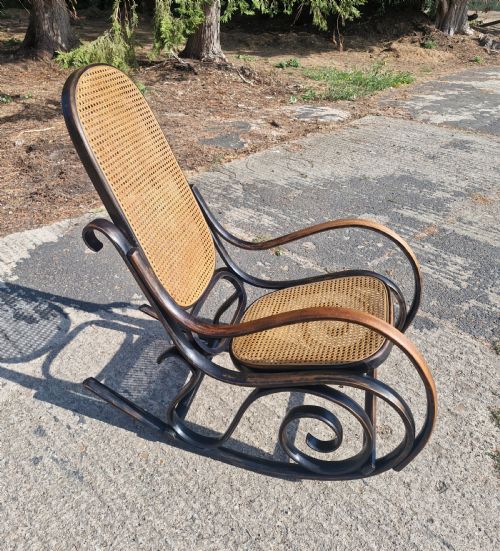
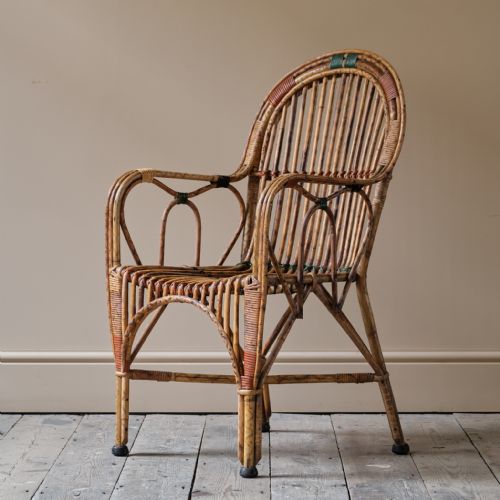
Makers reinforced the lightweight frames using supportive plywood panels, woven cane inserts, and durable leather upholstery fastened securely to the seats. Brass hardware frequently appears on swivel desk variants, adding mechanical function to the organic wooden curves.
Retail Price Guide 2026
Typical UK retail prices for bentwood chair, calculated from the Sellingantiques database of over a million retail prices indexed since 2003. This retail price guide relies exclusively on Sellingantiques data; no external sources or auction records are used, so the figures do not describe the wider market.
Some chairs retain the bustling atmosphere of the London Cafe Royal within their sturdy beech frames.
Distinguishing quality in bentwood furniture
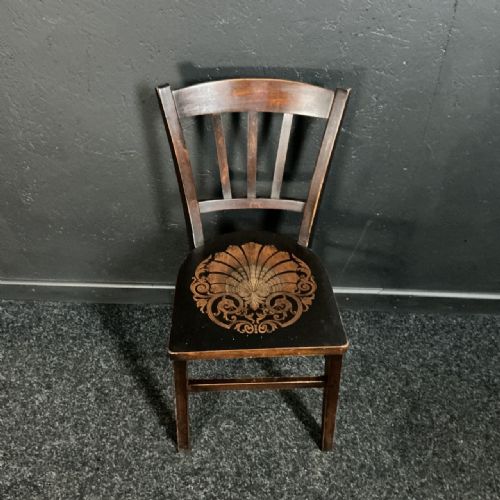
Quality rests in the tightness and symmetry of the steam-bent curves, where superior pieces maintain structural integrity without excessive glue or supplementary internal bracing. The crispness of embossed seat patterns and the smoothness of the timber finish separate ordinary utility seating from finer workshop production.
The pedigree of the maker significantly elevates a piece, with branded or paper-labelled examples from major Austrian workshops commanding distinct recognition. Preserved original surfaces, intact cane work, and uncompromised beech frames distinguish the best survivals from heavily restored equivalents.
Thonet·J & J Kohn·Fischel
The Antique Bentwood Chair Glossary
- Bentwood
- Wood that has been rendered pliable by steam and bent into curved structural forms. This technique allowed makers to produce lightweight, resilient furniture without traditional heavy joinery.
- Hoop back
- A continuous curved wooden member forming the backrest and arm supports of a chair. It provides ergonomic comfort through natural spring in the timber.
- Cane
- Woven rattan material used to create breathable, lightweight seat panels. It offers flexibility and distinctive texture within wooden frames.
- Bergere
- An upholstered armchair featuring an enclosed cane back and sides. This style combines formal elegance with the lightness of bentwood construction.
- Swivel
- A rotating mechanism fitted beneath desk chairs to allow movement. It typically pairs wooden seats with robust metal and brass hardware.
Frequently Asked Questions
How do I identify a Thonet chair?
Look for paper labels, stamped manufacturer marks underneath the seat frame, or distinctive signature scrollwork patterns.
Authentic pieces typically display precise steam-bent construction using European beech.
Are these chairs suitable for daily use?
Bentwood furniture was originally engineered for heavy commercial service in European cafes and offices.
Properly maintained examples remain exceptionally sturdy and practical for contemporary dining or desk use.
How should I care for cane seats?
Keep natural cane hydrated by wiping it occasionally with a damp cloth to prevent brittleness.
Avoid placing these chairs in direct sunlight or overly dry heated environments.
Can I mix different bentwood styles together?
Different models share a consistent aesthetic rooted in steam-bent beech and minimalist profiles.
Combining varied cafe and dining chair forms creates an eclectic yet visually cohesive arrangement.