



Victorian Nursery Chair
These low-slung seats offer charm and character, bringing period seating into modern rooms with ease.
Victorian nursery chair
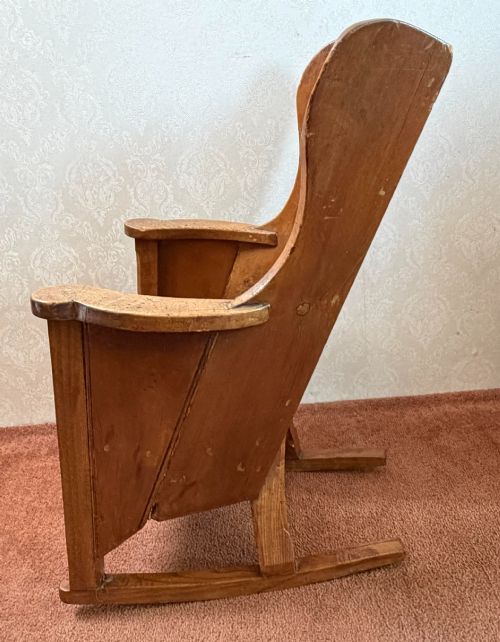
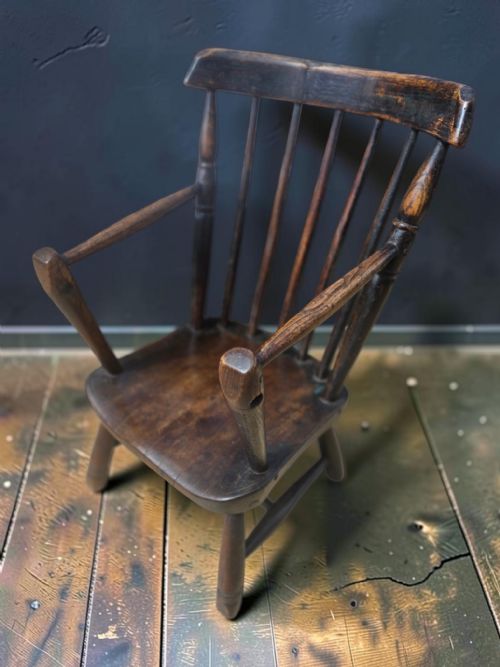
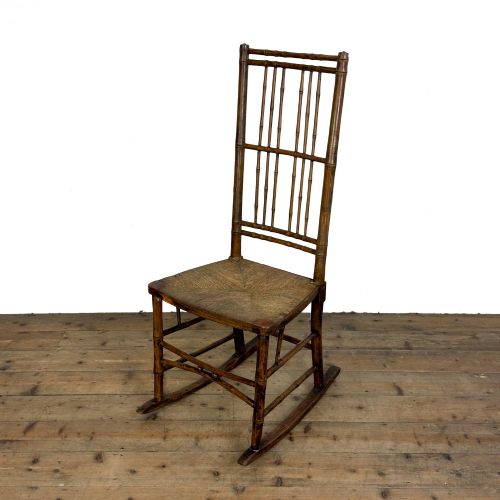
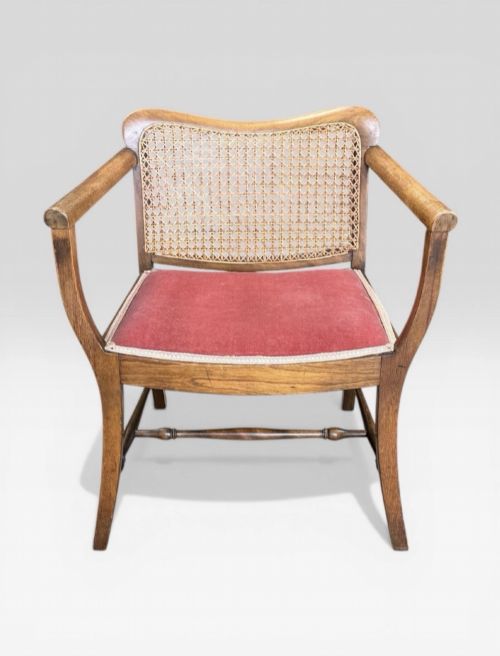
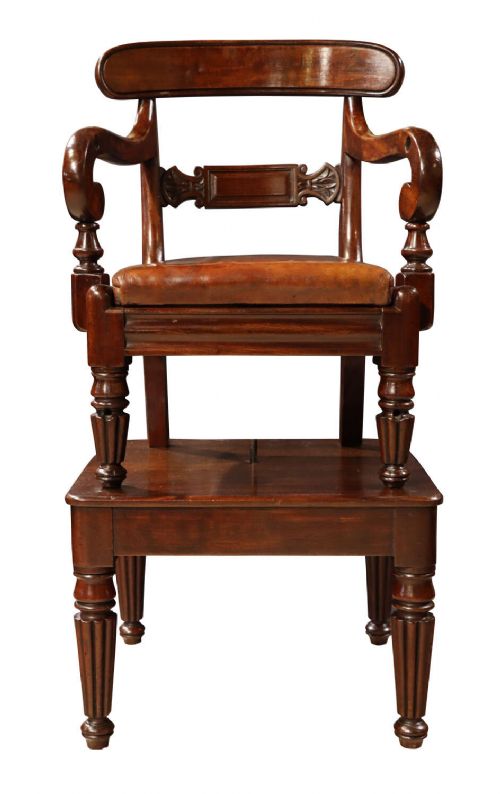
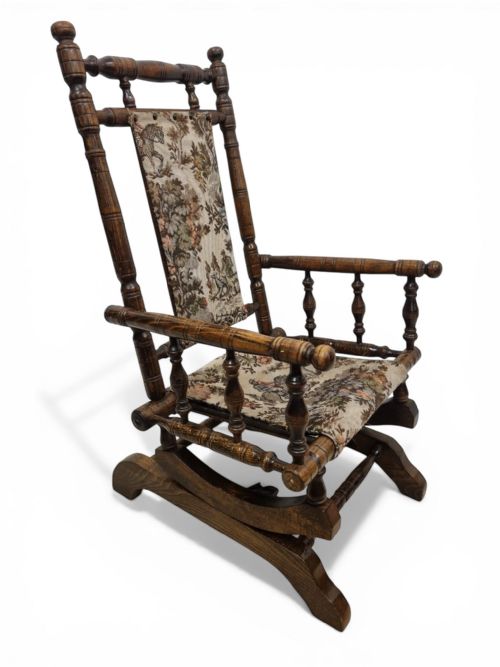
A victorian nursery chair brings nineteenth-century seating into homes, with forms designed for smaller occupants and specific domestic tasks. The selection includes child chairs, rocking chairs, armchairs, and side chairs from the period.
The evidence shows various styles within this group, including Victorian country pieces, Aesthetic movement designs, and Viennese bentwood. Pieces range from simple rush seat models to ebonised child chairs and metamorphic forms.
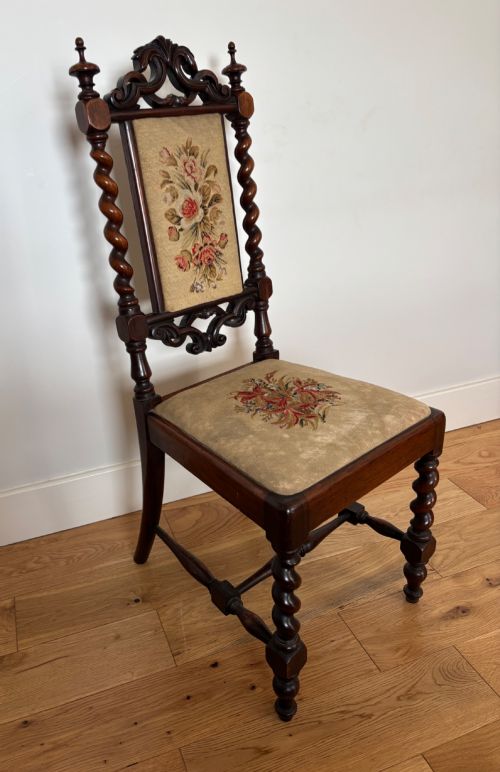
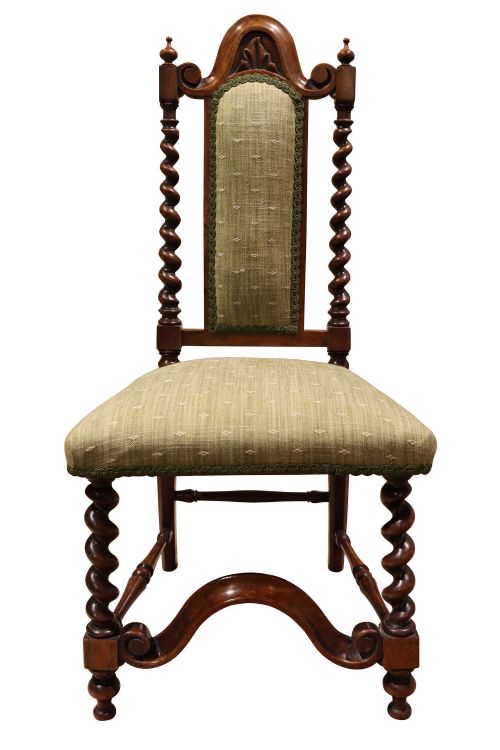
Materials span walnut, beech, oak, and wood, often paired with fabric, tapestry, brass, or steel. Many examples feature specialised elements such as barley twists, cane seats and backs, or reclining mechanisms.
Materials and construction
Joinery relies on solid timber frames fashioned from walnut, beech, oak, and general wood. Turned components, such as barley twist supports, demonstrate traditional carpentry methods of the era.
Upholstery and seating surfaces incorporate fabric, tapestry, cane, and rush. Metal elements in brass and steel appear in structural hardware or decorative details, complementing the wooden frames.
Retail Price Guide 2026
Typical UK retail prices for victorian nursery chair, calculated from the Sellingantiques database of over a million retail prices indexed since 2003. This retail price guide relies exclusively on Sellingantiques data; no external sources or auction records are used, so the figures do not describe the wider market.
Listings feature wood, beech, walnut, and oak, alongside fabric, cane, and tapestry.
Assessing quality
The distinction between standard examples and finer pieces lies in the complexity of the timber work and the sophistication of the design. Ebonised finishes, Aesthetic movement details, and metamorphic mechanisms represent higher levels of craftsmanship.
Integrity of materials, such as well-preserved cane work or intricate turned woodwork, elevates a piece. Simpler country versions contrast with more elaborate urban or stylistic interpretations.
The Victorian Nursery Chair Glossary
- Barley twist
- A type of furniture turning shaped like a spiral rope. This decorative feature appears frequently on nineteenth-century chair legs and supports.
- Bentwood
- Wood heated and bent into curved shapes, as seen in Viennese designs. This technique allows for flowing, rounded structural forms.
- Metamorphic
- Furniture designed to transform into different configurations for alternative uses. A metamorphic child chair adapts its form for multiple functions.
- Ebonised
- Wood stained or painted black to imitate ebony. This finish is characteristic of the Aesthetic movement.
- Rush seat
- A seating surface woven from dried marsh grasses. It provides a traditional texture found on country chairs.
Frequently Asked Questions
What is a nursery chair?
A nursery chair is a low seating piece historically used in children's rooms or nurseries during the nineteenth century. These chairs accommodated children or adults tending to them.
Designs vary from rocking chairs and armchairs to specialised child seats and correction chairs.
How do I date a Victorian chair?
Dating relies on stylistic markers, materials, and construction techniques recorded across the nineteenth century. Pieces often feature specific indicators like Aesthetic movement ebonising or barley twist turnings.
Comparing structural details helps place items within the Victorian era and surrounding decades.
Can these chairs be used daily?
These antique chairs function well in modern interiors for seating or display purposes. Their compact scale suits smaller rooms and corners.
Care should be taken with delicate materials like cane seats or older upholstery fabrics during regular use.
What woods were commonly used?
Cabinetmakers utilised a variety of timbers including walnut, beech, and oak. Solid wood formed the durable frames required for daily domestic life.
Secondary woods and finishes like ebonisation provided distinct visual styles according to the period.