

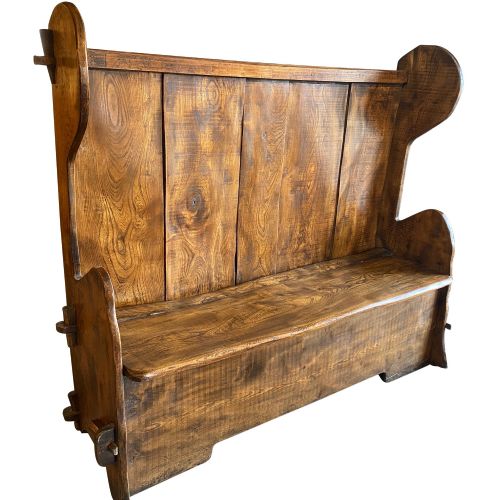
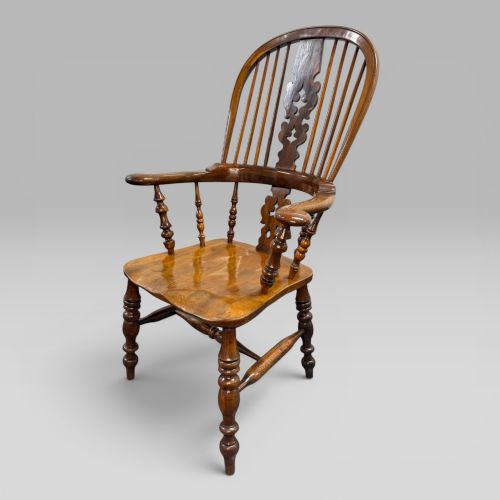
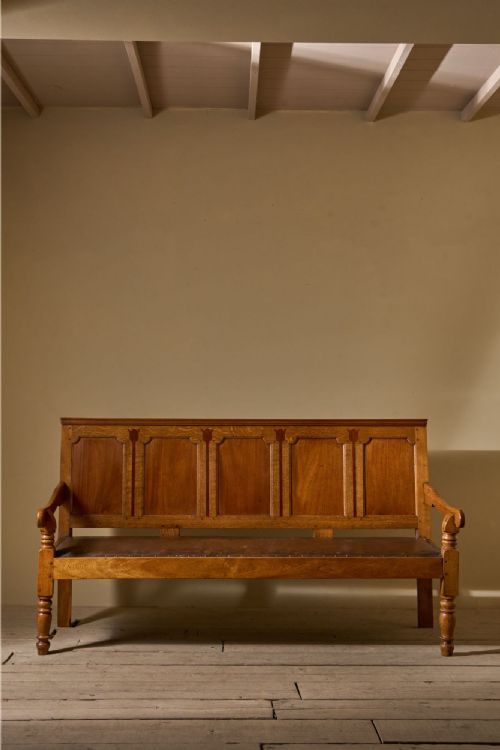
Brown Wooden High Chair
A brown wooden high chair is a sturdy piece designed for young children, offering practical domestic utility through traditional craftsmanship.
Brown Wooden High Chair
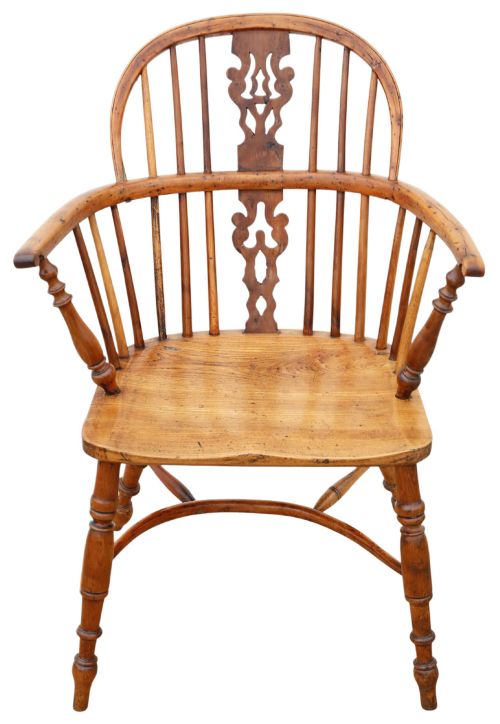
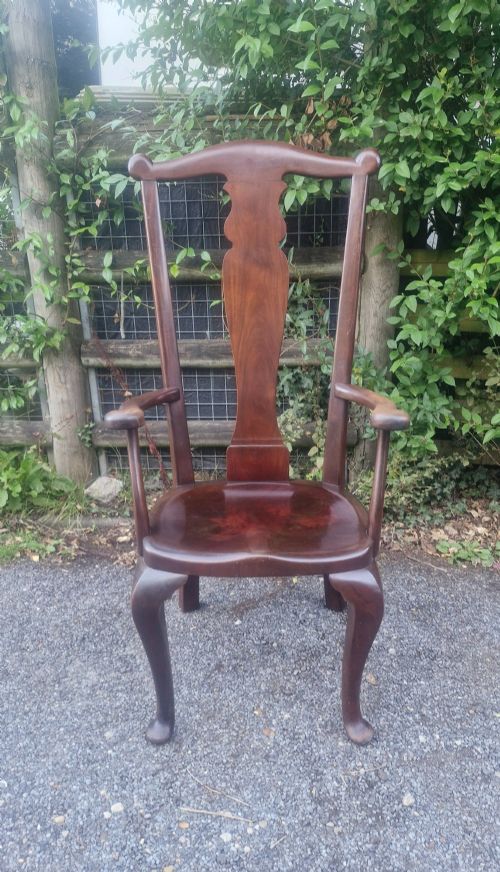
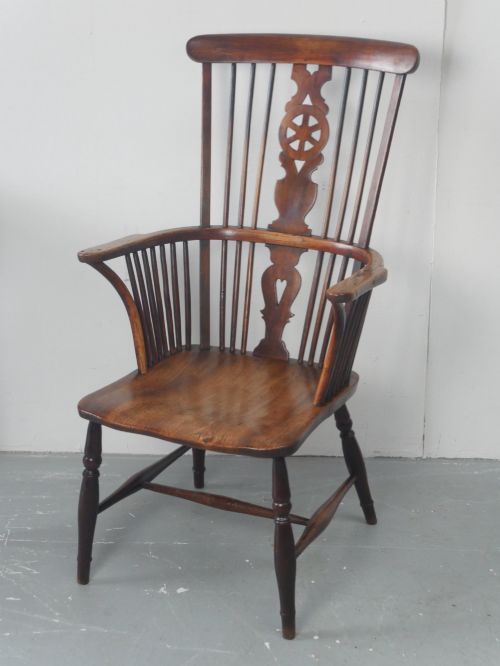
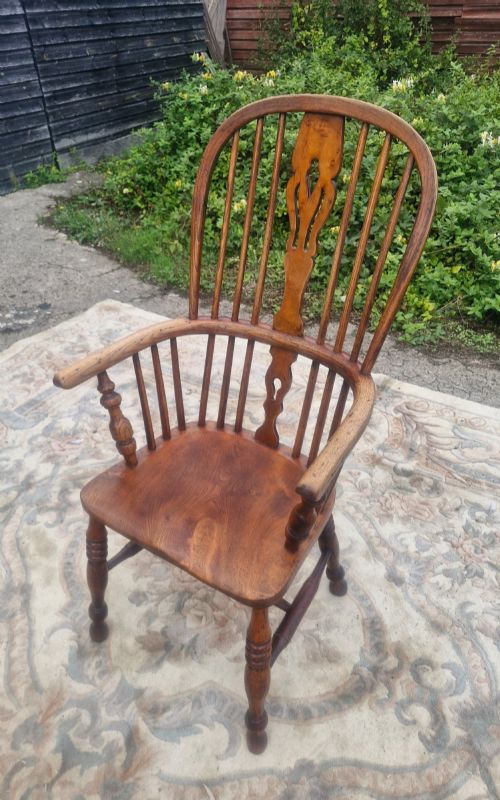
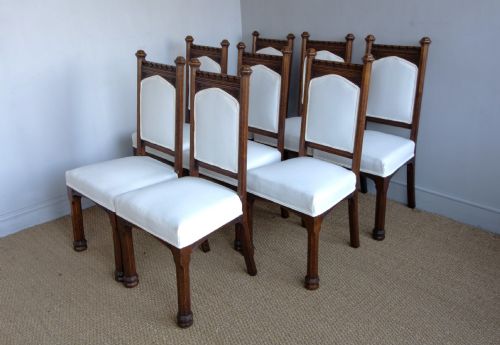
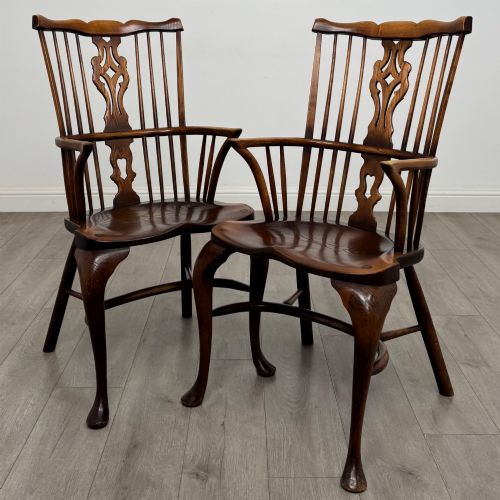
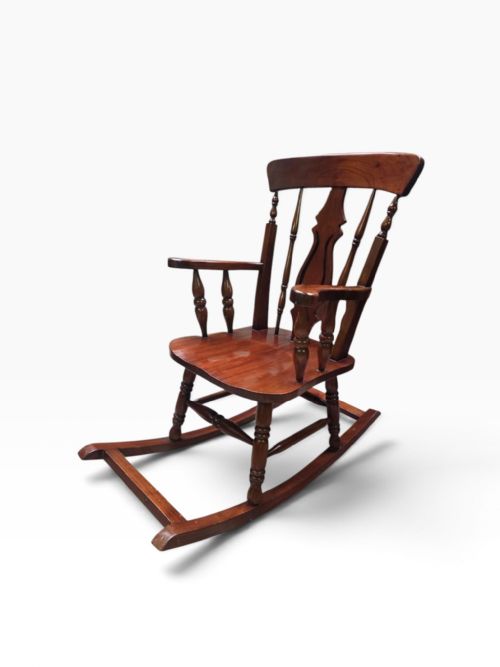
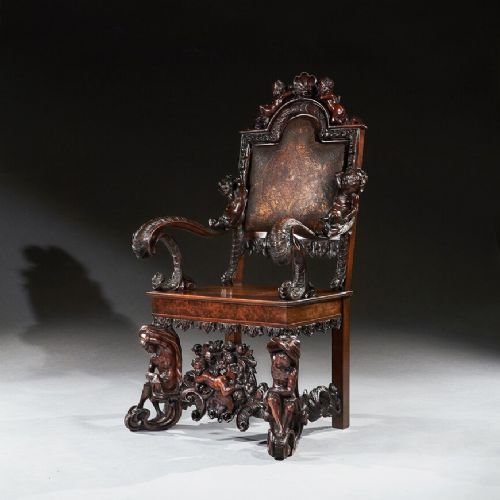
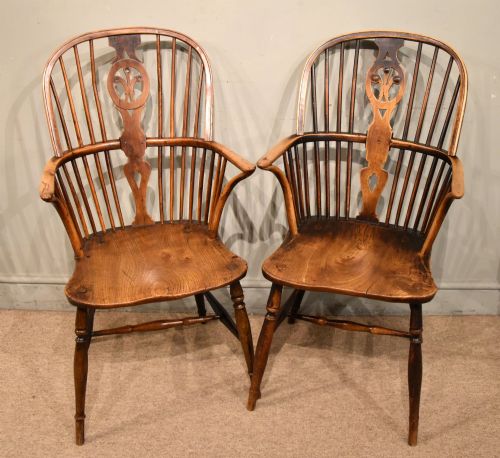
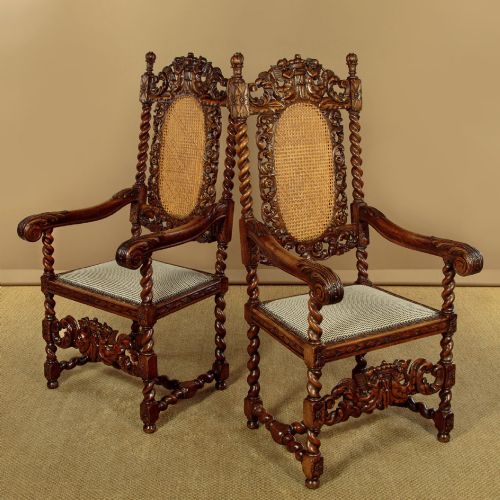
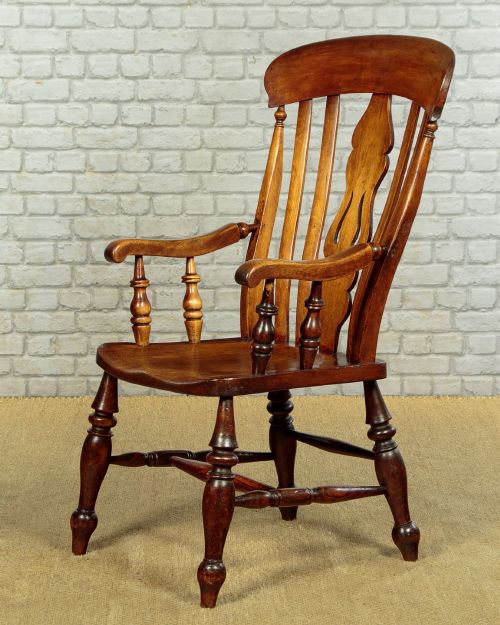
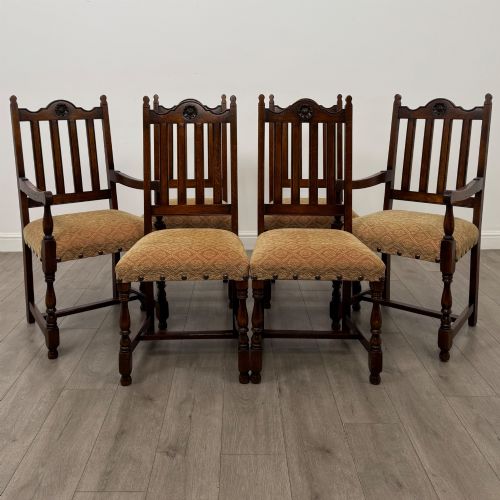
A brown wooden high chair brings historical domestic seating into contemporary spaces, utilising durable native timbers shaped by traditional makers. When searching for a brown wooden high chair, buyers encounter pieces originating from the Georgian, Victorian, and Edwardian eras, reflecting regional British vernacular styles.
The selections span utilitarian farmhouse forms and metamorphic designs constructed from woods like elm, ash, and mahogany. These seating options served dining and nursery functions, maintaining structural integrity across generations of daily household use.
How They Were Made
Craftsmen built these chairs using a combination of dense hardwoods such as oak, walnut, and fruitwood for frames, paired with elm for seats. Turning lathes shaped spindles and legs, while steam-bending techniques formed hoop backs and comb backs.
Joinery relied heavily on wedged tenons and mortise joints, ensuring lasting stability without relying on metal fasteners. Surfaces received simple finishes like wax or oil to protect the timber while highlighting natural grain patterns.
A daring toddler once surveyed the dining room from a lofty perch of solid elm and ash.
What Varies in Quality
Quality rests upon the selection of timber and the precision of the joinery executed by the maker. Examples utilising figured woods or combined timbers like yew and elm show superior material consideration.
Design sophistication also dictates distinction, moving from plain utilitarian forms to refined metamorphic arrangements or sophisticated regional turning styles. The harmony of proportions and the retention of original surfaces determine the standing of each piece.
Morris And Co·Duncan McKellar
The Brown Wooden High Chair Glossary
- Windsor
- A chair built with a solid wooden seat into which the legs and back spindles are direct-tenoned. This vernacular form remains central to British country furniture traditions.
- Metamorphic
- Describing furniture designed to transform into alternative functional items, such as a high chair converting into a low rocking chair. These clever domestic pieces served multiple purposes in compact historical homes.
- Comb back
- A Windsor chair variation where the vertical spindles extend upward to support a horizontal top rail resembling a traditional hair comb. This construction offers robust upper back support.
- Vernacular
- Everyday objects built by regional makers using local traditions and materials rather than following strict high-style architectural pattern books. These pieces reflect the practical needs of rural communities.
Brown Wooden High Chair: Frequently Asked Questions
What woods were used?
Makers utilised accessible regional timbers including elm, ash, oak, beech, and fruitwood. These hardwoods provided the necessary strength for daily seating.
Softer woods occasionally appeared in secondary components, but primary structures depended on tough domestic trees.
How are periods identified?
Periods are determined through construction methods, tool marks, and stylistic indicators associated with Georgian, Victorian, or Edwardian manufacturing. Turning shapes and joinery evolution offer clear chronological markers.
Material choices also shift across decades, reflecting changing availability and workshop preferences.
Were they for children?
Yes, specialised high chairs and child-sized seating elevated young family members to table height during meals. Many incorporate footrests and safety barriers.
Some examples feature metamorphic designs that allowed the high chair to convert into a low play chair.
How do I clean them?
Maintenance requires gentle cleaning with a soft cloth and occasional application of traditional beeswax to nourish the dry timber. Avoid modern chemical polishes that can degrade historical finishes.
Keeping the wood away from direct heat sources prevents timber shrinkage and joint loosening.