



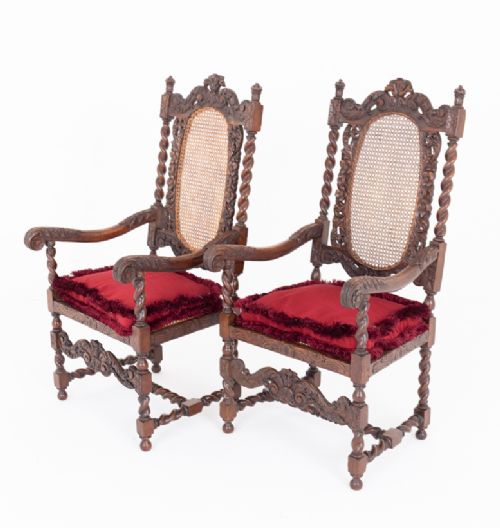
Dark Oak High Chair
A dark oak high chair brings solid timber and elevated seating together, offering children a secure perch through centuries of family meals.
Dark Oak High Chair
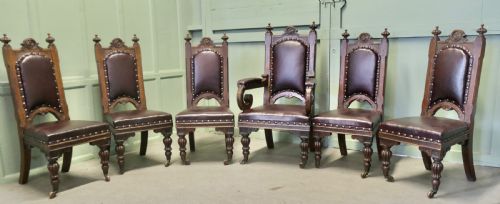
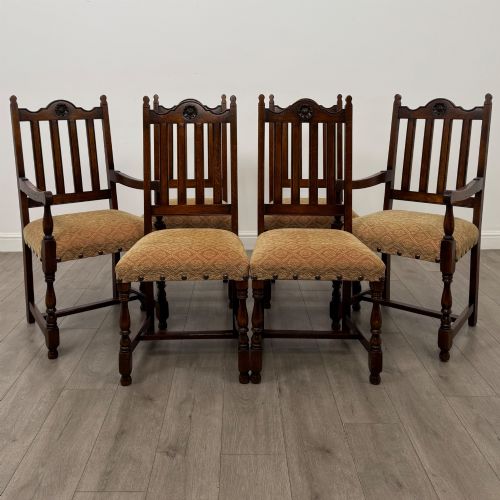
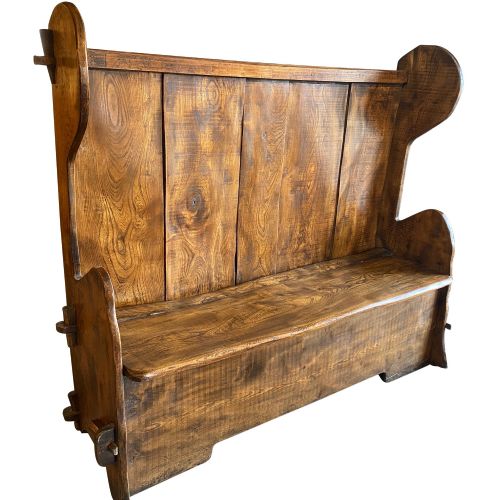
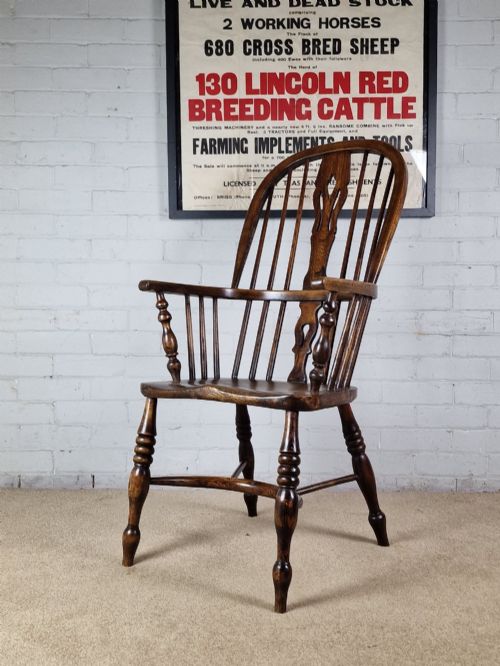
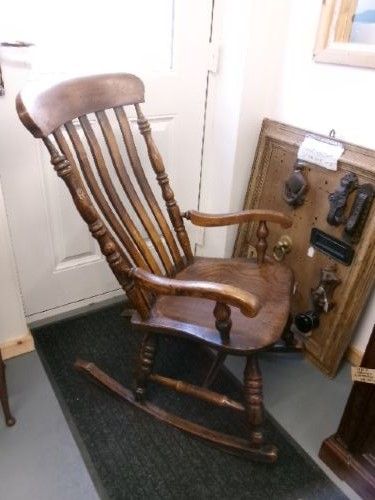
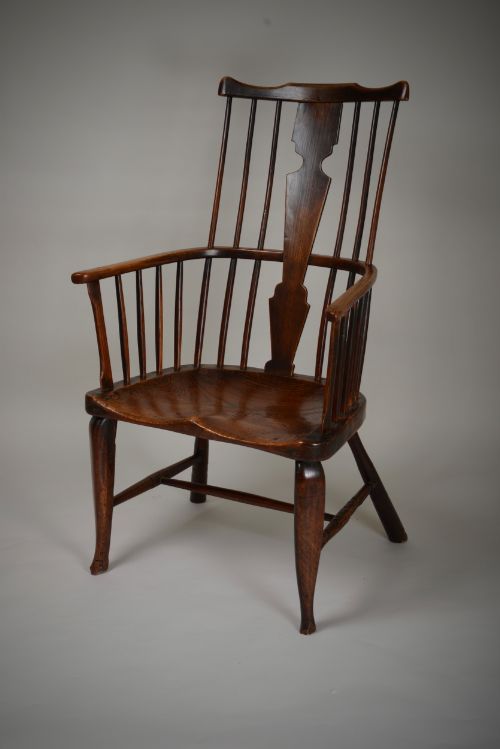
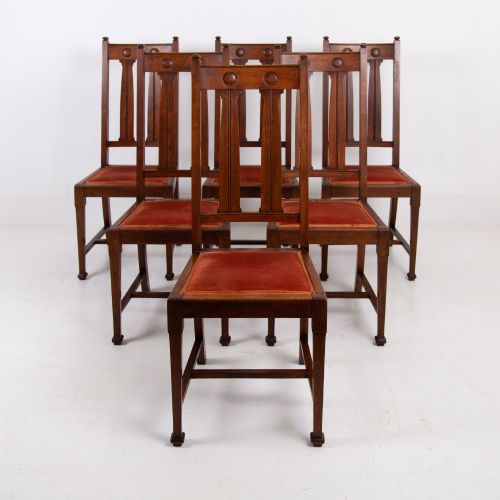
A dark oak high chair is what a buyer examines when seeking elevated wooden seating designed for children, appearing alongside related forms such as low windsors, rocking chairs and dining armchairs. The pieces span from seventeenth century joined examples on stands bearing carved dates to nineteenth century hoop backs and vernacular country models.
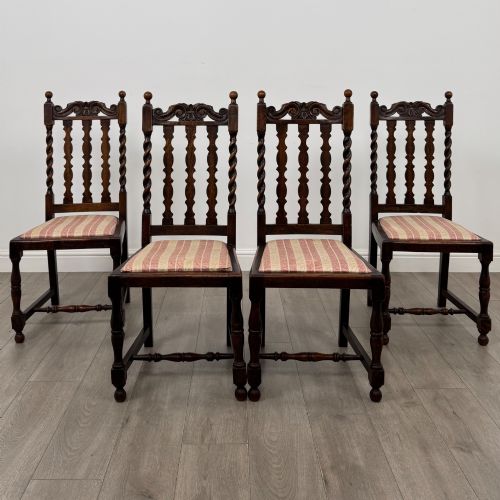
The version most commonly met on this page is the nineteenth century vernacular or revival form, often featuring sturdy spindles, high backs and rich patination developed over generations of domestic use. Alongside these sit occasional joined oak highchairs reflecting earlier seventeenth century traditions of craftsmanship.
Materials and construction
Construction relies heavily on native timbers such as solid oak, elm and ash, shaped into turned spindles, curved hoops and sturdy legs. Joinery methods include traditional mortise and tenon joints, pegging and steam bending to achieve rigid frames capable of withstanding daily nursery use.
Surfaces frequently display natural grain patterns enhanced by decades of waxing, while subsidiary elements incorporate materials like brass fastenings, leather upholstery and cane work where specified by the particular style.
Dark Oak High Chair Retail Price Guide 2026
Typical asking prices for dark oak high chair among the pieces listed under this phrase on Sellingantiques today, from the lower quarter to the upper quarter. They describe what is for sale here now, not the wider market.
Listings incorporate oak, elm, ash and brass across periods ranging from the seventeenth to the twentieth century.
Craftsmanship and integrity
Quality rests in the integrity of the original construction, where crispness of carved detail on oak panels and firmness of joined joints distinguish superior examples. Timber selection plays a vital role, with dense grain and deep natural colour marking out pieces that retain their original structural elements.
The presence of period alterations or replaced components alters the standing of a piece, while untouched surfaces with consistent wear across the footrests and arms demonstrate authentic age and sustained domestic service.
The Dark Oak High Chair Glossary
- Hoop back
- A continuous bentwood bow forming the backrest and arm supports of a Windsor chair. This technique provides inherent structural resilience.
- Joined oak
- Furniture constructed using mortise and tenon joints secured by wooden pegs rather than metal nails. This method defines seventeenth and eighteenth century cabinetmaking.
- Spindle back
- A chair back filled with numerous slender turned wooden rods. These uprights distribute weight evenly while keeping the frame light.
- Vernacular
- Objects made by regional craftsmen following local traditions rather than strict academic designs. These pieces prioritise utility and local materials.
- Barley twist
- A turning technique producing a spiral column resembling twisted rope. This ornamental motif appears frequently on revival furniture legs and stretchers.
Dark Oak High Chair: Frequently Asked Questions
How do I clean a dark oak high chair?
Maintain the surface using a soft cloth and microcrystalline wax to nourish the timber without building up heavy residues. Avoid modern silicone sprays or excessive moisture which can damage the aged patina.
Allow any natural wax to dry thoroughly before buffing gently to a soft sheen. This preserves the historical surface while protecting the wood from dry domestic atmospheres.
How can I tell the age of the oak?
Examine the timber surface for tool marks, hand-cut peg holes and the distinct silver grain figure characteristic of quarter sawn oak. Colour variation and wear patterns around the footrest provide further clues to age.
Earlier pieces rely on joined construction with visible pegged joints, whereas later nineteenth century iterations incorporate factory turnery and standardised fixings.
What is the difference between provincial and revival styles?
Provincial chairs were made for everyday use in country homes and workshops during their respective periods, following regional building traditions. Revival pieces date to later centuries like the Victorian or Edwardian eras when makers copied earlier historical fashions.
Examining the tool marks, timber shrinkage and structural wear helps distinguish an authentic early form from a deliberate nineteenth century copy.