


Antique Child Seat
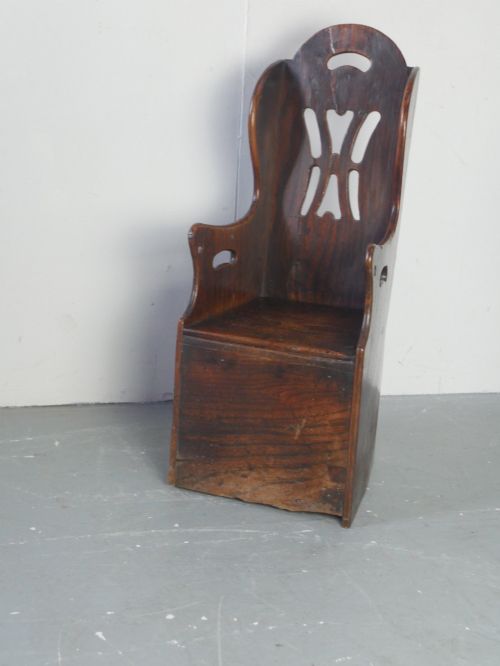
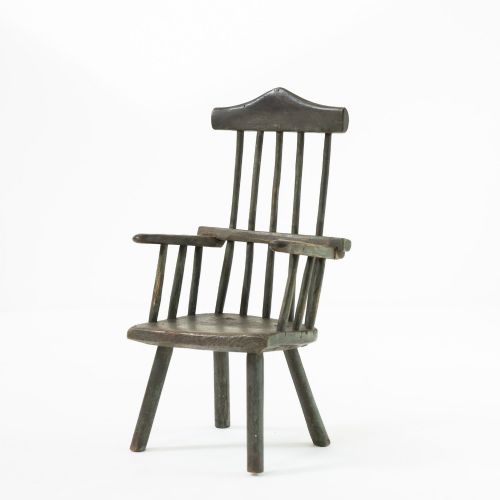
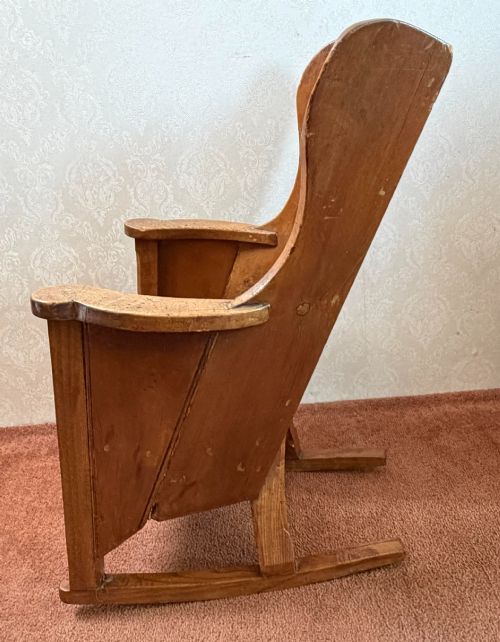
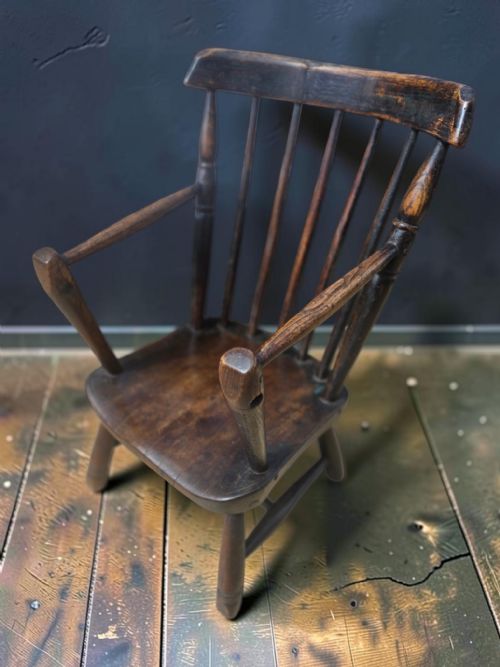
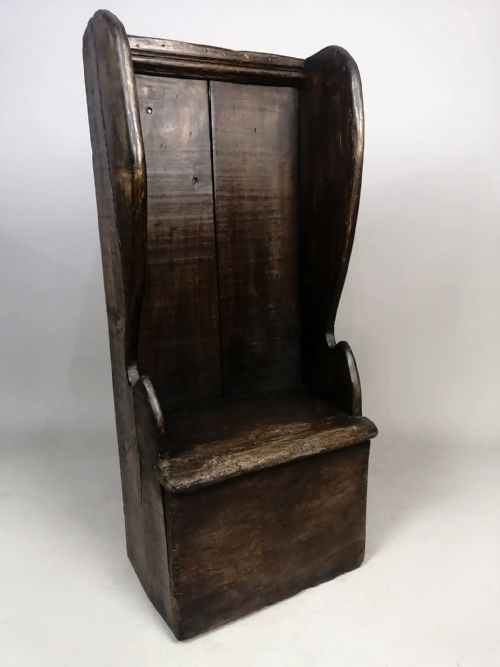
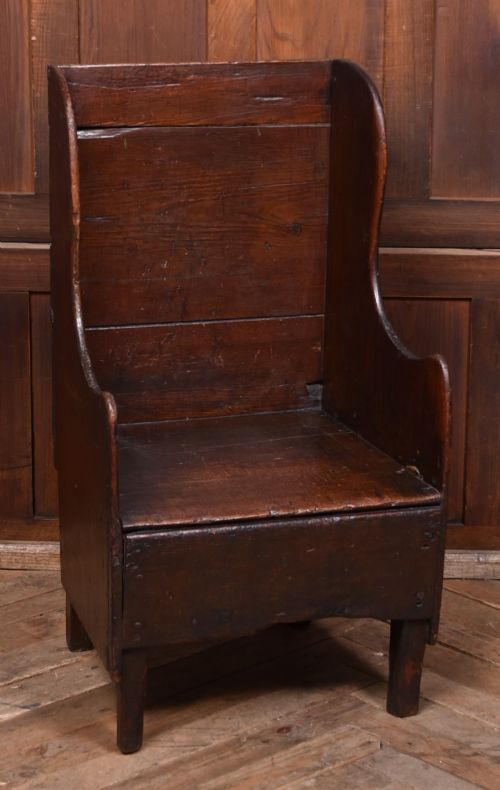
An antique child seat brings domestic history into a room through smaller scales of Windsor, lambing, and high chair forms.
Antique Child Seat
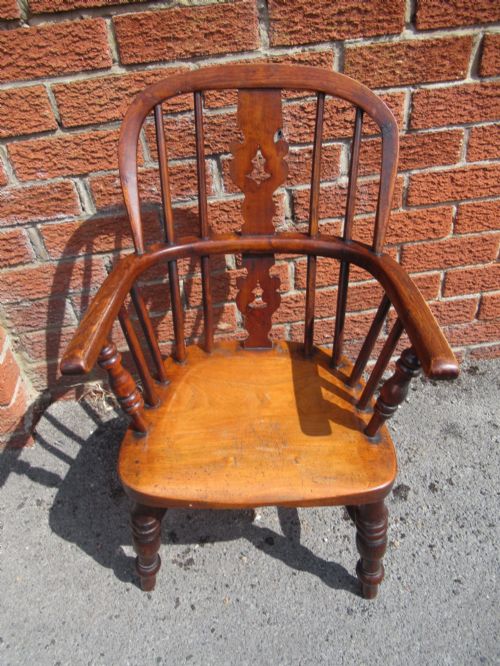
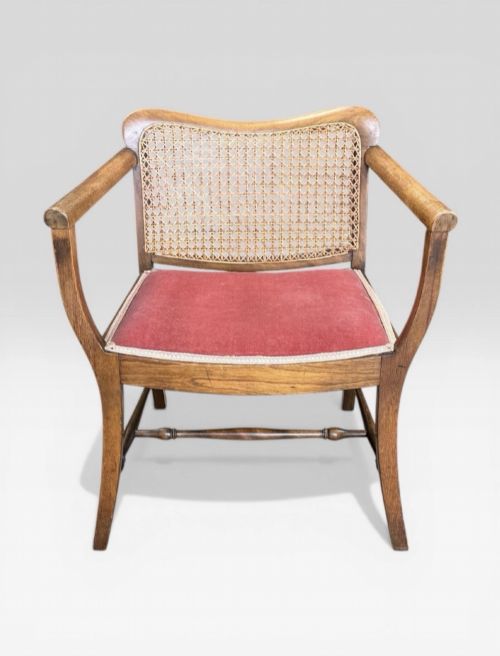
An antique child seat encompasses domestic seating built to smaller dimensions for children, ranging from high chairs and rocking chairs to low armchairs and Windsor forms. When searching this phrase, a buyer meets pieces originating predominantly from the eighteenth and nineteenth centuries, spanning Georgian, Victorian, and Regency periods alongside folk art and country vernacular styles.
The material selection reflects the domestic purpose, with sturdy timbers like elm, oak, ash, and mahogany utilised for daily durability. These items survive from English, Scandinavian, and French workshops, showing regional variations in spindle turning, comb backs, and ladderback construction.
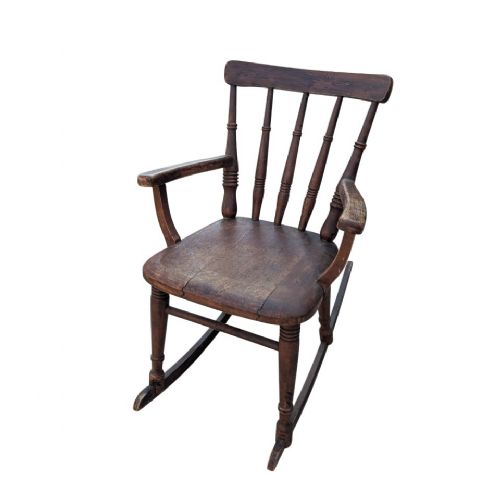
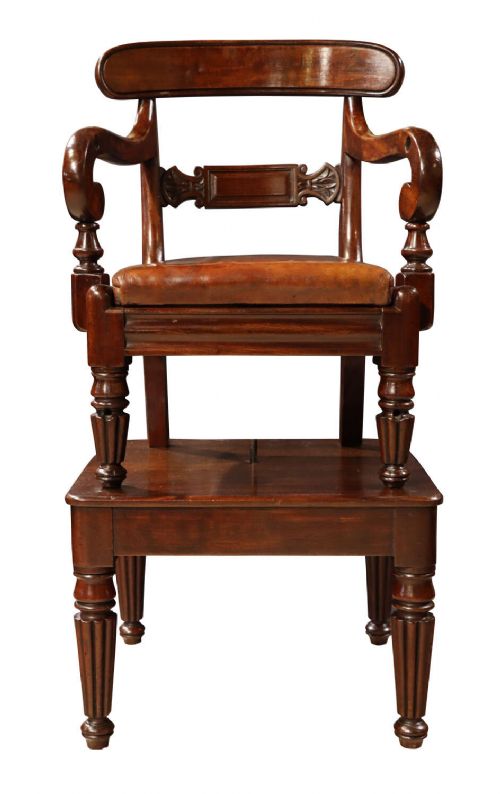
High chairs and metamorphic dining variants appear alongside static armchairs and rocking chairs, demonstrating how domestic seating adapted to accommodate younger family members across generations.
Materials and technique
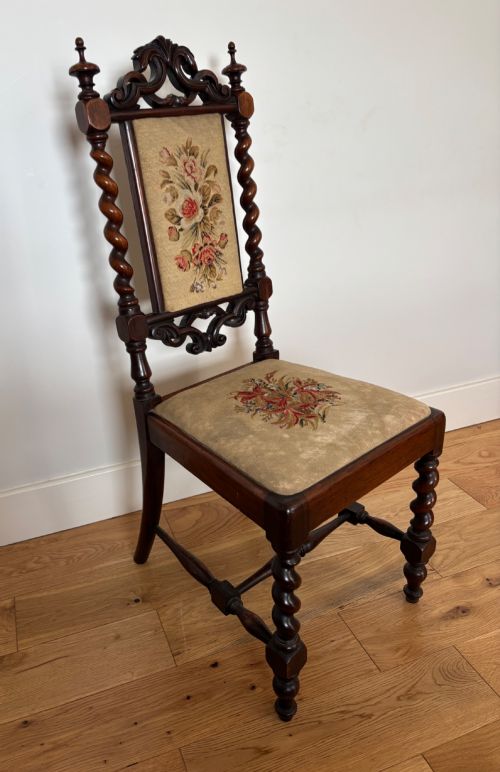
Maker construction relies on traditional timber framing, employing solid woods such as elm seats combined with ash or yew spindles in Windsor designs, and mahogany or walnut in more formal parlour pieces. Joinery typically incorporates pegged mortise and tenon joints, steam-bent components for curved arm rails and crestings, and turned legs.
Seating surfaces often utilise woven rush, cane, or solid timber boards shaped to fit the frame. Surface finishes vary from waxed fruitwood and polished walnut to painted or folk art decorated schemes seen in country pieces.
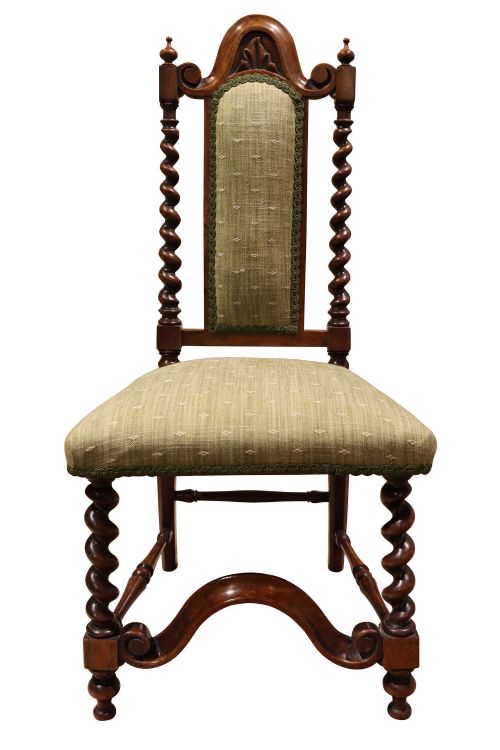
Even the smallest Victorian toddler required proper barley twist legs to dine in style.
Proportions and structural integrity
Quality rests in the balance of miniaturised proportions and the retention of original structural timber. Superior pieces maintain their integrity without excessive replacement of spindles, legs, or seat boards, while lesser examples suffer from inappropriate timber substitutions or weakened joints.
The refinement of the turning and the retention of original surface patination distinguish finer vernacular and formal workshop pieces from later utilitarian adaptations.
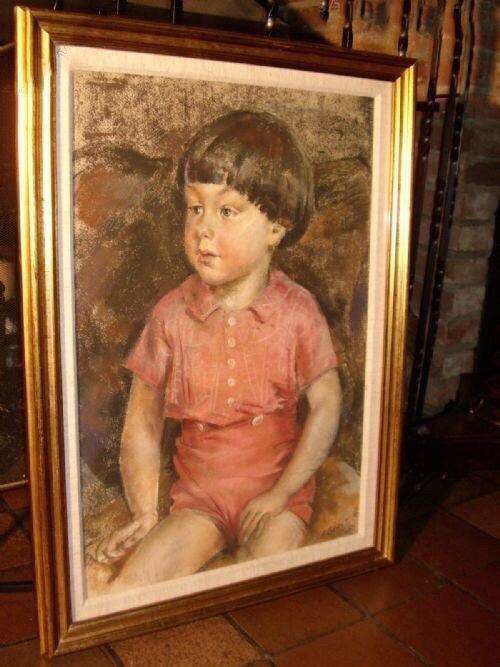
James Shoolbred·Berthe Savigny
The Antique Child Seat Glossary
- Windsor
- A chair built with a solid wooden seat into which the legs and back spindles are directly fitted. This construction method provides notable sturdiness for daily domestic use.
- Lambing chair
- A low-backed armchair traditionally designed with hooded wings to protect the sitter from draughts. Miniature versions provide enclosed seating for children.
- Bergere
- An upholstered armchair featuring woven cane panels on the back and sides. Formal nineteenth-century examples incorporate this technique into seating for children.
- Metamorphic
- Describing furniture designed to transform between multiple functions, such as a high chair that converts into a low chair and table combination. These pieces display ingenious mechanical adaptation.
- Ladderback
- A chair back constructed with horizontal slats between two upright posts. The style is frequently found in country vernacular seating paired with rush seats.
Antique Child Seat: Frequently Asked Questions
What woods were used for antique child seats?
Makers selected durable native hardwoods suited to domestic wear. Elm, oak, ash, and yew appear frequently in country vernacular and Windsor seating.
More formal pieces utilise mahogany and walnut, occasionally complemented by cane panels or rush seating surfaces.
How do I date an antique child chair?
Dating relies on observing construction methods, timber choice, and stylistic markers corresponding to recognised periods. Georgian and Regency pieces show characteristic turning and joinery distinct from later Victorian examples.
Secondary evidence such as tool marks and wear patterns help confirm the manufacturing era.
Were these seats made for everyday use?
Domestic seating from the eighteenth and nineteenth centuries was constructed for active household utility. High chairs and rocking chairs served practical daily functions for families.
Their survival demonstrates sturdy initial joinery despite the heavy wear typical of children's furniture.
What is a metamorphic high chair?
A metamorphic high chair is a convertible design that alters its configuration for different uses. Common examples transform from an elevated seating position into a low chair combined with a separate table.
This ingenuity allowed furniture to adapt as the child grew older.