

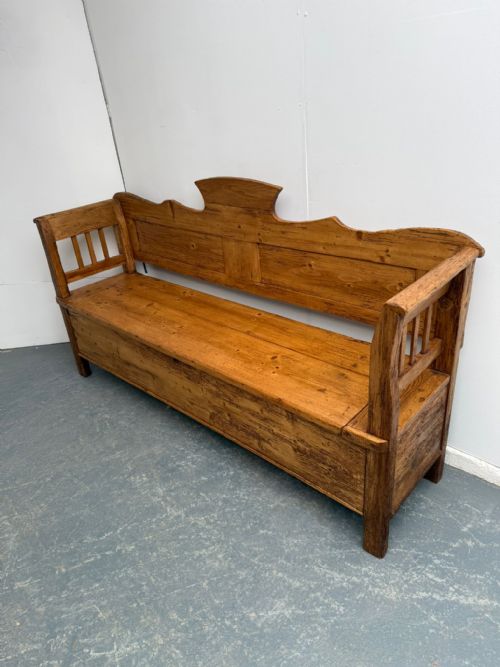


Primitive Folk Art Furniture
Primitive folk art furniture consists of honest, utilitarian seating and tables shaped by rural makers using local timber and paint.
Primitive Folk Art Furniture
Primitive folk art furniture comprises benches, settles, chairs, stools, and occasional tables made outside mainstream urban workshops. These utilitarian pieces originate from regional domestic traditions spanning the eighteenth, nineteenth, and early twentieth centuries.
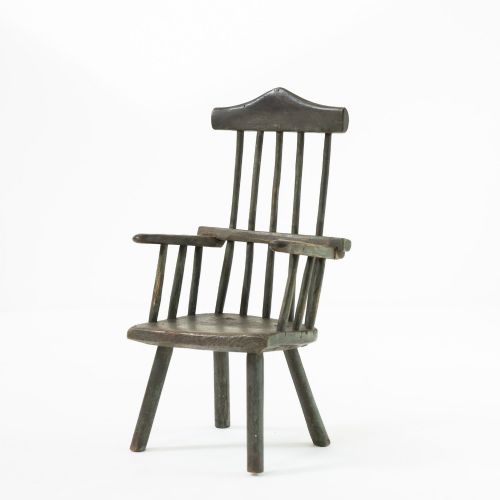
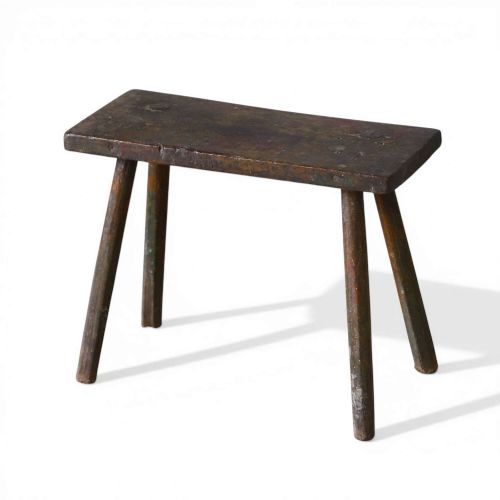
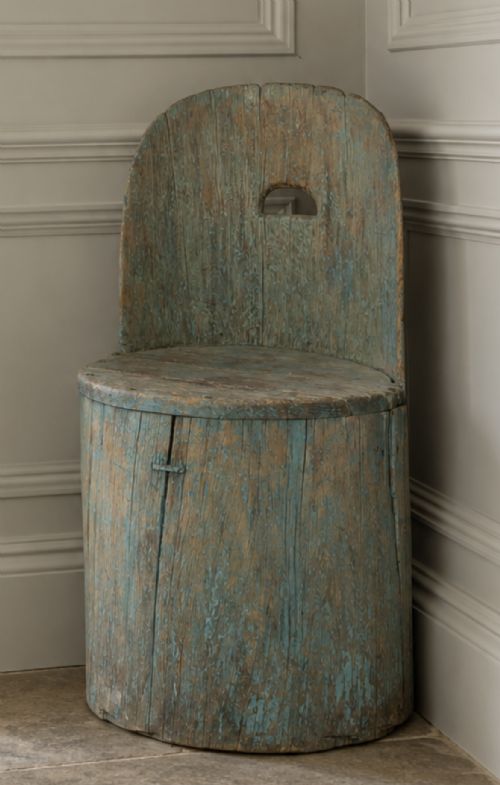
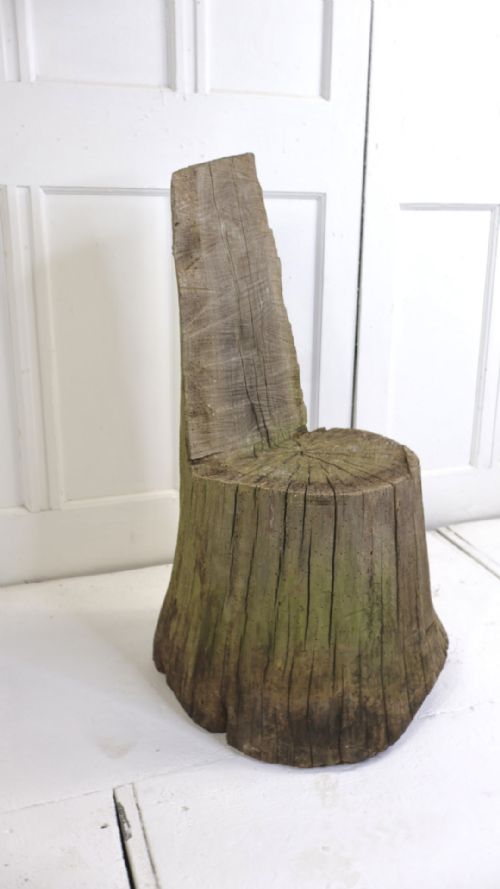
The most common forms on this page are seating items, ranging from humble milking stools and dug out chairs to comb back armchairs and high chairs. Makers fashioned these functional items for daily rural life rather than formal display.
Geographic influences are evident in Scandinavian country styles, Eastern European milking stools, and Catalan shepherd tables. Each piece reflects the specific wood available locally and the practical seating needs of the household.
Materials and construction
Makers utilised native softwoods and hardwoods such as pine, oak, elm, and general timber for sturdy construction. Dug out chairs are formed directly from solid tree sections, while stick back and comb back chairs employ turned spindles fitted into shaped seats.
Surfaces frequently retain original paint, green finishes, or wax treatments applied to protect the wood. Iron elements occasionally appear in structural fastenings or hinges on box settles, adding durability to domestic items.
Assessing quality
Quality rests in the sculptural integrity of the form and the survival of an untouched surface. Pieces with deeply sculpted seats or unusual proportions display a stronger aesthetic presence than plain utility demands.
The presence of original paint layers significantly enhances character compared to stripped or modernly refinished surfaces. Construction methods that remain honest to regional vernacular traditions elevate the piece above simple rustic carpentry.
The Primitive Folk Art Furniture Glossary
- Dug out chair
- A seating form hollowed directly from a solid log or tree section. This ancient technique produces heavy, organic forms with integrated seats and backs.
- Box settle
- A high backed wooden bench featuring a closed storage box beneath the seat. These items provided shelter from draughts in traditional rural rooms.
- Comb back armchair
- A wooden chair where the vertical spindles of the back extend up through a crest rail resembling the teeth of a comb. This construction offers robust support for seating.
- Scumble pine
- Pine treated with a translucent glaze dragged or textured over a pale ground to imitate grained hardwood. Rural makers employed this technique to elevate domestic furniture.
- Vernacular
- Architecture or furniture designed independently of professional academic styles, using local traditions and materials. These objects serve immediate functional requirements within a specific region.
Primitive Folk Art Furniture: Frequently Asked Questions
What is primitive folk art furniture?
Primitive folk art furniture comprises utilitarian household items made by rural craftspeople rather than urban cabinetmakers. These pieces focus on simple function and regional style.
Items typically include stools, benches, chairs, and tables fashioned from local woods and often finished with simple paint or wax.
How were these rustic chairs made?
Makers constructed these seats using basic hand tools and whatever timber was immediately available locally. Solid logs were hollowed into dug out chairs, while spindles were fitted into bored seats for stick back designs.
Construction prioritized sturdiness and utility for daily rural life over formal decorative rules.
How do I live with primitive furniture?
These pieces integrate easily into modern interiors by introducing warmth, texture, and historical character. Their simple forms complement neutral spaces and act as sculptural focal points.
Protect original painted or waxed surfaces from excessive moisture and direct heat to preserve their historical integrity.
How can I tell the period?
Dating relies on observing construction marks, timber types, and wear patterns consistent with eighteenth, nineteenth, or early twentieth-century rural craft. Regional design traits also help place pieces within specific eras.
Surface treatments such as early green paint or scumble finishes often provide clues to the age of the item.