




Folk Art High Chair
These folk art high chair examples bring genuine rustic charm into a room, combining honest vernacular construction with generations of history.
Folk Art High Chair
The selection on this page centres on domestic seating forms, including high chairs, doll furniture, and child armchairs. These survive from the eighteenth, nineteenth, and early twentieth centuries, showing the enduring appeal of country craftsmanship.
Scandinavian and European country styles appear alongside English and Scottish vernacular pieces. Each object carries the distinct visual language of its local maker, utilising traditional forms passed down through regional woodworking traditions.
How they were made
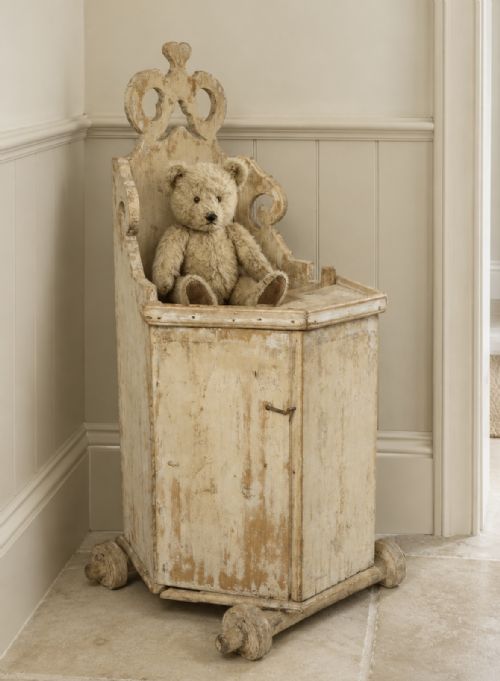
Maker-joiners utilised local timbers such as oak, elm, pine, and beech, selecting woods based on immediate availability and structural strength. Painted pine and softwood surfaces often received decorative finishes, including traditional motifs executed in the manner of Hindeloopen work.
Construction methods rely on traditional joinery appropriate for domestic furniture subjected to heavy daily use. Iron fixings appear alongside pegged joints, while straw seating elements and carved details demonstrate diverse regional skill sets.
Folk Art High Chair Retail Price Guide 2026
Typical asking prices for folk art high chair among the pieces listed under this phrase on Sellingantiques today, from the lower quarter to the upper quarter. They describe what is for sale here now, not the wider market.
Listings feature pieces spanning the eighteenth century to the early twentieth century, constructed from oak, elm, pine, and painted wood.
What varies in quality
The distinction between standard domestic items and superior examples lies in the integrity of the original surfaces and the complexity of the decoration. Pieces retaining untouched historic painted finishes command greater interest than those stripped or overly restored.
Structural honesty and the preservation of original materials define the better specimens in this field. Distinctive regional carving, unusual chair profiles, and documented stylistic origins elevate individual pieces above plain utilitarian forms.
The Folk Art High Chair Glossary
- Vernacular
- Everyday furniture made by local craftsmen for regional use, uninfluenced by fashionable urban styles. These pieces prioritise practical function and local material availability.
- Hindeloopen style
- A Dutch decorative painting tradition characterised by colourful floral motifs and detailed folk patterns. Pieces in this style often feature bright pigments on a dark or painted ground.
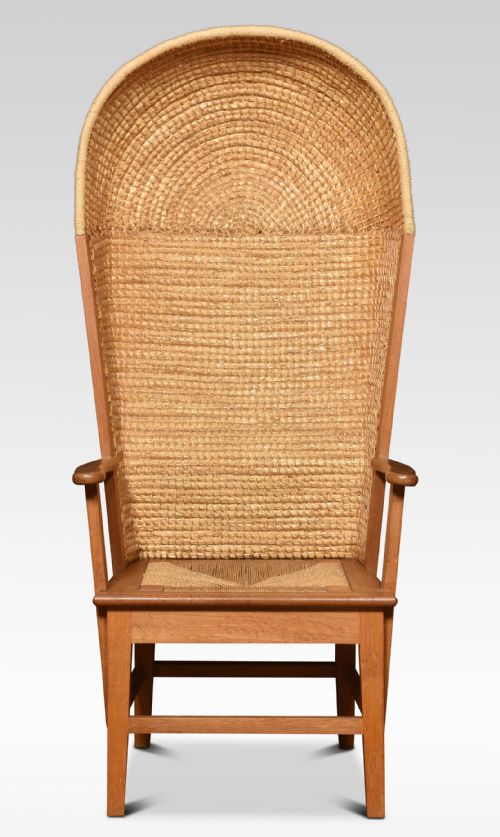
- Orkney chair
- A traditional Scottish seating form featuring a low wooden frame with a high, woven straw back. This design historically protected occupants from cold Atlantic drafts.
- Painted wood
- Timber surfaces coated with historic pigments or decorative layers to enhance appearance. Genuine early paint layers provide crucial evidence of a piece's age and origin.
- Softwood
- Timber derived from conifer trees, commonly utilised in country furniture alongside harder native woods. It offers a lighter weight and easier working properties for regional joiners.
Folk Art High Chair: Frequently Asked Questions
What is a folk art high chair?
A folk art high chair is a hand-made child's seat created within a specific regional or rural tradition. These objects combine practical domestic utility with local decorative arts.
Craftsmen built them using available timbers, often applying traditional paint finishes or carved details unique to their geographic origin.
How old are these high chairs?
The examples listed on this page primarily date from the eighteenth century through to the early twentieth century. This span covers various periods including the Victorian era and earlier continental folk traditions.
Exact dating relies on construction techniques, materials, and stylistic markers characteristic of specific decades.
Where were these chairs made?
These pieces originate from across Europe and the British Isles, encompassing Scandinavian country workshops, Dutch regions, and Scottish or English rural communities.
Each region developed distinct forms and decorative practices that separate local pieces from standardised factory production.
How do I live with antique child seating?
Living with these pieces involves placing them in domestic spaces as sculptural decorative objects rather than active use furniture. Their historic materials and modest proportions suit display on side tables or as corner accents.
Stable environmental conditions help preserve old painted surfaces and organic elements like straw.
What materials did makers use?
Maker-joiners utilised a variety of woods including oak, elm, pine, beech, and softwood, depending on local timber supplies. Iron components and woven straw also appear in specific regional designs.
Many surfaces feature historic paint applications rather than clear polished wood.