
Rustic Country High Chair
A rustic country high chair brings tactile domestic history into a room through honest vernacular carpentry.
Rustic Country High Chair
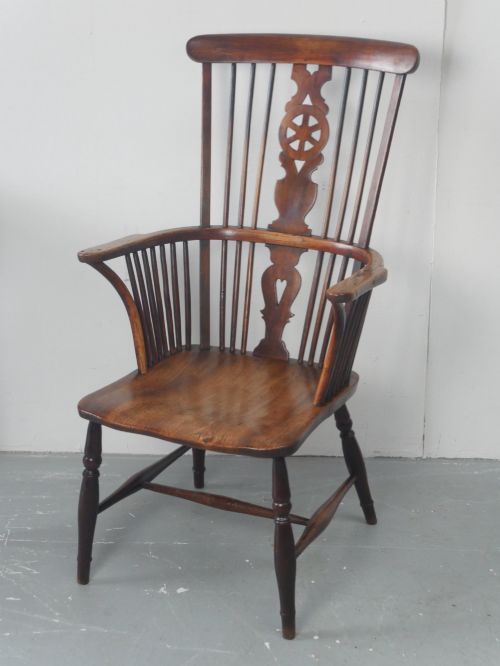
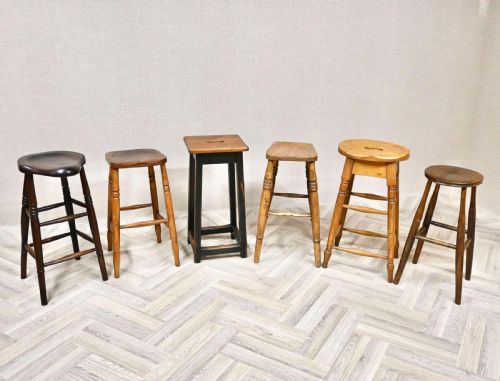
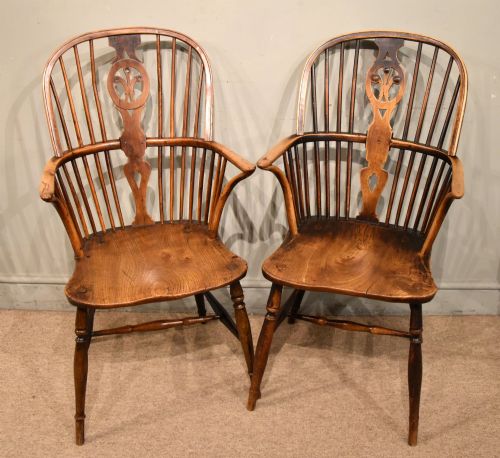
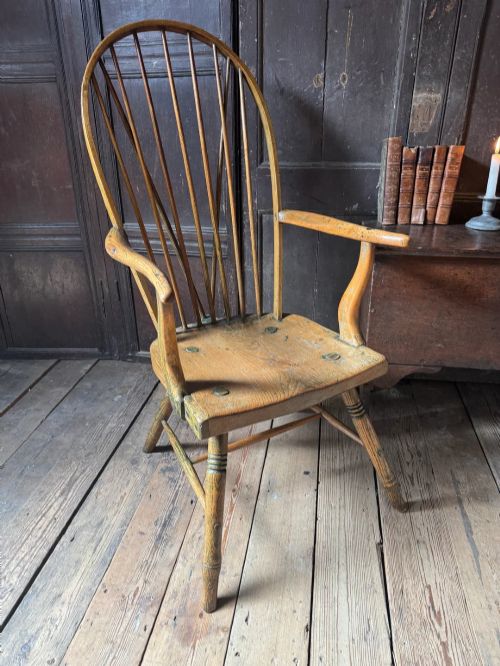
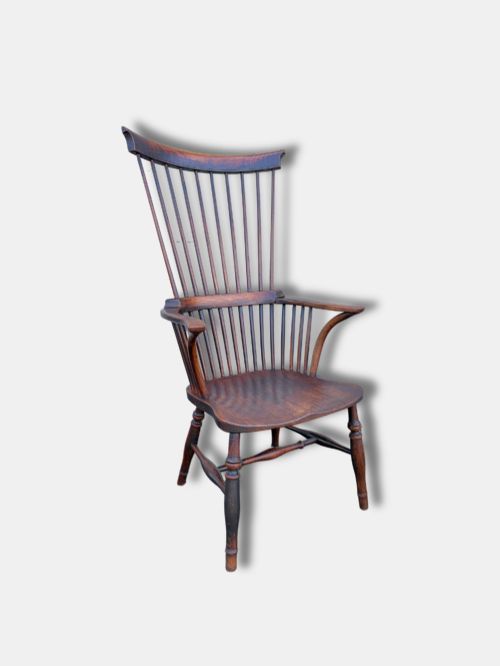
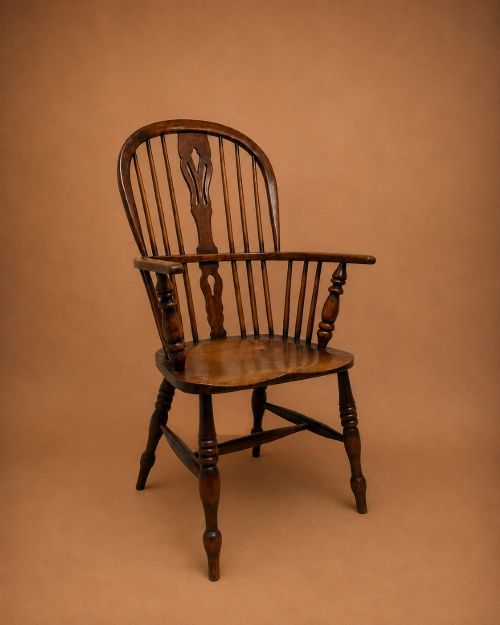
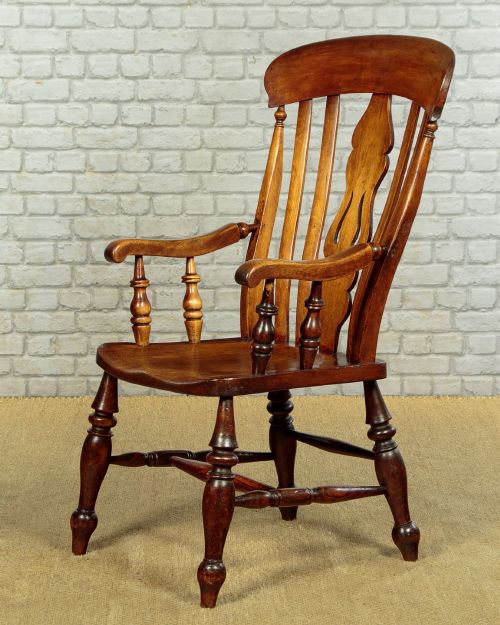
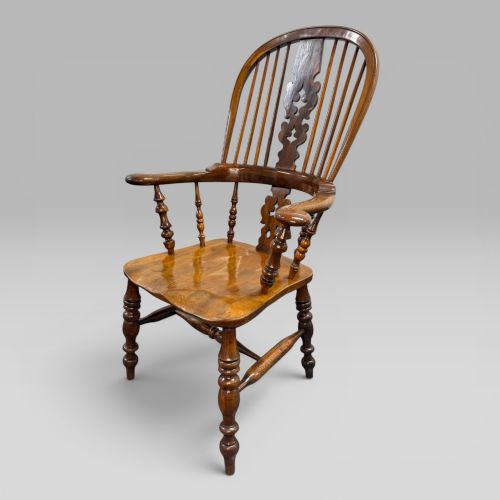
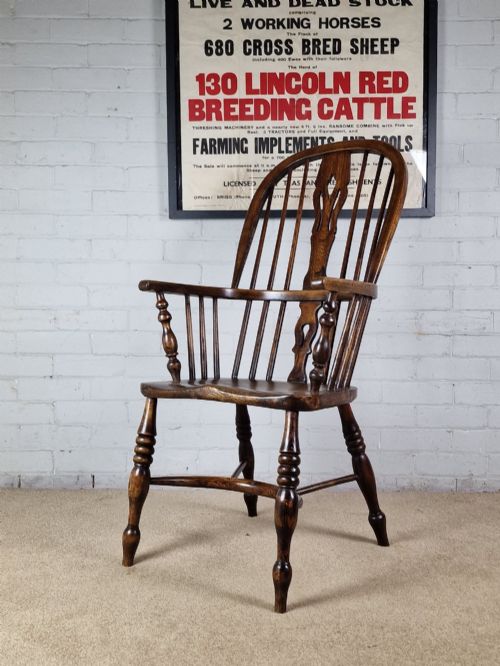
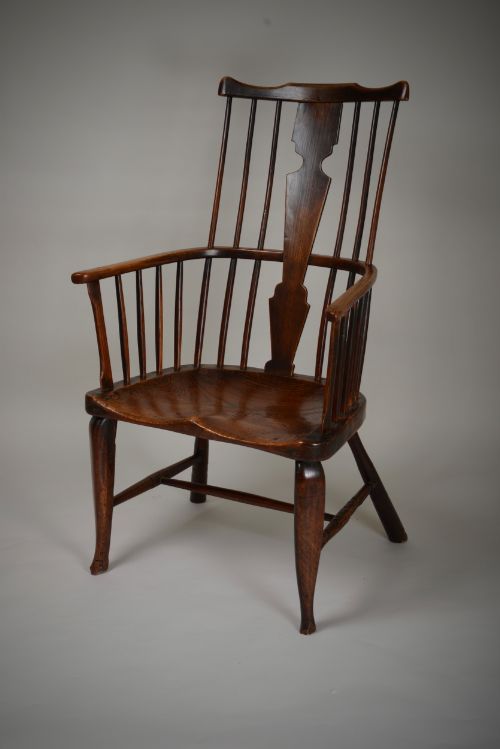
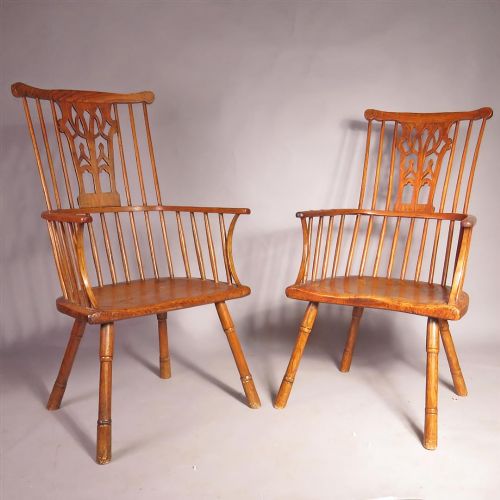
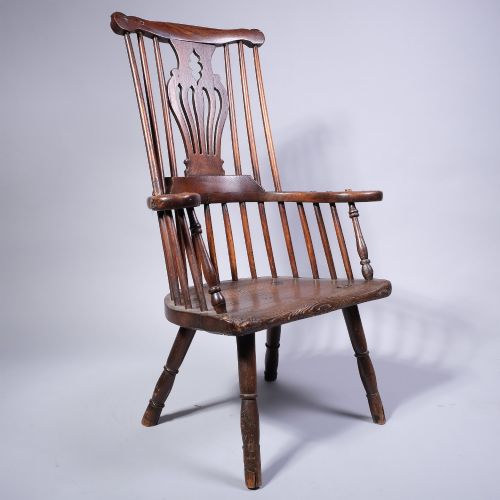
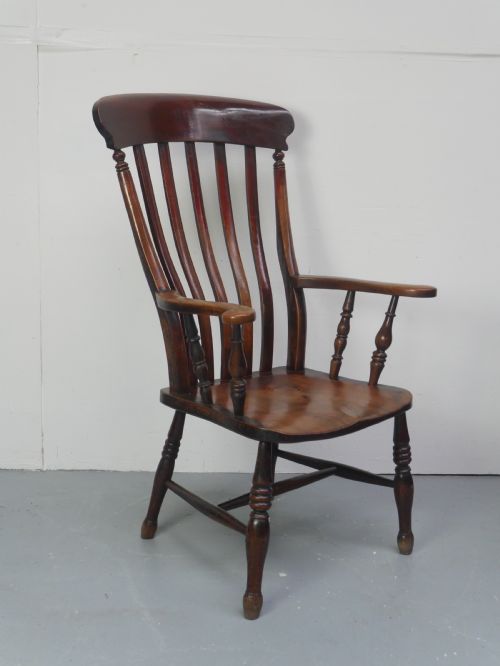
A rustic country high chair is a piece of vernacular domestic seating designed to elevate a child or adult for household use, drawing on regional traditions. When exploring this phrase, buyers encounter various forms including children's elevated seating, high back Windsor chairs, and kitchen armchairs spanning multiple centuries.
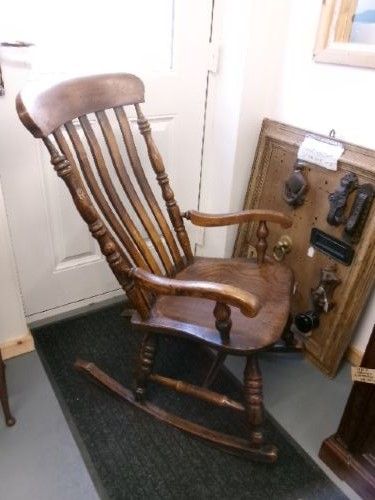
Most entries combine sturdy seating frames with raised structures, often featuring high spindle backs, comb backs, or ladderbacks. The emphasis remains firmly on utility and robust construction, designed to withstand daily family life in farmhouses and country cottages.
Materials and construction methods
Maker traditions relied on combining timbers according to their natural strengths, frequently pairing elm seats with ash spindles and bending limbs. This mixed-wood construction provided both rigidity for the seat and flexibility for the steam-bent components.
Joinery methods depended on wedged through-tenons and socketed legs rather than metal fasteners, allowing the timber to expand and contract naturally. Surfaces were often left unpainted or simply finished to highlight the deep grain of yew, pine, and beech.
Some chairs carry generations of nursery polish and small boot marks, recording the lively presence of past children who sat in them.
Judging the standard of execution
Quality rests in the harmony of the proportions and the cleverness of the timber selection, particularly where contrasting woods give character to the arms and seat. A well-balanced piece shows confident turning on the legs and spindles without stiffness.
The integrity of the original joints and the depth of the patination accumulated through decades of use separate ordinary examples from exceptional ones. Minimal intervention by restorers preserves the authentic surface life of the wood.
Benjamin Gilling·Windsor Worksop
The Rustic Country High Chair Glossary
- Comb back
- A Windsor chair variation where the vertical spindles extend upward to support a horizontal top rail resembling a comb. This design offers distinct back support.
- Vernacular
- Everyday objects made by local craftsmen for regional use rather than high-style pieces following metropolitan fashions. These items prioritise function and local materials.
- Windsor chair
- A timber chair constructed with a solid wooden seat into which the legs and back spindles are separately socketed. They typically utilise bentwood bows.
- Settle
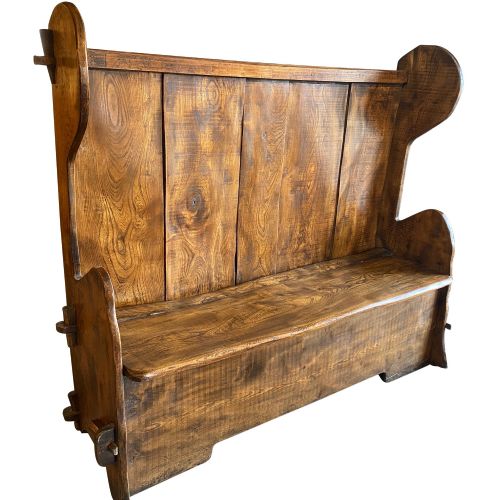
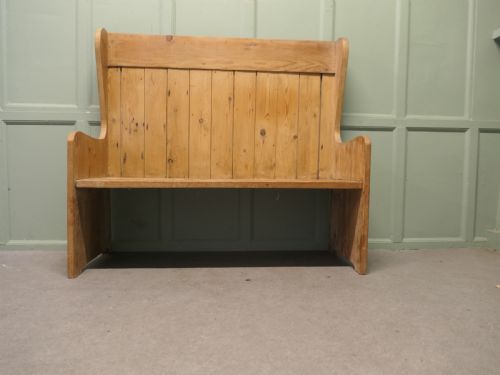
- A wooden bench featuring a high solid back designed to block draughts in farmhouse kitchens and a box base for storage. They served as central fireside seating.
- Pad arm
- A rounded or thickened termination to a wooden chair arm, often shaped for comfortable resting. This feature appears frequently on regional armchairs.
Rustic Country High Chair: Frequently Asked Questions
What is a rustic country high chair?
A rustic country high chair is a traditional elevated seat constructed by regional woodworkers for domestic use. These pieces utilise local timbers like elm and ash to create sturdy furniture for everyday households.
They reflect the practical needs of past centuries, combining functional height with traditional spindle-back or ladder-back construction.
How do I date these wooden chairs?
Dating relies on examining tool marks, timber combinations, and structural wear patterns visible across the frame. Eighteenth-century examples often display different turning profiles compared to nineteenth-century vernacular pieces.
Changes in styling details, such as comb backs or solid elm seats, help place a piece within the Georgian or Victorian eras.
Where were these chairs made?
These items originated in regional workshops across Britain and Scandinavia, serving rural farmhouses and country cottages. Local cabinet makers and bodgers utilised nearby woodlands for their raw materials.
Specific regional characteristics often point towards counties like Lincolnshire or Yorkshire, or broader traditions like West Country vernacular woodwork.
How should I care for antique timber?
Keep wooden seating away from direct heat sources and sudden temperature fluctuations to prevent the natural timber from splitting. Regular gentle dusting preserves the historic surface without stripping the accumulated finish.
Applying a traditional beeswax polish occasionally helps nourish dry elm, ash, or yew wood while maintaining its natural patination.