
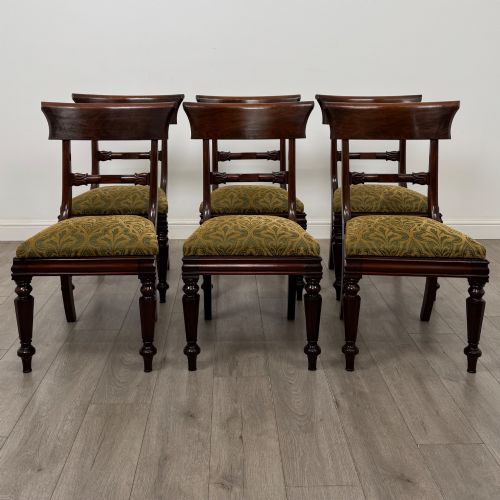
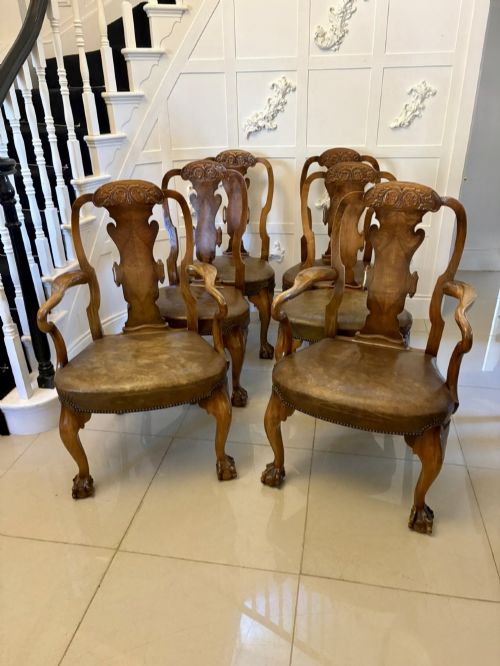
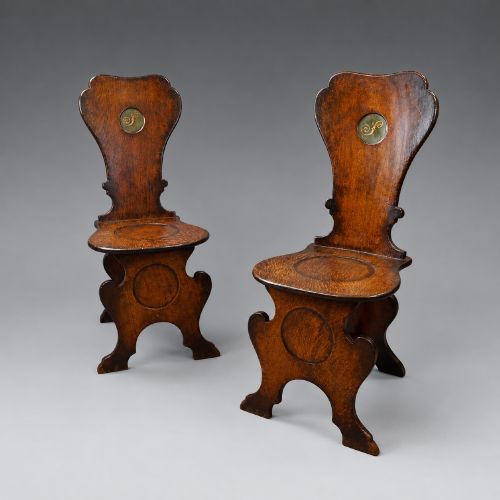
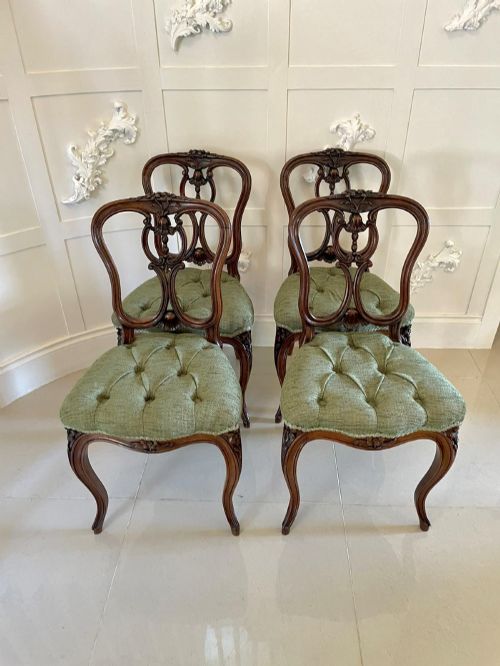


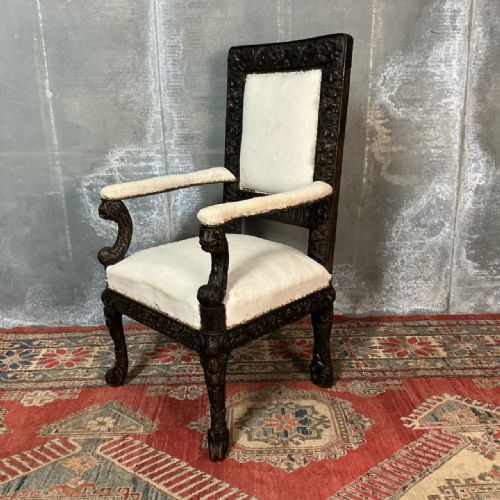
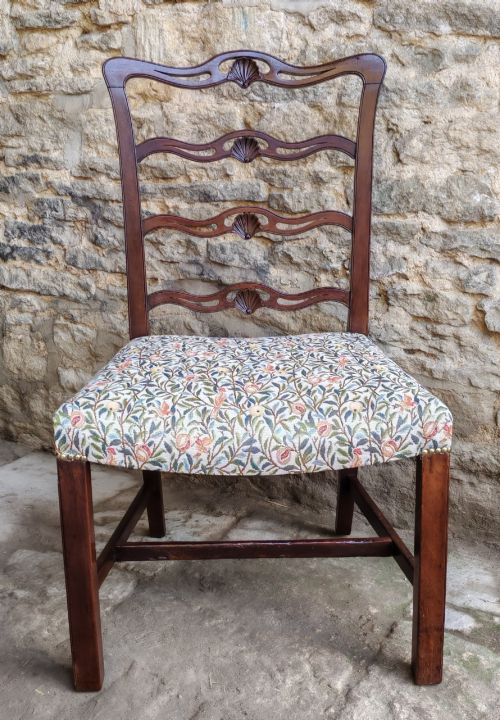
Victorian Carved Side Chair
These Victorian carved side chair examples bring rich timber and bold nineteenth-century ornament directly into your rooms.
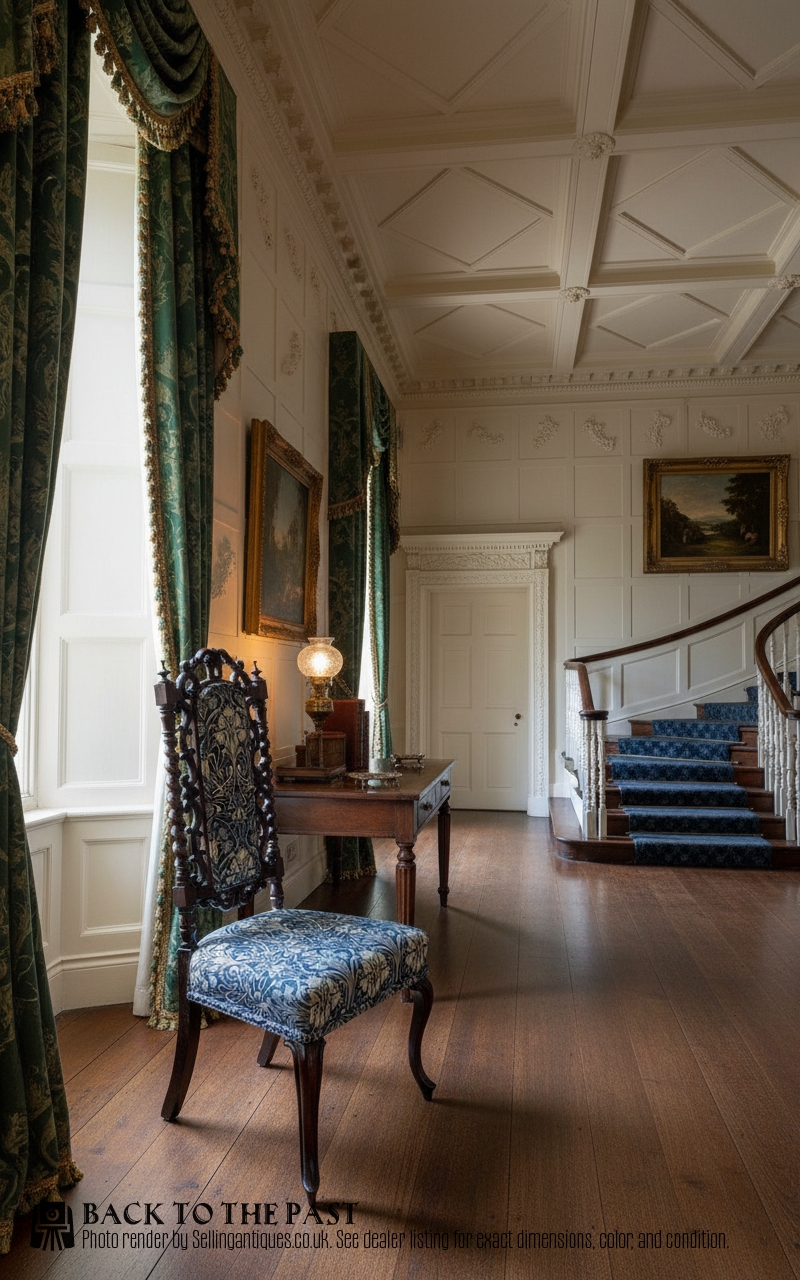
What victorian carved side chair pieces are
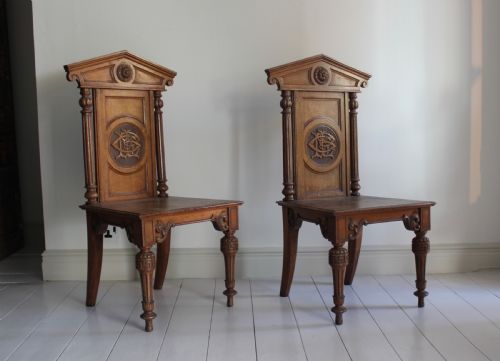
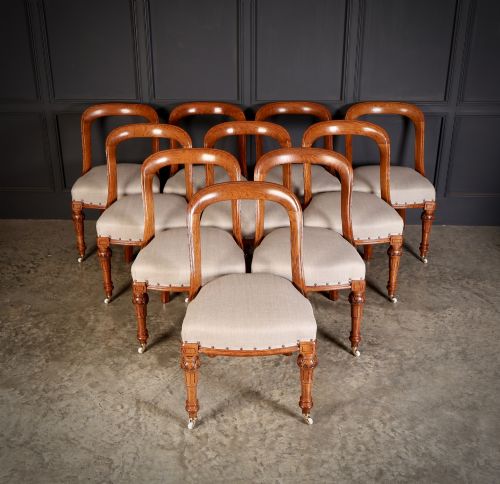
A victorian carved side chair brings upright seating into halls, parlours and bedrooms with distinctive nineteenth-century styling. You encounter pieces spanning from the mid-nineteenth century through to the eighteen-eighties, taking the form of hall chairs, occasional seats and high-backed forms.
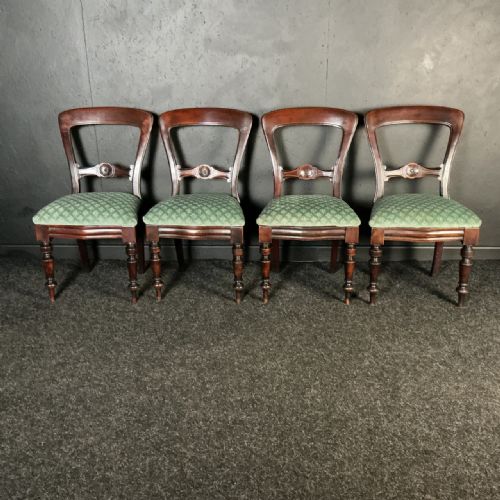
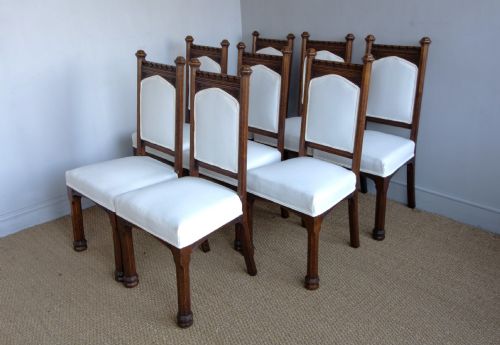
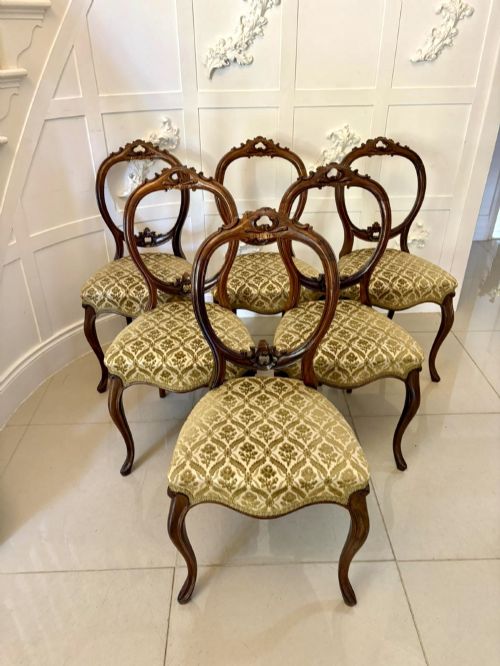
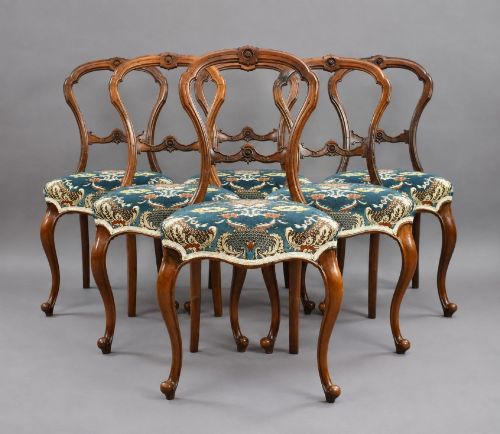
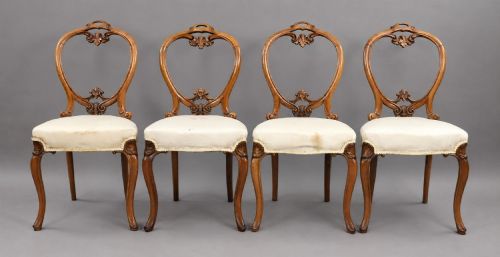
The materials recorded in these listings show a strong preference for dense timbers like mahogany, walnut, rosewood and oak. Artisans shaped these woods into balloon backs, shield backs, and Gothic revival frames alongside simpler occasional chairs.
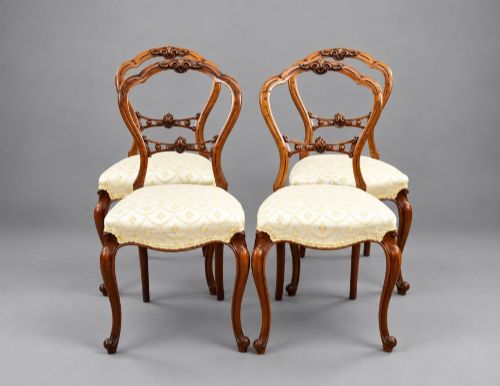
Many survivors appear singly or in pairs, while occasional sets of four emerge from the archive. You also find specialised variations including cane seats, upholstered pads, and wool tapestry coverings.
What varies in quality
The distinction between standard utility seating and exceptional pieces lies in the depth and ambition of the timber carving. Elaborate walnut and rosewood frames with crisp relief work sit far above plain mahogany or oak examples.
Timber selection and matching grain patterns across pairs or sets elevate a piece significantly. Superior construction involves robust joinery that keeps upright frames rigid through generations of use.
Retail Price Guide 2026
Typical UK retail prices for victorian carved side chair, calculated from the Sellingantiques database of over a million retail prices indexed since 2003. This retail price guide relies exclusively on Sellingantiques data; no external sources or auction records are used, so the figures do not describe the wider market.
Several walnut frames proudly feature fierce Green Man carvings, watching over nineteenth-century hallways with leafy medieval expressions.
The Victorian Carved Side Chair Glossary
- Hall chair
- An upright wooden seat designed for an entrance hall, typically featuring a solid carved back and no upholstery. These pieces were built for durability and display near front doors rather than long lounging.
- Side chair
- A small, armless chair intended for general room use or pulled up to a desk or wall. They appear frequently in matched pairs across nineteenth-century interiors.
- Balloon back
- A rounded, continuous backrest curve shaped like a balloon, popular in mid-nineteenth-century seating. This profile allowed cabinetmakers to showcase figured mahogany and walnut grain.
- Gothic revival
- A nineteenth-century style drawing on medieval architectural motifs including pointed arches and heavy tracery. Pieces in this idiom feature robust oak construction and deep geometric carving.
- Caning
- Woven rattan or split cane panels used to form lightweight seat or back inserts. This technique offered flexible support while adding textural contrast to dark timber frames.
Frequently Asked Questions
Where did people put these chairs?
Homeowners placed these upright seats in entrance halls, formal parlours, and bedrooms where guests gathered briefly. They served as functional furniture that doubled as decorative statements against walls.
In grander settings, pairs flanked doorways or fireplaces, while single hall chairs waited in corridors for visitors removing coats.
How do I spot walnut from mahogany?
Mahogany generally displays a reddish-brown tone with straight, fine grain patterns that take a high polish. Walnut tends to show a darker, richer brown colour with complex, swirling grain lines.
Carvers found walnut slightly softer for deep relief work, whereas mahogany offered immense strength for slender structural members.
Are these seats comfortable for daily use?
Most of these pieces were built with upright wooden backs and firm seats intended for posture rather than lounging. Upholstered versions with wool tapestry or button-backed padding provide softer support.
They work best as occasional seating or accent pieces rather than primary chairs for long hours of reading.
How do I care for nineteenth-century timber?
Keep wooden frames away from direct heat sources and rapid humidity shifts to prevent timber splitting. Regular dusting with a dry, soft cloth preserves the historic polish without building up heavy wax layers.
Protect cane panels and fabric upholstery by avoiding excessive moisture during routine cleaning.