


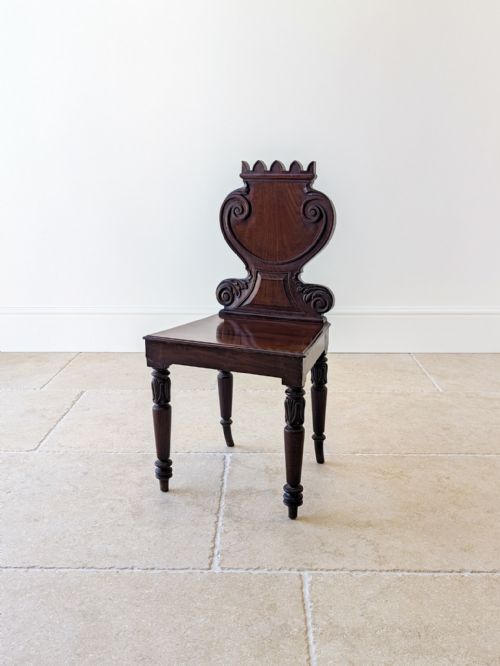
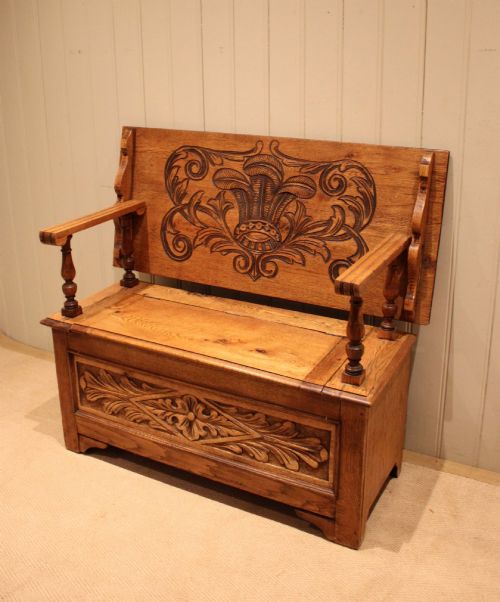
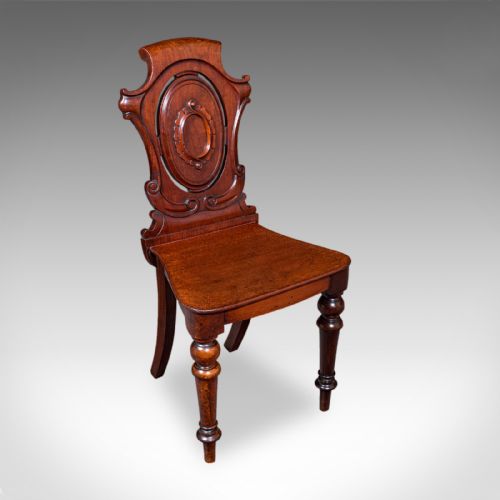
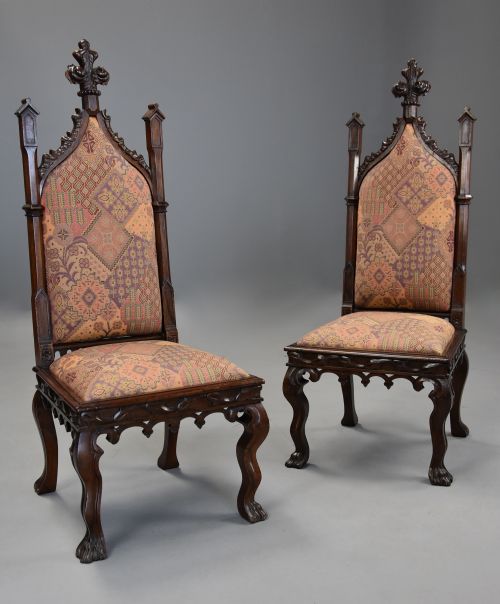
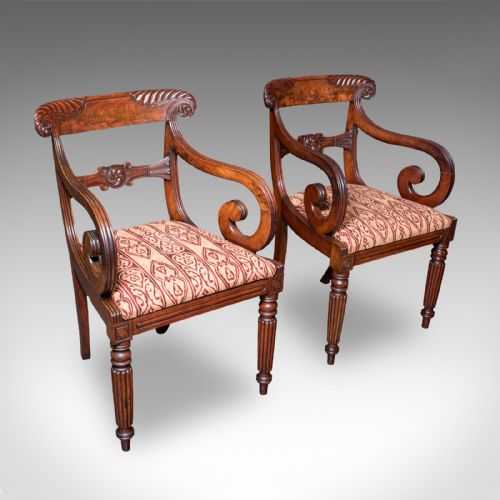
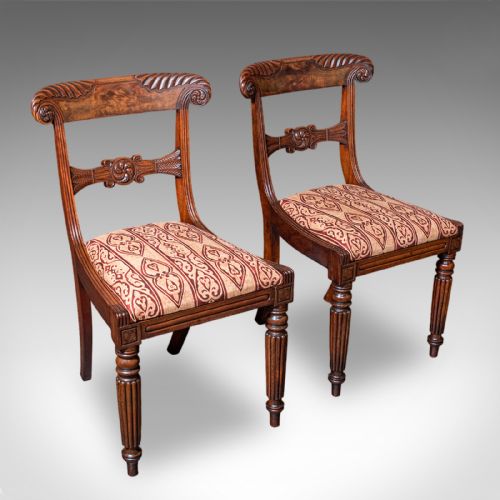
Carved Hall Chair
Carved hall chairs are sturdy, decorative seats meant for entryways, offering robust woodwork and striking historical silhouettes.
Understanding carved hall chairs
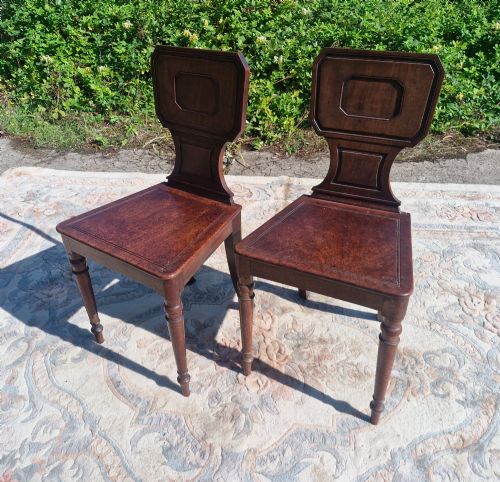
A carved hall chair is a rigid wooden seat designed primarily for grand entryways, hallways, and lobbies rather than long periods of sitting. These pieces frequently appear from the Victorian era, alongside examples stretching from the eighteenth century through to nineteen ten.
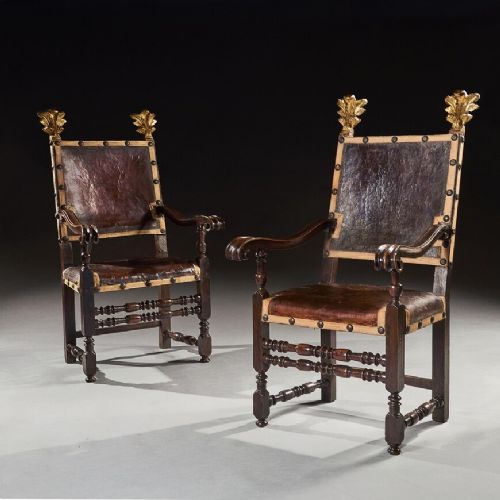
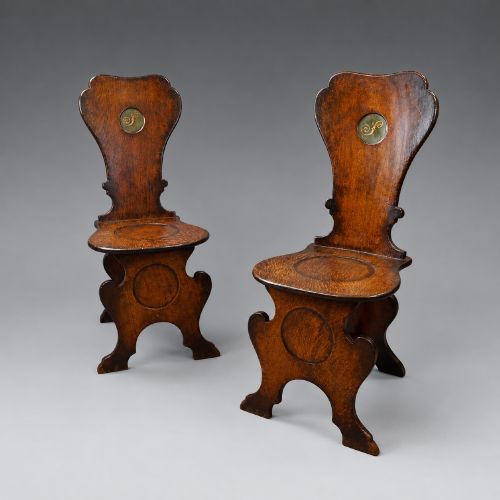
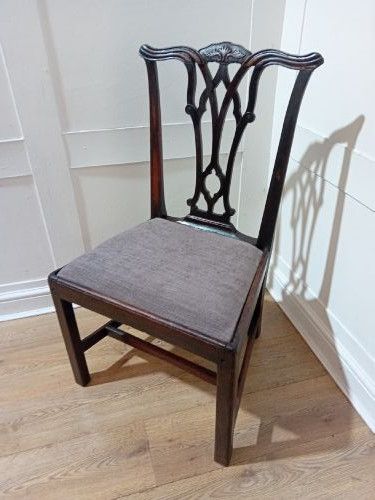
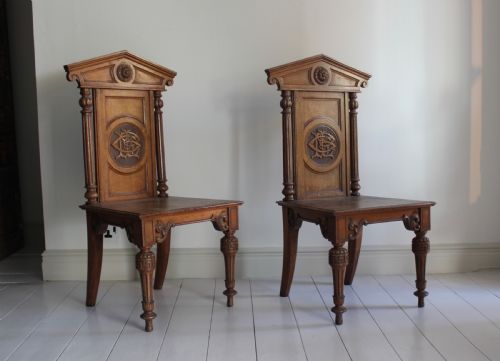
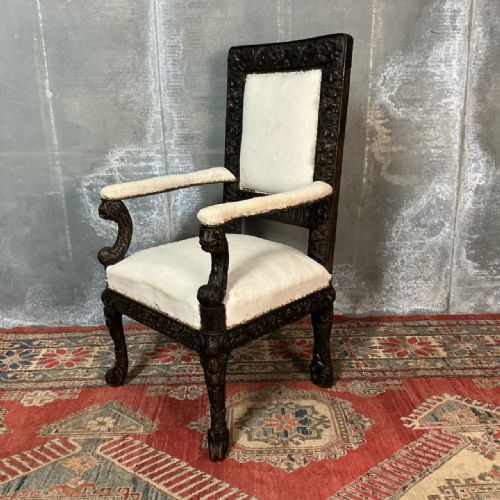
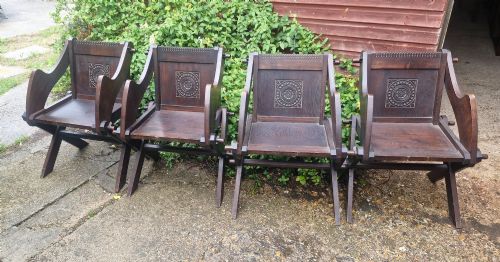
The selections available range from solid oak side chairs and armchairs to Italian walnut sgabello forms, alongside barrel back library chairs. Buyers meet many oak and mahogany iterations bearing revivalist decoration, from Gothic and Carolean styles to Renaissance Revival.
Makers and designers such as Liberty and Co sometimes lent their distinct aesthetic to these entrance seats. Pieces often survive in pairs or larger sets, though individual chairs regularly appear.
Materials and construction methods
Cabinetmakers relied heavily on dense hardwoods, principally oak, mahogany, walnut, and occasional elm or hardwood. These timbers provided the structural strength needed to support deep sculptural relief without compromising the integrity of the frame.
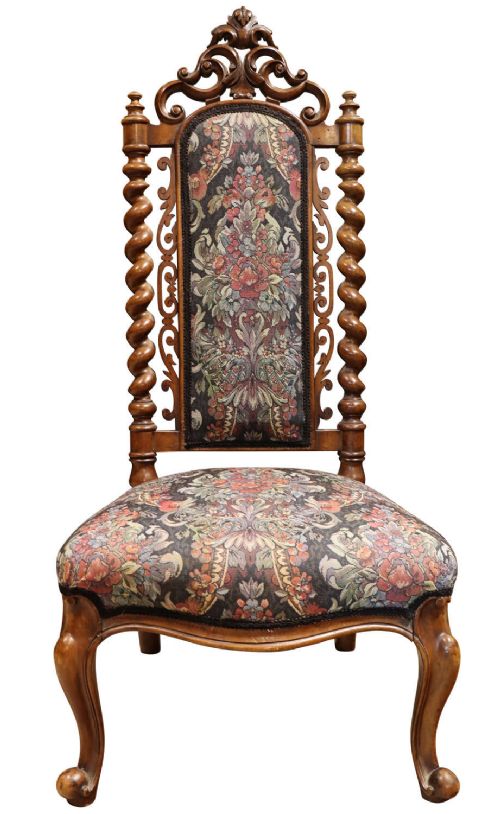
Joinery involved traditional techniques suited to heavy daily use in busy passageways, paired with extensive chisel work. Selected examples incorporated secondary materials like leather, brass, textile, and tapestry upholstery to cushion the seat or back.
Retail Price Guide 2026
Typical UK retail prices for carved hall chair, calculated from the Sellingantiques database of over a million retail prices indexed since 2003. This retail price guide relies exclusively on Sellingantiques data; no external sources or auction records are used, so the figures do not describe the wider market.
Listings feature oak, mahogany, and walnut across Victorian, Edwardian, and earlier periods.
Assessing craftsmanship and design
The depth, crispness, and ambition of the timber carving dictate the visual standard of the piece. Finer examples display intricate figural motifs, heraldic shields, and deeply undercut foliage rather than shallow, mechanical stamping.
Timber selection also marks the hierarchy of these seats, with well-figured mahogany, rich walnut, and dense quarter-sawn oak commanding attention. The cohesion of the revival style, whether Gothic, Renaissance, or Arts and Crafts, determines the aesthetic success of the design.
Liberty and Co
The Carved Hall Chair Glossary
- Sgabello
- An Italian Renaissance wooden chair featuring a panel-like back and trestle supports instead of traditional legs. This form often displays rich carving and was designed for hallways.
- Gothic Revival
- An architectural and decorative movement that reinterprets medieval forms. Pieces in this style use pointed arches, tracery, and heavy mouldings.
- Quarter-sawn oak
- Timber cut radially through the growth rings, producing distinctive medullary ray flecks. Cabinetmakers utilised this cut for its stability and decorative grain.
- Barrel back
- A seating form featuring a semicircular solid back that wraps around the user. This design provides protection from draughts in large rooms.
Frequently Asked Questions
What is a carved hall chair used for?
These seats were originally placed in entrance halls and vestibules where guests waited before being received into the main rooms of a house. They functioned as both functional furniture and statements of the owner's taste and status.
Because they were intended for brief seating rather than lounging, their designs prioritise upright posture and decorative presence over upholstered comfort.
How do I identify Victorian examples?
Victorian iterations often combine historical revival styles like Gothic or Renaissance Revival with heavy, dark timber frames. Look for deep relief carving on the backrest and solid wooden seats.
Many of these chairs date from the nineteenth century, showing the Victorians' fondness for historical pastiche and robust entrance furniture.
Do hall chairs usually come in pairs?
Many historical hall chairs were manufactured as matched pairs or larger sets to flank a doorway or hallway console table. Single chairs also appear frequently on the market.
Pairs often command stronger interest from collectors who wish to preserve a symmetrical arrangement for an entryway.