
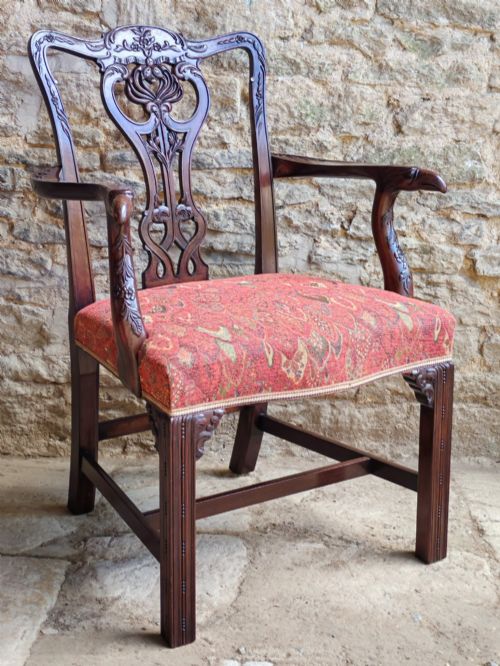


Antique Arm Chair
When you choose an antique arm chair, you select a seat shaped by centuries of changing domestic comfort.
Materials and Construction
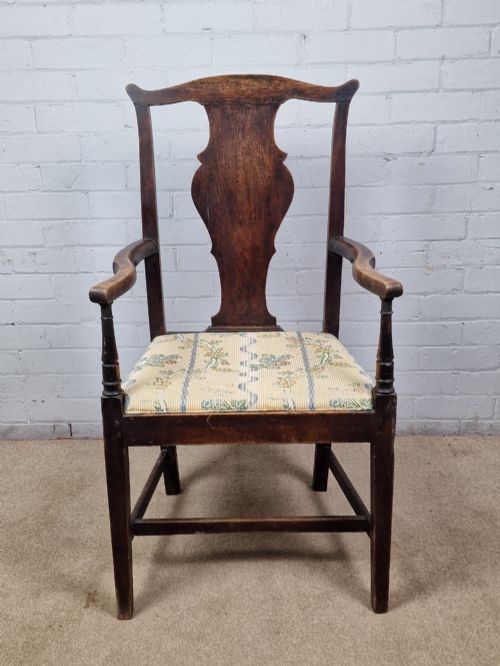
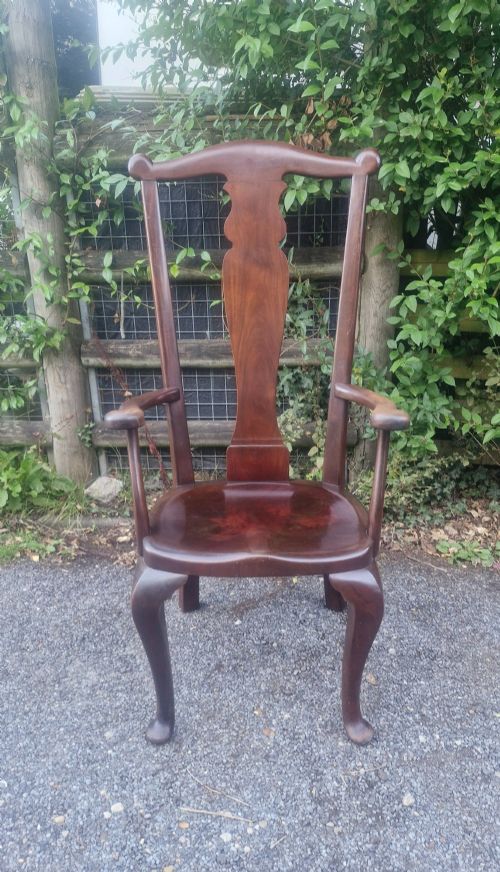
Cabinetmakers utilised hardwoods such as mahogany, walnut, oak, and beech for structural frames, frequently employing carved or turned details. Country variations rely on local timbers like ash and elm, shaped into spindle backs or ladderbacks.
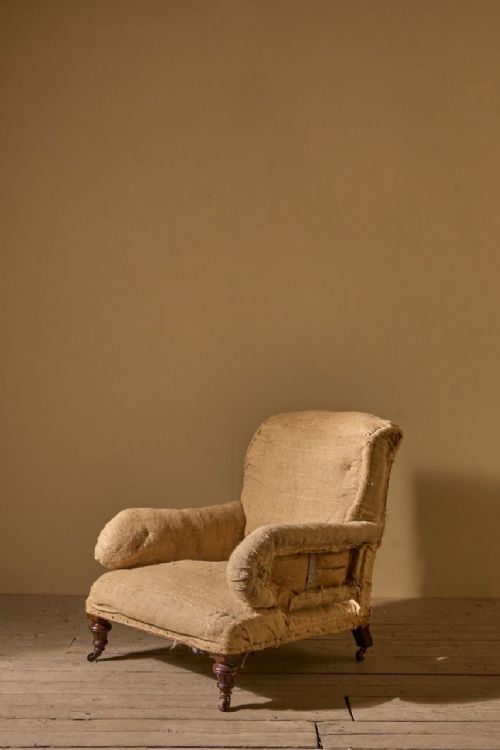
Upholstery techniques combined horsehair stuffing with springs in later periods, secured beneath leather, velvet, or woven textiles. Brass fittings, cane panels, and marquetry inlay provide additional structural and decorative finish.
Distinctions in Standard
Quality rests upon the integrity of the timber frame and the precision of joinery, distinguishing sturdy antique arm chairs from weakened examples. Hand-carved details and original surface patination elevate the standing of formal library and parlour seating.
The survival of original upholstery materials, leather panels, or painted finishes contributes significantly to historical value. Proportion and balance in the arms and back reflect the skill of the original workshop.
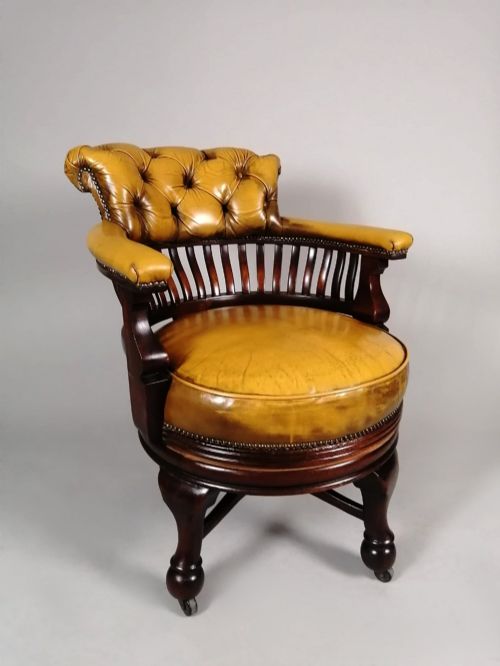
Some nineteenth-century desk chairs feature hidden swivel mechanisms designed to let clerks spin rapidly between ledgers.
Howard and Sons·Jacob and Josef Kohn·Gillows·Hampton and Sons
The Antique Arm Chair Glossary
- Carver
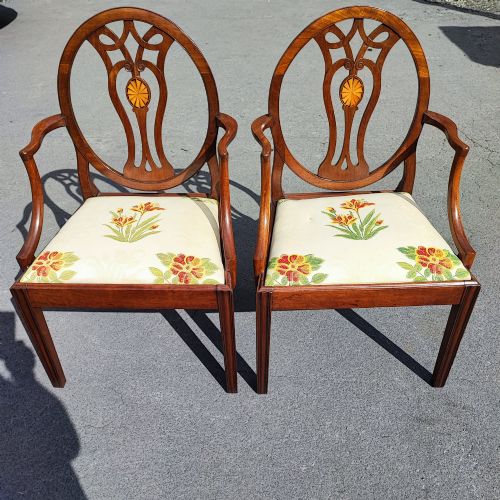
- An armchair designed to match a set of dining chairs, typically featuring scrolled or open arms.
- Tub chair
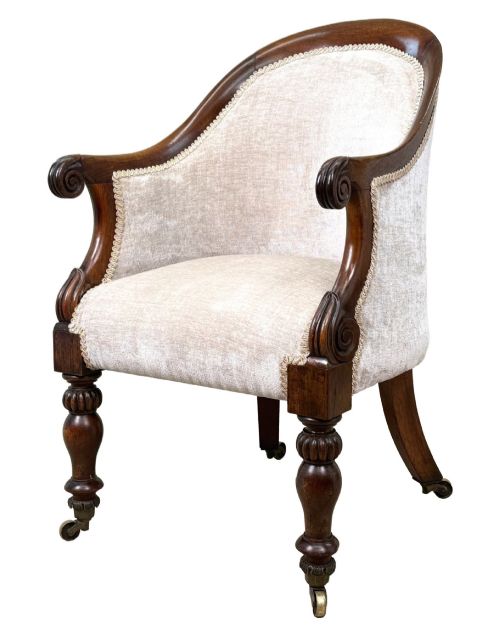
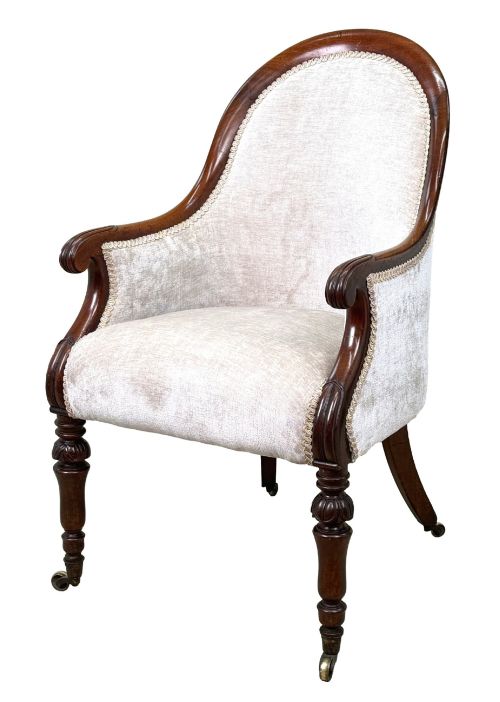
- An upholstered seat with a continuous curved back and armrest forming a barrel shape.
- Windsor
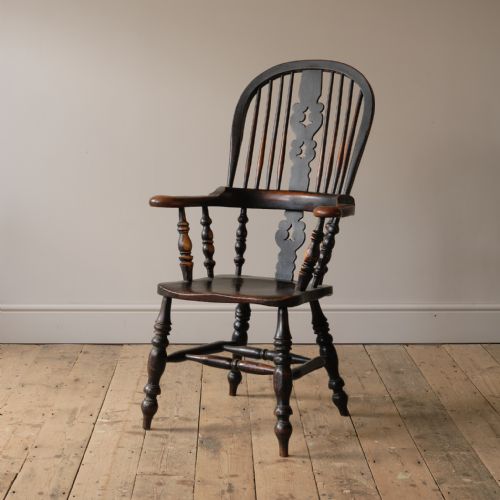
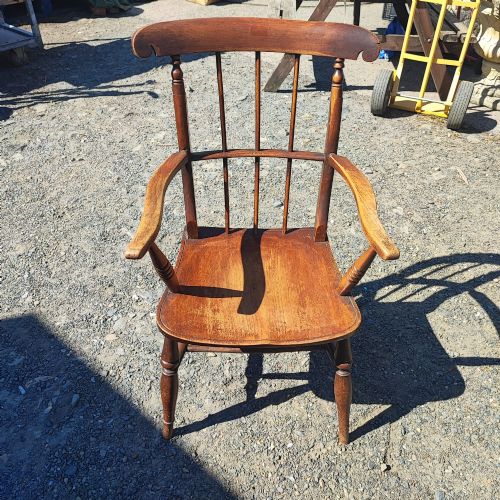
- A traditional wooden chair built with a solid saddle seat into which turned legs and spindles are wedged.
- Bergere
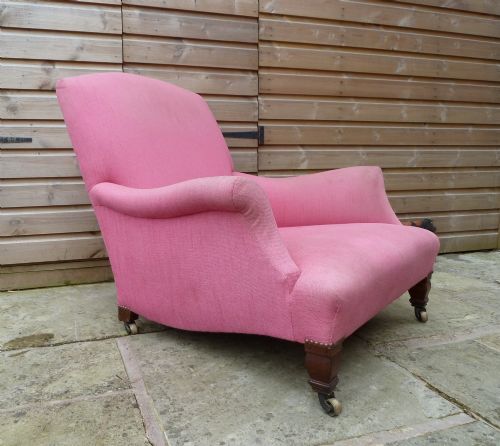
- An enclosed armchair with upholstered back and sides, often featuring exposed wooden framing.
- Vernacular
- Furniture made by local regional artisans following traditional domestic patterns rather than high-style metropolitan designs.
Antique Arm Chair: Frequently Asked Questions
How do I date an antique arm chair?
Dating relies on identifying the prevailing timber, construction methods, and stylistic motifs associated with periods like the Georgian or Victorian eras. Secondary woods used in the underframe often reveal regional origins and production periods.
Changes in upholstery techniques and hardware fastenings further narrow down the decade of manufacture.
Where were library armchairs used?
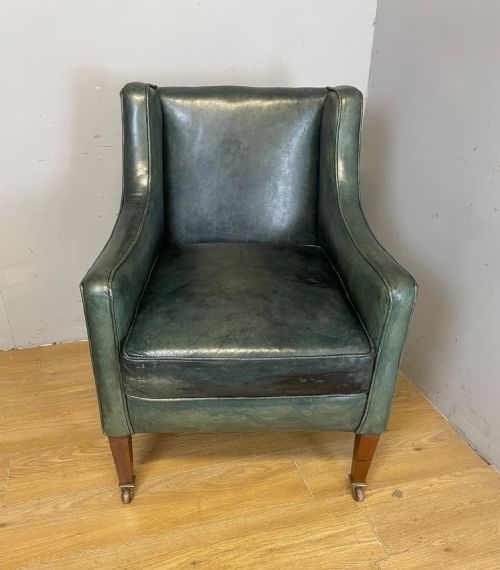
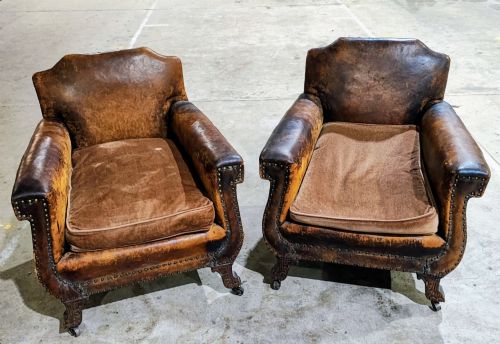
Library armchairs served gentlemen and scholars in private studies, country house libraries, and formal reading rooms. Their sturdy mahogany frames and leather upholstery provided durability for daily study.
Revolving desk variants also appeared in nineteenth-century offices and commercial spaces.
Are Windsor chairs comfortable?
Windsor chairs feature sculpted wooden seats designed to distribute weight evenly without requiring deep padding. Their raked spindle backs and supportive arm bows encourage upright posture during long periods of sitting.
Many country examples were shaped specifically to fit the human form using traditional drawknives.
How should I care for leather upholstery?
Leather upholstery requires regular dusting with a soft cloth and occasional treatment with appropriate conditioning balms to prevent drying. Keeping antique leather away from direct heat sources preserves the natural surface.
Avoid chemical detergents that strip the original patination developed over decades of use.