
Antique Mahogany Accent Chair
An antique mahogany accent chair brings rich timber and period form into a modern room, offering both seating and strong visual character.
Understanding the antique mahogany accent chair
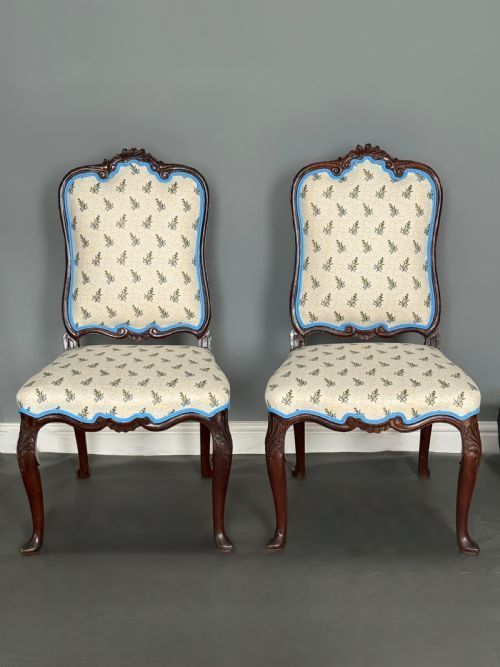
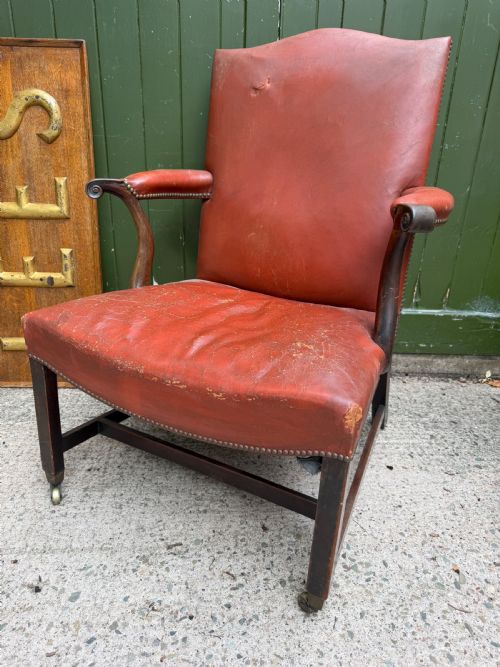
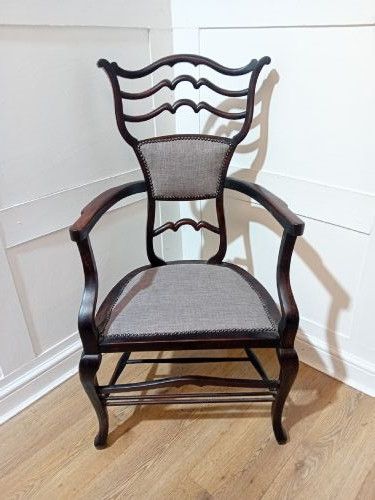
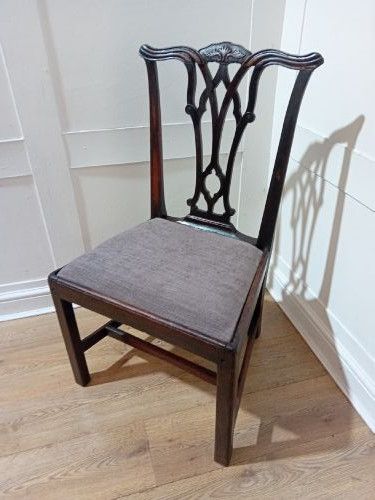
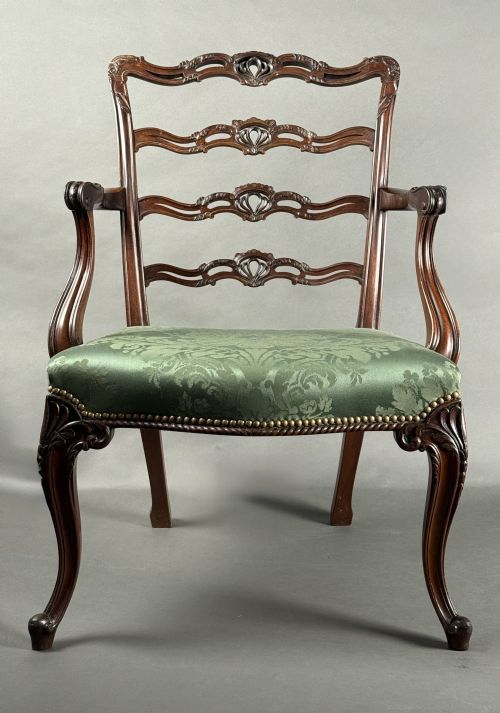
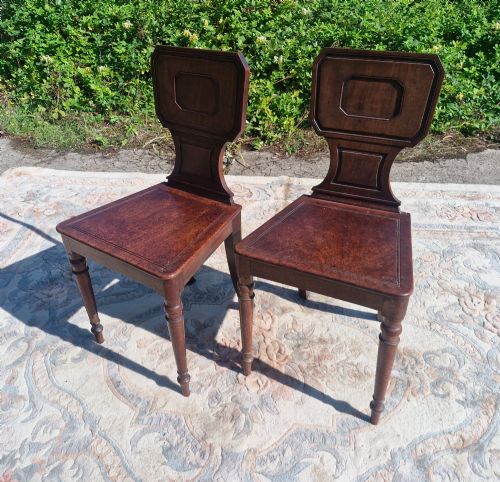
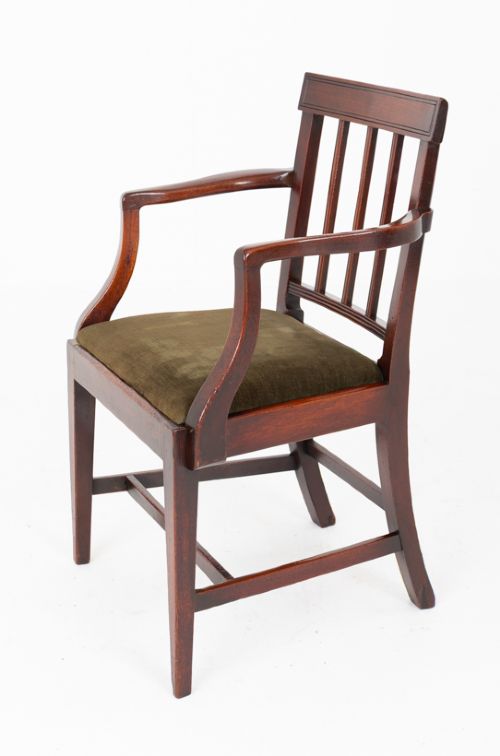
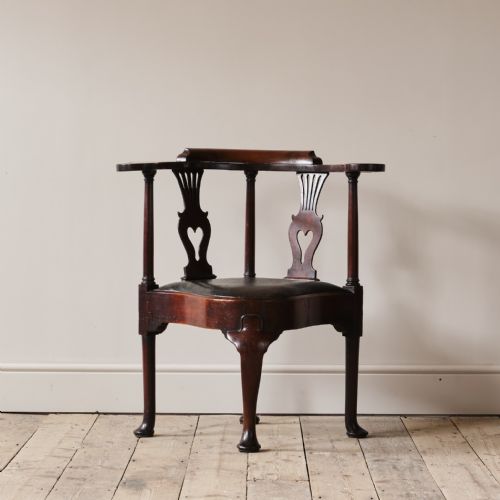
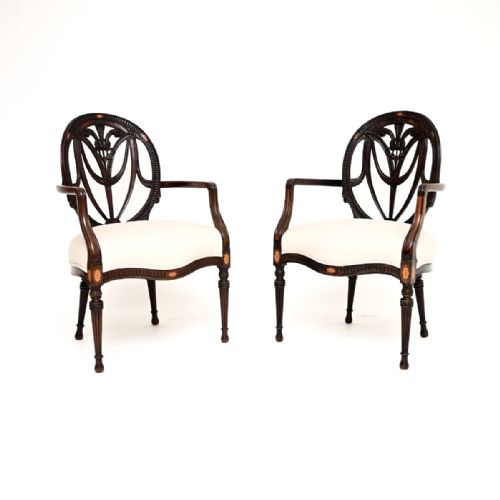
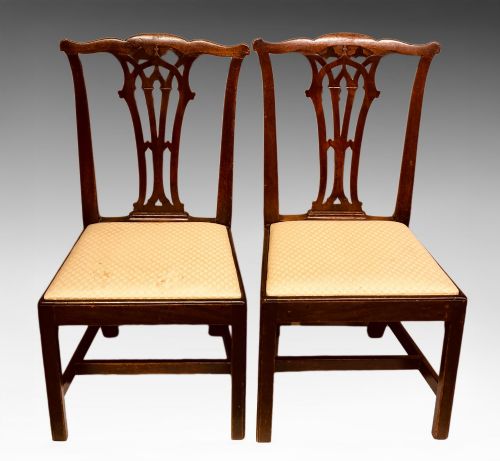
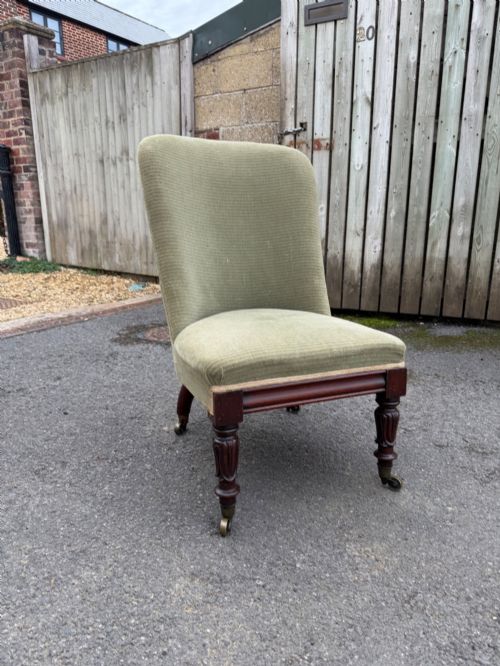
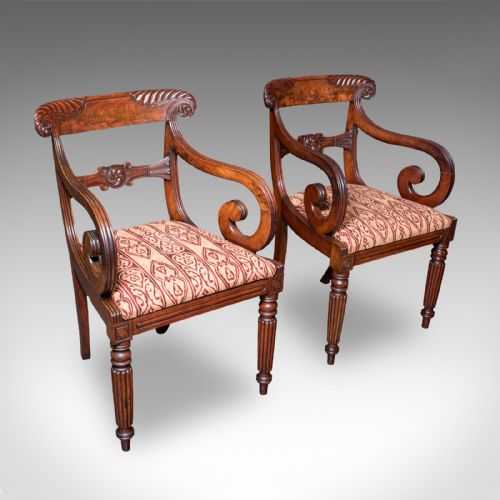
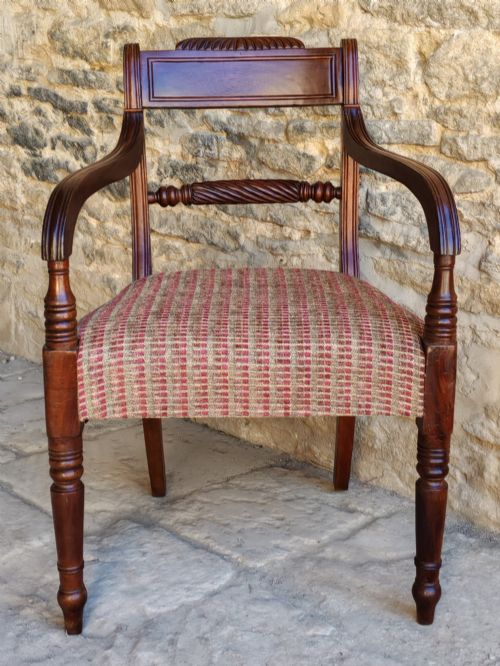
An antique mahogany accent chair appears in several distinct forms across the 18th century, 19th century, and Edwardian periods. Buyers searching this phrase encounter dining chairs, side chairs, hall chairs, nursing chairs, and armchairs.
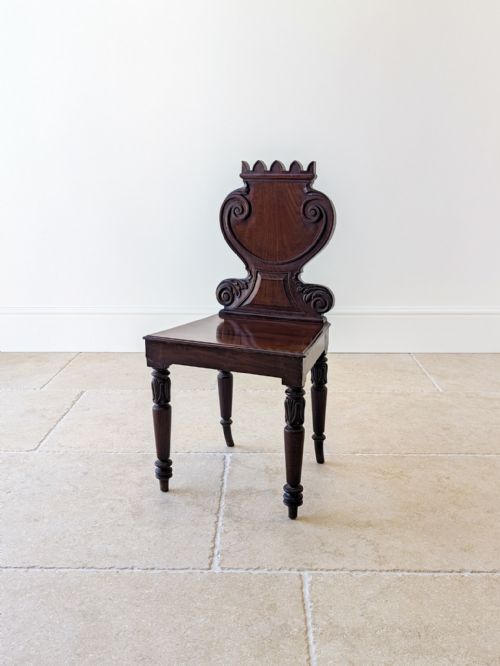
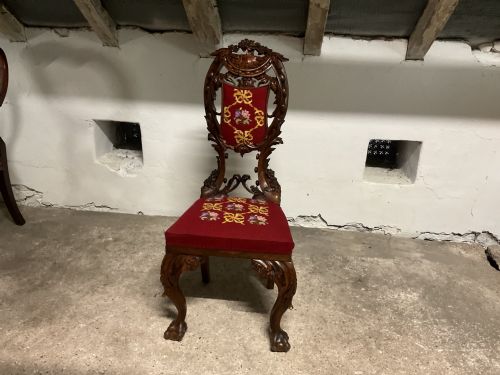
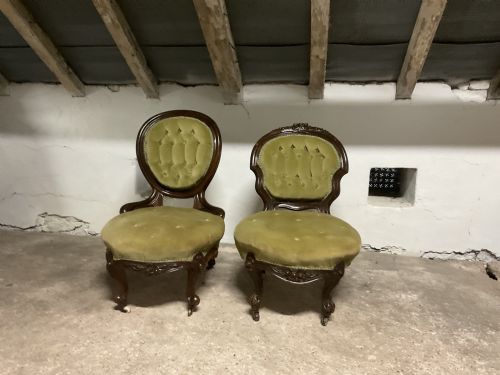
The George III era and the year 1750 represent the earlier stylistic origins in the current selection, featuring carved mahogany side and hall chairs. Later Victorian and Edwardian examples introduce styles such as Victorian Rococo Revival and X frame designs.
Forms range from solid wood hall chairs with carved details to fully upholstered nursing chairs and armchairs. Each type serves as a functional accent piece that carries the distinct aesthetic of its period.
Materials and construction methods
Makers utilised solid mahogany as the primary timber, sometimes complemented by wood inlay to decorate the surfaces. Construction often incorporates carved details into the wood frame, defining the stylistic period of the piece.
Upholstered variants rely on materials such as fabric, wool tapestry, damask fabric, leather, and tapestry. Brass accents also appear on specific models, completing the material composition recorded in the listings.
Retail Price Guide 2026
Typical UK retail prices for mahogany accent chair, calculated from the Sellingantiques database of over a million retail prices indexed since 2003. This retail price guide relies exclusively on Sellingantiques data; no external sources or auction records are used, so the figures do not describe the wider market.
Current listings span the 18th century, 19th century, and Edwardian periods, featuring mahogany paired with wool tapestry, leather, and brass.
Distinctions in quality and execution
The standard of carving across the mahogany frame distinguishes finer examples from simpler production. Crisp execution in George III or Victorian Rococo Revival motifs elevates the visual weight of the chair.
The Antique Mahogany Accent Chair Glossary
- Mahogany
- A durable tropical hardwood prized for its rich reddish-brown colour and fine grain. It forms the structural foundation for all the chairs shown here.
- Hall chair
- A rigid wooden seat traditionally placed in a grand entrance hall. These pieces often feature carved backs and solid timber seats rather than upholstery.
- Nursing chair
- A low-seated Victorian chair designed for comfort, frequently upholstered in fabric or tapestry. They sit closer to the ground than standard dining seats.
- X frame
- A structural design where the legs cross in the shape of an X. This configuration appears in Edwardian armchairs.
- Tapestry
- A heavy woven textile used for upholstery. Examples in the listings include wool and floral variations.
Frequently Asked Questions
What is an antique mahogany accent chair?
It is a historical seating piece made from mahogany timber during periods ranging from the 18th century to the Edwardian era. These chairs include side chairs, armchairs, and nursing chairs.
They function as decorative and practical additions to a room, showcasing the cabinet-making styles of their respective decades.
How do I identify a George III chair?
George III pieces date from the latter half of the 18th century, often around 1750 to 1790. They typically feature carved mahogany frames and formal silhouettes.
These early designs emphasise classical proportions and precise woodworking techniques characteristic of the Georgian period.
Where should I place a nursing chair?
Nursing chairs feature lower seats originally intended for domestic comfort in bedrooms or private sitting rooms. Their compact height makes them suitable for smaller corners.
They pair well with low tables or act as standalone statement seating in a bedroom.
What is the difference between a side chair and an armchair?
Side chairs are built without armrests, making them compact enough to tuck against a wall or around a table. Armchairs include structural supports for the arms.
Armchairs generally provide a more substantial presence in a room compared to lighter side or hall chairs.