


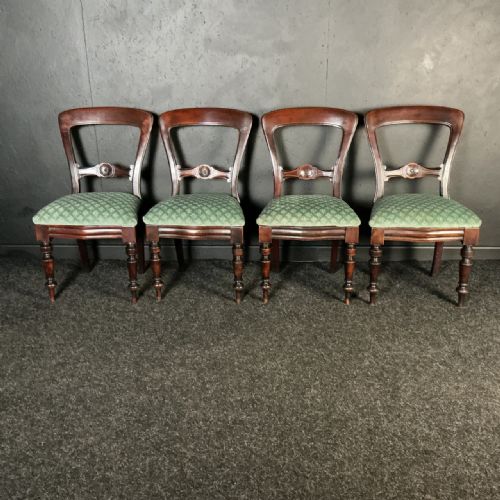
Carved Mahogany Dining Chair
A carved mahogany dining chair brings substance to a room, offering robust construction and rich timber tones that anchor a traditional interior.
Defining the carved mahogany dining chair
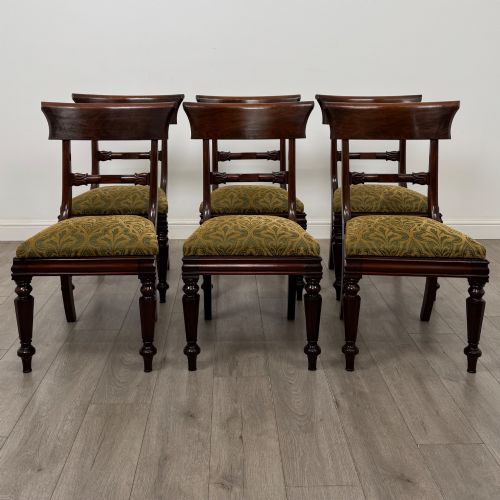
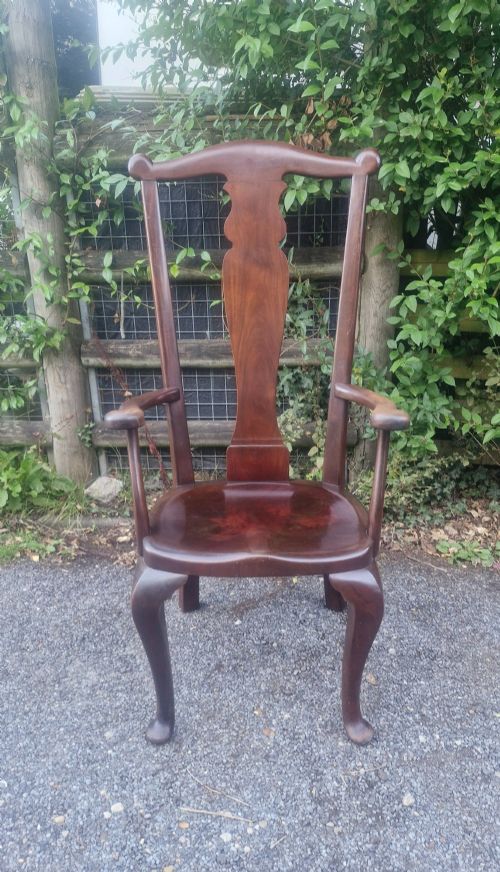
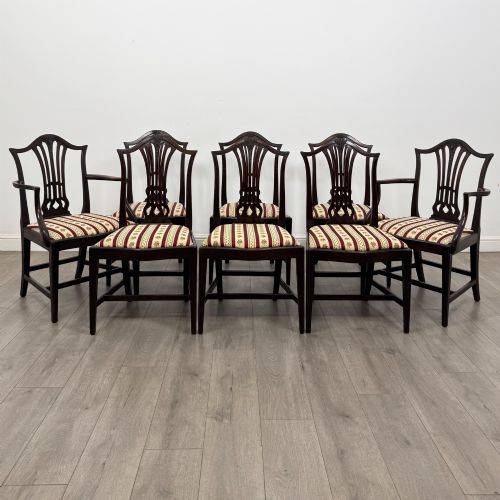
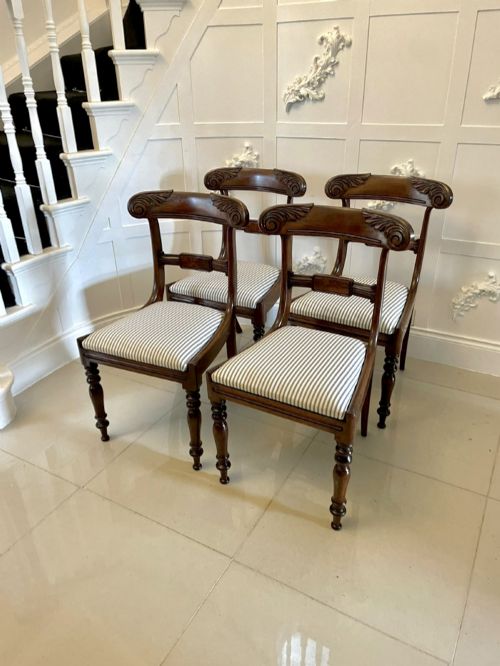
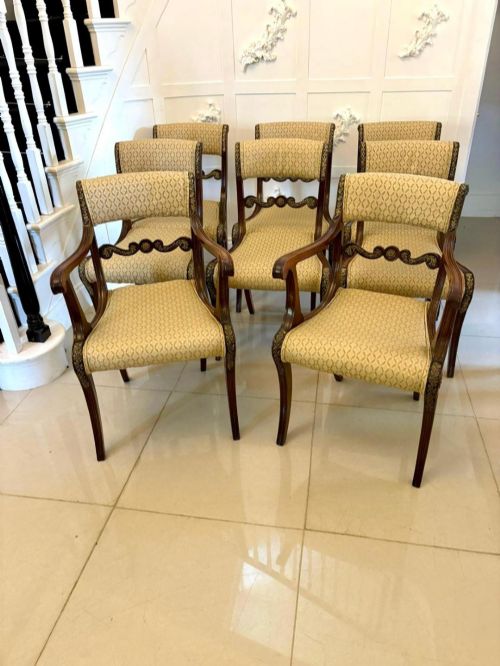
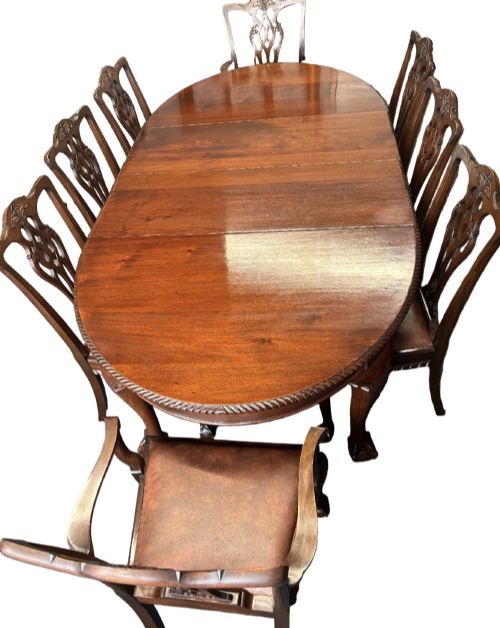
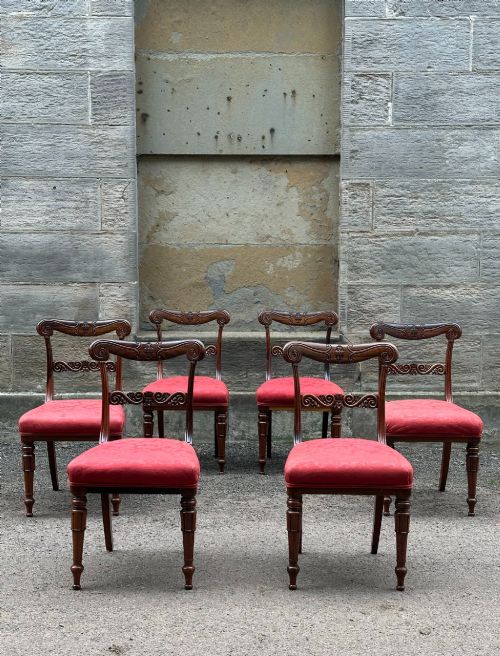
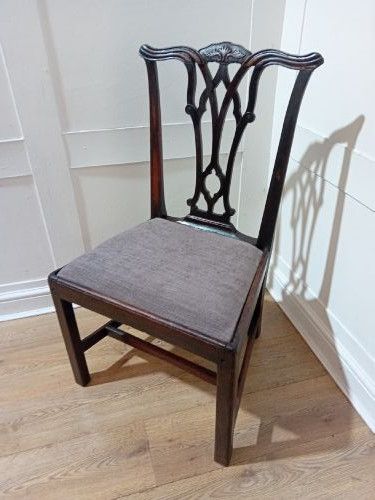
A carved mahogany dining chair is a robust seating form designed for formal meals, appearing in numerous periods from the mid-eighteenth century onward. These pieces range from restrained Georgian examples to more exuberant Victorian and William IV Anglo-Indian interpretations.
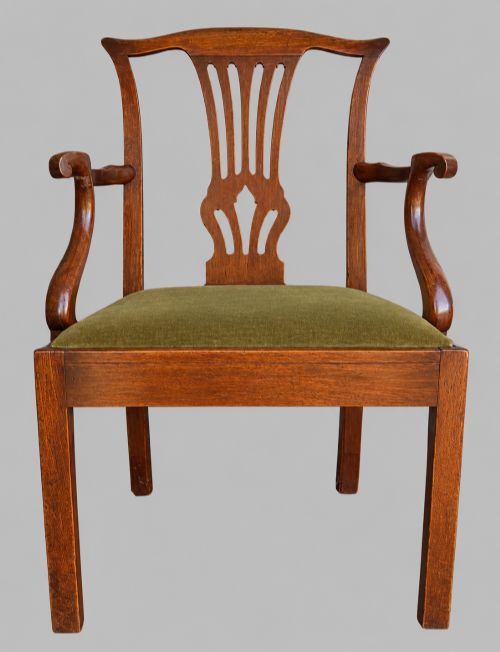
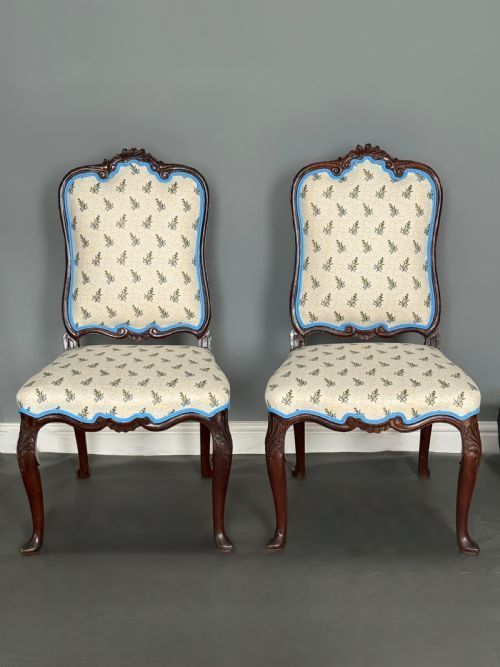
Buyers encounter sets varying from pairs and quartets up to larger groupings of eight or ten, occasionally accompanied by armchairs or carvers. The underlying timber remains consistent, whilst the decorative carving reflects the stylistic preferences of the era in which it was produced.
Assessing craftsmanship and proportion
Superior examples demonstrate meticulous depth and precision in the carved ornamentation, where motifs are executed with sharp relief rather than simple surface moulding. The weight and selection of the mahogany timber itself indicate the tier of production.
Proportion and structural integrity separate standard utility seating from high-status commissions. Refined pieces maintain elegant lines in the uprights and legs while ensuring absolute rigidity at every joint.
Some library dining chairs served double duty, keeping nineteenth-century readers firmly upright while browsing hefty volumes.
Waring and Gillow
The Carved Mahogany Dining Chair Glossary
- Mahogany
- A heavy, durable tropical hardwood prized for its rich reddish-brown hue and stability in furniture manufacture. It takes carved detail exceptionally well.
- Georgian
- A stylistic period spanning the reigns of the first four Georges, noted for proportion, classical influence, and refined cabinetmaking. Pieces from this era often display restrained elegance.
- Victorian
- Spanning the nineteenth century, this period produced diverse furniture styles incorporating heavy carving, substantial proportions, and occasional inlaid details. Quality varied from mass production to high-end workshop output.
- William IV
- A transitional style bridging the Regency and Victorian eras, frequently featuring bold scrollwork, robust frames, and occasionally Anglo-Indian influences. These pieces possess a weighty, imposing presence.
- Upholstery
- The padded and covered components of a chair seat, utilising materials such as leather or velvet. It provides comfort and completes the visual design.
Frequently Asked Questions
How do I care for antique mahogany chairs?
Maintain the timber by applying a quality beeswax periodically to nourish the surface and preserve the deep natural sheen. Avoid placing seats near direct heat sources or strong sunlight to prevent timber splitting and fading.
Ensure that upholstered leather or velvet surfaces receive appropriate specialist cleaning according to their textile type. Regular gentle dusting protects the hand-carved details from accumulating grime in recessed areas.
How are different periods identified?
Examine the style of the carved motifs, leg forms, and overall proportions to determine the likely era of manufacture. Georgian pieces lean toward lighter classical lines, whereas Victorian examples typically present heavier proportions and more assertive carving.
Construction methods also offer clues, as hand-cut joinery gives way to machine-assisted techniques in later nineteenth-century production. Comparing the specific timber density and finish helps confirm the period context.
Can these chairs be used daily?
These seating forms were constructed for robust everyday function using dense hardwoods and sturdy mortise and tenon joints. Proper construction ensures they withstand regular dining use when structurally sound.
Period pieces benefit from periodic checks of the frame stability to ensure joints remain tight. Careful handling preserves both the structural integrity and the antique finish over time.
What defines a carver chair?
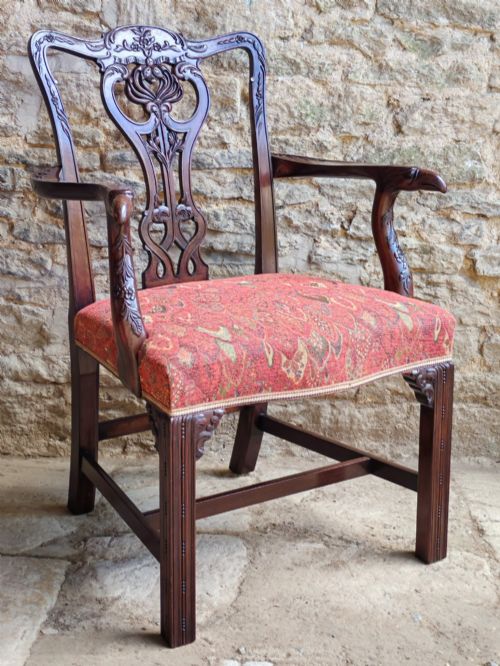
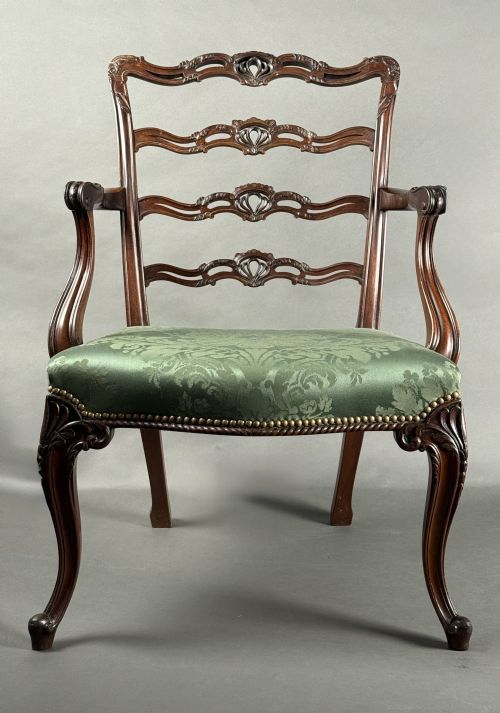
A carver refers to an armchair designed en suite with a set of dining chairs, traditionally positioned at the table heads. These pieces feature integrated armrests that match the carved details of the side chairs.
They offer wider proportions and elevated comfort whilst maintaining the stylistic language of the matching set. Surviving carvers often complete larger dining groupings.