





Vasiform Splat Chairs
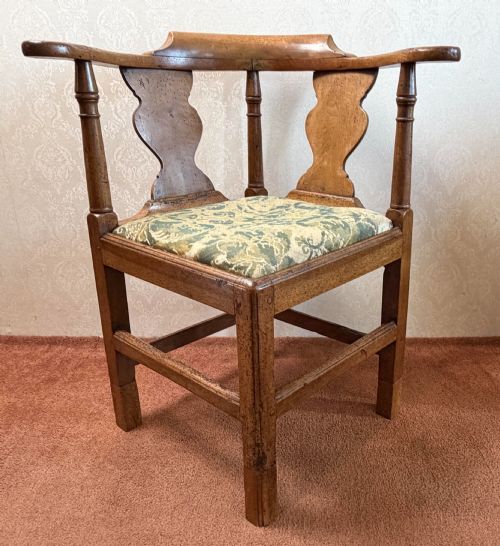
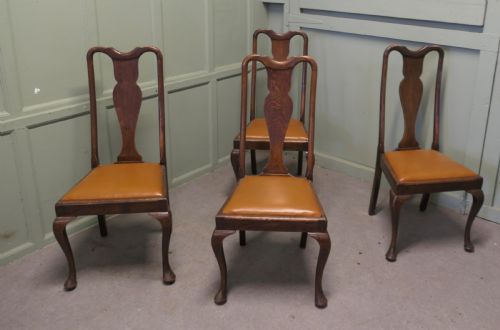
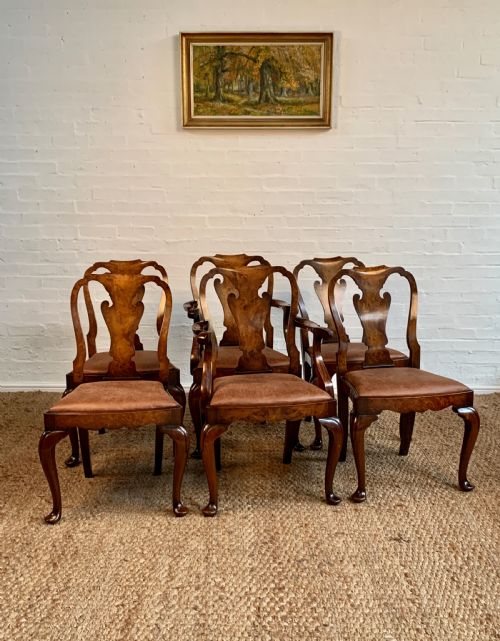
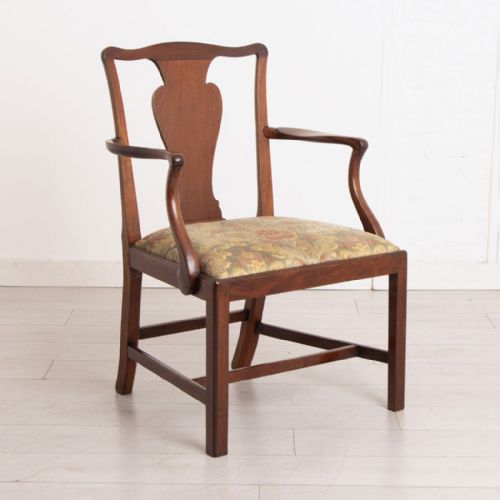
Vasiform splat chairs are seat furniture defined by a central back vertical panel shaped like a vase, offering both lumbar support and distinct eighteenth-century elegance.
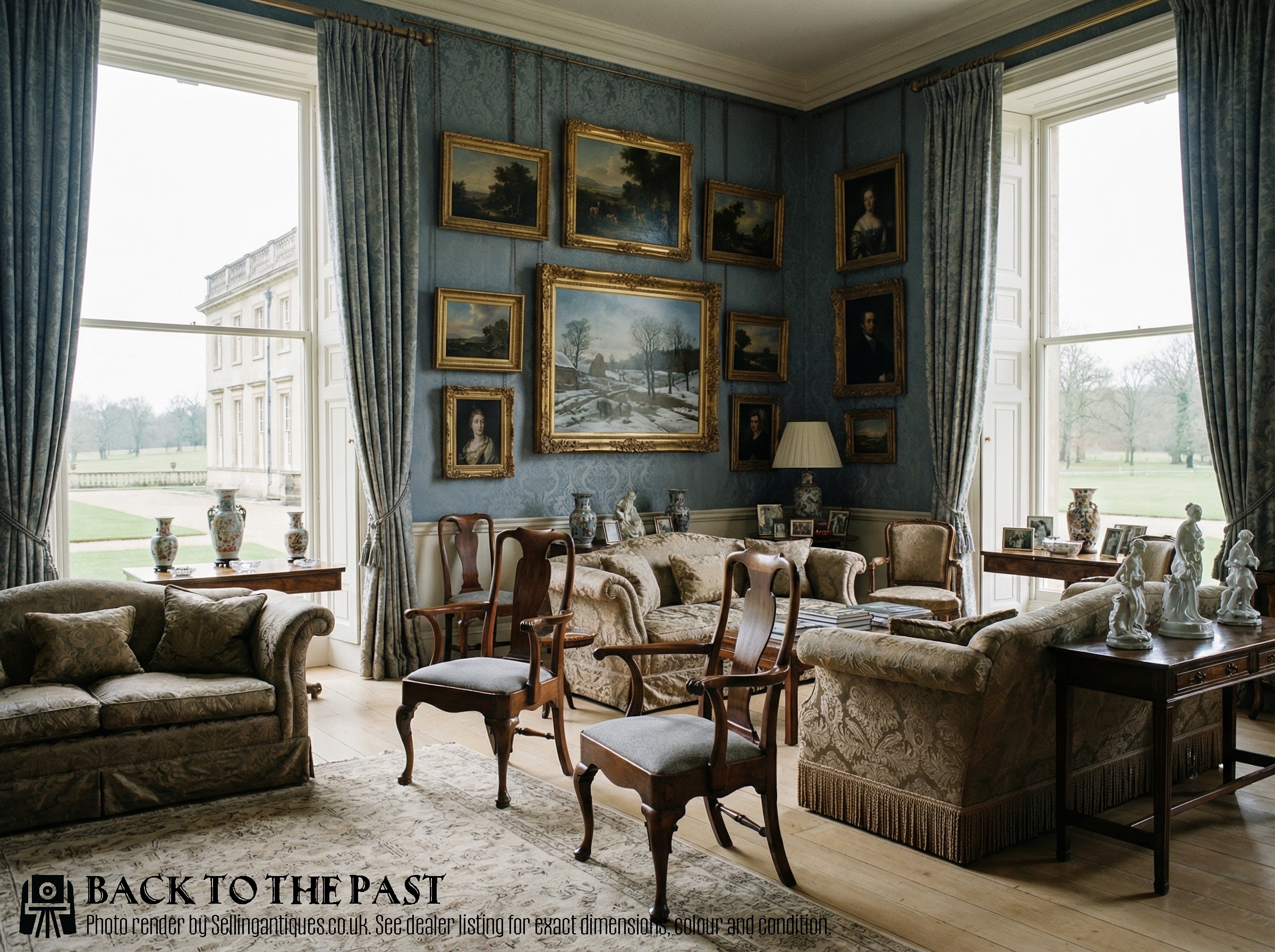
Vasiform Splat Chairs
The materials recorded across these chairs range from dense mahogany and rich walnut to fruitwood, oak, and elm, often paired with upholstered drop-in seats in fabric, leather, or textile. Regional variants include provincial oak examples and lacquered finishes, showing how local cabinetmakers adapted the central vase motif to different woods. Armchairs and single dining chairs dominate the selection, offering variations in crest rail design from plain scrolls to carved shells.
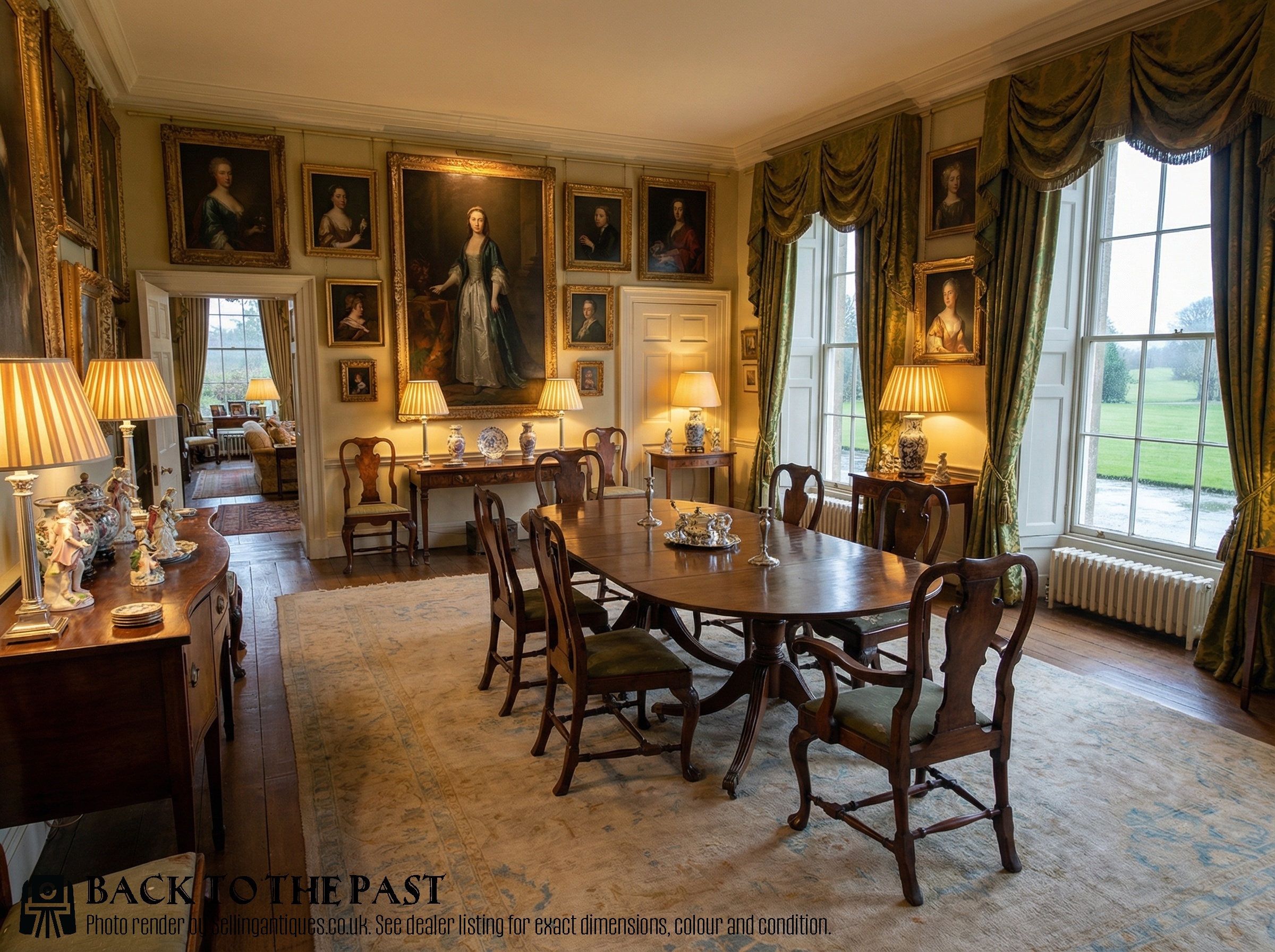
Materials and Construction
Cabinetmakers utilised hardwoods such as mahogany, walnut, and fruitwood to form the rigid frames and carved splats required to withstand daily use. Timber selection governed the strength of the narrow waist within the splat, ensuring the carved profile remained stable under pressure.
Joinery methods relied on mortise and tenon joints to connect the stiles, rails, and seat frames securely without excessive metal fixings. Upholstered drop-in pads utilised webbing and textiles fitted directly into the wooden seat rails.
Vasiform Splat Chairs Retail Price Guide 2026
Typical asking prices for vasiform splat chairs among the pieces listed under this phrase on Sellingantiques today, from the lower quarter to the upper quarter. They describe what is for sale here now, not the wider market.
Even nursery chairs received the full vase treatment, proving toddlers appreciated fine geometry.
Assessing Craftsmanship and Materials
The distinction between tiers of production lies in the depth and crispness of the carving on the crest rails, splats, and knees, alongside the selection of figured veneers like burr walnut. Superior examples demonstrate continuous grain matching and meticulous hand-shaping along the curved edges of the vase-shaped splat.
Structural integrity depends on the tightness of the original joints and the preservation of the timber surfaces, whether polished mahogany or lacquered finishes. Later revival pieces vary according to how closely the maker adhered to eighteenth-century proportions and joinery standards.
The Vasiform Splat Chairs Glossary
- Splat
- The vertical central strip of wood in the middle of a chair back. It provides structural support while offering a surface for decorative carving.
- Vasiform
- Shaped like a vase. This profile outlines the central splat by swelling near the shoulder and narrowing toward the seat base.
- Drop-in seat
- A removable wooden frame upholstered in fabric or leather that drops into a rebate within the chair seat rails.
- Stile
- The upright vertical side post of a chair back. It connects the crest rail to the rear seat corners.
Vasiform Splat Chairs: Frequently Asked Questions
How do I date a walnut chair?
Dating walnut chairs involves examining the timber grain, construction joints, and wear patterns on the feet and stretchers. Eighteenth-century examples typically use solid walnut or rich veneers over secondary woods.
Revival pieces from later periods often display different finishing techniques and machine-cut joinery. Comparing the turning of the legs and the profile of the splat helps distinguish original periods from later interpretations.
Were these chairs used for dining?
These chairs served primarily as formal seating around dining tables and in parlours. Single side chairs and matching sets accommodated guests during formal meals.
Armchairs were often placed at the heads of the table or used alongside matching side chairs. Their sturdy hardwood construction supported daily domestic life.
How should I care for antique wood?
Maintaining antique wood requires stable room humidity and protection from direct sunlight to prevent timber shrinkage and fading. Regular dusting with a dry cloth keeps the surface clean without damaging the finish.
Applying appropriate wax occasionally nourishes walnut and mahogany surfaces. Avoid placing these chairs near direct heat sources to protect old joinery.