
Upholstered Seat Chairs
Upholstered seat chairs bring together solid timber frames and soft textile coverings, offering enduring comfort across centuries of British and continental design.
Upholstered Seat Chairs
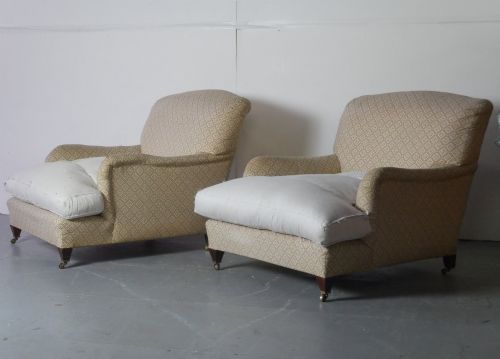
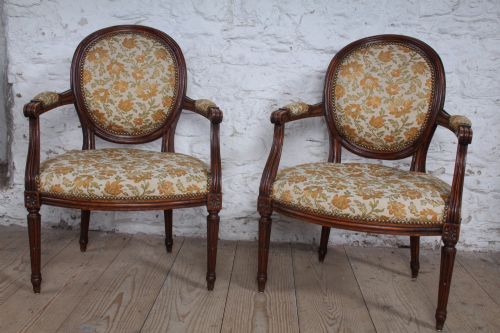
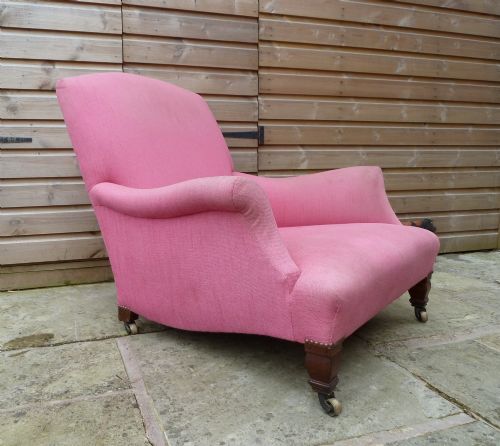
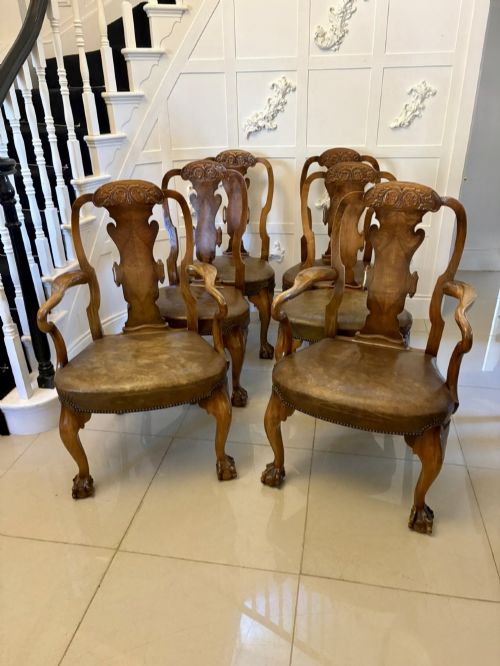
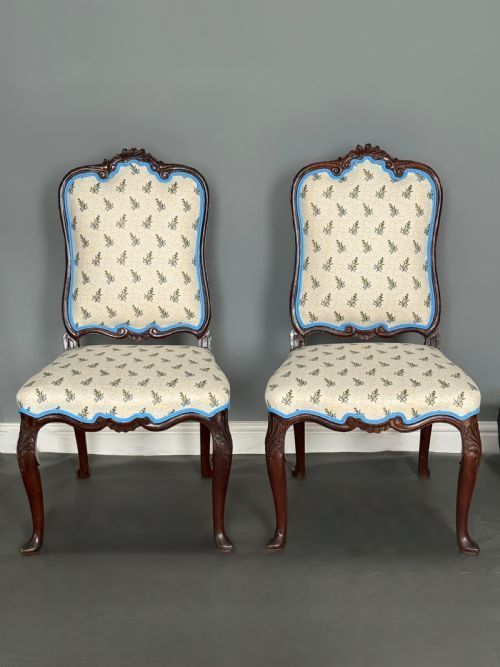
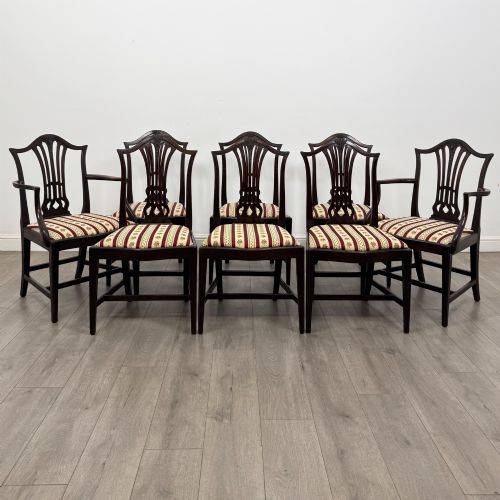
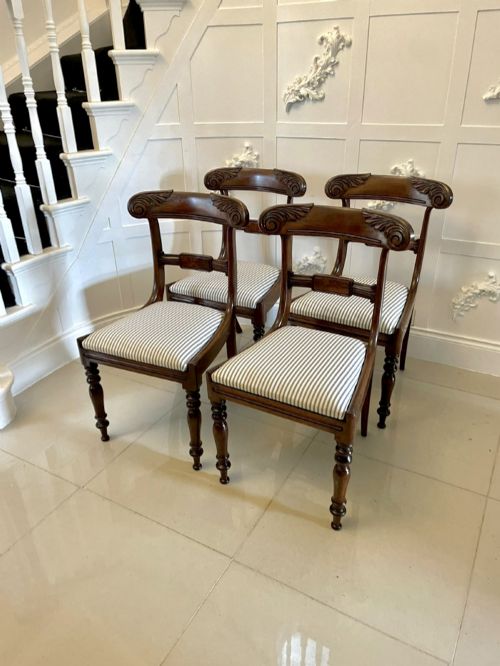
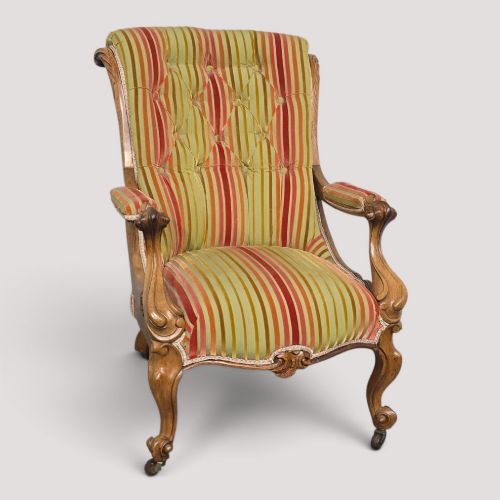
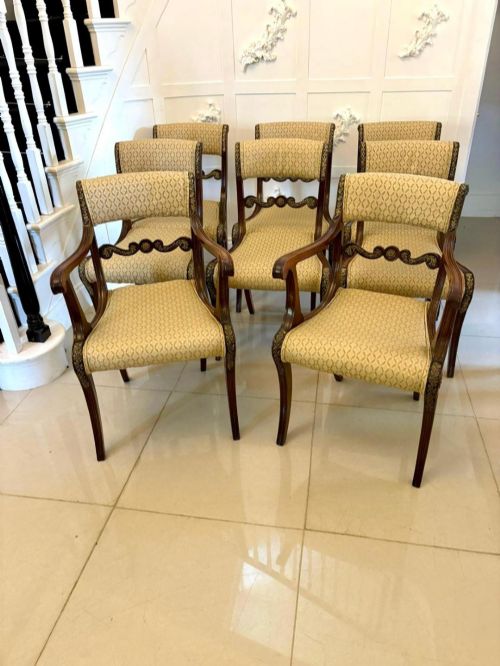
When you search for upholstered seat chairs, you encounter seating built across the Georgian, Victorian, and Edwardian periods alongside continental examples. These pieces span formal dining sets in mahogany and oak, library armchairs, and bedroom chairs designed for daily domestic use.
The selection ranges from single fireside armchairs to large dining sets numbering up to twenty pieces. You meet specific forms such as nursing chairs, prie-dieu chairs, and low seat models covered in fabrics, velvet, leather, and silk.
How they were made
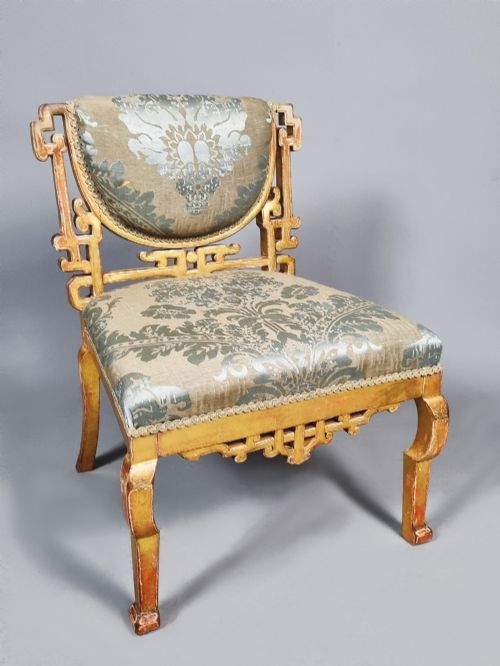
Cabinetmakers constructed the supportive frames using dense timbers like mahogany, walnut, and oak, often shaped with carved details or brass inlay. Frames might also feature painted finishes or gilded gesso surfaces.
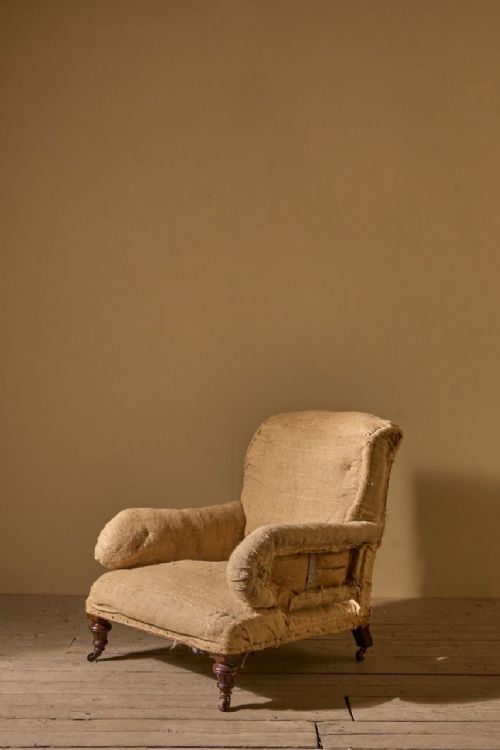
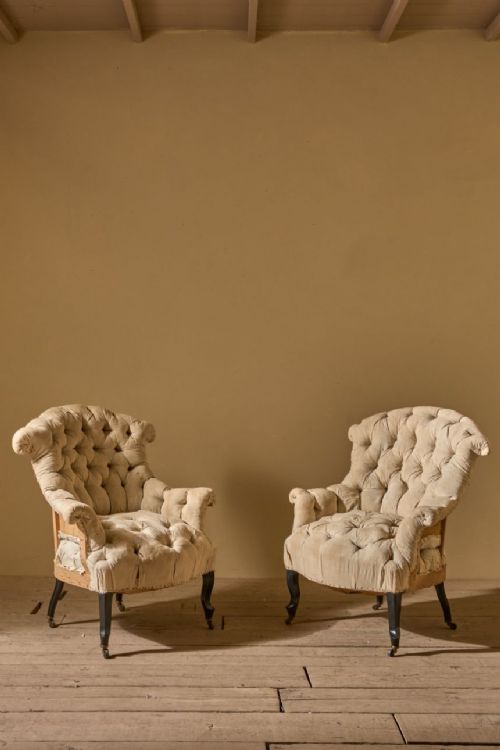
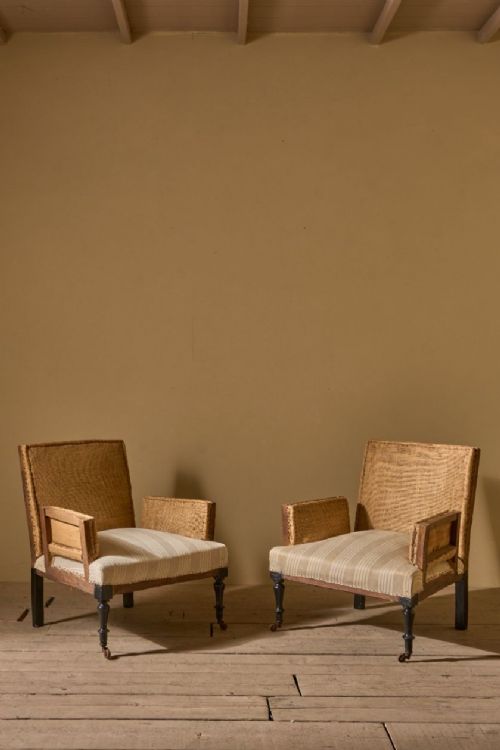
Upholstery techniques combined traditional stuffing materials with durable textiles, ranging from simple overstuffed drop-in pads to buttoned backs and elaborate silk or tapestry coverings.
The inventory includes dining chairs, armchairs, side chairs, hall chairs, and nursing chairs from multiple centuries.
What varies in quality
The standard of timber selection and the crispness of hand-carved ornamentation dictate the baseline merit of the frame. Pieces produced for exhibitions or prominent commission exhibit superior joinery and more refined proportions.
The integrity of the original structure and the quality of the textile finish determine the desirability of the piece. Matching sets of many chairs demonstrate greater consistency in craftsmanship than assembled groups.
Whytock and Reid·Waugh and Son·Howard and Sons·Charles Tozer
The Upholstered Seat Chairs Glossary
- Overstuffed seat
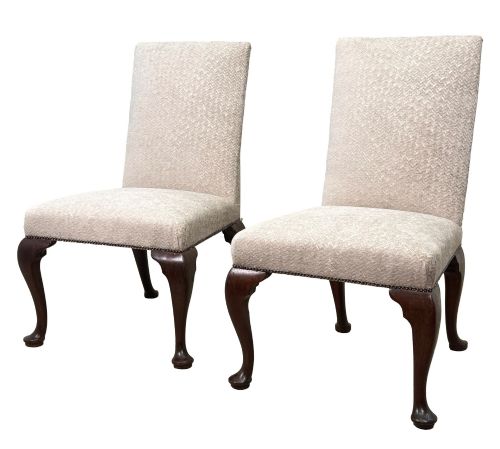
- A padded seat base where the upholstery covers the wooden frame rails entirely so no wood remains visible around the edge. This technique provides a broader cushion surface.
- Bar back
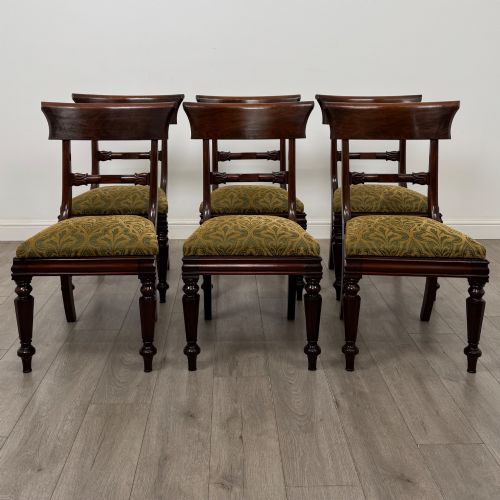
- A chair back featuring a horizontal crossbar, often shaped or carved, frequently seen on nineteenth-century dining chairs. It offers sturdy support while displaying the grain of the mahogany.
- Prie-dieu
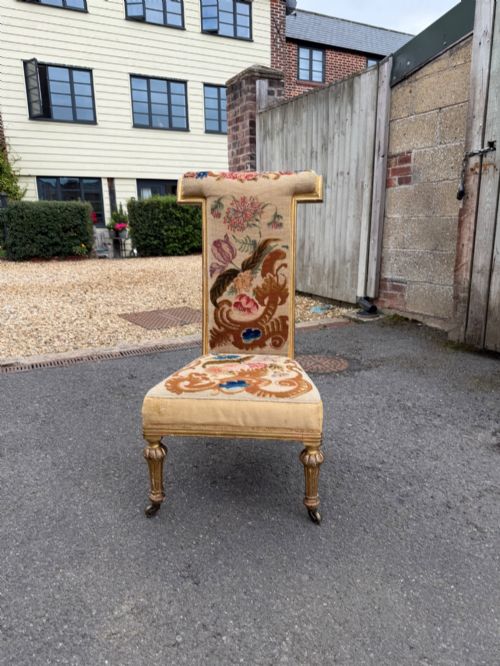
- A low devotional chair featuring an elevated padded top rail designed for kneeling and prayer. These nineteenth-century pieces often display intricate needlework or velvet upholstery.
- Giltwood
- Timber coated with a thin layer of gold leaf over a prepared gesso ground. This luxurious finish appears on decorative armchairs from the eighteenth and nineteenth centuries.
Upholstered Seat Chairs: Frequently Asked Questions
How do I clean antique upholstery?
Surface dust should be removed gently using a soft brush attachment on a low suction vacuum. Professional textile conservators should handle deeper cleaning to protect fragile historic fabrics.
Avoid applying household detergents or water directly to antique silk, velvet, or tapestry coverings. Testing any cleaning method on a hidden underside area is essential before proceeding.
Are these chairs suitable for daily dining?
Many dining chairs from the Georgian and Victorian eras remain structurally robust for regular use around a table. Checking the stability of the joints and the firmness of the seat webbing ensures safe daily seating.
Larger sets in mahogany or oak provide durable utility while maintaining historic character in a modern dining room. Lighter decorative bedroom chairs suit occasional sitting rather than heavy daily service.
How can I date an upholstered chair?
The primary indicator of age is the timber used, combined with the structural style of the frame and legs. For instance, square-sided frames and shield backs point toward the eighteenth century, while buttoned upholstery often suggests the Victorian period.
Examining the construction methods underneath, including hand-cut screws and traditional joinery, helps confirm the era of manufacture. Surviving maker labels or stamps provide the most definitive dating evidence.
Can I mix different chair styles together?
Combining various chair styles around a single table creates a curated, collected interior rather than a uniform suite. Matching timber tones or similar periods helps unify disparate seating choices.
Pairing carved walnut dining chairs with simpler side chairs adds visual texture to a room. Ensuring seat heights remain consistent keeps guests comfortable during meals.