
Antique Style Chairs
When you search for antique style chairs, you step into a world of mahogany dining sets, carved armchairs, and regional windsors shaped by centuries of woodworking tradition.
Antique Style Chairs
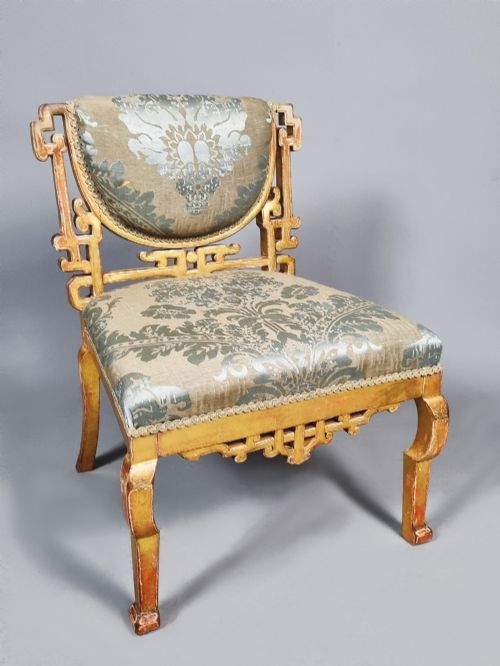
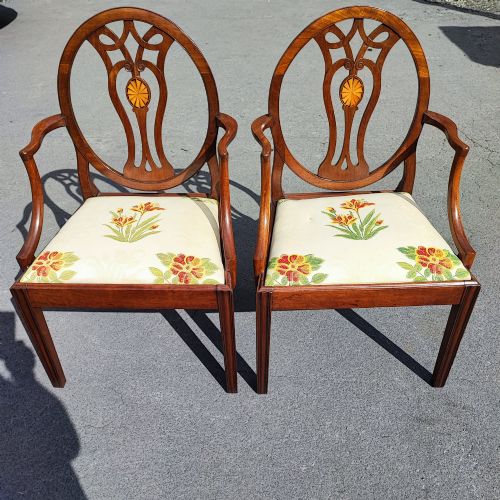
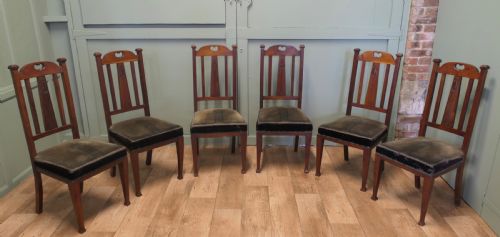
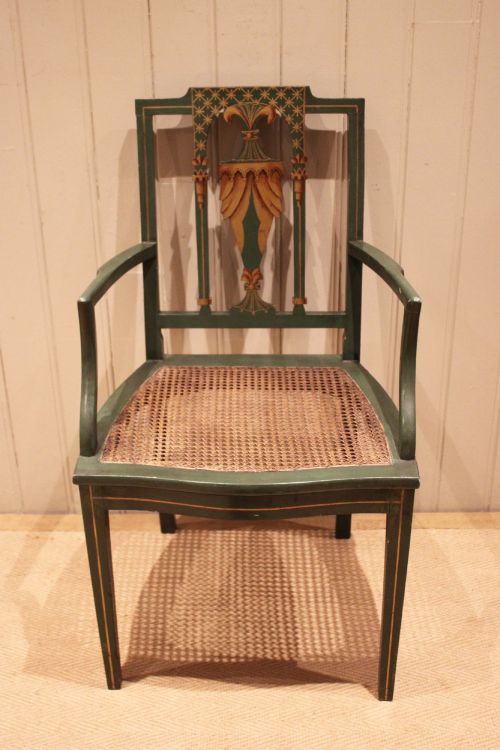
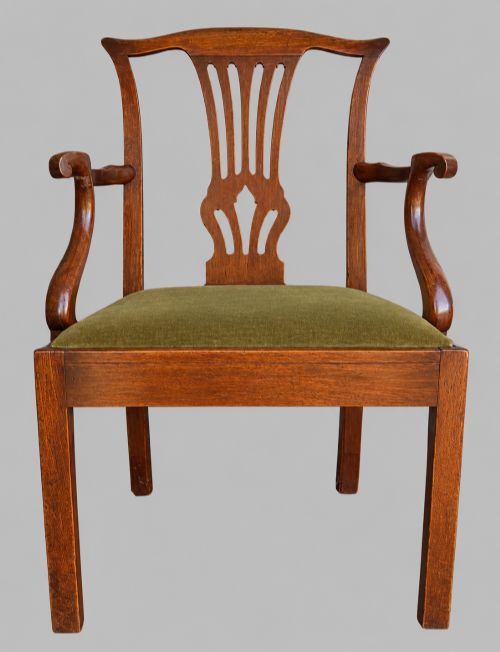
The search phrase antique style chairs encompasses a broad spectrum of seating forms, ranging from formal dining sets to library armchairs and regional country pieces. On this page, one meets numerous iterations of Georgian and Victorian design alongside later revivals executed in mahogany, oak, and walnut.
Buyers encounter everything from high-status library armchairs upholstered in leather to utilitarian rush-seated low chairs. The inventory bridges original 18th-century forms with later revival pieces produced across the 19th and early 20th centuries.
Materials and construction
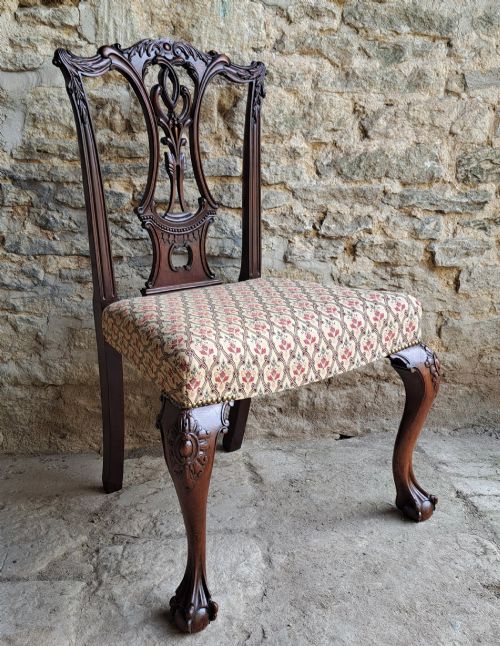
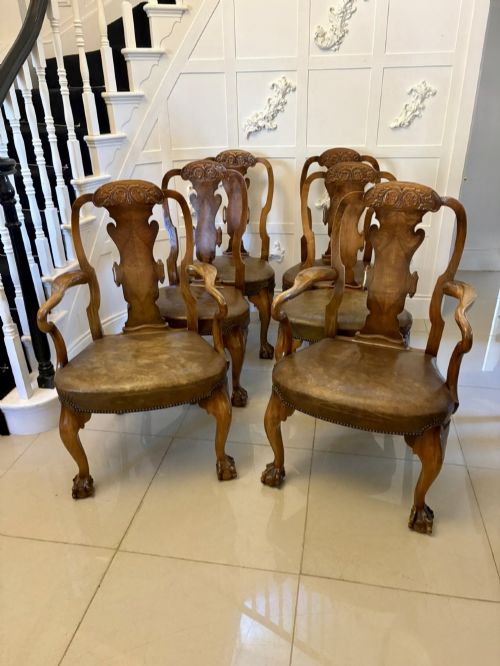
Cabinetmakers relied heavily on dense hardwoods like mahogany and walnut for formal seating, utilising their grain and strength for intricate pierced splats and carved cabriole legs. Regional and country chairs often combined timbers, pairing elm seats with ash or yew spindles and framing.
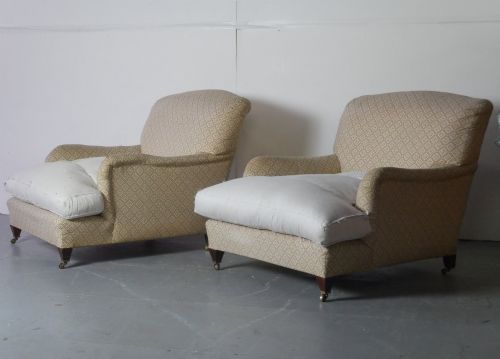
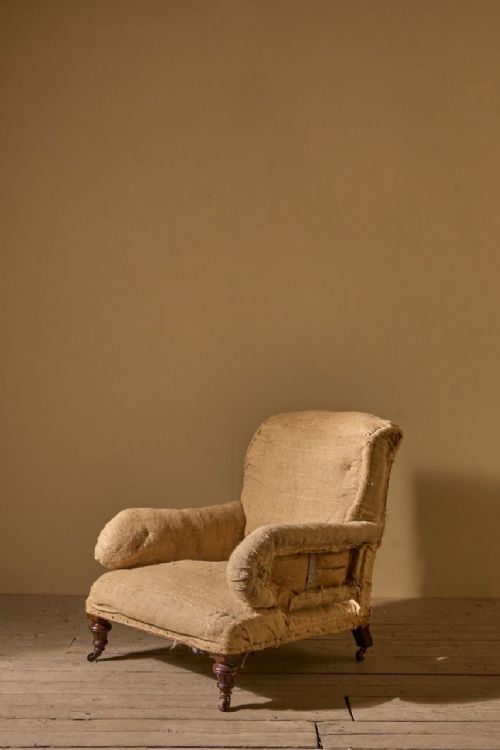
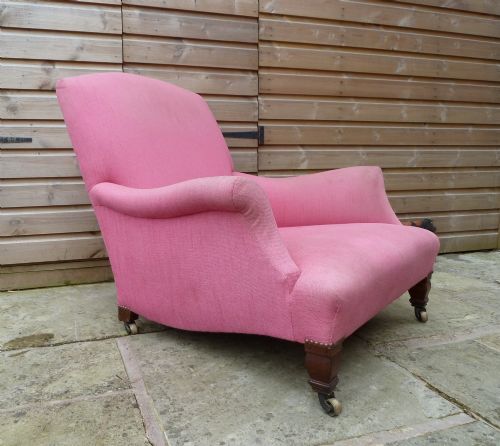
Upholstery techniques defined the comfort and profile of armchairs, employing leather, silk velvet, and woven textiles secured over webbing and horsehair stuffing. Structural integrity relied upon traditional joinery, including mortise and tenon joints, dowels, and hand-turned components.
Listings feature woods such as mahogany, oak, walnut, ash, elm, and rosewood across Georgian, Victorian, and Edwardian periods.
Evaluating craftsmanship and execution
Quality reveals itself in the crispness of the carving and the depth of the timber's grain, particularly where decorative motifs meet structural joints. Master workshops achieved fluid lines in mahogany and walnut, whereas lesser examples show rigid proportioning and perfunctory detailing.
The integrity of the original timber and the retention of period upholstery methods distinguish superior survivals from heavily altered pieces. Chairs that preserve their primary wood surfaces and structural cohesion demonstrate the enduring capability of their makers.
Whytock And Reid·Waugh And Son·Howard And Sons·Liberty Morris And Co·Jacob And Josef Kohn·Charles Tozer
The Antique Style Chairs Glossary
- Carver
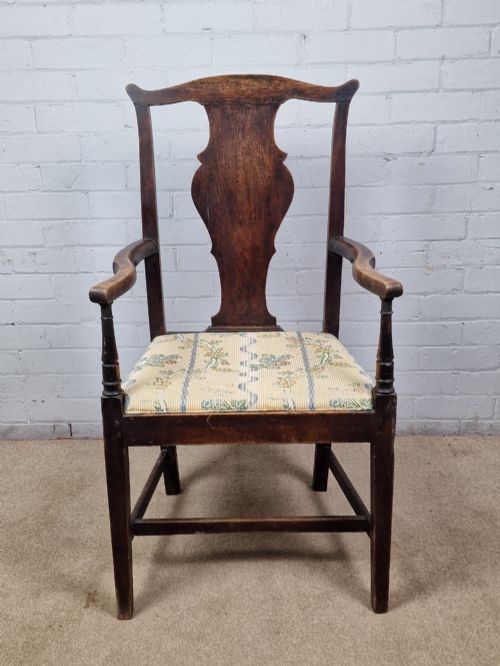
- An armchair, typically designed to sit at the head of a dining table and featuring integrated elbow rests to match a set of single dining chairs.
- Splat
- The vertical wooden strip placed centrally in the back of a chair, often shaped, pierced, or carved in styles such as vase or ladder patterns.
- Cabriole leg
- A furniture leg that curves out in a convex arc and tapers inward in a concave arc, emulating the shape of an animal's leg.
- Bergère
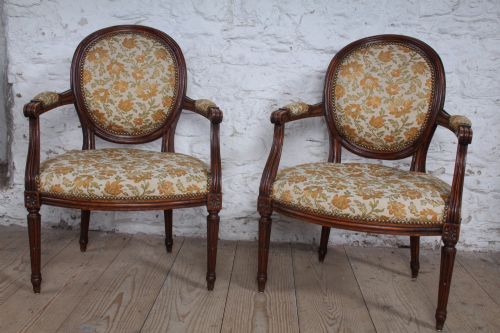
- An enclosed upholstered armchair with wooden framing exposed around the sides and back, originating in France.
- Rush seat
- A seating surface woven from dried marsh grasses, commonly found on country chairs and ladder-back kitchen seating.
Antique Style Chairs: Frequently Asked Questions
How do I care for antique leather upholstery?
Leather upholstery benefits from gentle cleaning and occasional specialist conditioning to prevent the natural hide from drying out over time.
Keep these pieces away from direct sunlight and strong heat sources to preserve the suppleness of the material.
Can I mix antique style chairs with a modern table?
Mixing period seating with a contemporary table creates a striking contrast that highlights the craftsmanship of the wooden frames.
Ensure the seat heights align comfortably with the underside clearance of the table for practical daily use.
What is the difference between a side chair and an armchair?
Side chairs are built without armrests, making them compact enough to line up efficiently around a dining table or flank a wall.
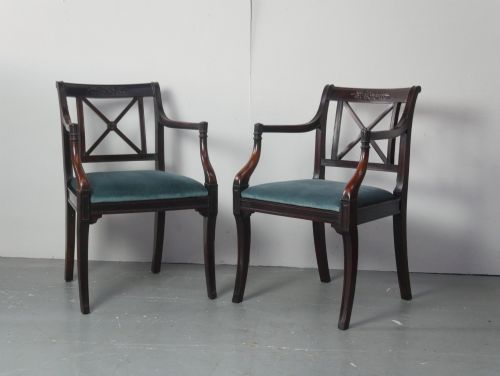
Armchairs feature structural elbow supports, offering a wider profile intended for relaxation or formal placement at the head of a table.
How do I identify a revival piece from an original period chair?
Revival pieces often display the manufacturing methods and tool marks characteristic of their later production era, such as the late 19th or early 20th century.
Comparing the timber patination, construction joints, and stylistic proportions against authenticated period examples clarifies the true age of the piece.