


Queen Anne Carver Chairs
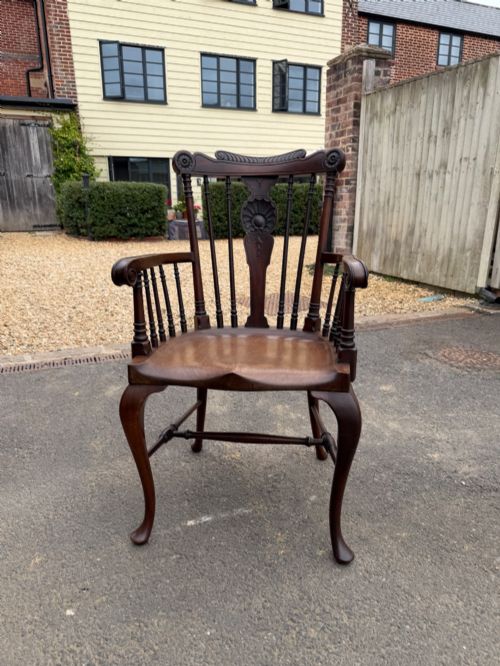
Queen anne carver chairs bring formal grace to a room through scrolled armrests and sturdy timber frames.
Queen Anne Carver Chairs
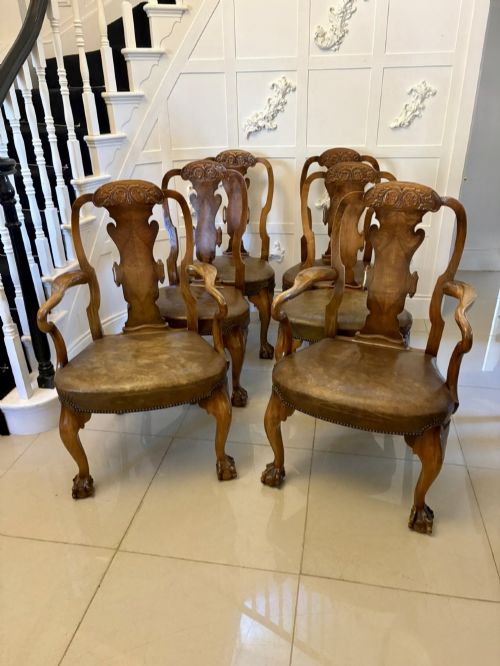
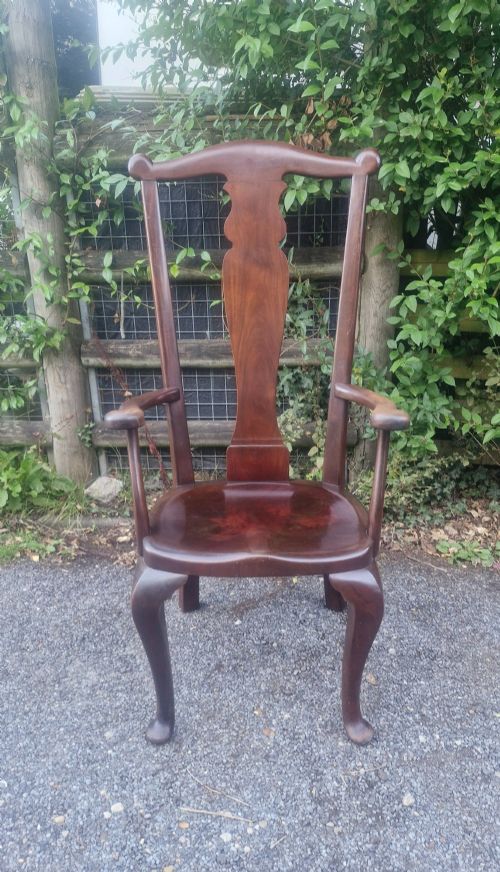
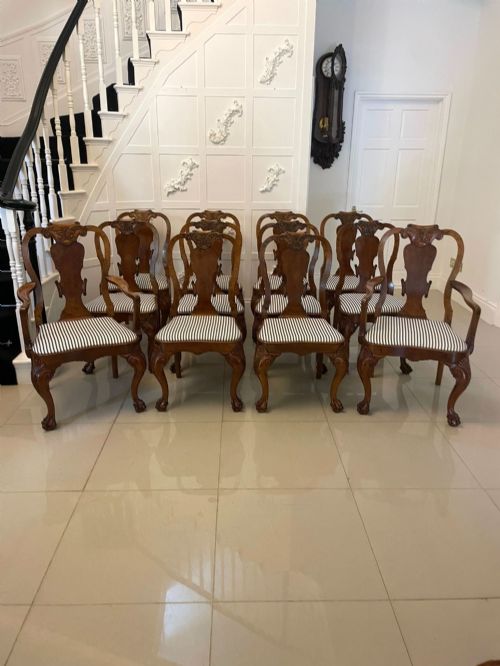
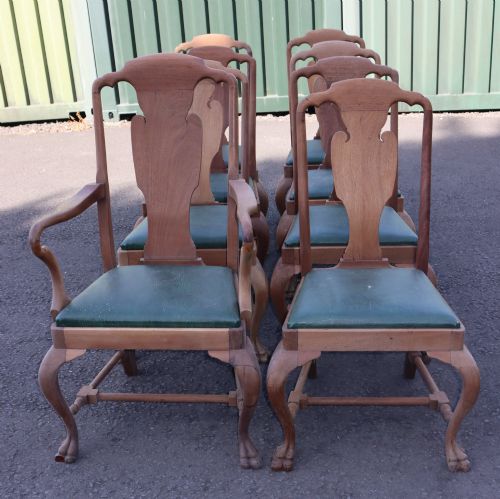
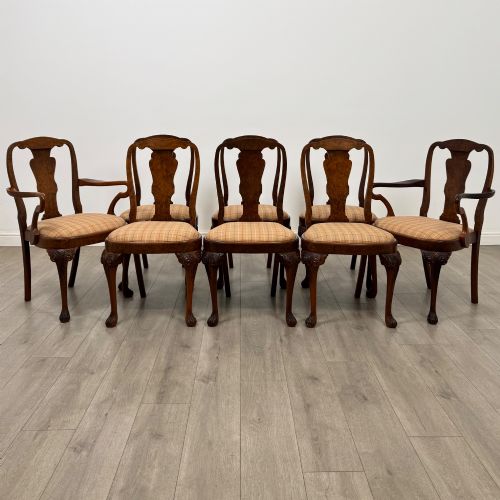
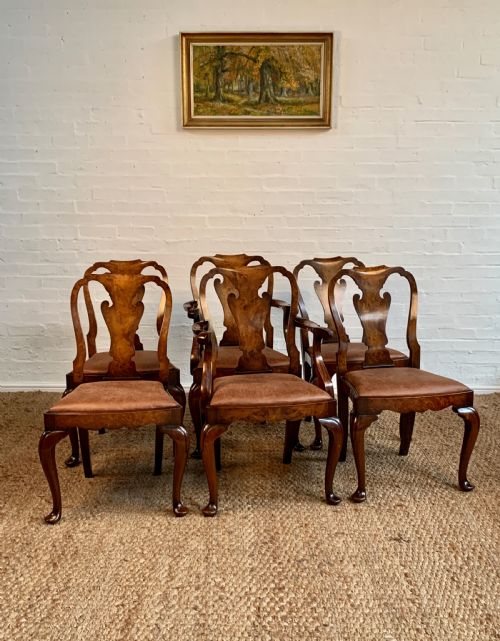
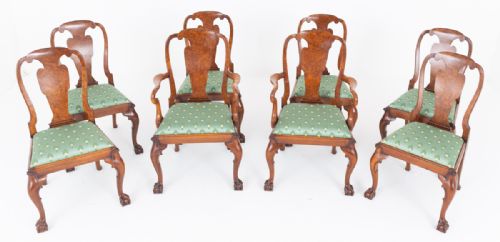
Queen anne carver chairs combine upright backrests with supportive side arms, designed to anchor the ends of a dining table or serve as standalone desk seating. The form spans genuine eighteenth century origins as well as extensive revival periods across the nineteenth and twentieth centuries.
Materials and construction
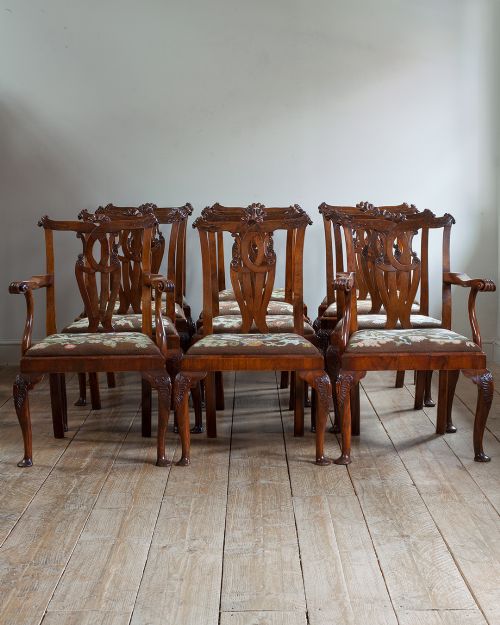
Makers shaped these frames primarily from solid walnut and mahogany, occasionally employing oak, elm, or painted finishes. Finer iterations utilise figured burr walnut veneers to create rich grain patterns across the backsplats and seat rails.
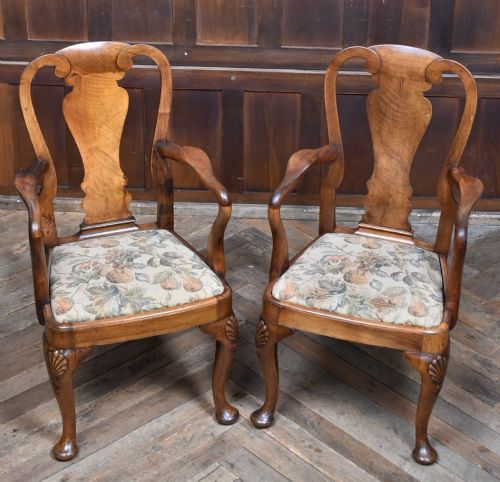
Upholstery forms an integral part of the construction, utilising traditional textiles, velvet, leather, and modern upholstery fabric stretched over supportive internal webbing.
Queen Anne Carver Chairs Retail Price Guide 2026
Typical asking prices for queen anne carver chairs among the pieces listed under this phrase on Sellingantiques today, from the lower quarter to the upper quarter. They describe what is for sale here now, not the wider market.
Listings span the eighteenth century through to the 1930s, featuring walnut, mahogany, oak, and elm frames.
Factors that define quality
The degree of craftsmanship distinguishes everyday seating from exceptional examples, visible in the fluid carving of the cabriole legs and the precise shaping of the arm supports. Higher grade pieces often incorporate detailed marquetry or robust framing timbers that maintain structural integrity over centuries.
The selection of surface veneers and the quality of the upholstery integration further divide the range, separating standard commercial production from bespoke workshop outputs.
Spillman & Co·Waring & Gillow·Howard & Son's
The Queen Anne Carver Chairs Glossary
- Carver chair
- An armchair designed to match a set of dining chairs, typically featuring open arms and a wider seat. These pieces usually sat at the head of the table.
- Cabriole leg
- A furniture leg that curves outward at the knee and tapers inward toward the ankle, mimicking animal limbs. This design is characteristic of eighteenth-century styles.
- Splati
- The vertical central strip of wood within the backrest of a chair. It often takes a vase or fiddle shape in this style.
- Burr walnut
- A prized timber harvested from walnut tree growths, yielding intricate, swirling grain patterns. Cabinet makers applied it as a veneer on prominent surfaces.
Queen Anne Carver Chairs: Frequently Asked Questions
What is a carver chair?
A carver chair is an armchair styled to match a set of dining chairs, traditionally placed at the head of a dining table.
These pieces feature wooden armrests and sturdy frames built to match the surrounding side chairs.
How do I spot a revival piece?
Revival pieces date from the nineteenth and twentieth centuries, mimicking the earlier eighteenth-century aesthetic using contemporary machining techniques.
Examination of the timber age, construction joints, and finish generally reveals whether a chair is original or from a later period.
Where should I place these chairs?
These armchairs suit dining rooms at the head of a table or function as desk and study seating.
Their robust timber construction and upholstered seats allow for regular daily use in home offices or libraries.
What woods were used?
Makers constructed these frames using mahogany, walnut, burr walnut, oak, and elm.
Walnut and mahogany predominate across both eighteenth-century originals and later revival examples.