



Vase Back Dining Chairs
Vase back dining chairs bring unmistakable elegance to a room, offering classic silhouettes and supportive seating through centuries of British craftsmanship.
Defining vase back dining chairs
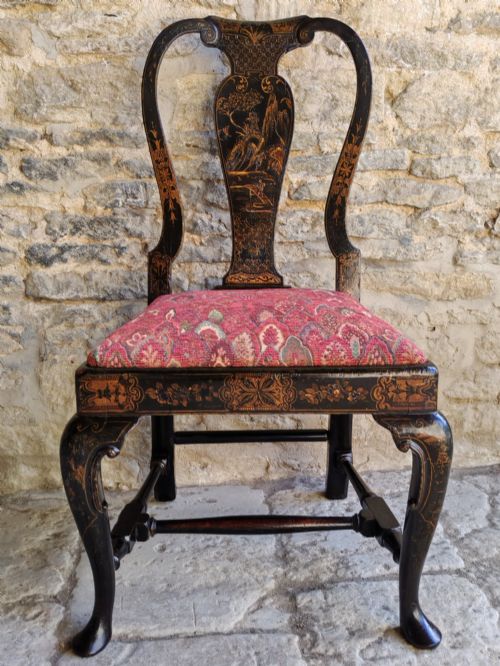
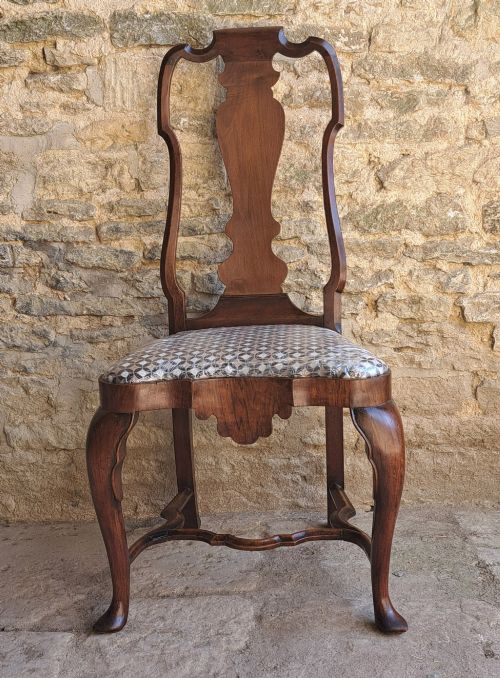
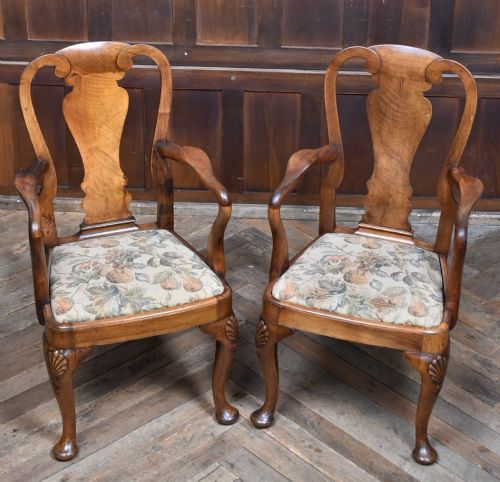
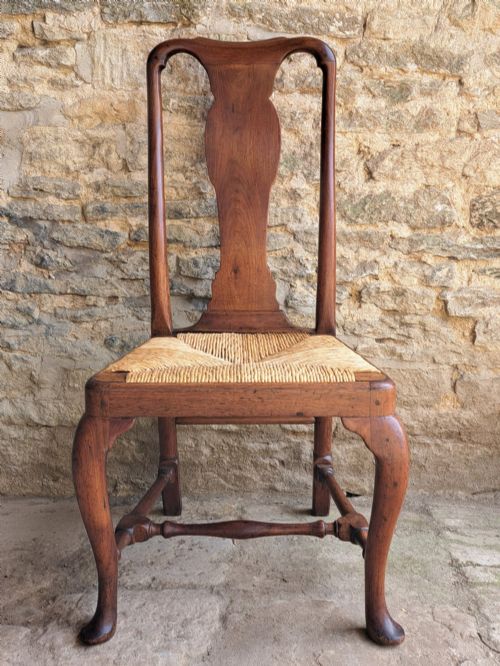
Vase back dining chairs take their name from the distinctive outline of the central splat, which echoes the curving profile of a classical vase. These seating pieces appear across multiple eras, ranging from 18th century originals to 19th century interpretations and 20th century revivals.
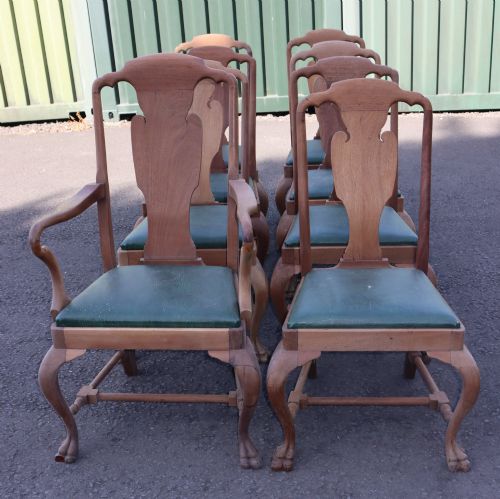
The selection on this page demonstrates strong representation from the Queen Anne style, George I revival, and George II periods, alongside Edwardian and later 20th century examples. Woods vary notably, with mahogany and walnut forming the backbone of the offering, alongside elm and occasional bentwood alternatives.
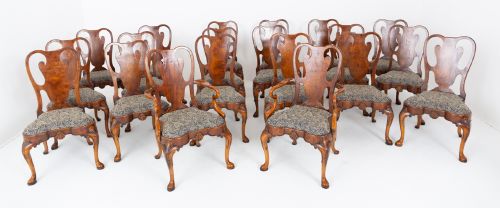
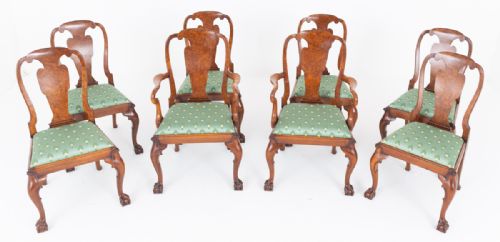
Buyers encounter everything from intimate pairs to substantial sets numbering up to twenty chairs, accommodating both modest dining tables and grand formal spaces. The integration of solid timber frames with upholstered drop-in pads, fixed leather, or rush seats defines the predominant forms available here.
Materials and construction methods
Cabinet makers relied upon durable hardwoods such as mahogany, walnut, burr walnut, and elm to construct these robust dining chairs. Timber selection dictated the weight and grain pattern, with figured veneers occasionally applied to prominent splats and seat rails.
Joinery techniques involved mortise and tenon joints to secure the uprights and rails, while splats were shaped from solid timber planks using hand saws and drawknives. Cabriole legs, frequently seen on walnut examples, were carved directly from the corner stiles or joined with strong corner blocks for stability.
Seats incorporated traditional webbing, horsehair, or rush squabs before being finished with leather, woven rush, or decorative fabric upholstery. These traditional materials permitted natural give while maintaining structural integrity during daily use.
Retail Price Guide 2026
Typical UK retail prices for vase back dining chairs, calculated from the Sellingantiques database of over a million retail prices indexed since 2003. This retail price guide relies exclusively on Sellingantiques data; no external sources or auction records are used, so the figures do not describe the wider market.
Listings feature woods spanning mahogany, walnut, burr walnut, elm, and general timber, alongside upholstery in leather, fabric, and rush.
Distinctions in quality and execution
Superior examples reveal themselves through the fluency of the splat's curve and the crispness of any carved shell or foliate details on the knees and crest rails. Finer sets exhibit carefully matched timber grains across the back splats, showing deliberate wood selection by the maker.
Structural robustness separates exceptional survivals from heavily restored pieces, particularly where cabriole legs meet the seat frame. The integration of traditional joinery without excessive modern metal reinforcements preserves the historical integrity of the piece.
The Vase Back Dining Chairs Glossary
- Splat
- The vertical wooden upright in the centre of the chair back, shaped here in the distinct profile of a vase. This central member provides both structural rigidity and the primary decorative focus of the silhouette.
- George I revival
- A design movement looking back to the early 18th century for inspiration, producing pieces with characteristic vase splats and cabriole supports. Makers during this phase adopted earlier proportions while utilising contemporary workshop tools.
- Rush seat
- A seating surface woven from dried marsh rushes tightly wound around a wooden frame. This traditional technique appears on regional and country pieces, offering a durable and slightly yielding texture.
- Crest rail
- The uppermost horizontal wooden member of the chair back, often shaped or carved to complement the central vase splat below it.
Frequently Asked Questions
How do I date a vase back chair?
Dating relies on examining the timber species, tool marks, construction joints, and stylistic details such as the presence of a cabriole leg or straight stretchers. Earlier pieces from the 18th century show hand-cut joinery and aged patina, while 19th and 20th century revivals utilise machinery alongside traditional forms.
Comparing the specific contour of the vase splat and the method of seat upholstery provides further clues to the decade of manufacture. Consulting the listed period styles alongside these physical markers helps establish a reliable timeline.
Are these chairs suitable for daily use?
Most antique and revival dining chairs are built from sturdy hardwoods like mahogany, walnut, and elm, making them entirely practical for everyday dining. Proper maintenance of the joints and regular checking of the frame stability ensure they withstand normal household demands.
Upholstered drop-in pads or leather seats can be easily refreshed or maintained without altering the historic wooden frame. Buyers should treat fragile rush or antique fabric with appropriate care during regular meals.
What is the difference between Queen Anne and George II styles?
Queen Anne style chairs typically feature smoother, more restrained lines with vase splats, spooned backs, and cabriole legs terminating in pad feet. The emphasis rests on the graceful curve of the timber rather than heavy surface ornamentation.
George II designs often introduce slightly more robust proportions, carved shell motifs on the knees or crest rails, and occasionally claw and ball feet. Both styles share the foundational vase splat profile that defines this seating category.
Can I mix these chairs with a modern table?
Vase back chairs provide strong traditional character that contrasts effectively with contemporary glass, metal, or plain wooden dining tables. Their classic silhouettes prevent them from looking out of place in eclectic or modern interior schemes.
Maintaining a consistent wood tone, such as mahogany or walnut, helps tie disparate furniture pieces together cohesively in a modern dining room.