




Antique Childrens Chair
These antique childrens chair examples bring miniature scale and domestic history together, offering practical seating with genuine period charm.
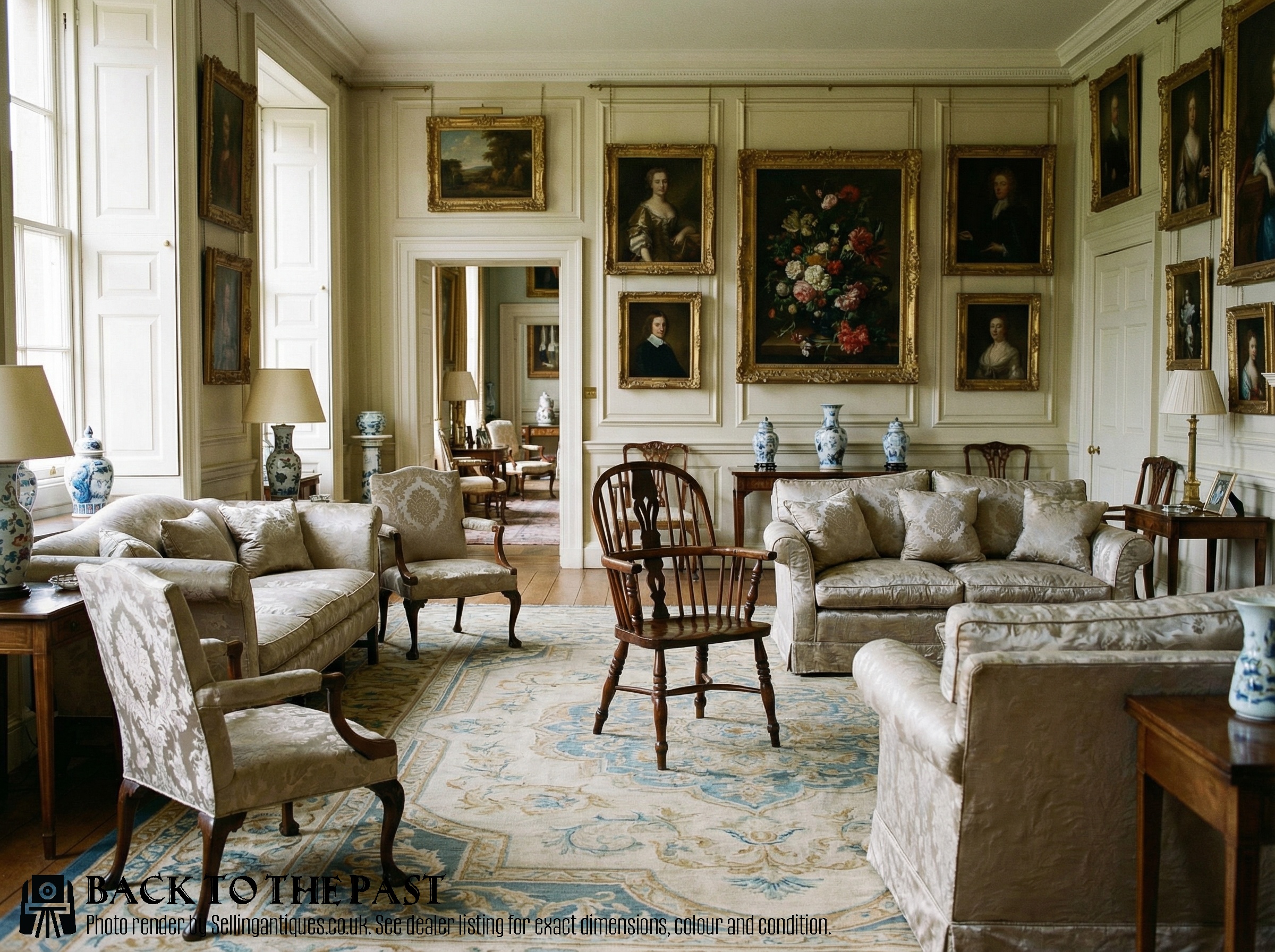
What these pieces are
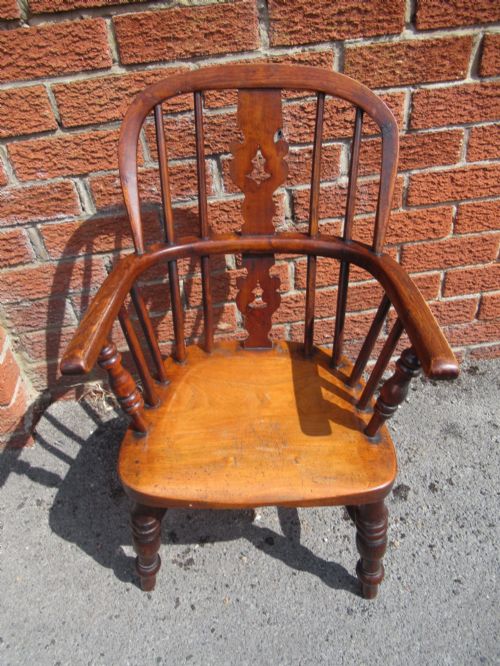
An antique childrens chair provides scaled-down domestic seating produced across several centuries. The selection spans the Georgian, Regency, Victorian, and Edwardian periods.
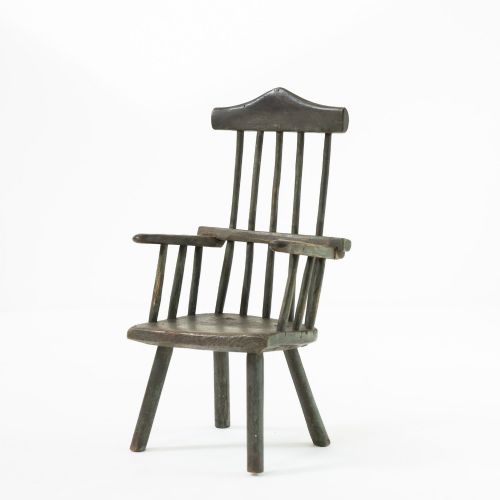
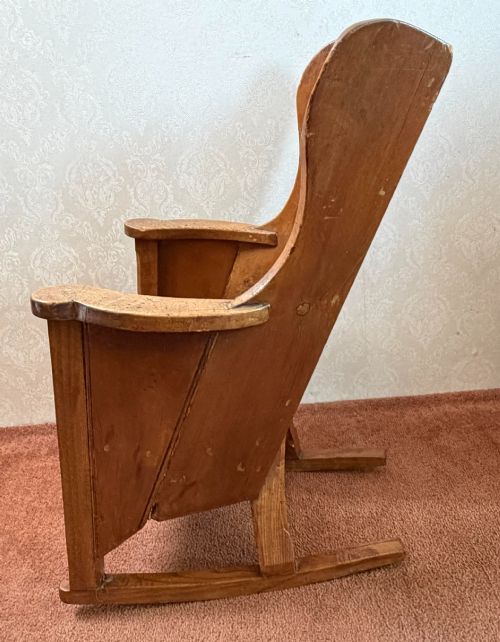
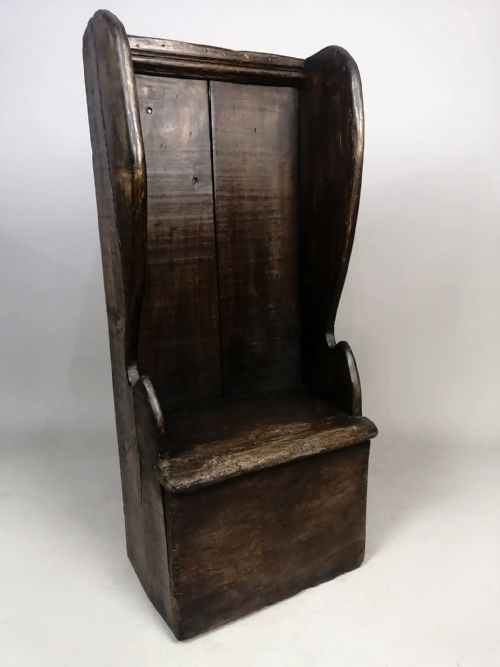
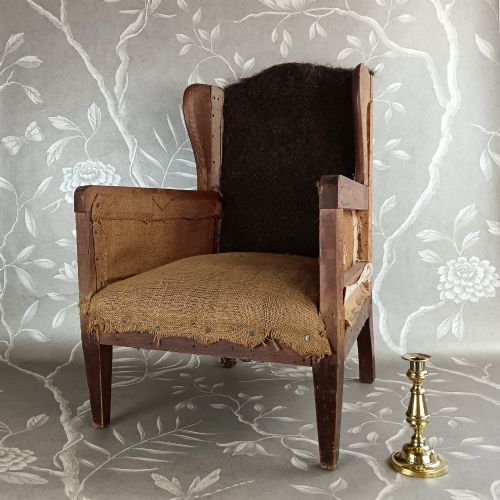
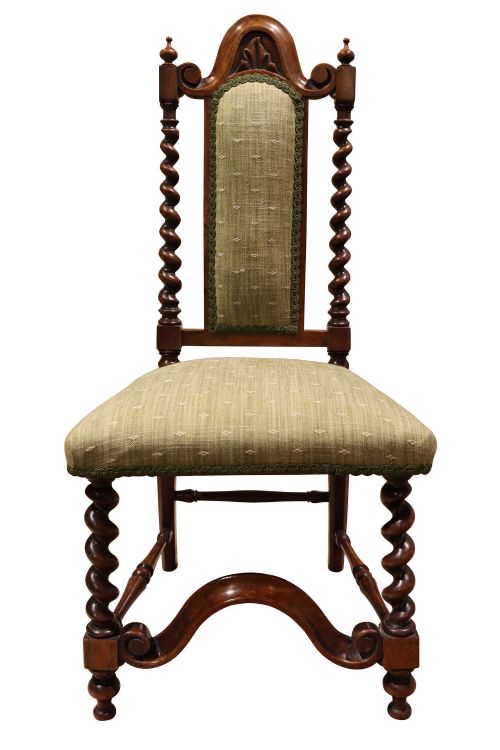
Forms include armchairs, rocking chairs, Windsor chairs, hoop and stick back chairs, commode chairs, and wingback armchairs. English country and Arts and Crafts styles appear alongside formal Victorian designs.
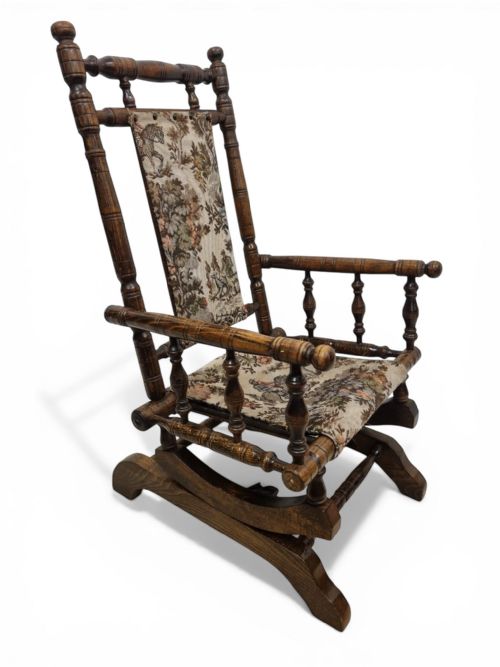
Buyers regularly encounter elm, oak, walnut, and yew wood constructions. Upholstered options feature fabric, hessian, and tapestry finishes.
How they were made
Cabinet makers and local joiners utilised native timber such as elm, oak, and yew for structural strength. Spindle backs, barley twist turnings, and Windsor framing required traditional woodworking joinery techniques.
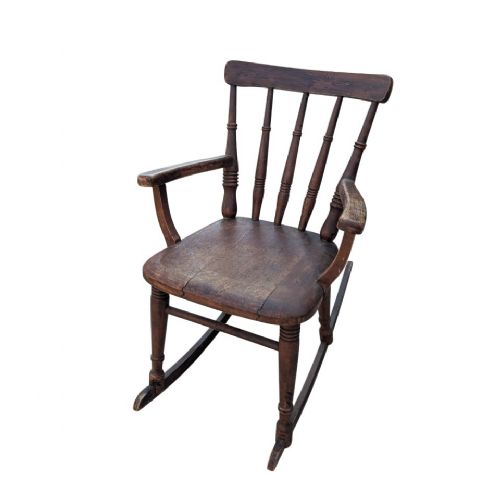
Rocking variants incorporated curved wooden runners fixed beneath standard chair bases. Upholstered pieces integrated internal padding covered with durable textiles like tapestry and hessian.
Retail Price Guide 2026
Typical UK retail prices for childrens chair, calculated from the Sellingantiques database of over a million retail prices indexed since 2003. This retail price guide relies exclusively on Sellingantiques data; no external sources or auction records are used, so the figures do not describe the wider market.
Several miniature chairs feature built-in rocking runners, proving that historical children appreciated gentle motion just as much as modern toddlers do.
What varies in quality
The choice of timber dictates the foundational character of each piece, with dense hardwoods like yew and figured walnut sitting at the upper end of the scale. Simple vernacular elm and oak versions reflect robust utilitarian workshop traditions.
Refined joinery details such as steam-bent hoops, neat spindle turnings, and sophisticated back configurations separate ambitious formal seating from basic domestic workshop output.
The Antique Childrens Chair Glossary
- Windsor chair
- A wooden chair built with a thick solid seat into which the legs and back spindles are driven directly. This construction method provides exceptional durability.
- Spindle back
- A chair back constructed from a series of slender turned wooden rods. These uprights offer lightweight structural support.
- Barley twist
- A spiral turning carved into furniture legs and uprights. This decorative technique mimics the appearance of twisted rope.
- Commode chair
- A seating item designed with an enclosed lower section originally built to house a chamber pot. Many surviving examples retain their historical functionality.
- Hoop and stick back
- A vernacular frame design featuring a continuous bentwood bow supporting vertical wooden spindles. This regional style defines traditional country seating.
Frequently Asked Questions
How were antique childrens chairs used?
These miniature seats served everyday domestic functions in nurseries and family parlours across past centuries. They provided children with correctly proportioned furniture for daily meals and quiet activities.
Rocking variants also functioned as soothing furniture for younger infants. Surviving commode examples highlight specialised domestic hygiene needs of earlier households.
What woods appear most often?
Elm, oak, walnut, and yew wood dominate the construction of these historical miniature seats. Local makers selected sturdy timbers capable of withstanding robust daily use.
Hardwoods like yew and walnut generally indicate more deliberate workshop design. Softer or mixed timber applications frequently point towards vernacular country production.
Can these chairs still be used today?
Many surviving examples retain sturdy timber construction suitable for gentle contemporary domestic use. Their robust joinery allows them to function as practical seats or decorative display items.
Upholstered components may require careful preservation depending on their fabric condition. Collectors frequently place them in living spaces as standalone decorative accents.