


Antique Woven Seat Chair
These antique woven seat chair pieces bring period character to a room, offering practical seating built from traditional materials.
What these pieces are
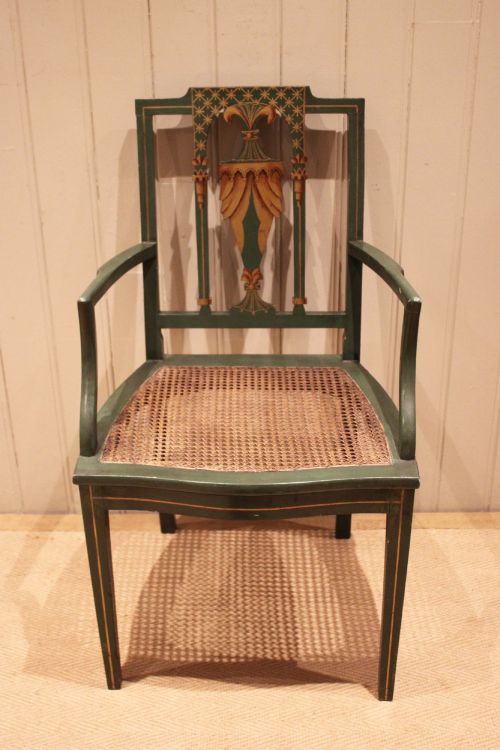
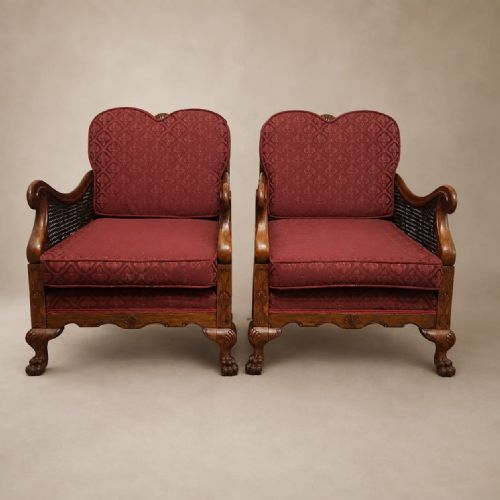
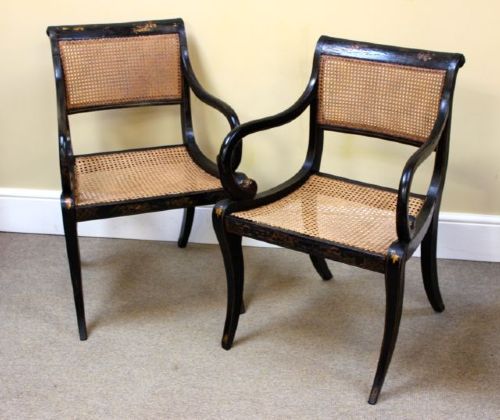
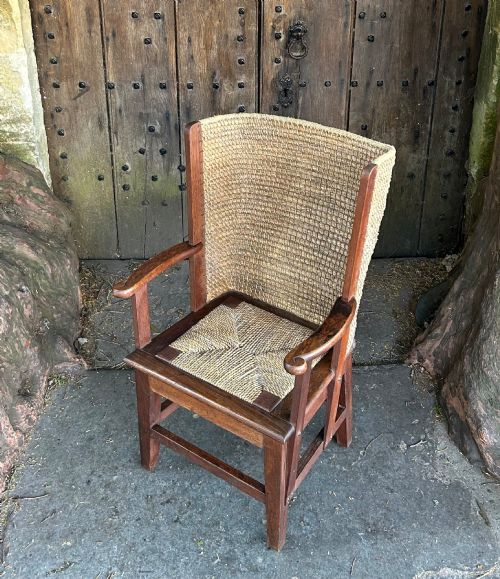
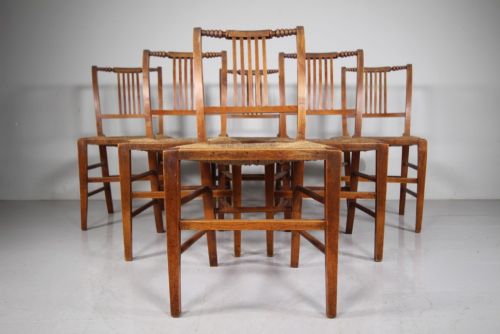
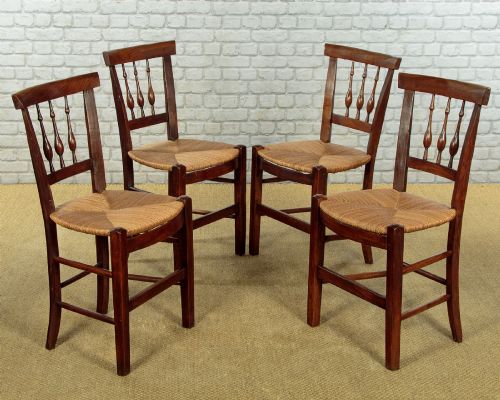
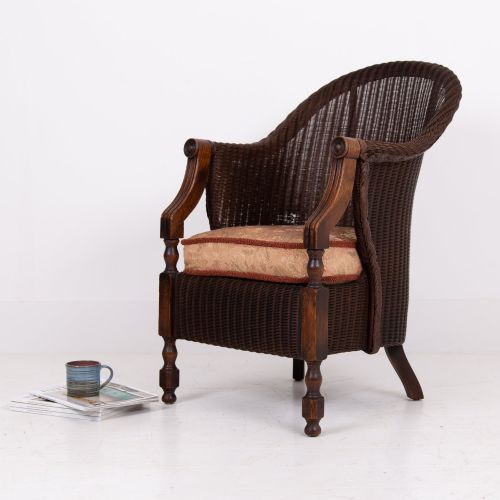
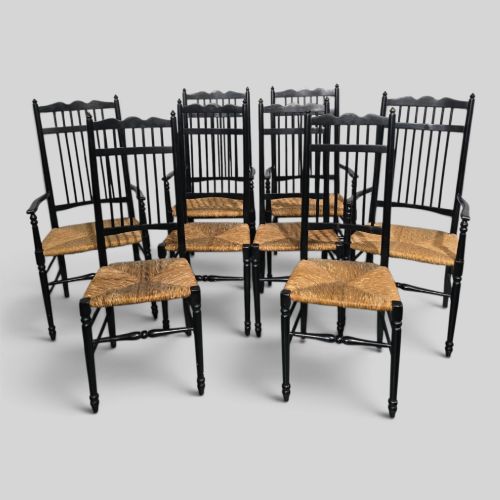
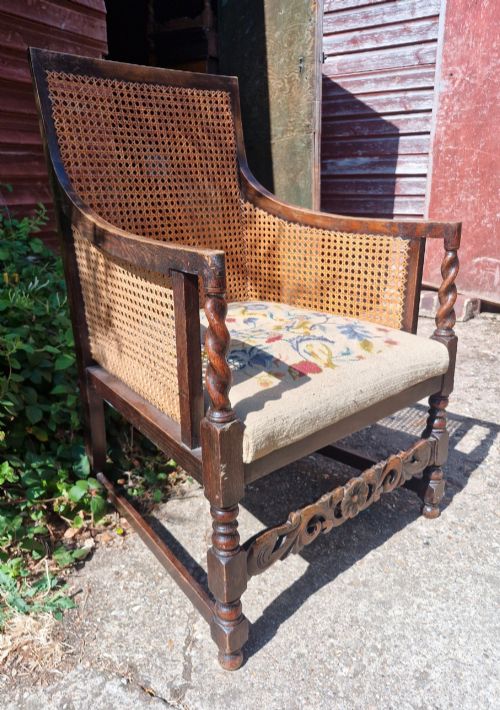
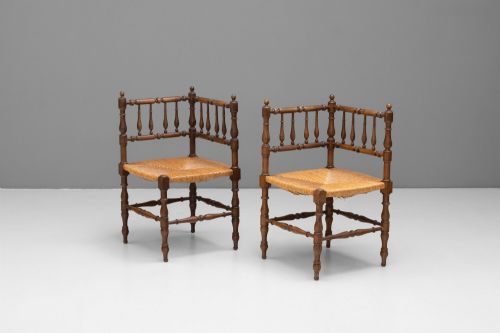
An antique woven seat chair brings together seating forms from the Victorian period and the nineteenth century. The selection includes side chairs and accent chairs designed for various domestic uses.
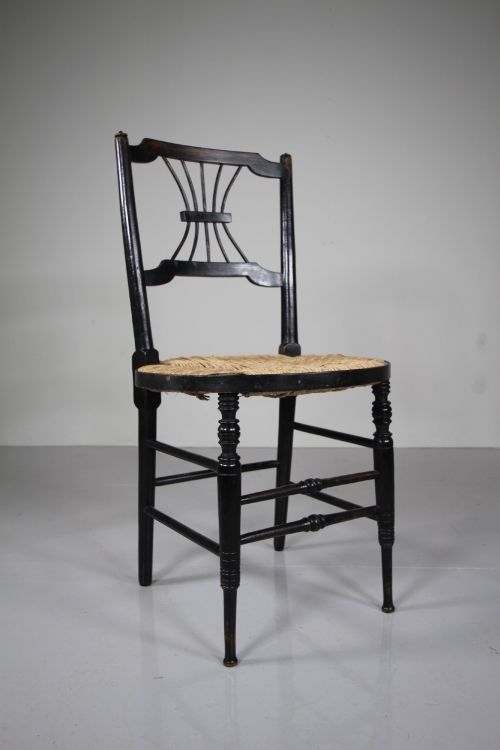
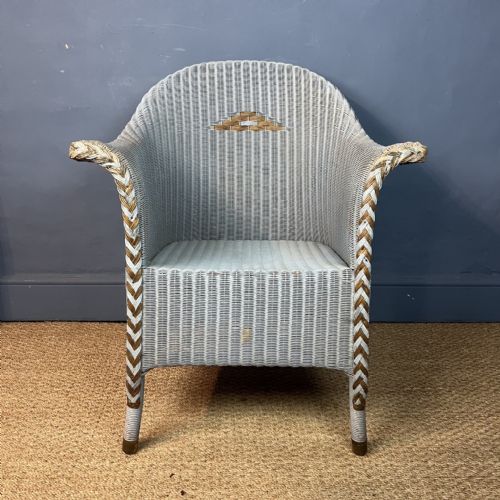
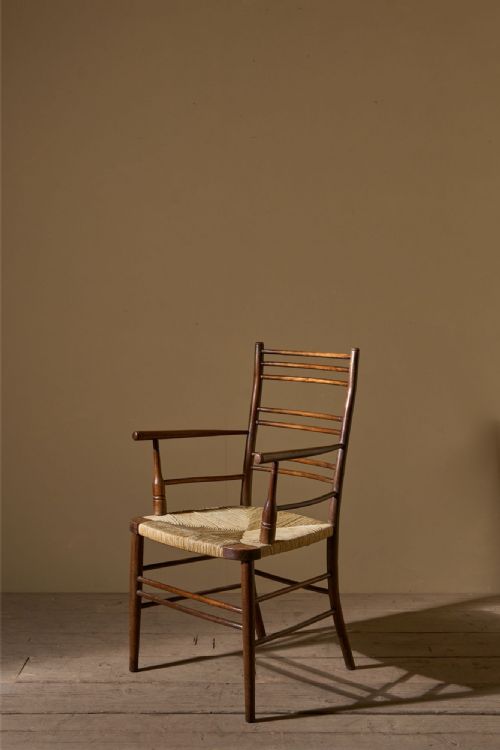
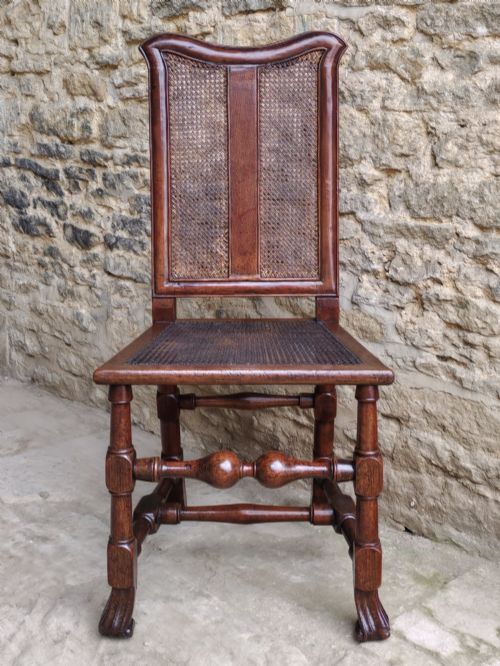
Buyers will encounter specific regional and domestic styles, such as Victorian country pieces, Edwardian examples, and Aesthetic Movement low bathroom chairs. These items range from child-sized chairs with rush seats to oak cane seated bedroom chairs.
The variety spans folding campaign chairs in walnut alongside simpler regional forms, reflecting the diverse seating requirements of nineteenth-century households.
How they were made
Construction relies on traditional hardwoods including oak and walnut, shaped to form sturdy frames for daily use. Joinery techniques connect components securely without modern adhesives.
Seats incorporate natural materials such as rush and cane, woven tightly across the frame to support the sitter. Decorative elements include pierced carved crest rails, fine fluting, and inlaid bone button details.
Folding mechanisms on campaign pieces utilise hinged joints and precise carpentry to allow portability whilst maintaining structural integrity.
A walnut campaign chair includes bone button decorations, proving nineteenth-century travellers still appreciated small luxuries.
What varies in quality
Quality rests in the precision of the woodwork and the tightness of the woven seat. Finer examples display crisp carving on the crest rails and neat execution of fluting and bone button decorations.
The choice of timber creates a distinct hierarchy, with dense walnut frames generally carrying more refined decorative carving than standard utility seating. The regularity of the rush or cane weave demonstrates the maker's skill and time investment.
The Antique Woven Seat Chair Glossary
- Rush seat
- A seating surface woven from dried marsh rushes, twisted into cords and patterned tightly across the chair frame. This material provides a resilient and traditional seat.
- Cane seat
- A flexible webbing created from split rattan woven in open mesh patterns, commonly utilised on bedroom and parlor chairs for lightness and breathability.
- Campaign chair
- A portable folding chair designed for travel and military use, often featuring clever mechanical joints and quality timber construction.
- Aesthetic Movement
- A nineteenth-century design style emphasising visual beauty and artistic expression over strict historical revival, frequently seen in low bathroom chairs.
- Crest rail
- The top horizontal member of a chair back, often carved or shaped to define the decorative period style.
Frequently Asked Questions
How do I clean a rush seat?
Dust the woven surface gently using a soft brush to remove trapped particles without damaging the natural fibres.
Avoid excessive moisture during cleaning, as dampness can weaken dried marsh rush over time.
Where were low bathroom chairs used?
These lower-profile seats were designed for dressing rooms and private chambers during the Victorian era.
Their compact height made personal grooming and washing more comfortable in domestic settings.
Can I use a campaign chair daily?
These folding seats were originally built for transport and temporary lodging during nineteenth-century travels.
Modern daily use is possible provided the folding mechanism and hinges remain stable and secure.
What is an Aesthetic Movement chair?
This style reflects late nineteenth-century artistic priorities that favored simple lines and decorative grace.
Such pieces often served functional roles in private rooms while displaying thoughtful design details.